
A personalized chiropractic plan is built from exam findings, not from a standard template. The process starts with a detailed health history. The chiropractor gathers the patient's symptoms, prior injuries, lifestyle factors, and health goals. These details shape which tests are run and which treatment methods make sense. Next comes a hands-on physical examination aimed at the area of complaint. It checks range of motion, posture, and how the spine and joints move. Patients who already have X-rays or MRIs can bring them so they can be reviewed with the history. The collected findings then become the basis for the plan. That plan names the techniques to be used, how often care happens, and the markers that will track progress. Many clinics use structured outcome measures reported directly by patients. These measures track changes in pain, function, or mobility over the course of care. They are most often collected at the first visit and again at follow-up points. That timing lets the plan change based on how the patient actually responds, not a fixed timeline. A personalized plan is therefore not static. How often care happens, which technique is used, and the goals themselves shift as new findings show how the body responds. This findings-first, outcome-tracked structure is what separates an individualized plan from a generic protocol applied the same way to every patient. In an individualized plan, each patient's own condition and history shape every stage of care.
Articles in this cluster
- Choosing adjustments for a specific spine — How a Chiropractor Chooses Adjustments for Your Specific Spine
- What a functional exam checks before treatment — What a Functional Exam Reveals Before Any Adjustment Begins
- How spinal motion testing shapes a first visit plan — How Spinal Motion Testing Shapes Your First Visit Plan
- Signs a care plan needs updating — Signs a Chiropractor in Morton Should Update Your Active Plan
- What happens during a re-examination visit — What Happens at a Re-Examination Visit in Morton
- Why desk workers need posture-based spinal plans — Why Desk Workers Need Spinal Plans Built Around Their Posture
- Comparing routine adjustments to individualized plans — Routine Adjustments vs. Individualized Plans for Chronic Desk Pain
- Why lasting pain relief needs more than one approach — Why Lasting Relief From Desk-Related Pain Takes More Than One Visit Type
- Comparing costs of personalized plans and routine visits — What a Personalized Chiropractic Plan Costs Compared to Routine Visits
- Questions to ask about chiropractic plan changes — How to Ask Your Chiropractor About Plan Changes Over Time
- How a tailored exam differs from a quick checkup — What Sets a Tailored Chiropractic Exam Apart From a Quick Checkup
- How credentials shape a treatment plan — How a Chiropractor's Credentials Shape Your Treatment Plan
What Actually Goes Into a Chiropractic Examination
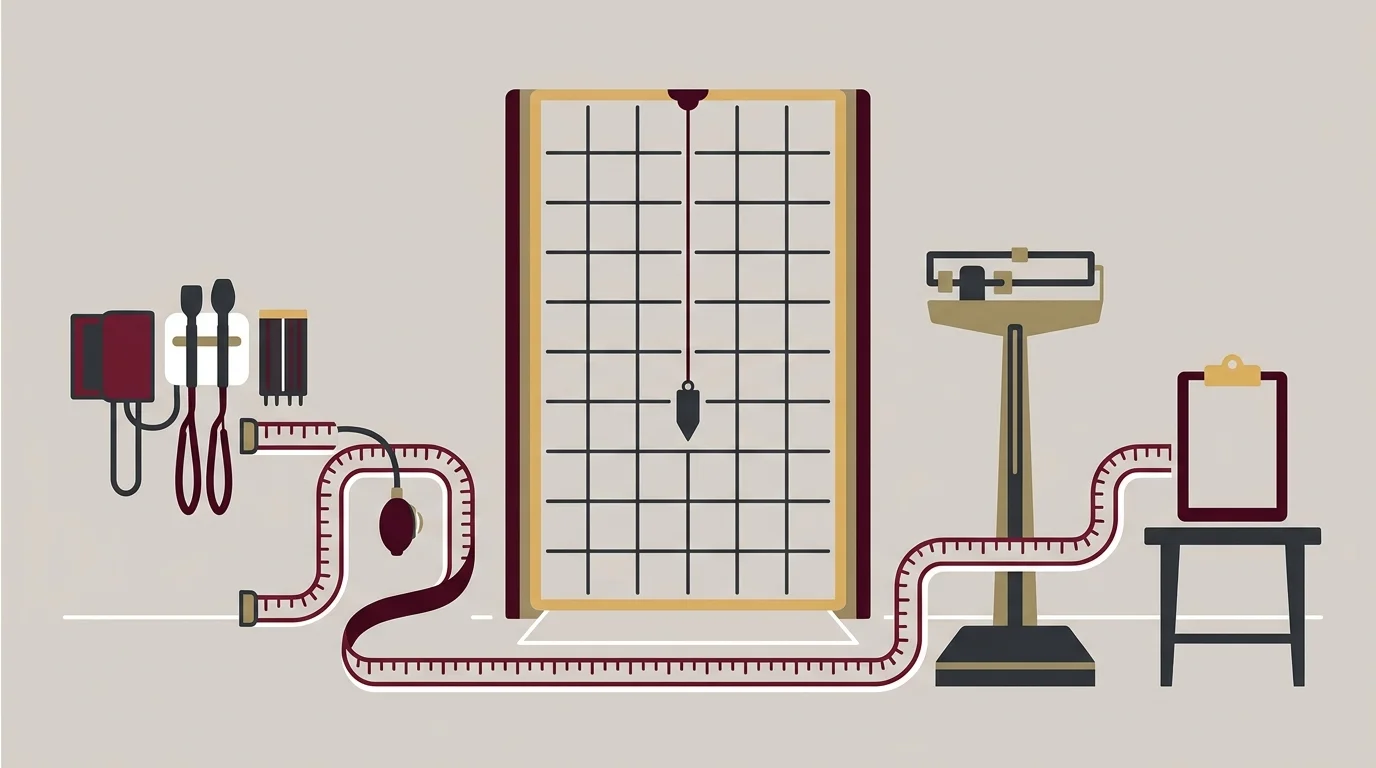
Every evidence-based plan rests on real findings. The exam has to gather a health history and test the area of complaint before any plan gets written. Those findings tell a clinician what is actually happening in the body.
Skip that data and the plan built on top of it is a guess dressed up as a strategy. This is where chiropractic adjustment and spinal treatment gets built around real findings instead of assumptions. A roadmap only works if it is drawn from the territory, not handed out pre-printed.
| Exam Component | What It Measures | Why It Matters for the Plan |
|---|---|---|
| Health History Intake | Prior injuries, lifestyle factors, symptom patterns, and health goals | Determines which exam components and techniques are even relevant to this patient |
| Complaint-Specific Functional Testing | Range of motion, posture, and movement patterns tied to the presenting complaint | Pinpoints the mechanical source of a problem instead of treating a general area |
Why Protocol-Based Care Falls Apart on Contact With a Real Spine
A pre-built protocol skips that collection step entirely. It assigns the same sequence of visits, the same techniques, and the same timeline to every patient who walks in with a similar complaint, regardless of what their own history and exam findings show.
Cookie-cutter protocols are not care — they are assembly-line medicine. A personalized chiropractic plan is more than a series of adjustments; it's a comprehensive roadmap built from a deep understanding of a patient's specific health history, lifestyle, and unique physiology. Unlike generic protocols, a truly personalized plan is dynamic, designed to evolve as the body responds to care and progress continues toward stated health goals.
The Mechanism Behind a One-Size-Fits-All Protocol's Failure
Here's where a uniform protocol breaks: it assumes every spine with similar symptoms will respond the same way to the same string of visits. No protocol is proven for every patient. What decides whether a technique works is the data gathered at intake, not the complaint category a patient gets filed under.
Researchers are now studying how chiropractic maintenance care should be planned. A 2026 trial protocol by Funabashi et al. in Trials describes a planned trial that will recruit 225 adults aged 18 to 65 with recurring spinal pain who come to chiropractic clinics. A plan that runs the same schedule for everyone has no way to learn from that kind of patient-by-patient data.
How History Turns Raw Data Into a Strategy
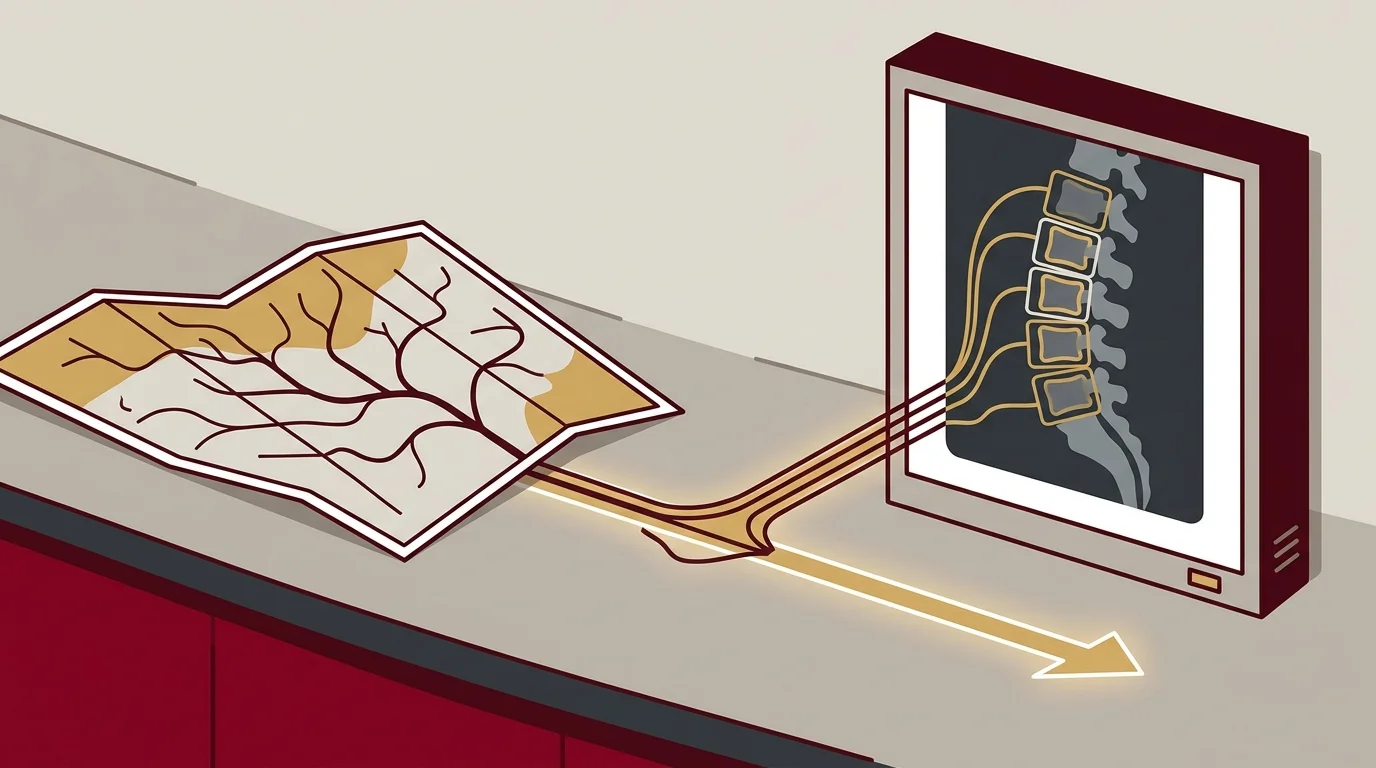
Raw diagnostic data is only useful once it gets translated into a decision. The health history is the first input that makes that translation possible.
History doesn't carry the plan alone. It tells the hands-on exam where to look, and the exam confirms or rules out what the history suggested.
Reading Family History Like a Map Instead of a Checkbox
Family history isn't a box to tick on an intake form. It's a map of patterns, like degenerative conditions, old injuries and recurring complaints. That map tells a chiropractor where to look first.
A patient with unexplained symptoms and no obvious mechanism is not a dead end. Unexplained does not mean untreatable — it means the data collected so far hasn't pointed to the mechanism yet, not that no mechanism exists. Treating vague symptoms as unsolvable is a shortcut, not a diagnosis.
Turning Findings Into a Written Strategy
Exam findings do not speak for themselves. A finding only becomes useful once it is written into the plan as a reason for a specific technique, a specific frequency, or a specific restriction.
That written link is what turns an exam result sitting in a file into a real strategy, with findings that shape what happens next instead of paperwork that never gets used.
How a Plan Is Measured, Phased and Changed Over Time
A plan is not finished once it is written. It is measured against what the patient actually reports, visit after visit.
That measurement is what tells a chiropractor whether the plan still fits, or whether something has changed and the plan needs to change too.
| Care Phase | Primary Focus | Typical Re-Evaluation Trigger |
|---|---|---|
| Relief Phase | Reducing the presenting complaint and calming acute symptoms | Reported pain or function scores stall or shift between visits |
| Corrective Phase | Addressing the underlying pattern behind the original complaint | Follow-up outcome measures show steady improvement that signals readiness for a new focus |
| Maintenance Phase | Preserving stabilized function and catching early signs of regression | Scheduled check-ins show symptoms holding steady or starting to creep back |
How a Plan's Focus Can Shift
A plan often starts by easing the main complaint, then works on the pattern behind it, then shifts to keeping gains once function settles.
Each phase changes the frequency, the technique and the markers being tracked. None of that runs on a fixed calendar — it changes when the data says it's time.
What Re-Evaluation Actually Checks For
Re-evaluation checks whether reported pain, function, and mobility have actually moved. Many clinics gather this data at intake and then again at set follow-up points, not just once. In a 2026 study by Coleman et al. (Chiropractic & Manual Therapies), the authors report that respondents reported a higher percentage of patients using patient-reported outcome measures at initial visits (median 95.0%) than at follow-up visits (median 74.5%) over the past 12 months. That gap between intake and follow-up reporting matters because it shows where tracking tends to drop off, not just where it starts. A plan that only measures at the first visit isn't tracking anything — it's filing paperwork. Effective personalization depends on a partnership, where the chiropractor and patient communicate clearly about goals, progress, and any changes in condition as they happen.
What a Personalized Plan Looks Like Day to Day
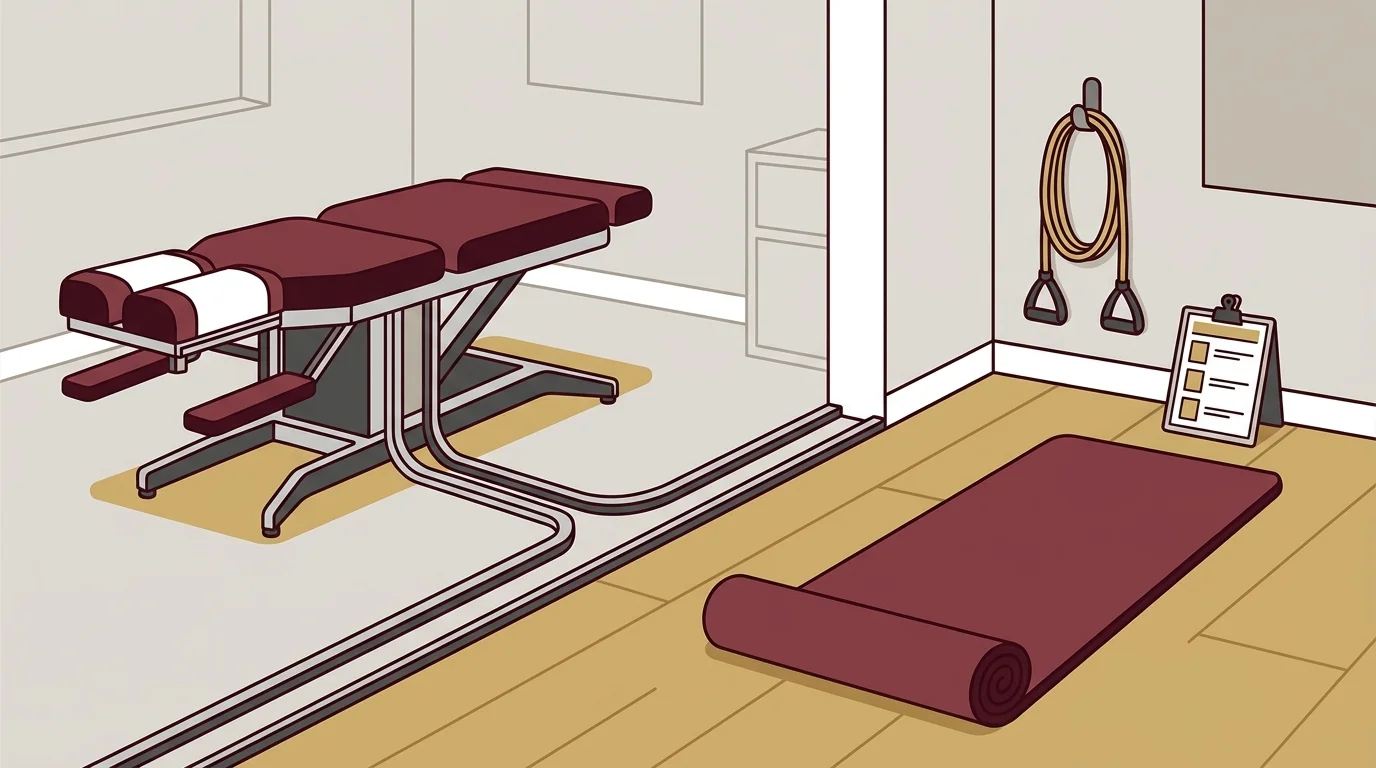
Day to day, a personalized plan rarely stays confined to a single technique. Spinal care built on one patient's own exam findings looks different from a generic plan used on every age and every complaint.
| Plan Component | Where It Happens | What It Targets |
|---|---|---|
| Chiropractic adjustment | In-office, guided by exam findings and intake history | The specific joint or spinal segment the exam flagged, not a general region |
| Take-home exercise or posture correction | Between visits, at home or at work | The movement pattern or habit tied to the presenting complaint |
| Re-evaluation checkpoint | In-office, at scheduled follow-up points | Whether reported pain, function, and mobility have actually shifted |
| Plan adjustment | In-office, after reviewing new data | Technique, frequency, or goal changes based on how the individual is responding |
Combining In-Office Care With Take-Home Work
Adjustments in the office are only one half of the roadmap. The other half is what happens between visits — specific exercises, posture changes, or activity modifications tied directly to what the exam found. It's not about what we're doing TO you — it's what we're doing FOR you, and that shows up in the take-home piece as much as the adjustment itself.
Frequently Asked Questions
A roadmap raises its own questions once a patient actually starts walking it. Here's what we hear most often about how a personalized plan actually works.
What specific information goes into building a personalized chiropractic plan?
The presenting complaint, a detailed health history, and the findings from a hands-on exam. Patients who already have X-rays or MRIs can bring them too. A complaint category alone isn't enough to build a plan.
How often is a chiropractic treatment plan re-evaluated?
At intake, then again at scheduled follow-up points as care progresses. Tracking drops off after the first visit far more often than it should, which is exactly why it gets checked on purpose.
Does a personalized chiropractic plan include more than spinal adjustments?
Yes. Chiropractic adjustment is one piece, and exercises, posture changes and activity tweaks tied to the exam findings fill out the rest.
What role do personal health goals play in shaping a treatment plan?
They shape which techniques get used and how success gets defined. A plan measured only against someone else's goals isn't tracking the right thing.
How is progress measured during a chiropractic care plan?
Patient-reported outcome measures track pain, function and mobility against the baseline set at intake. Those results decide when the plan shifts, not a fixed calendar.
Can a personalized chiropractic plan be coordinated with other medical treatment?
Yes. A diagnostic-first plan is built to account for the other care a patient already gets. It doesn't work in isolation from it.
What This Means
A plan only means something when it's built from real findings. History, exam findings and outcome measures are that foundation, and none of them is paperwork or a formality.
Skip that work and a plan is just a template handed to every patient, no matter what's actually going on. A specific, evidence-based strategy is the only honest way to build one, because it's the only version built from this patient's own data, not someone else's complaint category.
That's the whole case for personalization, and it's not theoretical. If a detailed diagnostic process sounds like what your own plan should rest on, talk it through with us and let the data build your roadmap instead of guessing at it.
Results may vary.