
A functional exam reveals how the spine, joints, and surrounding muscles actually move before any Chiropractic adjustment is chosen. It identifies restricted motion, muscular imbalance, postural deviation, and neurological involvement that explain why symptoms are occurring. The process typically includes a detailed patient history, postural assessment, and range of motion testing. It also includes orthopedic tests, motion palpation of spinal joints, and neurological tests when clinically indicated. Orthopedic and neurological testing help determine whether a condition involves joint dysfunction, nerve irritation, or soft tissue restriction. This distinction matters because symptom location alone does not reliably identify the source of a problem. Motion palpation assesses individual spinal segments for restricted or excessive movement. It pinpoints which joints are not functioning within a normal range. These findings determine which technique is used and which specific spinal or joint segments require attention. Segment-specific decisions take the place of a generalized approach applied to every patient with similar symptoms. The exam also establishes a baseline against which future progress can be measured. Changes in range of motion, palpation findings, or orthopedic test results over time show whether function is measurably changing. Patients who already have X-rays or MRIs can bring them so they can be reviewed alongside the exam. The information gathered directly shapes the frequency, technique, and focus of subsequent care. A functional exam is a structured diagnostic process completed before treatment begins. It produces the specific findings that determine what a personalized care plan will address.
What a Functional Chiropractic Exam Actually Measures
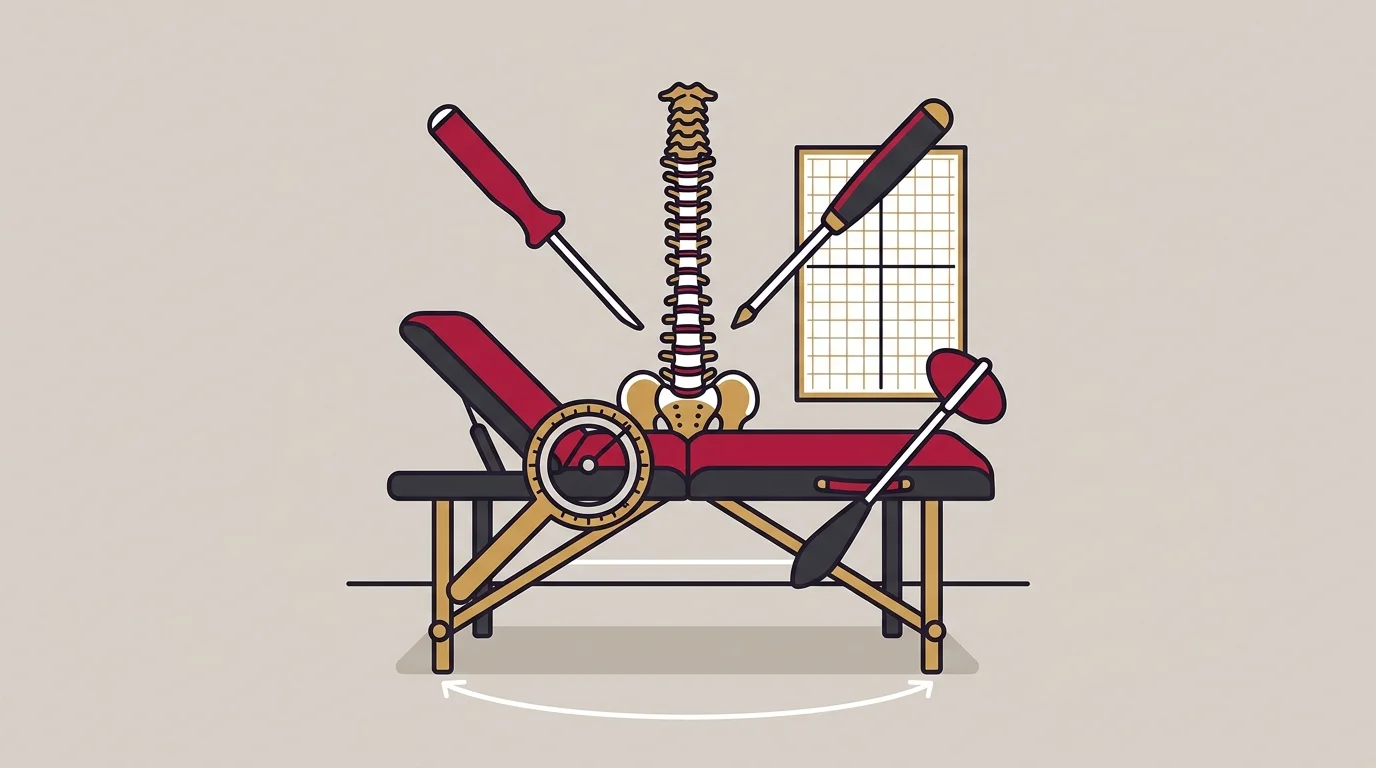
A functional exam is a measurement, not a chat. It's a full assessment of the musculoskeletal system that shows how the body actually moves and exactly where that movement breaks down.
That measurement step is what separates a diagnosis from a guess. Treating a spine without first measuring it is treating a symptom, not a cause.
The Core Components of the Examination
The initial functional exam is the most critical part of any chiropractic care plan. Everything that follows, including technique selection and visit frequency, traces back to what it finds.
So how do findings turn into a plan? The guide to building individual chiropractic plans lays it out step by step, showing how exam results become a specific plan instead of a standard template.
Why the One-Size-Fits-All Protocol Breaks Down
No protocol is proven for every patient. Run the same fixed sequence of adjustments on every condition that walks in, and you've quietly decided the diagnosis doesn't matter.
That approach skips the exact step where restricted joints, imbalance patterns, and neurological findings get found. The protocol is picked before anyone measures the problem.
The Assembly-Line Adjustment Model
An assembly-line model hands the same adjustment sequence to everyone reporting similar symptoms. But two people describing identical low back pain can have completely different restricted segments, muscle imbalances, or neurological involvement.
Unlike a cursory check-up, a detailed functional exam looks beyond the immediate symptoms to identify the root cause of the problem. A fixed protocol has no mechanism for making that distinction, because it was never built to read individual findings in the first place.
How Skipping the Exam Produces Mismatched Care
Skipping the exam doesn't make patients any less different from each other. It just blinds the practice to those differences before a technique gets chosen.
This diagnostic step is what makes a plan truly personal, with adjustments matched to each person's unique biomechanics and condition. Without it, a technique gets paired with a symptom label instead of a measured restriction. That gap is exactly what the role of motion testing in initial care planning addresses before any plan gets built.
What Reliable Findings Look Like Under Scrutiny
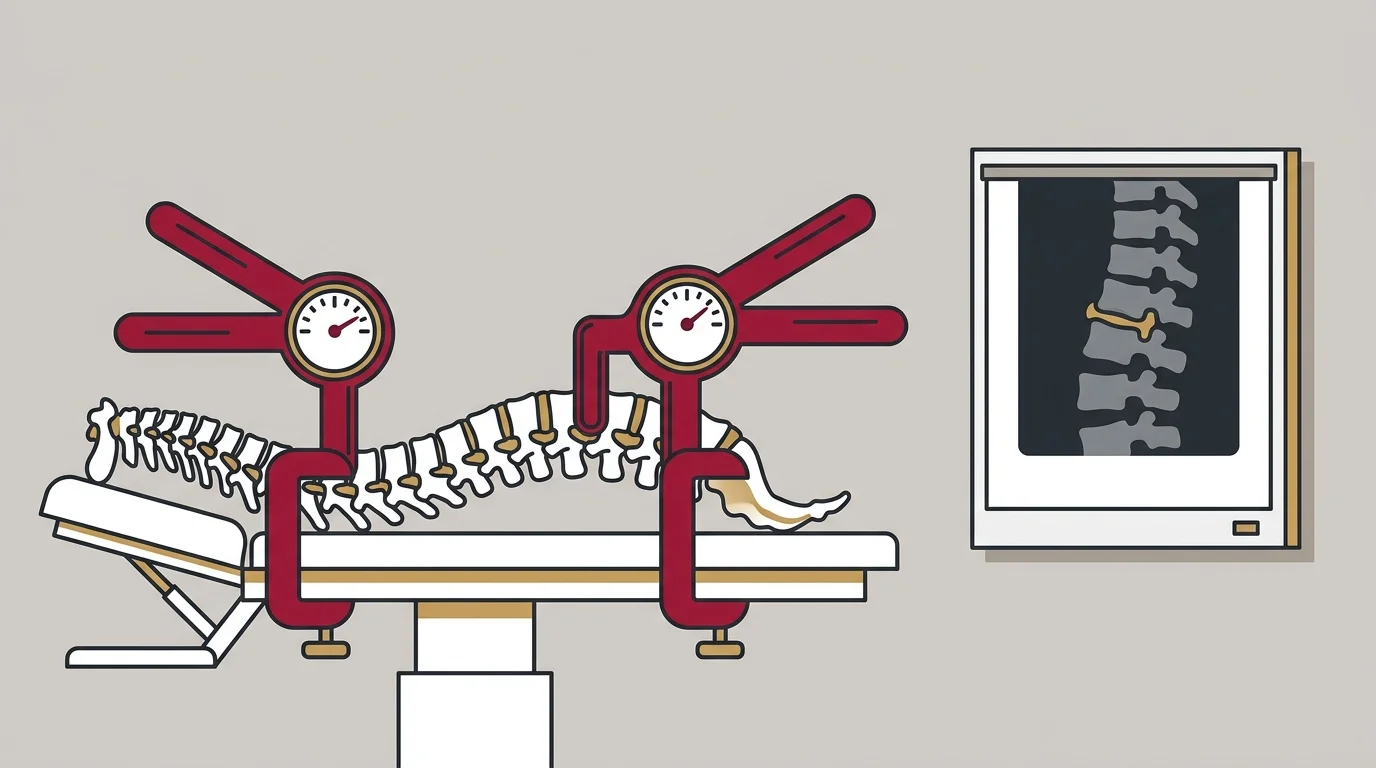
Reliability is the real test of any exam finding. A result that cannot be reproduced tells an operator nothing about the patient, only something about the examiner who happened to run the test.
That matters most for motion palpation, the hands-on technique that checks individual spinal segments. Put this method under scrutiny, and you can separate what the research actually supports from what simply gets assumed.
| Reliability Type | What It Measures | Reported Agreement |
|---|---|---|
| Interexaminer Reliability | Whether two different practitioners examining the same spine reach the same conclusion | Marginal to poor agreement across most studies of lumbar motion palpation |
| Intraexaminer Reliability | Whether the same practitioner reaches the same conclusion on a repeated pass | Good to moderate agreement generally reported for the same examiner |
Interexaminer Versus Intraexaminer Reliability
Interexaminer reliability asks a simple question: do two different practitioners examining the same spine reach the same conclusion? Intraexaminer reliability asks whether the same practitioner lands in the same place on a second pass.
According to a 1992 review by Panzer in the Journal of Manipulative and Physiological Therapeutics, most studies to date had shown marginal to poor agreement between different examiners on motion palpation, while good to moderate agreement had generally been reported when the same examiner repeated the test. That gap matters. It means motion palpation works best as a consistent tool in the hands of one examiner tracking one patient over time.
From Findings to a Built Care Plan
Once a finding holds up, it stops being an observation and becomes a decision: a restricted segment points to a specific technique, not a default sequence.
A 2025 trial by Ambalavanar, Hossinzehi and Murphy in the Journal of Contemporary Chiropractic found that the One To Zero system, which includes chiropractic adjustment of the joint where the skull meets the top of the neck, improved selected outcome measures in people with chronic musculoskeletal problems and dysfunction at that joint, compared with a control group.
That result counts because it tested a defined patient group, not a blanket claim about every adjustment.
| Finding Category | What the Exam Detects | How It Shapes the Plan |
|---|---|---|
| Restricted joint motion | Motion palpation identifies which spinal segments fail to move within a normal range | Determines which specific segments receive a Chiropractic adjustment, rather than treating the region generally |
| Muscular imbalance | Postural assessment and range of motion testing show which muscle groups are overactive or underperforming relative to each other | Shapes whether supportive soft tissue work is added alongside adjustment and which movement patterns get retrained |
| Neurological involvement | Neurological tests reveal whether nerve irritation is contributing to the reported symptoms, when clinically indicated | Influences technique selection and signals when a finding warrants closer monitoring or referral |
| Postural deviation | Postural assessment documents how alignment under load differs from an expected baseline | Guides which regions are prioritized first in the sequence of care and what gets reassessed over time |
| Orthopedic test response | Orthopedic tests distinguish joint dysfunction from soft tissue restriction as the source of a symptom | Separates patients who need joint-focused adjustment from those who need a different structural focus entirely |
Matching Findings to Technique Selection
If a treatment isn't working and the same approach continues anyway, that is the clinical definition of failure for a care plan, not a reason to repeat it. Matching technique to finding is how our approach to spinal treatment stays accountable to what the exam actually showed.
Reassessment as a Built-In Checkpoint
Reassessment reruns parts of the original exam to measure what's changed since the first visit.
A plan nobody reassesses can't show whether it's working.
Where Exam Findings Draw the Line on Scope
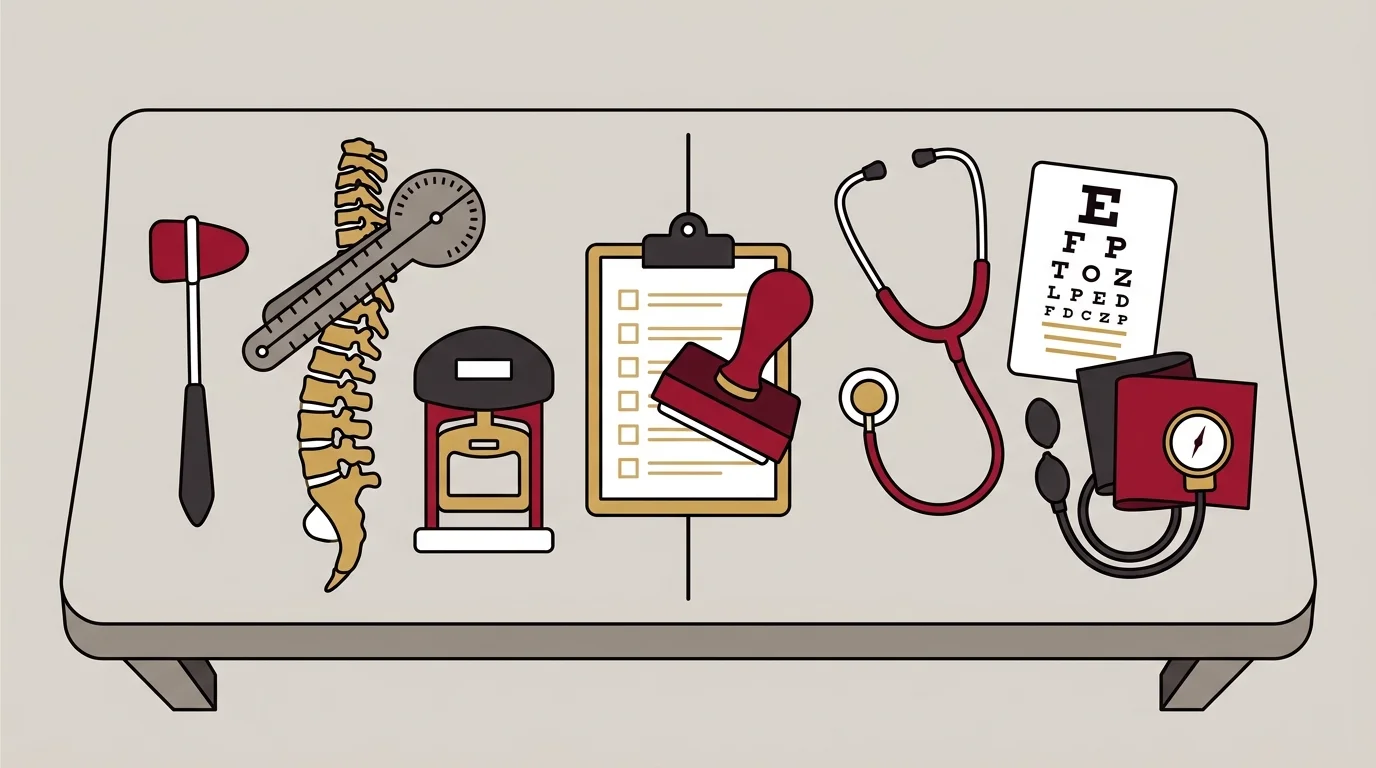
Unexplained symptoms do not mean nothing can be done. They mean the exam hasn't found the cause yet, and a clear finding is what shows whether care should go ahead or whether a referral makes more sense.
Neurological tests sit inside that boundary alongside orthopedic testing, used when clinically indicated rather than by default.
Frequently Asked Questions
Study this process closely, and the same mechanical questions keep coming up. Here are straight answers to the ones that matter.
What specific tests are performed during a functional chiropractic exam?
The core is range of motion testing, orthopedic testing, and motion palpation of each spinal segment. Neurological testing joins in when findings point that way.
How long does the initial chiropractic examination usually take?
Plan for about 45 to 60 minutes: a consultation, then a hands-on evaluation, then a report of findings that covers what was found, how the practice can help, and the cost. The first chiropractic adjustment usually happens that same visit, unless something needs a referral out first.
Will an adjustment happen during the very first visit after the exam?
Yes, in most cases. The first chiropractic adjustment usually happens that same visit, unless something needs a referral out first.
Why is a functional exam necessary before starting chiropractic adjustments?
Without it, a technique gets matched to a symptom label instead of a measured restriction. The exam is what tells a practice which joints need attention and which do not.
What distinguishes a functional exam from a quick spinal check-up?
A quick check-up just confirms a symptom exists. A functional exam measures where restriction, imbalance, or neurological involvement actually sits. That's the data a personal plan needs.
What should a patient bring to a first chiropractic exam?
Bring any X-rays or MRIs you already have, a list of current medications, and a clear account of when symptoms started. Records of past injuries or surgeries help too, because they shape what the exam needs to test.
Where This Leaves the Adjustment
So here's where it lands: the functional exam is the blueprint. Every adjustment after it is simply a line drawn from those findings.
Skip the blueprint, and a chiropractic adjustment stops being a clinical decision. It turns into a guess dressed up as a protocol, delivered to a spine nobody ever measured.
A restricted segment, a palpation finding, a neurological test read in context — that is what turns a care plan into something built for one patient instead of recycled for all of them. If this is the standard worth expecting from an exam, schedule a visit at Touch Of Wellness Chiropractic.
Results may vary.