
A chiropractor chooses adjustments by matching technique and force to findings from a patient's history, physical examination, and specific spinal mechanics, rather than applying one standard method to every patient. This process begins with a detailed health history that identifies past injuries, chronic conditions, and symptom patterns relevant to the spine. The examiner then performs orthopedic, neurological, and range-of-motion testing to locate restricted joints, muscle imbalances, and areas of nerve irritation. Palpation, a hands-on assessment of spinal segments, helps identify which vertebrae move poorly and which show excessive motion. These findings determine the specific spinal level, direction, and amount of force used during a chiropractic adjustment. Some presentations call for a higher-velocity adjustment at a single segment. Others respond better to a gentler, low-force technique applied across a broader region. Patients who already have X-rays or MRIs can bring them so they can be reviewed with the exam findings. A formal treatment plan then documents the expected frequency, intensity, and duration of care along with projected points for re-evaluation. That plan is adjusted as the patient's condition changes over time. The underlying principle is that spinal mechanics vary significantly between individuals, so the same symptom in two different patients can require two different corrective approaches. Age, flexibility, bone density, injury history, and the specific segments involved all factor into technique selection. A chiropractor weighs these variables together before determining how, where, and with how much force to deliver an adjustment, making the examination findings the direct basis for every technique decision rather than the patient's stated complaint alone.
Why Your Spine Doesn't Read From a Script
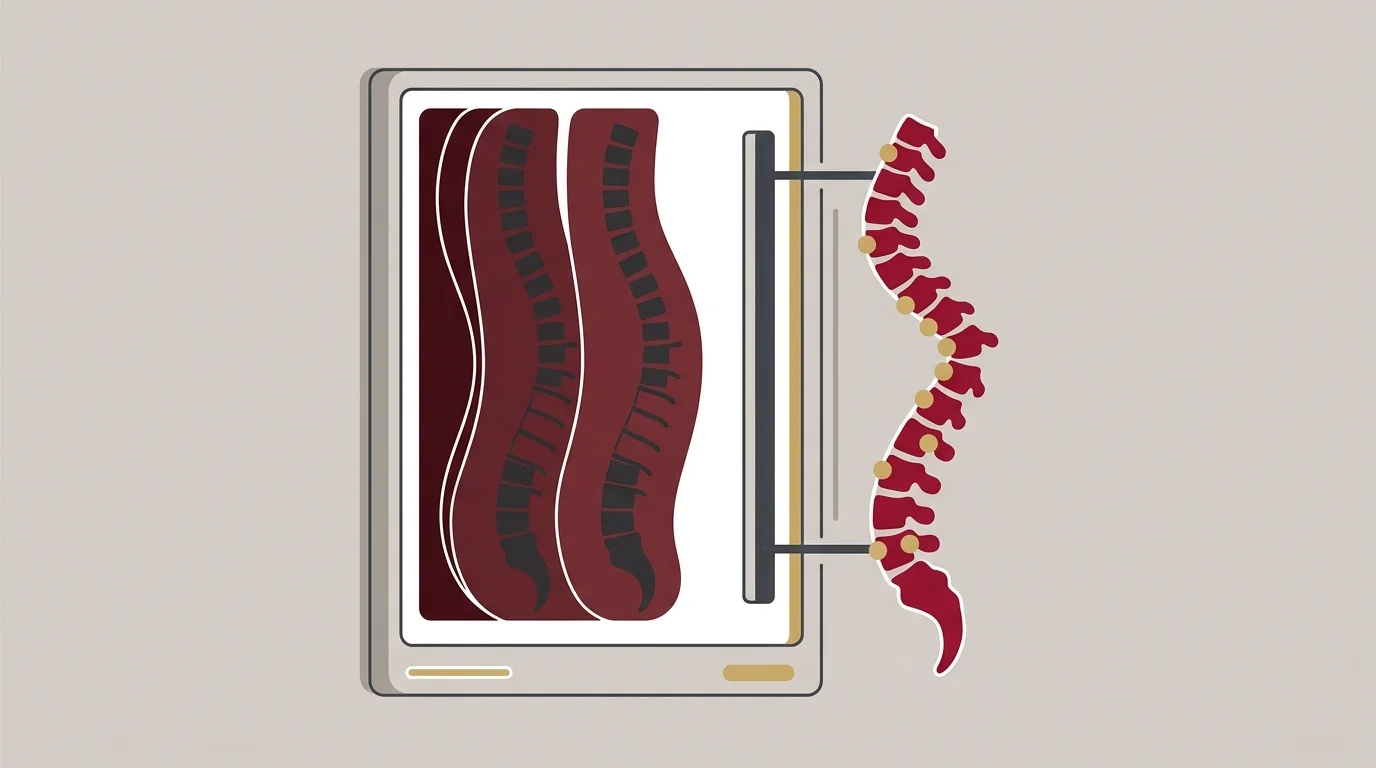
The assembly-line protocol is the broken default: run the same technique on every presenting condition and call it proven. But no protocol is proven for every patient. No two spines carry the same history, so no single script can read them all.
So a chiropractic adjustment isn't a one-size-fits-all solution, because the mechanics underneath two similar complaints rarely match.
That's why a personalized chiropractic plan works as a strategic roadmap, built around a patient's specific health concerns and not just the symptom that walked through the door. It's not about what we're doing TO you — it's what we're doing FOR you. And that's the thinking behind building personalized chiropractic plans in Morton, where the plan follows the findings instead of a script.
The Problem With One-Size-Fits-All Adjustment Protocols
A fixed protocol treats the spine like a part number off a shelf. Order the same adjustment for every neck complaint, and plenty of those necks get the wrong fit.
That mismatch has a cost. Stretching a plan out to justify a package, or leaning on worst-case warnings to keep a patient coming back, isn't treatment. It's a workaround for skipping the exam. Scare tactics and prolonged treatment plans are ethically indefensible.
Skip that foundation, and the protocol is just guessing. Technique selection without exam findings isn't personalized care — it's a script with the patient's name typed on top. And the role of chiropractor experience in care planning is part of what keeps that script from ever becoming the plan.
What a History Actually Changes About the Exam
History comes first, before a single hand touches the spine, and that order is deliberate. Guessing at the cause of a complaint just burns time the exam can't spare.
A history surfaces old injuries, prior surgeries, and symptom patterns the physical exam alone would miss. That same discipline shows up across the profession, not just in one office. According to a 2015 study by Puhl, Reinhart and Injeyan in The Journal of the Canadian Chiropractic Association, almost all surveyed chiropractors (95.1%) reported performing differential diagnosis procedures with their new patients, most commonly orthopaedic testing, palpation, history taking, range of motion testing and neurological examination.
So skipping the history because someone "just sits at a desk" gets it backwards. A sedentary routine reshapes spinal mechanics long before pain shows up, which is exactly why spinal care plans built around desk posture start with the same history-first approach.
| Diagnostic Step | What It Captures | Why the Plan Depends On It |
|---|---|---|
| Patient History | Past injuries, chronic conditions, prior surgeries, and symptom patterns tied to the spine | It points the exam toward the right tests and rules out causes the exam alone would miss |
| Orthopedic and Neurological Testing | Nerve irritation, muscle imbalance, and restricted or excessive joint motion | It narrows the adjustment down to a specific spinal level instead of a general region |
| Palpation | Which vertebrae move poorly and which move too freely under hands-on contact | It sets the direction and amount of force a chiropractic adjustment actually needs |
How Hands-On and Instrument Tests Map a Moving Spine
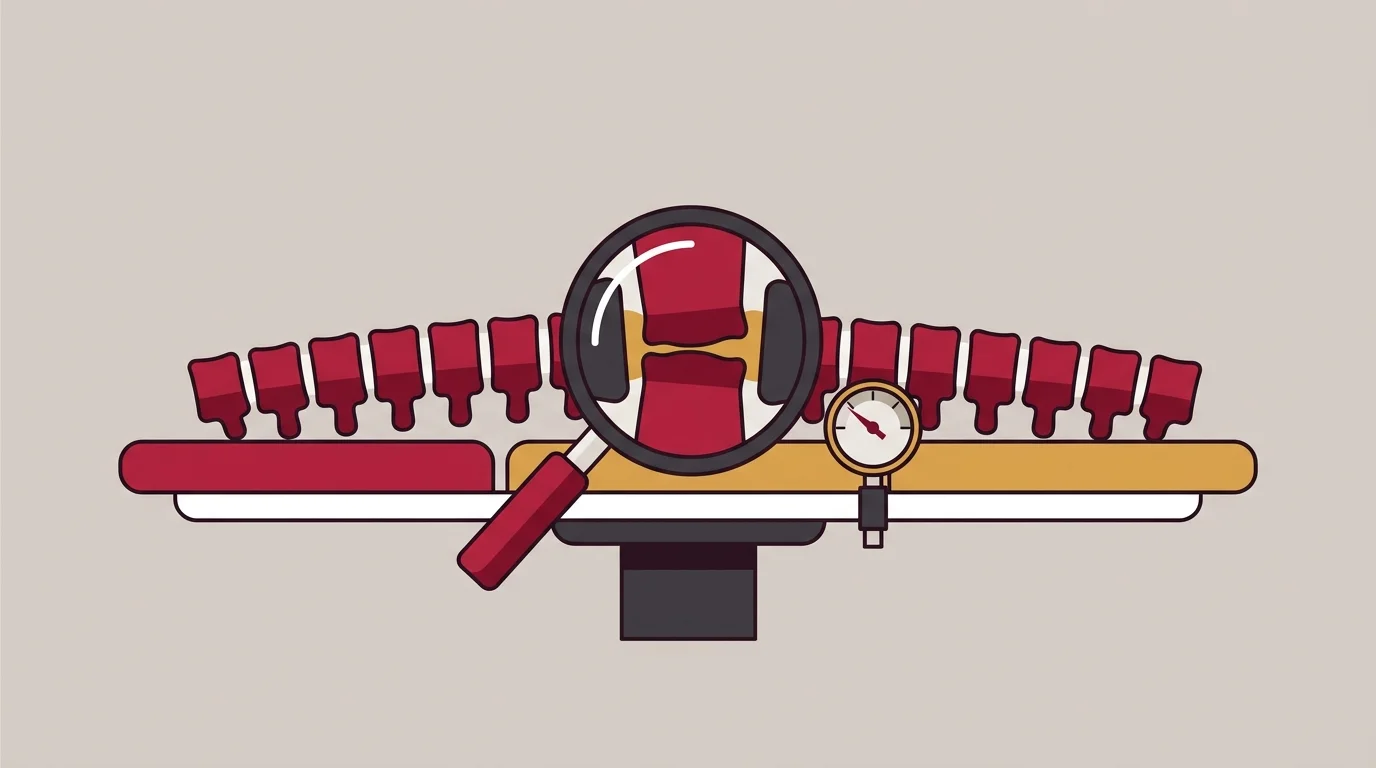
Once the history's done, the hands come in. The chiropractor moves each spinal segment through its range and feels for exactly where it catches, locks, or slides too freely.
That hands-on step is called motion palpation. It's paired with orthopedic and neurological testing to confirm what the history already hinted at. Care built around the nervous system starts from those findings, not a guess.
Where Motion Palpation Breaks Down
But motion palpation isn't perfect, and pretending it is would be dishonest. A 2003 review by Najm et al. in BMC Complementary and Alternative Medicine reported poor sensitivity for range-of-motion palpation tests, regardless of how experienced the examiner was.
That limitation doesn't make palpation useless. It means no single test gets to stand alone, and a finding that shows up across history, palpation, and orthopedic testing is the one worth building a plan on. If that's the part that matters most, there's more on nervous system focused chiropractic treatment.
Matching the Adjustment Technique to the Finding

Chiropractic has a consensus problem of its own. The industry default sells itself as a generalist family guide: one practice promising care for newborn spines, senior spines and every condition in between.
That framing treats the spine as generic across a whole lifetime. It isn't. The exam findings decide the technique, segment by segment and patient by patient.
| Exam Finding | Technique Direction | Plan Element Affected |
|---|---|---|
| Segment locks with restricted motion, minimal irritation on orthopedic testing | Higher-velocity adjustment at the single restricted segment | Frequency set higher early, tapering as motion returns at review dates |
| Excessive motion or instability at a segment, confirmed across history and palpation | Gentler, low-force technique applied across a broader supporting region | Intensity held lower, with re-evaluation dates set closer together to track the response |
| No clear restriction or instability found across history, palpation, and orthopedic testing together | No adjustment applied at that level until a finding supports one | Plan notes the segment as monitored rather than treated, pending a new finding |
Turning Findings Into a Written Plan of Care
Every finding from the exam lands in a written plan, not a verbal promise.
From there, the plan names the segments involved, the technique chosen for each one, the expected length and intensity of care, the dates for re-evaluation, and how intensity will shift as the patient responds.
Setting the Review Dates That Keep a Plan Honest
A plan without review dates drifts. Those dates force the chiropractor to hold the original finding up against the actual response, then change the technique when the response isn't there.
Review dates keep a plan tied to evidence, not habit. A 2014 guideline by Bryans et al. in the Journal of Manipulative and Physiological Therapeutics used 41 randomized controlled trials with a low risk of bias to develop 11 treatment recommendations for neck pain. The finding is still the only thing that should move the technique, segment by segment, from the first adjustment to the last review date.
Frequently Asked Questions
Knowing how a plan gets built is one thing. Once you're the one on the table, the questions get specific. Here's what people actually want to know.
What specific tests determine which chiropractic technique is right for me?
History, orthopedic testing, neurological testing, range of motion testing, and motion palpation together point to a technique. No single test decides it alone.
How does my medical history influence the type of adjustment I receive?
Old injuries, prior surgeries and symptom patterns change which tests get run and which technique fits. A spine with a past fracture gets a different approach than one without.
Can a chiropractic plan change if symptoms change over time?
Yes, and it should. Re-evaluation dates exist specifically to compare the exam finding against your actual response and adjust the chiropractic adjustment chosen if the response isn't there.
Are X-rays always necessary before a chiropractor creates a treatment plan?
No. A plan is built from your history and a hands-on exam. If you already have X-rays or MRIs, bring them to your first visit so they can be reviewed with your exam findings.
What's the difference between a general adjustment and one tailored to a specific spine?
A general adjustment runs the same technique regardless of findings. A tailored one chooses force, segment, and angle based on what the exam showed for that spine specifically.
How does motion palpation testing work during a spinal exam?
By hand, the chiropractor moves each spinal segment through its range. It's a search for where a joint catches, locks or slides too freely. Orthopedic and neurological testing confirm that finding before it shapes the plan.
What This Means
Your spine carries a fingerprint nobody else shares. Age, old injuries, bone density and which segments move poorly all differ from one patient to the next.
So a protocol built for the average spine fits no real spine exactly. The diagnostic-first model exists because the exam findings, not the complaint, should decide the technique, segment by segment and adjustment by adjustment.
That's the standard to expect from any plan built around your spine. Anything less is a script with your name typed on top. If nobody's read your spine's fingerprint yet, talk it through with us.