
A tailored chiropractic exam differs from a quick checkup in both depth and purpose. A tailored exam is a full diagnostic process that includes a detailed health history, a physical examination, orthopedic and neurological testing, and movement assessment, all aimed at finding the underlying cause of a patient's symptoms. A quick checkup, by contrast, usually involves a brief spinal check and an adjustment, without the diagnostic steps needed to confirm what is actually generating the pain or dysfunction. The health history gathers information about onset, prior injuries, lifestyle factors, and existing conditions, since this context shapes which physical tests are appropriate. Orthopedic and neurological testing then isolates the structures involved, checking reflexes, strength, sensation, and joint function to rule out conditions that a surface-level check would miss. Range of motion and movement assessment reveal compensation patterns that connect a symptom in one area to a mechanical problem elsewhere. The information gathered across these steps becomes the foundation for a treatment plan built around one person's specific findings, rather than a generalized response to a reported symptom. A quick checkup skips most or all of these steps, which limits the information available for building an accurate, individualized plan of care.
What a Tailored Chiropractic Exam Actually Measures
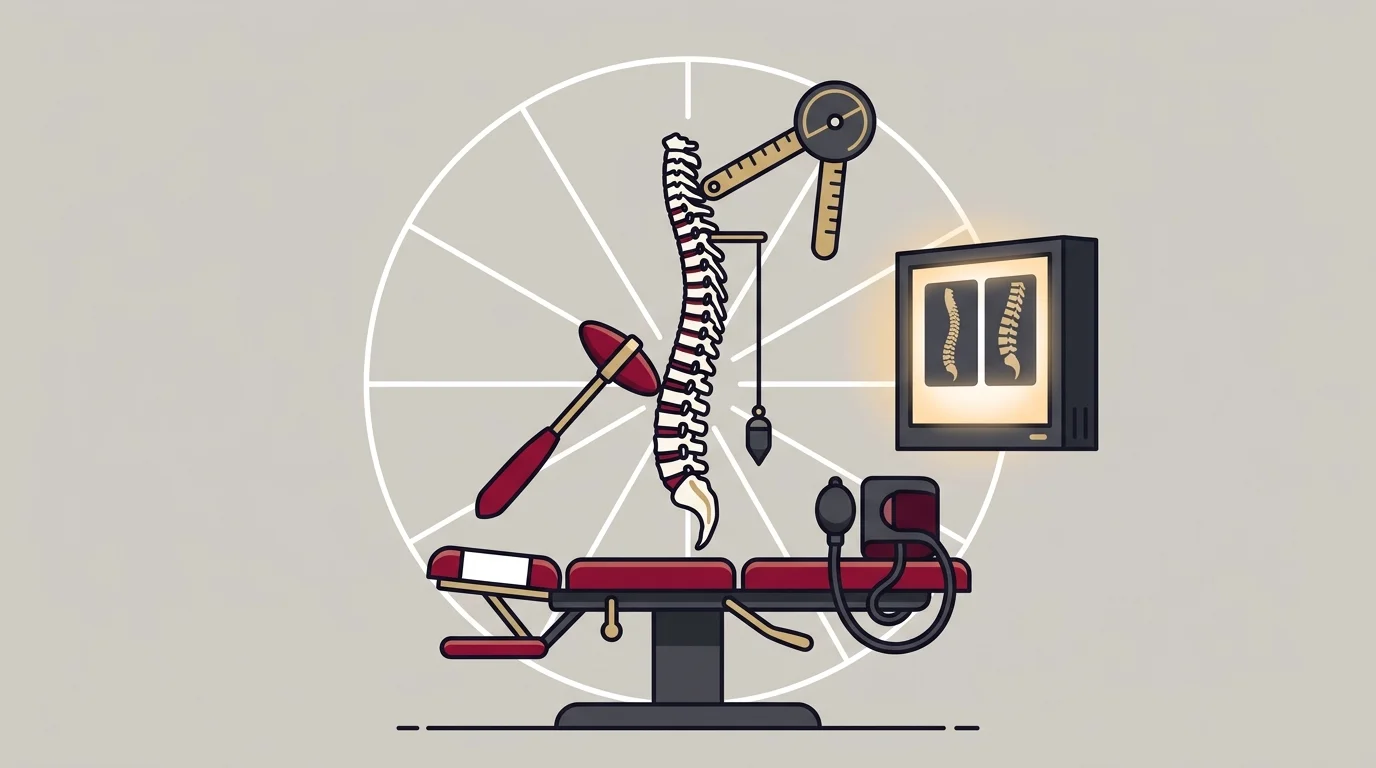
Think of a tailored chiropractic exam as a blueprint drafted before anyone pours a foundation. Every measurement, test, and question is there for one reason: to shape the plan that comes next.
A quick checkup skips the blueprint and swings the hammer anyway. Not all chiropractic visits are created equal, and the gap between a quick checkup and a comprehensive, tailored examination shows up in exactly what gets measured.
| Exam Element | Quick Checkup | Tailored Diagnostic Exam |
|---|---|---|
| Health History | A quick verbal check for the current complaint, with little context gathered beyond what hurts today | A detailed intake covering onset, prior injuries, lifestyle factors, and existing conditions that shapes which tests come next |
| Physical Testing | A brief spinal check focused on locating the tender or restricted area | Orthopedic and neurological testing that checks reflexes, strength, sensation, and joint function to isolate the structures involved |
| Movement Assessment | Rarely performed, since the visit moves straight to the adjustment | Range of motion testing that reveals compensation patterns connecting a symptom in one area to a mechanical problem elsewhere |
| Existing Records | Rarely asked for | X-rays or MRIs the patient already has, brought to the first visit |
| Resulting Plan | A generalized response built around the reported symptom alone | A personalized care plan built around that individual's specific findings, not some catch-all protocol |
The Core Components of a Diagnostic Exam
Here's what matters: a diagnostic exam measures function, not just location. Reflexes, strength, sensation, and joint motion all get checked against what a healthy pattern should look like.
That measurement process is a diagnostic deep-dive designed to understand the root cause of a patient's symptoms, not just temporarily ease them. Those findings carry forward into how a chiropractic plan gets built around one person.
What Separates a Checkup From a Diagnostic Workup
A checkup measures almost nothing. A hands-on spinal check tells a practitioner where something feels off, but it does not tell her why that spot is reacting in the first place.
So a diagnostic workup goes after the mechanism behind the symptom. That's the whole reason a tailored plan can target a cause, while a quick checkup can only chase wherever the pain happened to show up.
Why the Assembly-Line Checkup Falls Short
A chiropractor's job is not to run the same proven protocol on every presenting condition. No protocol is proven for every patient, because the mechanism behind back pain in one person rarely matches the mechanism behind back pain in the next.
The Problem With a One-Protocol Approach
A one-protocol approach treats the spine as a single recurring problem instead of a unique mechanical puzzle. Many people have come to expect a brief, adjustment-focused visit, but this overlooks the most critical part of the process: an accurate diagnosis. Skipping that step is the industry's default shortcut, not an exception to it.
Why Skipping Diagnostics Misses the Underlying Cause
Skipping diagnostics doesn't just slow progress. It leaves the plan without a foundation. Reviewing cost considerations for personalized versus routine care shows why that upfront diagnostic work matters to what a patient is paying for.
The Mechanism Behind a Rushed Diagnosis
Here's where a rushed diagnosis falls apart: at the exact moment measurement should happen and doesn't. Skip the history and the orthopedic and neurological testing, and nothing isolates which structure is really driving the symptom. So the Chiropractic adjustment that follows gets aimed at a guess, not a confirmed mechanism.
How Unexplained Symptoms Get Written Off
Unexplained does not mean untreatable. A symptom that resists a quick checkup usually means the checkup never measured the right thing, not that the mechanism is a mystery. Writing off an unexplained symptom is what happens when diagnostic steps get treated as optional. Weighing routine care against individualized plans shows how that gap in measurement changes what a plan can actually target.
How Patient History Shapes Diagnostic Accuracy
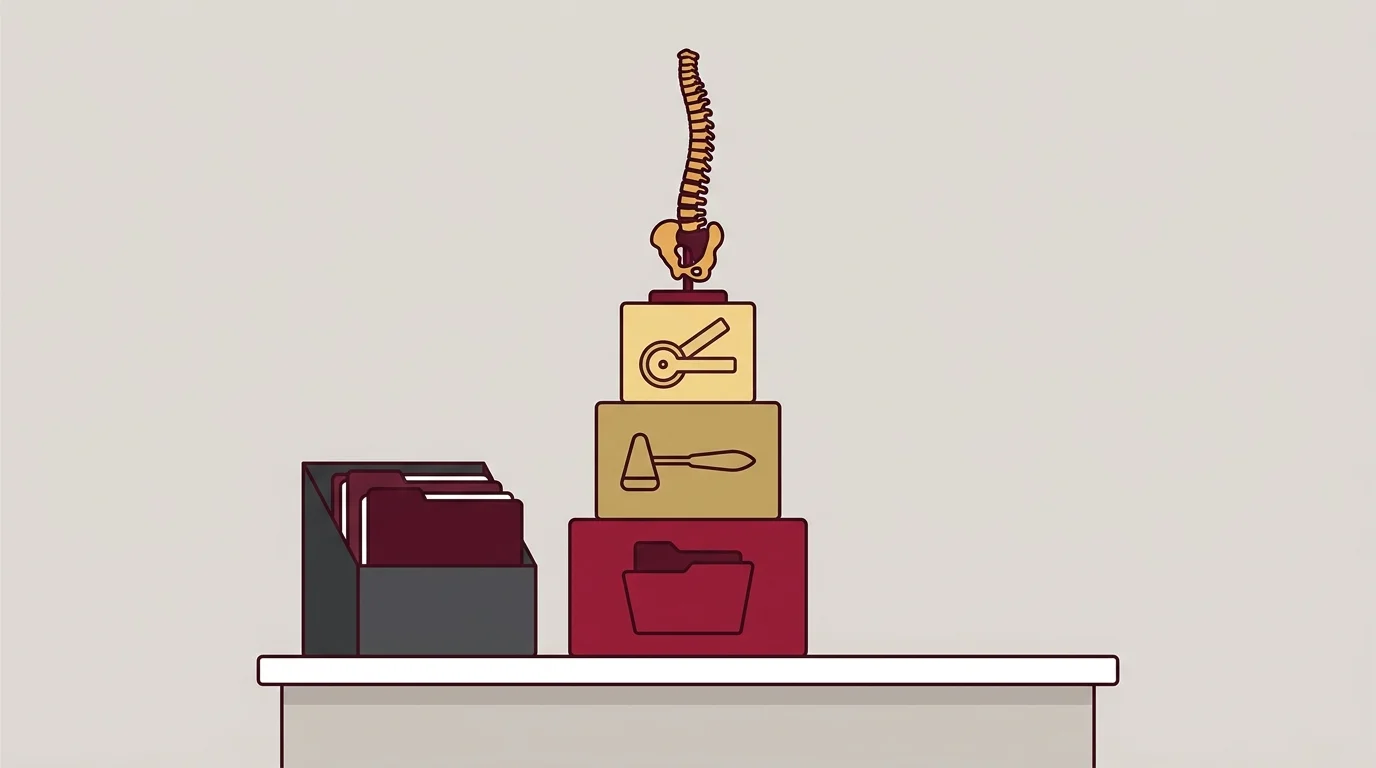
Patient history is not paperwork. It is the first diagnostic test, and it determines which physical tests even make sense to run next.
Building the Diagnostic Picture Before Any Hands-On Exam
Onset, prior injury, lifestyle, and existing conditions all narrow the field before a single orthopedic test gets performed. Skipping that conversation means guessing at structures to test instead of targeting them.
If you already have X-rays or MRIs, bring them to your first visit. A clinic offering chiropractic treatment for chronic pain builds its physical exam on that kind of history-driven targeting.
Orthopedic and Neurological Testing as Structural Checkpoints
Orthopedic and neurological testing confirms or rules out what the history pointed toward. Reflex, strength, and sensation checks turn a hunch into a finding. That finding is something a plan can actually be built on.
What the Research Says About Diagnostic Agreement
Orthopedic and neurological findings are not the only way to check diagnostic accuracy. Researchers have compared chiropractors directly against neurosurgeons evaluating the same low back pain patients. A 2025 study by Mathieu et al. (Scientific Reports) found 74.7% overall diagnostic agreement between chiropractors and neurosurgeons, with moderate inter-rater agreement. That's what two different specialties produce when both measure structure and function rather than reacting to a symptom.
From Findings to a Built Treatment Plan
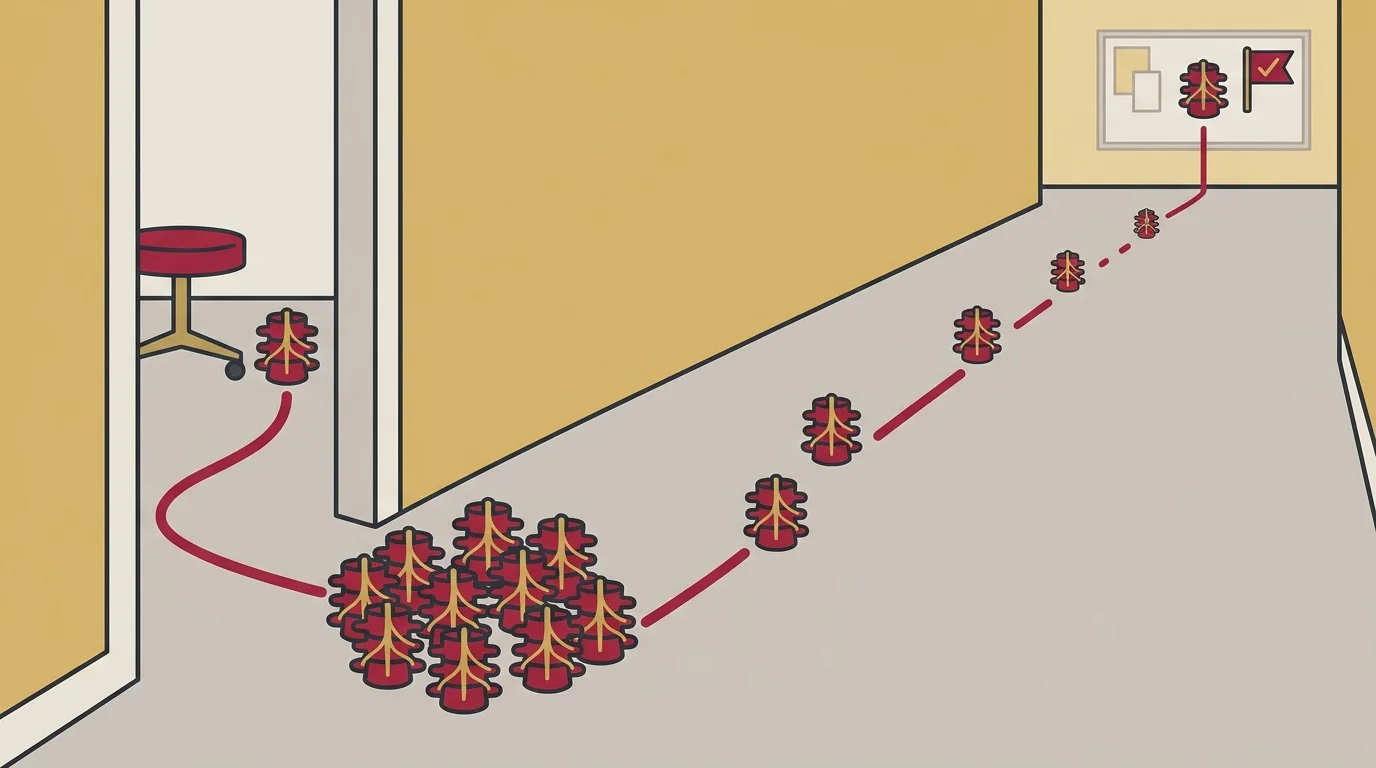
The exam findings do not sit in a file. They become the blueprint's first draft, translated into a sequence of visits built around what was actually measured.
Translating Exam Findings Into a Care Sequence
Chiropractic care is not one generalist service applied to every patient from newborn to senior. It is specialized nervous system and spinal care, and that specialization is what turns a diagnostic finding into a specific visit sequence rather than a generic adjustment schedule. A plan built this way targets the mechanism the exam confirmed.
What a Documented Course of Care Looks Like Over Time
The American Chiropractic Association notes that a typical therapeutic trial of chiropractic care consists of 6 to 12 visits over two to four weeks. That kind of window works best when each visit checks progress against the mechanism the exam found, not against a generic symptom timeline.
Frequently Asked Questions
The blueprint analogy answers the big picture question. These are the mechanical ones that still need direct answers.
How long should a proper chiropractic first exam take?
Plan for about 45 to 60 minutes: a consultation, then a hands-on evaluation, then a report of findings that covers what was found, how the practice can help, and the cost. The first chiropractic adjustment usually happens that same visit, unless something needs a referral out first.
Why can't a chiropractor tell what's wrong just by feeling my spine?
Touch alone finds where something feels off, not why it's reacting that way. Reflex, strength, sensation, and movement testing are what isolate the actual mechanism behind the spot.
Are X-rays always necessary for a chiropractic exam?
No. If you already have X-rays or MRIs, bring them to your first visit.
What happens if the exam reveals a problem chiropractic care can't address?
A thorough exam is built to catch exactly that. Findings outside chiropractic scope get identified and referred out, which only happens when the diagnostic workup was rigorous enough to see the problem in the first place.
How does a detailed exam change the type of adjustments I will receive?
A detailed exam identifies which structures and movement patterns are actually involved, so the adjustment sequence targets that specific mechanism. A plan built this way is not some catch-all protocol applied to whatever symptom walked in the door.
Is a quick pop and crack adjustment ever enough?
A pop and crack can ease a symptom for a day. It does nothing to confirm what's actually generating the symptom, which is why the same pain tends to come back.
What specific tests are part of a thorough chiropractic evaluation?
It starts with a detailed patient history and a range of motion and movement assessment. Then come orthopedic and neurological tests of reflexes, strength, and sensation.
Where This Leaves the Patient
A blueprint gets drafted before a single wall goes up. A tailored chiropractic exam works the same way. It measures the mechanism behind a symptom before anyone writes an adjustment plan.
A quick checkup skips the site survey and swings the hammer anyway. Sure, it might ease a symptom for a day. But the mechanism stays untouched, and that's why the same pain so often finds its way back.
Real care starts with real measurement, not a guess dressed up as a diagnosis. Any plan that claims to target what's actually wrong has to earn that confidence in the exam first. If that's the standard you want, book a tailored exam at Touch Of Wellness Chiropractic.