
A chiropractor should update an active treatment plan when progress stops. Common triggers include stalled objective measures, new or changed symptoms, and shifting pain patterns. A scheduled progress exam showing no measurable gains is another clear trigger. A chiropractic care plan is not a fixed prescription issued once and followed without question. It is a working document built from an initial evaluation. That document is expected to change as the body responds to chiropractic adjustment, exercise, or other care. Lack of progress is a signal, not a verdict on the patient. Progress is tracked across subjective symptoms, objective clinical findings, and functional status. When these fail to improve over a defined period, the appropriate response is reassessment. Repeating a plan that is no longer working is not the standard response. Reassessment can lead to three outcomes. The plan may continue because it is still producing change. The plan may be altered in frequency or technique. The patient may be referred elsewhere because the current approach has reached its limit. A re-examination, sometimes called a progress exam, is the formal mechanism for this review. It compares current findings against the baseline set at the first visit. It then determines whether care continues as designed or shifts toward a different focus. It may also mark a transition from active correction to a maintenance schedule. New symptoms, a pain level that stops dropping, or a reached functional milestone are standard triggers for an update. None of these signals mean the original plan failed outright. They mean the plan is doing what a responsive plan should do: changing when the evidence changes.
What Counts as a Working Chiropractic Plan in the First Place
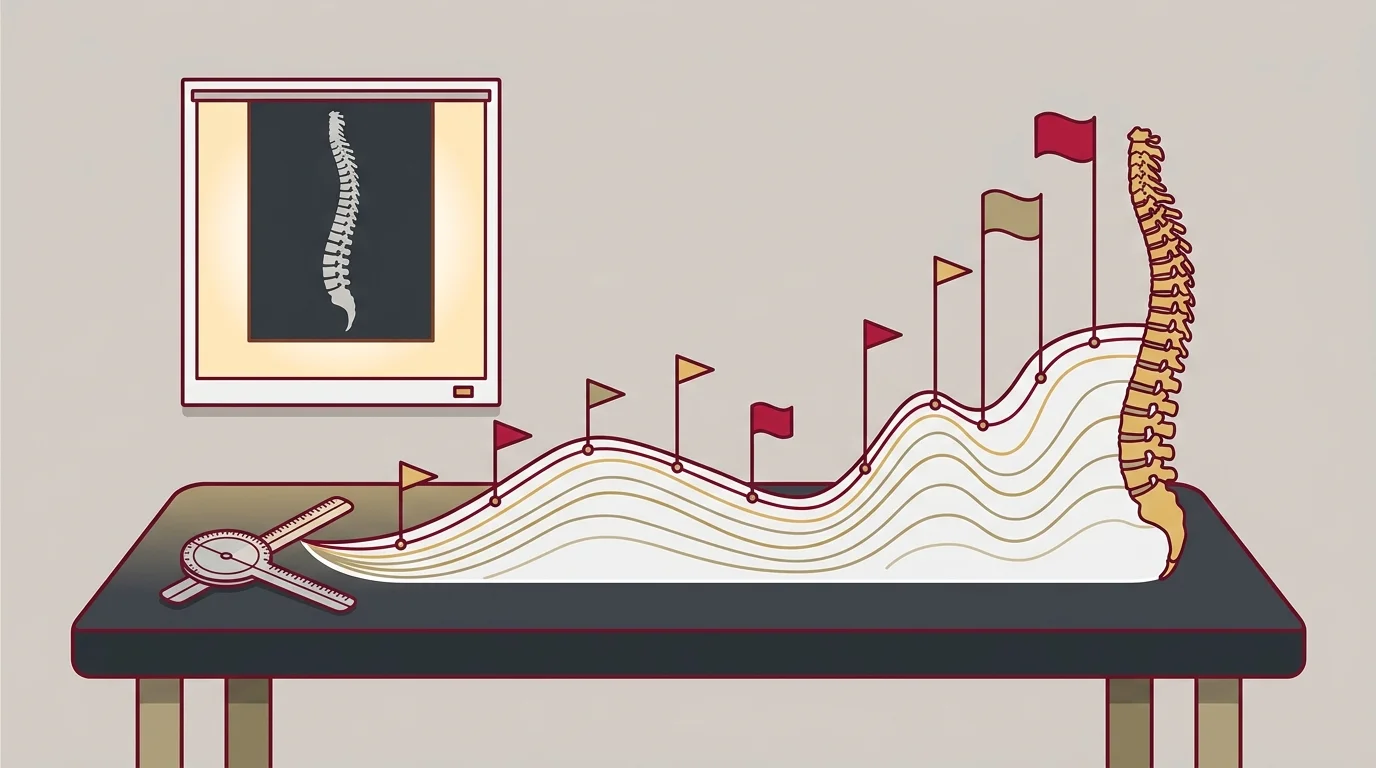
So what counts as "working"? A chiropractic care plan isn't a static prescription. It's a dynamic roadmap, one that's supposed to read the road as it goes rather than follow a fixed route printed once and never revisited.
But a roadmap only earns trust when someone checks it against the terrain. That's the job of a progress exam, or re-examination, which measures objective change and confirms the treatment still deserves its place in the plan. That check sits at the heart of how personalized care plans come together, and it's the clearest answer to what a working plan even is.
The Measurements That Decide
So what gets measured? Objective findings matter, but patient-reported goals matter too. As a 2019 study by Herman et al. in the Journal of Alternative and Complementary Medicine reports, just under one-third of 1,614 patients getting ongoing chiropractic care for chronic low-back or neck pain named having their pain go away permanently as a treatment goal. That split means a working plan tracks more than one target.
Look, chiropractors don't make these measurements up as they go. A 2008 review by Khorsan et al. in the Journal of Manipulative and Physiological Therapeutics found that the most common patient-based outcome tools in chiropractic research were the Oswestry Pain/Disability Index, the Visual Analog Scale and the Short Form 36, from 1,166 citations identified. Those scores turn how to discuss plan changes with a chiropractor into a real conversation the moment a number stalls.
| Measurement Type | What It Tracks | Example Tool |
|---|---|---|
| Subjective Measures | What the patient reports feeling, including pain levels and daily function | Visual Analog Scale |
| Functional Status | Whether a patient can perform specific movements or tasks that were limited before care began | Range-of-motion and functional capacity testing |
| Objective Clinical Findings | Measurable clinical signs a chiropractor documents directly, independent of what the patient describes | Orthopedic and neurological exam findings |
| Disability Index Scoring | How much a condition interferes with everyday activities like lifting, sitting, or sleeping | Oswestry Pain Disability Index |
| General Health Status | Broader quality-of-life and health perception changes alongside the primary complaint | Short Form 36 |
The Habit of Running the Same Plan on Repeat
Look at how a lot of plans actually run. A patient gets a protocol on visit one, and that protocol keeps going largely unchanged for months, regardless of what the body is reporting back.
That habit treats the plan as the point instead of the outcome. No protocol is proven for every patient, because bodies don't respond to a fixed script the same way twice — the same approach that resolves one case can stall completely in another.
Why Time-Based Re-Checks Replace Outcome-Based Ones
A calendar-based re-check asks whether enough time has passed. An outcome-based re-check asks whether the plan is still producing change, which is a different question entirely. When pain, exam findings and daily function stop improving, the plan gets rechecked and then changed or referred out.
So a plan that stops clearing the improvement bar gets reassessed, altered, or referred out, not repeated just because thirty days went by. The re-examination is where that reassessment actually happens, and this step-by-step look at a progress re-check visit walks through it.
How a Stalled Plan Actually Costs Ground
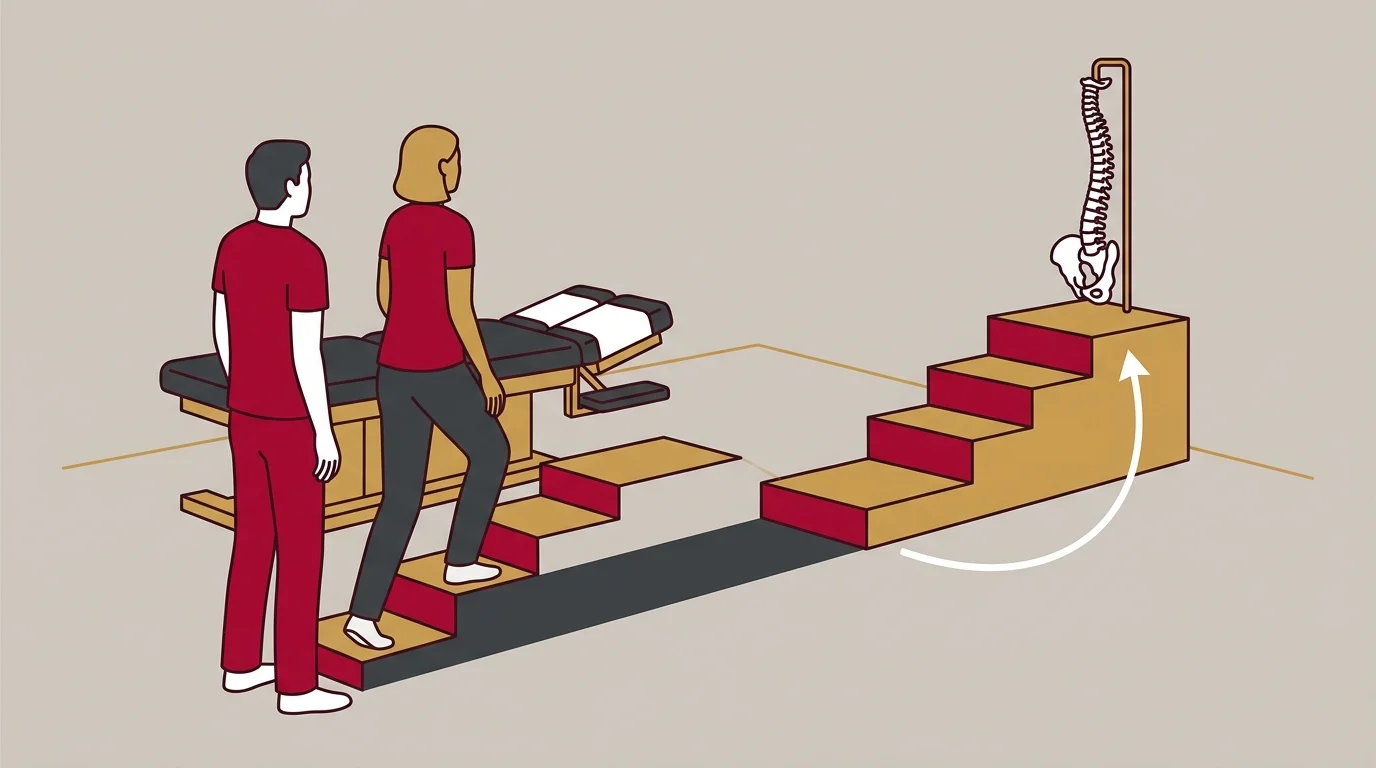
A stalled plan doesn't just sit still. It keeps billing for a result it stopped producing, which is a different thing than care.
That gap is where cost actually lives. Not in the visit itself, but in the time spent on a protocol that already proved it has nothing left to give.
Here's the system-level problem: a plan that never gets re-measured can't tell active correction from maintenance. Maintenance care has its own definition for a reason.
As a 2019 review by Axén, Hestbæk and Leboeuf-Yde in Chiropractic & Manual Therapies reports, maintenance care was defined as a secondary or tertiary preventive approach, recommended to patients with previous pain episodes who respond well to chiropractic care.
That matters because maintenance is meant for a patient who already responded well and is past the acute problem, not one still waiting for the plan to catch up. Running maintenance-style repetition under an active-care label is drift, and what chiropractic treatment involves should prevent it.
Reading the Signals a Plan Has Stopped Working
Not every signal that a plan needs updating comes from a chart. Some of it shows up as a new ache, a symptom that was not there on visit one, or a pain pattern that will not resolve no matter how many sessions pass.
An unexplained symptom does not mean there is nothing left to try. That assumption treats a gap in understanding as a dead end, when it is really just a prompt for a closer look. A system that stops investigating the moment an answer is not obvious is a system built around convenience, not care.
When a New Symptom Enters the Picture
So what happens when a new symptom shows up mid-plan? It gets checked against the current findings, not brushed aside because it wasn't on the original intake form.
That evaluation might change the frequency of visits, shift the technique in use, or add a new focus area entirely. None of that means the plan failed. It means the plan is doing its job.
From Active Correction to Maintenance: A Different Kind of Plan
Look at what happens once a patient actually responds well and moves past the acute problem. The plan does not just keep running the same protocol out of habit.
That's the shift into maintenance, a different kind of plan built for a patient who already cleared the active-correction stage. Confusing the two keeps a plan running long after its purpose has changed.
What Changes When a Plan Gets Rewritten
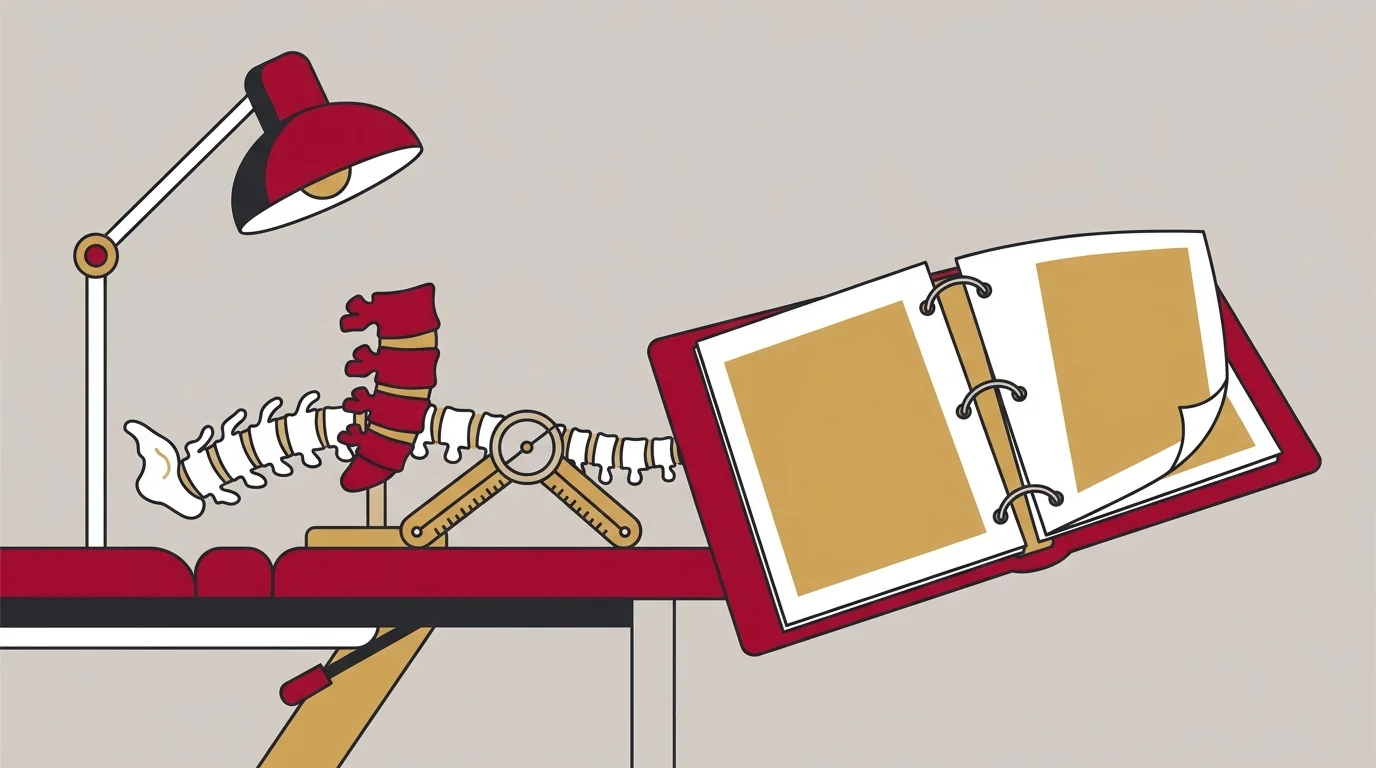
So what does an update actually look like once the evidence calls for one? It rarely means starting over. It means the frequency, the technique, or the focus shifts to match what the body is showing right now.
A patient dismissed because a symptom does not fit the expected pattern is not imagining what they feel. A system that only trusts textbook presentations stops measuring the cases that do not match the textbook, and that gap is a property of the system, not the patient.
| Visit Stage | What Gets Reviewed | Possible Plan Change |
|---|---|---|
| Initial Visit | Baseline symptoms, functional limits, and objective clinical findings before any care begins | None yet — this visit sets the standard every later exam gets measured against |
| Early Active Care | Subjective pain reports, early range-of-motion shifts, and whether the body is responding to chiropractic adjustment at all | Frequency or technique adjusted if early signals are flat or trending the wrong way |
| Progress Exam | Current findings compared against the original baseline across subjective, objective, and functional categories | Plan continues as designed, shifts focus or technique, or moves toward referral if the approach has reached its limit |
| New Symptom Check | A symptom or pain pattern that wasn't present at intake, evaluated against the existing care plan rather than dismissed | Added focus area, revised technique, or a short-term shift in visit frequency to address what's new |
| Transition to Maintenance | Whether the patient has cleared the active-correction stage and is responding well with no new complaints | Shift from frequent active care into a lower-frequency maintenance schedule built around staying ahead of old pain patterns |
The Re-Examination Visit, Step by Step
Every re-examination starts with a comparison to the baseline set on the first visit. Today's findings get measured against that starting point, not against a date on the calendar.
That comparison then makes the call: the plan continues as designed, shifts to a new focus, or moves from active correction into a maintenance schedule. And clear talk about what changed, and why, is what keeps that call tied to the patient's own goals.
Frequently Asked Questions
Once the roadmap idea clicks, a few practical questions always follow. Here are the ones people ask next.
How often should a chiropractor re-evaluate my treatment plan?
Plan on a re-exam at set points in your care, and sooner if pain stops dropping or a new symptom shows up.
What happens if my progress stalls or I hit a plateau?
A plateau means the current approach has reached its limit. That's the signal for a progress exam, not a reason to keep repeating the same visit.
Should I say something if I feel like my chiropractic treatment isn't working?
Yes, say it out loud. What you're feeling is the clearest input a chiropractor has for keeping your plan matched to your goals.
Can my treatment plan change if I develop a new pain or symptom?
Yes. A new symptom gets checked against your current findings, even if it wasn't on your intake form. That check can shift frequency, technique, or focus.
What is the difference between active care and maintenance care?
Active care works on a problem that's still responding to treatment. Maintenance care is for someone who already responded well and moved past the acute stage.
Does a change in my plan mean something is wrong?
No. A change means the plan is reading the road instead of ignoring it. That's the plan working as designed, not the plan failing.
Where This Leaves Your Plan
So here's where it all lands. A roadmap that drives right past its own detour sign isn't being careful, and it isn't neutral. It's broken, and calling it anything else is the real failure.
That means a plan still running unchanged after the body quit responding isn't a pause. It's a clinical failure wearing the costume of patience, and the evidence decides what comes next, not the calendar.
Look, nobody should have to guess which kind of plan they're on. Schedule a visit at Touch Of Wellness Chiropractic and find out whether your plan is still reading the road.
Results may vary.