
Spinal motion testing shapes a first visit plan by identifying exactly which spinal segments move normally and which ones do not, giving the exam a specific, objective basis rather than a generic starting point. During an initial evaluation, a chiropractor manually assesses the movement of individual spinal joints, checking each segment's range of motion against what is expected for that joint. This process, often called motion palpation, treats the spine as a series of individual hinges rather than one rigid column, and each hinge is evaluated on its own terms. The findings from this testing are then combined with the patient's reported symptoms, health history, and any additional orthopedic or neurological testing performed during the same visit. Together, this information allows a plan of care to be built around the specific segments found to be restricted or moving abnormally, rather than applying a standard sequence to every patient regardless of findings. A documented evaluation of the musculoskeletal and nervous system through physical examination is a standard part of this process, and findings such as asymmetry, misalignment, or abnormal range of motion are part of what such an exam is designed to detect. The site of reported pain is not always the same location where restricted motion is found, which is one reason the testing step precedes any decision about care. The plan that follows the exam reflects the specific segments identified during motion testing, the patient's history, and the results of any additional diagnostic testing performed, combined into an individualized strategy for that specific spine.
What Spinal Motion Testing Actually Measures
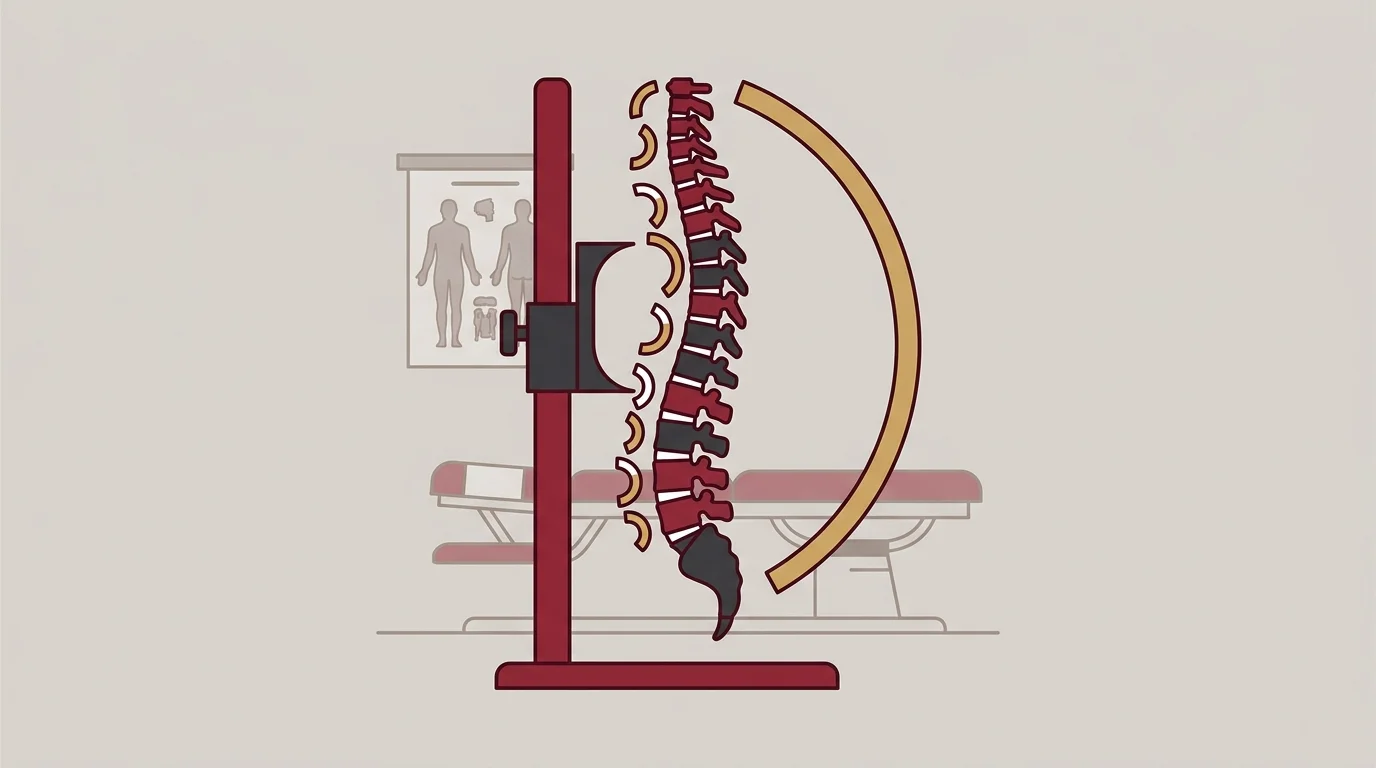
Spinal motion testing is a hands-on diagnostic process, not a quick look at someone's posture. It's a manual check of how each spinal joint moves, segment by segment, instead of a glance in the mirror or a general stretch test.
A first visit built around this kind of testing is primarily a data-gathering mission. The exam exists to produce specific findings, and those findings are what the rest of the plan gets built on, which is why how a chiropractic plan gets built around a patient starts here rather than with a generic protocol.
Segment-by-Segment Movement Versus Whole-Spine Flexibility
The goal isn't whether a person can touch their toes. That measures whole-spine flexibility, and it tells almost nothing about which individual segment is restricted.
Motion testing asks a sharper question. It isolates each hinge along the spine and checks how that one segment moves compared to the ones above and below it.
What a Manual Motion Assessment Looks Like in the Exam Room
Now, what does that look like in the exam room? A chiropractor works level by level, applying gentle, controlled movement to one joint at a time and feeling for where its motion ends.
A restricted segment feels different from one moving within its normal range. That difference, mapped hinge by hinge, is the raw data every other part of the exam gets measured against.
Why Assembly-Line Protocols Miss What Motion Testing Finds
A protocol-first approach treats every spine like it's the same spine. It runs one fixed sequence of chiropractic adjustments on everyone with a similar complaint, no matter what motion testing would have shown.
No protocol is proven for every patient. A routine built for a generic case can't know which hinges are actually stuck in the spine on the table.
| Approach | What Drives the Plan | How Motion Data Is Used |
|---|---|---|
| Assembly-line protocol | The patient's reported complaint category, matched to a fixed sequence built for that complaint | Largely absent; the same adjustment sequence is applied whether or not motion testing was performed |
| Motion-testing-based plan | Segment-level findings from the exam, combined with history and any orthopedic or neurological testing | Central; restricted or abnormally moving segments identified during testing determine which levels are addressed and how |
| Symptom-only approach | The location of reported pain alone, without assessing individual segments above or below it | Minimal; pain location substitutes for segment-level data, even though the two do not always align |
The Protocol-First Approach That Skips the Data
Skip motion testing and you skip the step that finds the restricted segment at all. So the protocol gets picked before there's any data to back it up.
That's exactly the gap the purpose of a pre-adjustment functional exam is built to close. Without it, a plan of care isn't built. It's just handed out.
Where a Fixed Protocol Breaks Down on a Real Spine
Picture two patients with the same complaint but restriction at different levels. That's where a fixed protocol falls apart, because one sequence can't address both.
Medicare's documentation checklist follows the same logic. The CMS chiropractic documentation checklist says a subluxation shown by physical exam needs at least 2 of 4 PART findings, and 1 of them must be asymmetry/misalignment or an abnormal range of motion.
How Motion Findings Connect to the Symptoms You Feel
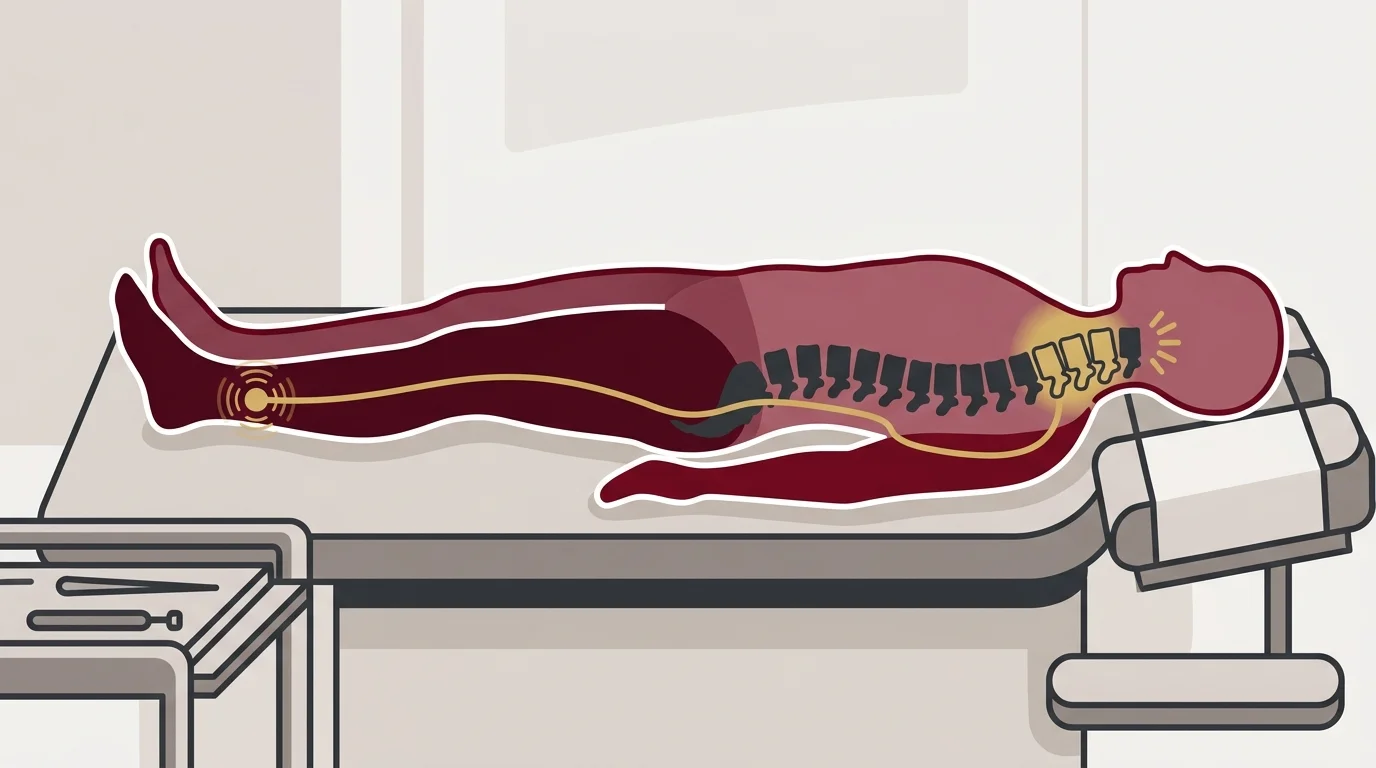
A restricted segment does not always announce itself at the segment itself. Motion findings and symptom location frequently sit at different points along the spine entirely.
Unexplained does not mean untreatable. It usually means the search hasn't reached the right segment yet.
The Site of Pain Versus the Source of Dysfunction
Many patients are surprised to learn that the site of their pain isn't always the source of the dysfunction. A restriction at one level can refer sensation to a joint above or below it.
This is why how adjustment selection works for individual spines depends on where motion testing finds restriction, not just where the patient points.
What the Research Says About Chiropractic Adjustment
A 2025 review by Basques et al. in JBJS Reviews found that evidence supports chiropractic adjustment as a conservative option for acute, subacute, and chronic low back pain, especially when used as part of multimodal care. That's why the motion findings matter: they show where along the spine that care should be aimed.
Reading the Full Examination Picture Beyond the Spine Itself
Motion testing tells you which hinges are stuck. But it never decides a plan of care on its own.
Orthopedic and Neurological Tests That Complete the Picture
Orthopedic and neurological tests bring a different kind of data to the table. They check nerve function, reflexes and specific movement patterns that motion testing can't see, so they finish the picture restriction findings start. That fuller picture is what chiropractic treatment for chronic pain gets built around, not motion findings standing alone.
History Intake as the Filter for What Gets Tested
History intake comes first, and that's on purpose. What a patient reports, and how long the complaint has hung around, tells the exam which segments and which tests deserve the closest look.
At a first visit to Touch of Wellness Chiropractic, the history comes during a consultation, and the motion testing and other checks happen during a hands-on evaluation. A report of findings follows, covering what was found, how the practice can help, and the cost. Plan for about 45 to 60 minutes.
From Exam Findings to a Documented Plan of Care
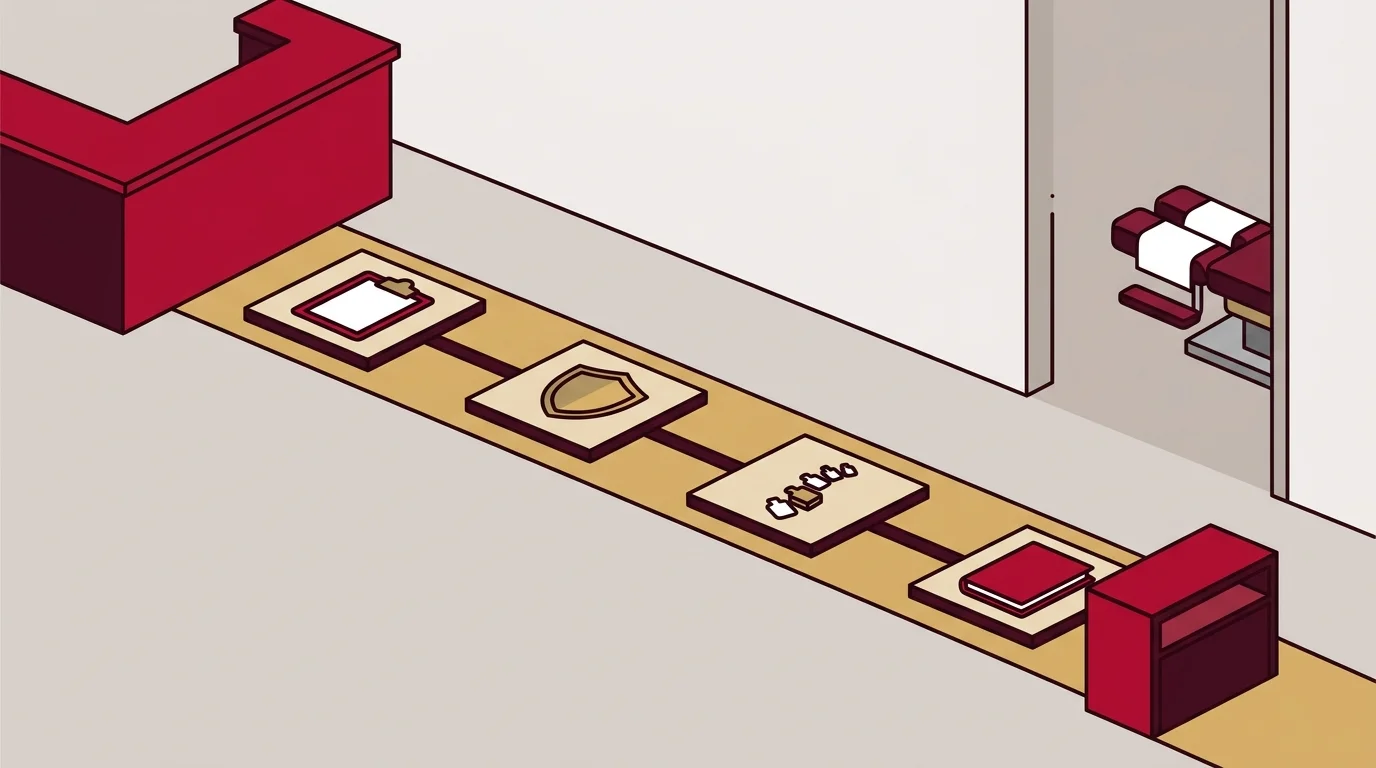
Motion findings don't turn into a plan by themselves. First they're written down and cross-checked against the history and every other exam result.
| Step | What Happens | Why It Matters |
|---|---|---|
| Motion Testing | Each spinal segment is manually assessed for range of motion and compared against expected movement for that joint. | Identifies specifically which segments are restricted, rather than relying on a general impression of the spine. |
| History and Symptom Correlation | Reported symptoms, duration, and health history are cross-checked against motion findings. | Restriction and pain location do not always match, so this step confirms which segments deserve the closest attention. |
| Orthopedic and Neurological Testing | Nerve function, reflexes, and specific movement patterns are checked alongside motion findings. | Rounds out the picture with data that motion testing alone cannot reveal. |
| Documented Plan of Care | Restricted segments, exam findings, and history are combined into a written strategy for that specific spine. | Keeps the plan traceable from exam finding to care decision, rather than assigned from a generic sequence. |
Building the Plan of Care Around Documented Findings
A documented plan reflects restricted segments, exam findings, and history together, not motion findings in isolation. A plan built this way treats each spine's specific hinges as the evidence, and documentation is how that evidence stays traceable from exam to care.
Frequently Asked Questions
A few questions come up often once the exam process itself becomes the focus. Here are direct answers to the ones patients ask most.
Does spinal motion testing hurt?
No. The assessment uses gentle, controlled movement at each segment, not force. Discomfort, if any, is minor and brief.
What specific problems can a motion test uncover?
It finds restricted segments, asymmetry and abnormal range of motion at specific spinal levels. It also shows when the stuck hinge sits away from where the pain shows up.
How long does a typical first-visit examination take?
Plan for about 45 to 60 minutes: a consultation, then a hands-on evaluation, then a report of findings that covers what was found, how the practice can help, and the cost. The first chiropractic adjustment usually happens that same visit, unless something needs a referral out first.
Will I get an adjustment on the very first visit after the testing?
Yes, in most cases. The first chiropractic adjustment usually happens that same visit, unless something needs a referral out first.
What happens if the motion test doesn't show a clear problem?
Not every segment gives a clear answer on every visit, and that's not a dead end. History and additional testing tell the exam where to look next.
Is motion testing the only diagnostic tool a chiropractor uses?
No. Motion testing finds restricted segments. Orthopedic and neurological tests check nerve function and specific movement patterns on their own.
How does my medical history influence what you look for in the exam?
History narrows which segments and which tests deserve the closest look. It points the exam in the right direction before motion testing even starts.
What This Means
Your spine isn't one rigid column. It's a stack of individual hinges, and a plan of care worth defending has to know which hinges move right and which ones don't.
That map only comes from objective motion data. A fixed protocol picked before anyone checks can't draw it, but restriction location, history and the rest of the exam together can turn an exam into a plan you can trust.
So a first visit built this way treats the exam as the evidence, not a formality before a preset run of chiropractic adjustments. If that's how you think a plan should be built, talk it through with us.
Results may vary.