
A chiropractic consultation for numb, burning feet starts with a detailed history and a neurological examination. The goal is to trace symptoms back toward their source rather than treat the feet in isolation. The visit typically reviews when the numbness or burning began, how it behaves, and what triggers it. Sensory testing, reflex testing, and gait and balance assessment follow. Peripheral neuropathy is a term describing a range of conditions that damage nerves outside of the brain and spinal cord. The nerves carrying sensation from the feet originate along the spine, and they can be affected at multiple points along that pathway. For that reason, the examination also assesses spinal alignment and nerve pathway function. Patients are typically asked about medical history, medication use, blood sugar patterns, and any prior diagnoses, since these factors can influence nerve function. Bringing any X-rays or MRIs already on hand adds to that picture. Referral for further testing may be recommended when findings suggest a cause outside the scope of chiropractic care. The visit then ends with a report of findings: what was found, how care can help, and what it will cost. The whole first visit typically takes about 45 to 60 minutes. When the findings support chiropractic care, the first chiropractic adjustment usually happens that same visit, unless something needs a referral out first.
What Peripheral Neuropathy Actually Means Before You Walk In
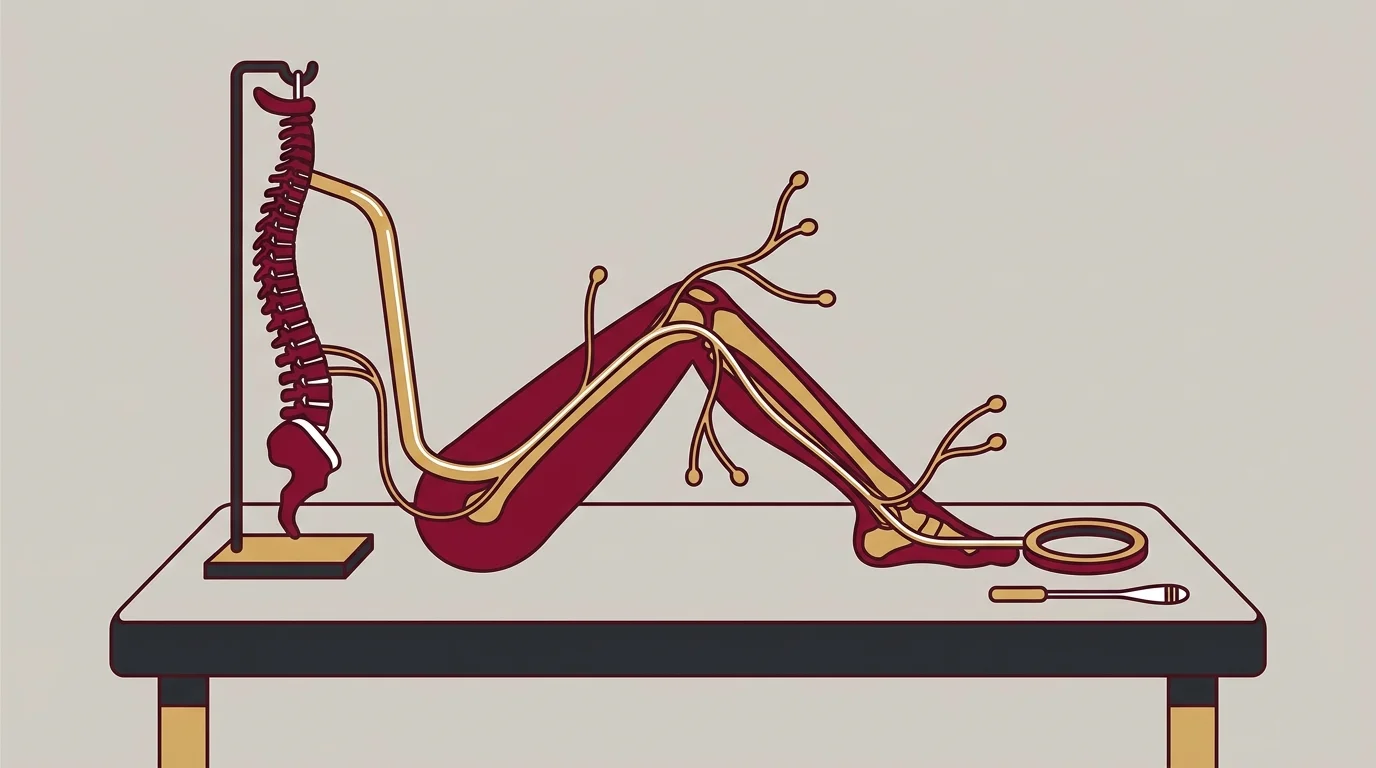
Peripheral neuropathy is a term describing a range of conditions that damage nerves outside of the brain and spinal cord. It is not a single diagnosis. It is a category, and the feet are often where it becomes impossible to ignore.
That distinction matters before any exam happens. A patient walks in describing burning soles or numb toes, but the nerve causing it may not live anywhere near the foot. For an overview of neuropathy care decisions locally, the starting point is always the same question: where along the pathway did this begin.
For patients coming from Pekin, the consultation happens at the practice's Morton office at 1101 W Jackson St.
The Nerve Pathway, Not Just the Foot
Think of the nervous system as one continuous wire. It runs from the spine down through the leg and ends at the foot. Burning or numb feet are the far end of that wire acting up — they are rarely where the actual problem started.
A diagnostic consultation treats that wire as a whole, not as a set of disconnected symptoms. Pressure, irritation, or compression at any point along it can show up as sensation loss somewhere else entirely. That is why the exam looks at the spine before it looks closer at the foot.
Why Burning and Numbness Present Differently
Burning and numbness are not interchangeable complaints. Burning often signals nerve fibers that are irritated and overactive, firing signals they shouldn't be sending. Numbness usually points to nerve signal that is reduced or blocked outright.
Both patterns can exist in the same patient, sometimes in the same foot. The specific combination tells part of the story about where along the pathway the disruption sits. That distinction shapes what the rest of the consultation needs to confirm.
Why a Symptom Checklist Can't Diagnose a Nerve Problem
Many patients arrive feeling frustrated, having been told their symptoms are unexplained or have no clear solution. A checklist of symptoms got them nowhere. Unexplained does not mean untreatable — it means the search stopped too early.
A symptom checklist treats burning and numbness as the endpoint to be labeled, not the wire to be traced. That approach can name a pattern without ever locating where the pattern starts. A nerve problem is a pathway issue, and a pathway cannot be diagnosed from its far end alone.
The Assembly-Line Exam: What It Misses
The first consultation is a fact-finding mission to understand the unique nature of your symptoms, not a form matched against a list of common complaints. For preparing for a foot pain evaluation in East Peoria, that distinction is the whole point of going in prepared.
An assembly-line exam checks boxes: numbness, yes or no, then location, foot or leg. What it misses is the spine-to-foot pathway itself.
How a Structured Neurological Workup Is Built
A protocol that treats every numb foot the same way is not a diagnosis — it is a shortcut dressed up as care. Cookie-cutter workups skip the tracing step entirely. They name a symptom and move straight to a generic plan, without ever confirming where the pathway actually breaks down.
| Workup Component | What It Assesses | Why It Matters |
|---|---|---|
| Intake and History Review | Onset, pattern, and triggers of numbness or burning, plus medical history, medication use, and blood sugar patterns | Locates where along the pathway the disruption likely began instead of only naming the symptom |
| Spinal Alignment Assessment | Alignment and movement at the point where nerve pathways to the leg and foot originate | Pressure or irritation at the spine can surface as sensation loss far down the wire, at the foot itself |
| Sensory and Reflex Testing | Signal quality along the nerve pathway, including areas of reduced, blocked, or overactive sensation | Separates burning from numbness as distinct signal patterns rather than treating them as one complaint |
| Gait and Balance Assessment | How nerve signal disruption is affecting movement and stability, not just stationary sensation | Shows the functional impact of the pathway problem, which a seated exam alone cannot capture |
| Referral (When Needed) | Whether findings point to a cause outside the scope of chiropractic care | Makes sure anything outside chiropractic scope gets referred out before any plan is built |
Mapping the Pathway: From Spine to Foot
So a structured workup starts at the spine and works outward, checking alignment, nerve root function, and signal quality at each stage. That's the heart of a chiropractor's approach to diagnosing foot nerve issues: the method matters more than whatever label gets stuck on the symptom.
Each stage either confirms or rules out a point of compression or irritation. That sequence is what separates a real workup from a guess.
Reading Patient History as Diagnostic Data
History is not paperwork here — it is diagnostic data. The fact-finding conversation from the first visit gets built on now, not repeated, as new findings connect back to what the patient already described.
Where Generic Protocols Fail Under Real Conditions
A chiropractor's job is not to run the same proven protocol on every presenting condition. No protocol is proven for every patient, because no two nerve pathways fail at the same point along the wire. Generic care plans assume the failure point; a diagnostic consultation locates it, which is why chiropractic adjustment and spinal treatment only gets scheduled once that location is confirmed.
The Cost of a Missed or Delayed Nerve Finding
A missed finding does not stay small. Pressure left unidentified at the spine continues reaching the foot, and the burning or numbness it causes keeps being treated as the problem instead of the symptom. Patients already frustrated by unexplained symptoms lose more time to a plan built on the wrong starting point.
What the Research Says So Far
Research on chiropractic care and nerve-related balance problems is still early, and it's worth saying so plainly.
Balance, Gait, and Fall Risk as Diagnostic Signals
Balance and gait are not side notes in a nerve exam. They are measurable signals of how well the pathway is functioning end to end. As a 2007 study by Hawk et al. in the Journal of Chiropractic Medicine concluded, further investigation of chiropractic care's possible role in reducing fall risk in people with impaired balance appears feasible.
From Findings to a Documented Care Plan
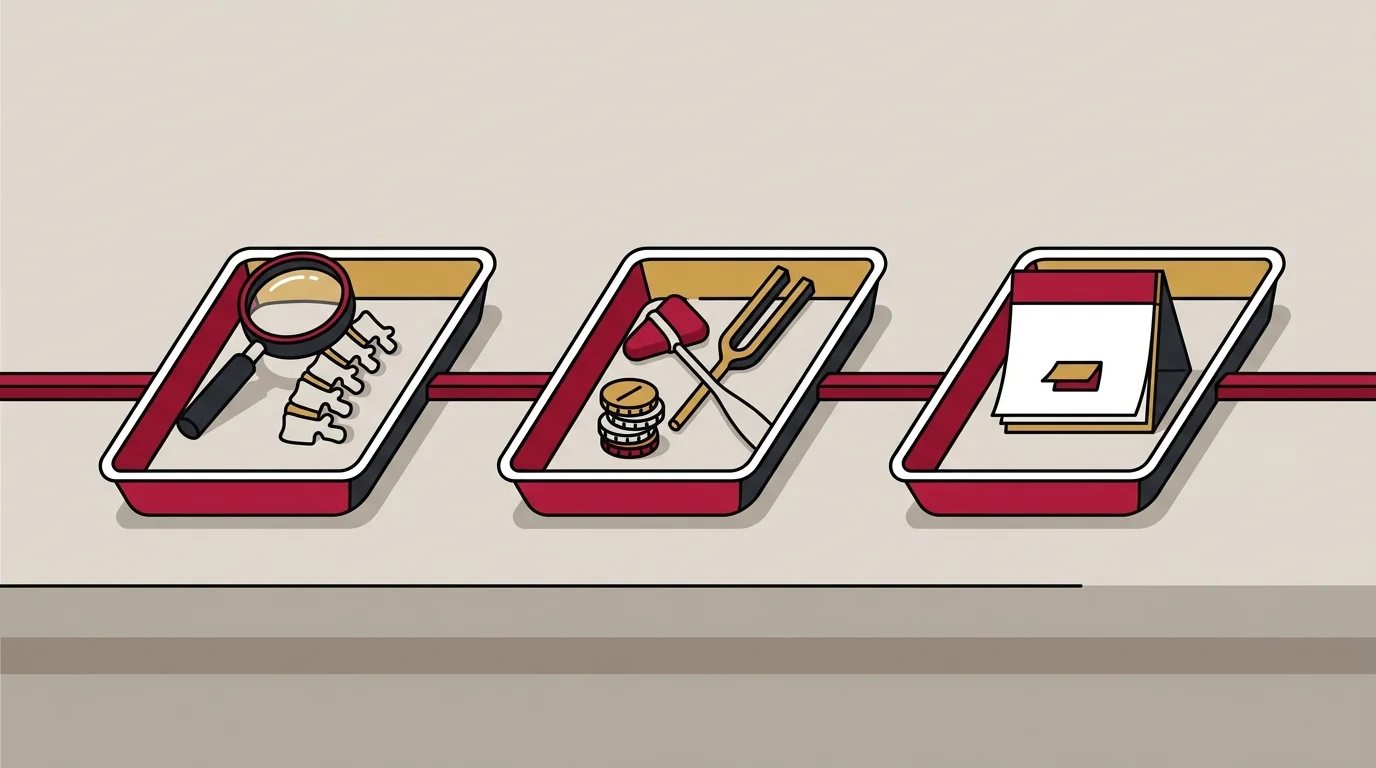
A diagnosis isn't the finish line. It's the moment the findings get written down as a plan, with each piece tied to the exact spot on the pathway where the exam found it. And if earlier answers came up empty, that just means nobody followed the wire far enough to see where it breaks down.
| Visit Stage | What Happens | Purpose |
|---|---|---|
| History and Symptom Review | The fact-finding conversation covers onset, pattern, and triggers of numbness or burning, along with medical history and prior diagnoses. | Tells the exam where along the spine-to-foot pathway to start looking. |
| Sensory, Reflex, and Gait Testing | Hands-on testing confirms or rules out what the history pointed toward, checking signal quality and function at each stage. | Narrows the search from a broad symptom down to a specific point of disruption. |
| Spinal Assessment | The exam traces the pathway back to the spine instead of stopping at the foot where the symptom appeared. | Locates the origin point rather than treating the endpoint as the problem. |
| Referral (When Needed) | Added only when findings suggest a cause outside the scope of chiropractic care. | Protects the sequence so no plan gets written on an incomplete picture. |
| Report of Findings and Care Plan | The visit ends with a report of findings: what was found, how the practice can help, and what it will cost. | Turns the exam into a clear plan before care begins. |
Sequencing the First Visit: What Happens in What Order
History and symptom review come first, because they tell the exam where along the pathway to look. Sensory, reflex, and gait testing follow, confirming or ruling out what the history suggested.
Spinal assessment closes the exam, tracing the wire back to its source rather than stopping at the foot. Then comes the report of findings: what was found, how the practice can help, and what it will cost. The first chiropractic adjustment usually happens that same visit, unless something needs a referral out first.
When Referral Enters the Picture
Not every finding stays inside chiropractic scope. When testing points to a cause outside that scope, a referral out comes before any plan is finalized. Patients who already have X-rays or MRIs should bring them, since they add to the picture.
That step protects the sequence instead of shortcutting it. A documented plan only holds once the full pathway has been accounted for.
Frequently Asked Questions
A few questions come up before almost every first visit. Here are straight answers to the ones patients ask most.
How long does a first chiropractic consultation for numb feet typically last?
Plan for about 45 to 60 minutes. That covers a consultation, a hands-on evaluation with neurological testing, and a report of findings that explains what was found, how the practice can help, and the cost.
What kind of tests will be performed during a chiropractic exam for neuropathy?
Expect sensory testing, reflex checks, and gait observation alongside a spinal assessment. Blood sugar patterns and medication history get reviewed too, since nerve damage outside the brain and spinal cord can stem from several different causes.
Is the chiropractic evaluation for nerve pain invasive or painful?
No. Testing uses light touch, reflex taps, and movement observation, with nothing invasive involved. Finding where the pathway breaks down doesn't take any discomfort.
What's the difference between a medical and a chiropractic diagnosis for neuropathy?
A medical diagnosis often names the category and stops there. A chiropractic diagnosis keeps going and traces the pathway itself. It confirms where along the spine-to-foot wire the signal actually breaks down.
Will I receive treatment on the same day as my initial consultation?
Usually, yes. Once the exam and report of findings are done, the first chiropractic adjustment typically happens that same visit, unless something needs a referral out first.
Where This Leaves You
Here's where it all lands. Burning and numbness are where a nerve problem finally speaks up, not usually where it starts.
So a consultation built to trace symptoms back to their source doesn't guess at a cause. It confirms one, or it rules out enough to know where to look next. That's what being dismissed by a checklist never gave you.
A validated finding changes the next step from a shot in the dark to a plan tied to where your pathway actually breaks down. Getting back to being you starts with knowing where the pathway failed, and that starts with a consultation built around the whole pathway rather than the symptom at its end — you can book that consultation here.