
Nerve damage from neuropathy is not always permanent. Recovery potential rests on three factors: the cause, the duration of the damage, and the degree of fiber injury. Peripheral neuropathy is not a single condition. It describes a range of symptoms, including numbness, tingling, and pain. These symptoms stem from damage somewhere along the body's extensive nerve communication network. In many cases, nerves are disrupted rather than severed. The closer comparison is downed communication lines, not a cut cable. Nerve fibers may be irritated, compressed, or starved of blood flow without being destroyed outright. When that happens, the body keeps some capacity to restore signaling along the affected pathway. Peripheral nerves have some ability to regrow. That ability works best when the surrounding conditions support the process. The specific cause matters, whether diabetes, compression, or a nutritional deficiency. How long the damage has been present also shapes the outlook. So does whether the underlying contributing factors are addressed. A diagnosis of permanent nerve damage is frequently based on symptom severity and duration. It often does not rest on a definitive test proving the fibers cannot recover any function. For this reason, the relevant clinical question often shifts away from complete reversal of the damage. The more useful question is whether function, sensation, and quality of life can meaningfully improve. That improvement is pursued by addressing the structural or circulatory factors contributing to nerve irritation.
What Does It Actually Mean When Nerve Damage Is Called Permanent?
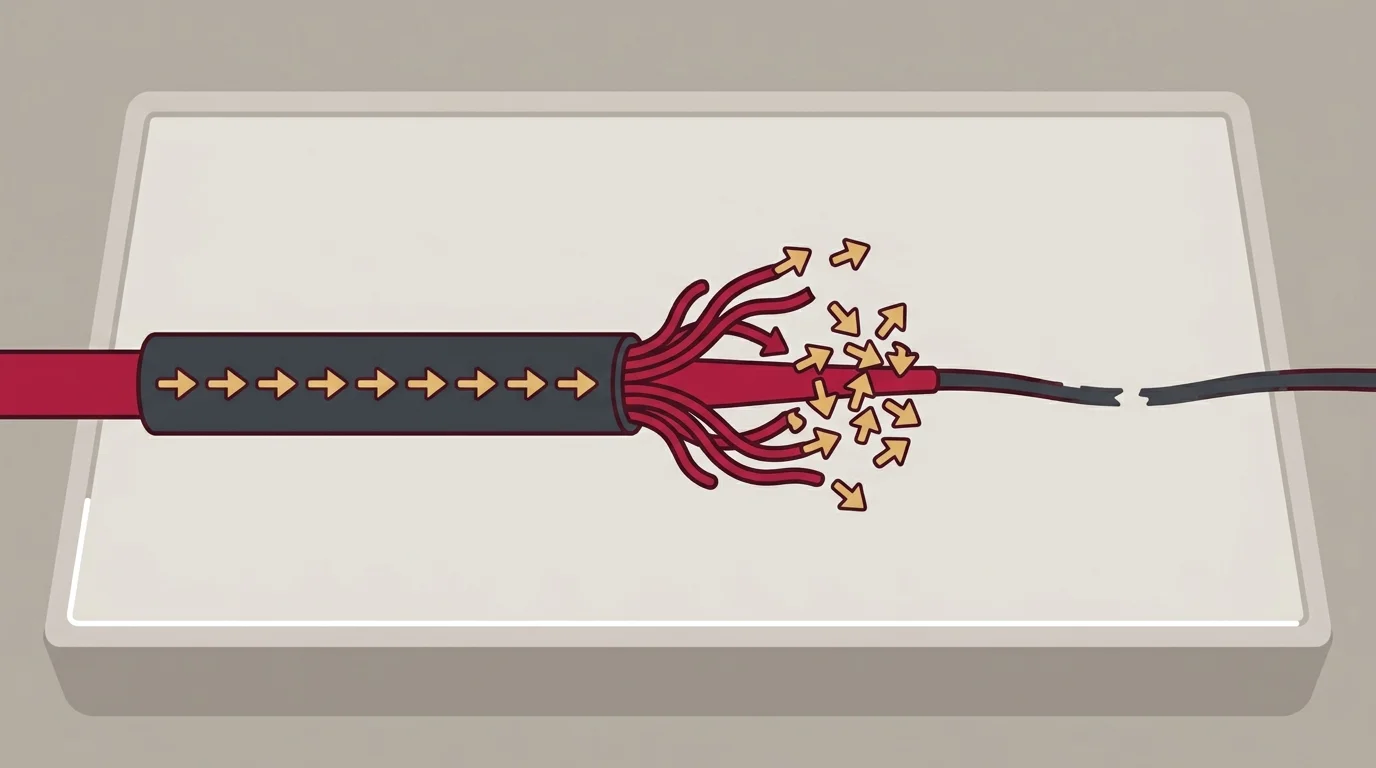
Here's what that label usually means: a nerve has stopped signaling the way it should, so it gets called permanent. But that word describes what the nerve is doing today, not what it's capable of doing later.
So why does the label get applied so unevenly? It rests on how long symptoms have lasted, not on a direct look at the nerve fibers, and a downed line and a cut cable can produce the exact same silence. Telling those two apart is part of how to pick the right nerve care provider, because that answer changes what comes next.
Why the Word Permanent Gets Thrown Around Too Quickly
Hearing that your nerve damage is permanent can feel like a final verdict. For a lot of patients, it lands like a door slamming shut, like there's nothing left to try.
That reaction is understandable. But a label applied to unexplained symptoms is not the same as a label proven by a direct look at the nerve fibers.
The Shortcut of Treating Every Symptom the Same Way
Lumping every case of nerve pain into one condition is a shortcut, not a diagnosis. The industry habit jumps straight to permanent once symptoms hang around, skipping the full workup that sorts out what is actually going on.
That shortcut treats a diabetic nerve, a compressed nerve, and a circulation-starved nerve like they're interchangeable. They aren't, and figuring out which one a patient is dealing with sits at the heart of distinguishing nerve damage from other causes of foot pain.
When Symptom Management Replaces a Search for Cause
Conventional treatment often defaults to managing symptoms, mostly with medication. That can quiet things down while the root cause of the nerve irritation keeps going underneath.
A system built around symptom control has no reason to keep looking once the symptom is dulled. Unexplained does not mean untreatable. It usually just means nobody traced the problem back to its source.
Where the Permanent Diagnosis Shortcut Breaks Down
Skipping a full diagnostic workup is how permanence gets assumed instead of established. A provider who never traces the downed line back to its source has no way of knowing whether it is cut or just disrupted.
Scare tactics and prolonged treatment plans are ethically indefensible. The more useful path runs through which tests predict conservative care success, because a function-based target replaces a vague permanence label with something measurable.
| Diagnostic Approach | What It Checks | What It Misses |
|---|---|---|
| Symptom-duration assessment | How long numbness, tingling, or pain has been present and whether it has worsened over time | Whether the nerve fibers themselves are irritated or compressed versus structurally destroyed |
| Medication-focused management | Symptom intensity and response to drugs aimed at dulling nerve signals | The mechanical or circulatory factors still irritating the nerve underneath the symptom |
| Function-based diagnostic workup | Where along the nerve communication network the signal is disrupted, and what is compressing or starving it | Can't promise recovery; it shows where to start |
How Nerve Communication Gets Measured in the First Place
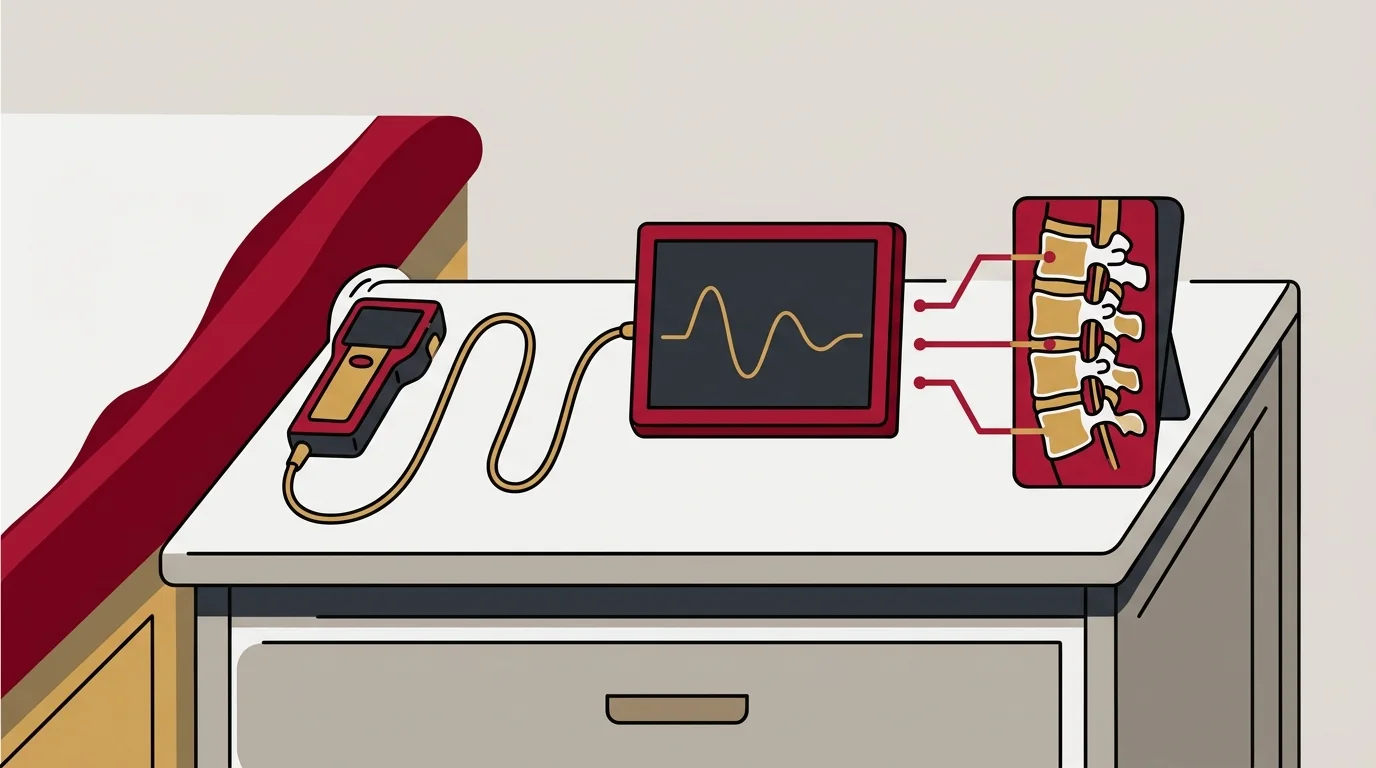
So how do you tell a downed line from a cut one? A symptom list won't get you there; it takes real measurement of how signals actually travel along the nerve.
| Test Type | What It Measures | Why It Matters for the Permanence Question |
|---|---|---|
| Nerve Conduction Study (ordered by a medical doctor) | The speed and strength of an electrical signal as it travels along a specific nerve pathway | Slowed or weakened signals point to a disrupted line that may still carry function, rather than a pathway with no signal at all |
| Sensory Fiber Testing | Whether specific fiber types still register light touch, vibration, or temperature change | Partial sensory response suggests some fibers are intact, which reframes the question from permanent loss to targeted recovery |
| Reflex and Motor Response Testing | Whether a nerve signal still reaches the muscle it controls and produces the expected reaction | A present but weakened reflex shows the circuit still closes, which rules out a fully severed pathway |
| Structural and Postural Evaluation | Whether compression, misalignment, or restricted blood flow along the nerve's route could be interrupting signal transmission | Identifies a mechanical or circulatory source behind the downed line, which is the detail a symptom-only diagnosis skips |
Reading the Results: Nerve Conduction and Sensory Testing
Nerve conduction studies, ordered and read by medical doctors, show how fast and how strongly an electrical signal moves along a nerve pathway. A hands-on exam of touch, vibration and reflexes checks whether specific fiber types still respond.
Mapping Symptoms Back to a Structural Source
Once the exam shows where a signal is breaking down, the next step is mapping that location back to a structural cause. That mapping is what lets nervous system focused chiropractic treatment target the actual disruption, which is a different starting point than reaching for a prescription pad before the source is known.
What the Research Shows About Function-Focused Nerve Care
Testing only earns its keep if it changes what happens next. The research here is thin, but one small study points in this direction.
Evidence from Combined Non-Invasive Approaches
In a 2024 study by Javan Amoli et al. (Turkish Journal of Physical Medicine and Rehabilitation), the authors report that combining Tecar therapy with laser could lead to a more lasting improvement in the sensory symptoms of type 2 diabetic patients with peripheral neuropathy of the lower limbs than either treatment alone.
Putting a Function-First Plan Into Practice
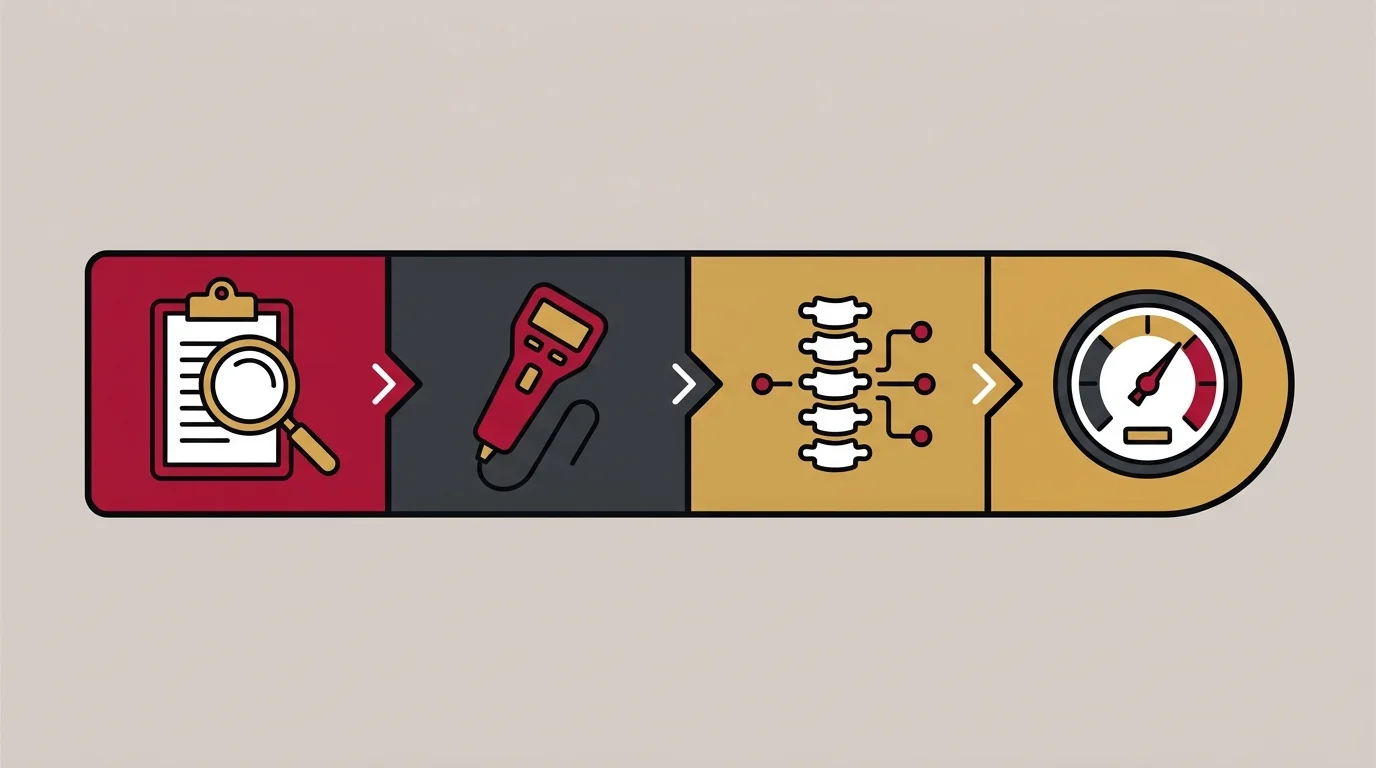
A function-first evaluation starts where the last section left off: tracing the downed line instead of accepting the permanence label at face value.
A plan that extends care without ever measuring whether the signal is improving skips that tracing step entirely.
| Sequence Stage | Primary Question Answered | Tool or Method Used |
|---|---|---|
| Diagnostic Mapping | Where along the nerve pathway is the signal breaking down? | A hands-on exam of touch, vibration and reflexes |
| Source Identification | What structural or circulatory factor is causing the disruption at that location? | Clinical evaluation mapping test results back to a mechanical, circulatory, or metabolic cause |
| Function-Based Treatment Planning | Can signaling and sensation improve along this specific pathway? | Chiropractic adjustment and Neuropathy Care targeted at the identified disruption |
| Progress Measurement | Is the signal along the affected pathway actually changing over time? | Re-testing against the original diagnostic baseline rather than relying on symptom reports alone |
The Diagnostic Sequence Step by Step
The sequence starts with a hands-on exam of touch, vibration and reflexes to locate where signaling breaks down. From there, a provider maps that location to a structural or circulatory cause before any treatment plan gets written. Only once the source is identified does the plan target restoring function along that specific pathway, rather than dulling the symptom in general.
What Determines Whether Function Can Improve
Recovery potential comes down to the cause, how long the disruption's been there, and whether the contributing factors get addressed. Creating the conditions for the body's own nerve-healing capacity to work matters more than chasing total reversal, which was never the right target anyway.
Frequently Asked Questions
A few questions come up again and again once patients see how the diagnostic sequence actually works. Here are the straight answers.
What is the difference between neuropathy that can be reversed and neuropathy that is permanent?
Reversible neuropathy still has nerve fibers that can carry a signal once the disruption's addressed. Permanent damage means the fiber itself can't transmit anymore. Only a direct test can confirm which one you're dealing with.
Can chiropractic care help restore feeling in my feet if I have neuropathy?
It comes down to whether the pathway is disrupted or destroyed, not a blanket promise. Neuropathy Care aimed at the structural or circulatory source of disruption can help.
How does a chiropractor determine if my nerve damage has the potential to heal?
A chiropractor uses a hands-on exam of touch, vibration and reflexes, rather than symptom duration alone. Those findings get mapped to a structural or circulatory cause before any plan is written.
Are there specific types of neuropathy that respond better to chiropractic care?
Neuropathy tied to nerve pressure along the spine is the type chiropractic care is built to address. That's why the exam comes before any plan.
If my medical doctor said my nerve damage is permanent, should I still consider other options?
A permanent label is usually based on symptom severity and duration, not a direct test of the nerve fibers. Pursuing a function-based evaluation does not contradict that diagnosis, it clarifies what the diagnosis actually measured.
What non-surgical methods support nerve health in neuropathy patients?
Chiropractic adjustment, Neuropathy Care, and testing-driven protocols focus on the structural and circulatory factors behind nerve irritation. The aim is to address the source, not only manage the symptom.
Function Over Permanent: Where This Leaves the Nerve Damage Question
Permanent is a word that describes a symptom's duration, not a verdict on the nerve fibers underneath it. The real question was never whether the damage can be undone. It is whether function can still be restored along a pathway that was disrupted, not destroyed.
A downed communication line is not the same as a cut cable, and treating every patient as if they are identical is how unexplained gets mistaken for untreatable. Restoring function is the target worth chasing.
But that target only means something once testing finds where the signal actually breaks down. If nobody has traced your nerve symptoms back to their source yet, that's your next step, and it starts with scheduling a nerve function evaluation.
Results may vary.