
Nerve function testing guides a neuropathy care plan by showing which nerves are damaged, how badly, and whether the damage is sensory, motor, or both. Electrodiagnostic tests such as nerve conduction studies and needle electromyography measure how well electrical signals travel along peripheral nerves, and they are ordered and read by medical doctors. These objective measurements replace guesswork about which nerves have deteriorated and which may still respond. A general diagnosis of neuropathy does not reveal which specific nerves are involved or how far the damage goes. Objective data on nerve conduction speed and amplitude provides the detail needed to tell mild sensory involvement from more advanced motor nerve loss. This distinction matters because the pattern of nerve damage shapes which care options fit and which do not. Nerve conduction results set a measurable starting point, so a care plan can be built around the specific nerves affected rather than applied the same way to every case labeled neuropathy. Repeat testing over time can show whether nerve function is changing, giving an objective marker beyond symptom reports alone. Sensory and motor testing together form a more complete picture than either one alone, since peripheral neuropathy can affect sensory nerves, motor nerves, or both at the same time. A plan built this way starts by mapping where and how badly the nerves are damaged before any care begins. The data from nerve function testing becomes the foundation for a plan matched to the person's actual nerve status.
What Nerve Function Testing Actually Measures
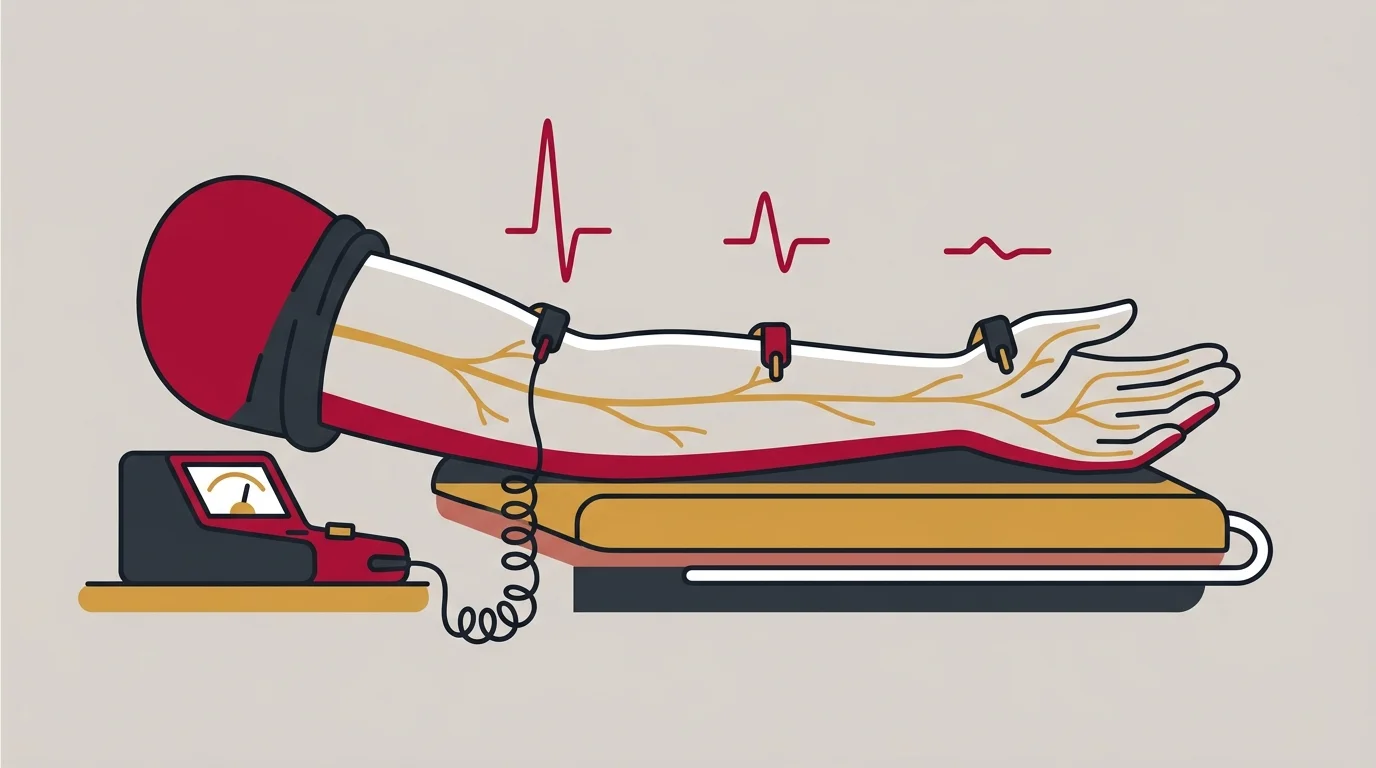
Nerve function testing leans on two main diagnostic tools. Nerve conduction studies and needle electromyography each measure a different piece of how a nerve is actually working.
These tests are ordered and read by medical doctors, not run in a chiropractic office. They answer one specific question: which nerves are damaged, and how badly?
Nerve Conduction Velocity: Measuring Signal Speed
Nerve conduction velocity testing measures how fast an electrical signal travels along a peripheral nerve. Slower speeds point toward nerve damage. The amount of slowing points toward how severe it is.
Here's why that matters: a general diagnosis of neuropathy isn't enough on its own. A care plan that works needs objective data on which nerves are affected and how badly, and nerve conduction velocity is where that data starts. Before any protocol gets picked, it's worth reviewing what to know before starting nerve care.
Electromyography: Measuring Muscle Response to Nerve Signals
Electromyography measures something else entirely. It records the electrical activity a muscle produces when a nerve signals it, and that shows whether the problem starts in the nerve, the muscle, or both.
Think about it this way: a nerve can send a weak signal, or a muscle can answer a strong one poorly. Those are two different problems with two different treatment paths. Electromyography is what tells them apart.
Why 'You Have Neuropathy' Is an Incomplete Diagnosis
A label of neuropathy tells a patient almost nothing about their own nerves. Sensory and motor involvement differ from person to person, and so does severity. Treating the label instead of the nerve is how an industry skips the one step that distinguishes a real plan from a guess.
Unexplained Symptoms Are Not the Same as Untreatable Symptoms
So here's the reframe that matters most. Unexplained does not mean untreatable — it means the diagnostic step was skipped. A standard that stops at the word neuropathy is a standard that never asked which nerves are still capable of responding.
Many patients walk in already frustrated, after a string of treatments that chased symptoms without ever mapping the damage behind them. Nerve conduction and electromyography findings close that gap by showing what's really happening at the nerve. From there, how testing shows if nerves can still respond is the next logical step, not a guess dressed up as a plan.
The One-Routine Problem
Look, a chiropractor's job isn't to run the same proven protocol on every condition that walks through the door. No protocol is proven for every patient, because nerve damage never shows up the same way twice.
Why a Single Fixed Protocol Cannot Match Every Nerve Pattern
A single fixed protocol assumes every case of neuropathy shares the same nerve pattern. It doesn't. Damage can be sensory, motor, or both, and it can sit in different nerves in different people. A plan that ignores this variation treats the label, not the nerve.
What Gets Lost When Testing Is Skipped
Skip the testing, and nobody can say which nerves are still able to respond. That's worth knowing before choosing where to go next, and what to look for in a nerve care specialist covers it.
How a Generic Protocol Fails on Nerve Damage It Never Measured
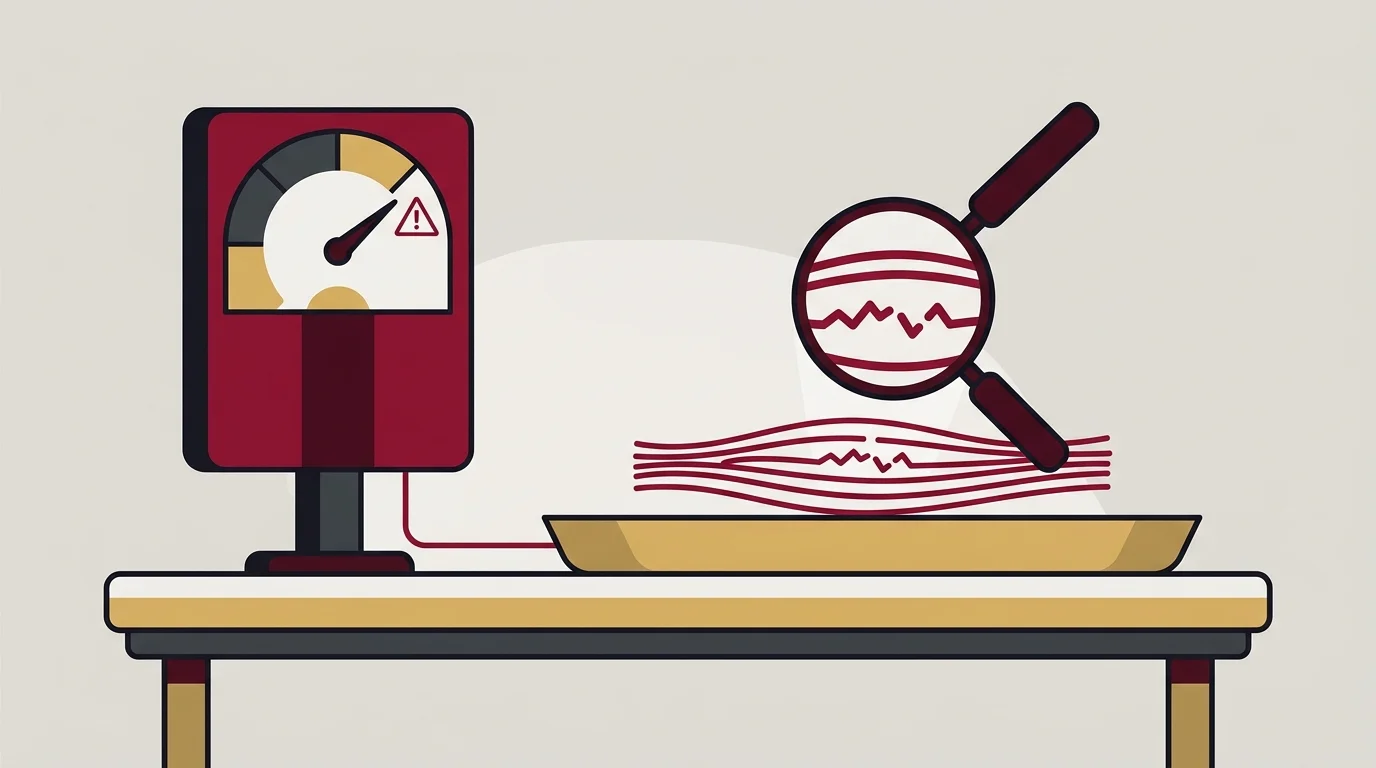
A fixed protocol runs the same sequence on every patient, no matter what their nerves actually show. And if a treatment isn't working and the provider keeps running it anyway, that's the clinical definition of failure, not a quirk of patient response. The market rewards protocols that scale, not protocols that measure first.
Why Telling Nerves Apart Matters
Without nerve test data, a plan can't tell a nerve that's recovering from one that has lost its signal. Telling those two apart, instead of treating them the same, is part of our approach to spinal treatment.
From Test Results to a Targeted Care Plan
So the numbers are in, and now the real work starts. Nerve conduction velocity and electromyography results turn into a map that shows which nerves are damaged, which muscles are affected, and how badly.
| Finding Category | What It Indicates | Care Plan Focus |
|---|---|---|
| Mild Sensory Slowing | Early nerve involvement with reduced conduction speed, but signal pathways remain largely intact. | Care plan emphasizes Chiropractic adjustment and supporting therapies aimed at the affected nerve pathway before further slowing develops. |
| Advanced Motor Axon Loss | Significant deterioration in the nerve's ability to drive muscle response, often paired with reduced amplitude on testing. | Care plan prioritizes closer monitoring and a more conservative, staged approach built around the specific motor nerves affected. |
| Mixed Sensory and Motor Involvement | Both signal types show impairment, indicating damage spread across more than one nerve function. | Care plan addresses each affected pathway separately rather than treating the case as a single uniform presentation. |
| Stable or Improving Follow-Up Results | Conduction speed and amplitude holding steady or trending upward compared to the initial baseline. | Care plan continues its current course, using the follow-up data as the marker rather than symptom reporting alone. |
Translating Sensory and Motor Findings Into a Plan
A care plan built from that map looks different depending on what the map shows. Mild sensory slowing calls for a different approach than advanced motor axon loss. Nerve function testing provides the detailed map needed to navigate the complexities of peripheral neuropathy and guide a targeted treatment strategy.
Where Chiropractic Adjustment and Supporting Care Fit the Map
Chiropractic adjustment and supporting care go where the testing points. They're never applied by default, because the plan is calibrated to the nerves actually involved instead of a template stamped on every case. That's the difference between treating a diagnosis and treating a person.
Reading Severity: When Findings Signal More Than Chiropractic Care Alone

So what happens when the findings point past what a Chiropractic adjustment and supporting care can reach? That's where severity draws a line. Advanced axon loss, or a pattern that isn't nerve-driven at all, shapes the referral, not just the treatment.
Measuring Progress: How Follow-Up Testing Tracks Nerve Recovery
When a patient's medical doctor repeats nerve tests over time, lining up the conduction velocity and electromyography results shows whether nerve function is holding, improving, or slipping. That comparison is the objective marker the first results were built to support.
What Early Lab Research Shows About Joint Work and Nerves
Early lab research adds a narrower data point. A 2020 paper by Lima, Martins and Reed in Frontiers in Neuroscience found that pre-clinical research supports a link between hands-on manual therapy and several possible short-term therapeutic mechanisms. That work comes from lab studies, not people, so it describes a possible pathway, not an outcome anyone can count on.
Frequently Asked Questions
A few more questions come up often once patients understand the testing-first approach. Here are straight answers to the ones that matter most.
Which nerve tests matter most for a neuropathy care plan?
Two tests do the heavy lifting: nerve conduction studies and needle electromyography. Both are ordered and read by medical doctors. Nerve conduction studies measure how fast a signal travels, and electromyography measures how a muscle answers that signal.
How does nerve conduction velocity testing help create a chiropractic care plan?
Nerve conduction velocity shows how fast a signal travels and how far that speed has slowed. That slowing data tells a provider which nerves need attention and how severely, shaping where Chiropractic adjustment and supporting care get focused.
Is nerve function testing for neuropathy painful?
Nerve conduction studies use a brief, mild electrical pulse most patients call tolerable. Needle electromyography uses a thin needle electrode. It can feel uncomfortable, but it's brief and stays in one spot.
How long does it take to see results from a neuropathy care plan based on nerve testing?
Neuropathy care protocols run 8 to 12 weeks, and the plan is rechecked along the way.
What do severe nerve testing results mean for a chiropractic care plan?
Severe results define a boundary rather than a dead end. When testing shows advanced axon loss or a pattern outside nerve involvement, that finding shapes referral alongside or instead of adjustment-based care.
How does insurance work for neuropathy care?
Insurance is checked at the first visit, so patients know their costs before treatment starts, and there are no hidden admin fees.
Can chiropractic adjustments improve nerve function test results over time?
There's no proof that they do. Research on joint work and nerve healing comes from lab studies, not people. What a care plan can track is how symptoms and daily function change over time.
What This Means
A map only helps if it shows the real terrain. Nerve conduction studies and electromyography draw that map, showing which nerves are affected, how badly, and the pattern that belongs to one patient alone.
Without that map, a treatment plan is just motion without direction. A protocol applied before testing is a guess dressed up as care, and cookie-cutter protocols are not care — they are assembly-line medicine. Testing first is what turns a guess into a plan calibrated to the nerves actually involved.
So the route to recovery starts with the map, not the template. If nerve symptoms have followed you through treatment after treatment with no clear answer, talk it through with us.
Results may vary.
Insurance coverage varies by plan and should be verified before your visit.