
A rising dose of nerve pain medication is a signal to ask new questions. The first question is why the pain keeps progressing despite treatment. The second is whether a structural or mechanical cause is being overlooked. The third is what diagnostic steps have actually been taken to find the source of nerve irritation. A climbing dose means the current treatment plan is not controlling the underlying problem. Nerve pain medications, including anticonvulsants and certain prescription pain relievers, are designed to manage symptoms. They do not address the physical cause of nerve compression or irritation. Over time, the body can also develop analgesic tolerance. In this process, a medication becomes less effective at a given dose. An increase is then required just to maintain the same level of relief. Tolerance is a known pharmacological phenomenon, not a sign that the condition is resolving. Standard nerve pain care often concentrates on symptom suppression first. That focus can delay questions about what is mechanically generating the irritation in the first place. Relevant questions for a treating provider cover which diagnostic imaging or nerve testing has been performed. They also cover whether any musculoskeletal or spinal source has been ruled out. Another key question is what the plan will be if the current dose stops working. Further considerations include the expected timeline for reassessment and which non-pharmacological options have been discussed. Whether tolerance or dependence has been evaluated is also a relevant question. Dose escalation without new diagnostic information or a revised treatment strategy is a recognizable pattern. That pattern signals that the plan's assumptions about the source of the pain warrant closer examination.
When Does a Rising Dose Stop Being a Plan and Start Being a Pattern?
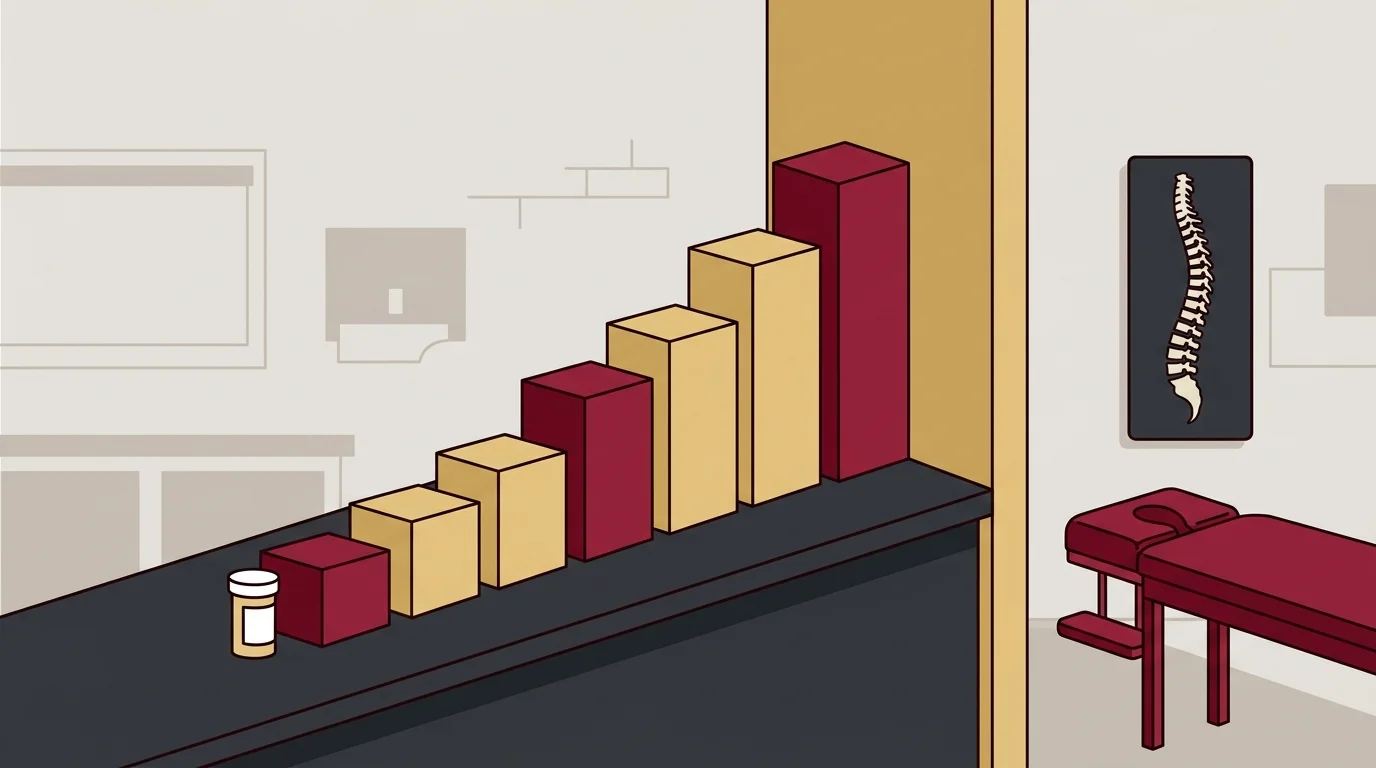
So why does the dose keep climbing? Your nervous system adapts to the drug, while the irritation underneath stays right where it was. The medication turns the signal down, but it never asks why that signal is firing at all.
That gap is where standard care stalls, because symptom suppression becomes the whole plan and the mechanical source of the nerve irritation never gets examined. But unexplained doesn't mean untreatable. It means the search stopped too early, and before the next dose increase, what matters before committing to nerve care starts with one honest question: what hasn't been checked yet?
What Tolerance Actually Does Inside the Body
Tolerance isn't a mystery. It's your body doing exactly what bodies are built to do.
Analgesic tolerance happens when the body adapts to a medication, so it takes a higher dose to get the same pain relief. Your nervous system quietly recalibrates around the drug. Relief fades, and the prescription climbs to chase it.
The Mechanism Behind a Shrinking Response
About that chase: it has nothing to do with the nerve irritation itself. The dose increase is a response to the body's adaptation, not to any change in the underlying cause.
So the mechanical or structural source sits untouched while the medication conversation keeps restarting. That pattern is exactly why recognizing the need for nerve-focused treatment matters before the next dose increase gets written.
Why 'Just Increase the Dose' Keeps Getting Prescribed
Why does the dose keep changing while the question never does? Because the system paying for care is built to reward volume, not answers. Insurance reimbursement favors the quick refill over the slower work of tracking down a mechanical cause.
That financial pressure gets dressed up as clinical judgment. It isn't.
Why Symptom-Chasing Protocols Fail Under Pressure
A symptom-chasing protocol works fine right up until the symptom stops responding. Then the only direction left is up in dose. That's the pressure point: the protocol has no second move.
It was never built to ask what's generating the signal. It was built to quiet the signal, and quieting isn't the same as resolving.
That's exactly where what to ask during a neuropathy consultation becomes the more useful conversation than another dose adjustment.
What the Research Actually Measures
So what does the clinical evidence actually look at? Not whether a dose increase feels justified in the moment. The research asks whether a drug class works at all for nerve pain, and for how long.
The American Academy of Neurology's guideline sets out to systematically review all randomized controlled trials of oral and topical medications for painful diabetic neuropathy. That review covers medication options, not mechanical causes. That gap is exactly where root-cause chiropractic treatment starts asking a different question.
Questions to Ask Before the Next Dose Increase
Before the next dose increase, bring a short list of questions to the prescribing provider. Start with why the pain keeps progressing despite treatment. Then ask whether a structural or mechanical cause might be getting overlooked, and what diagnostic steps have actually been taken to find the source of the nerve irritation.
Next, ask what testing has been done and whether any spinal or musculoskeletal source has been ruled out. Ask what the plan is if the current dose stops working, and when the next reassessment will happen. Finally, ask which non-drug options have been discussed and whether tolerance has been checked.
How Mechanical Causes of Nerve Irritation Get Identified
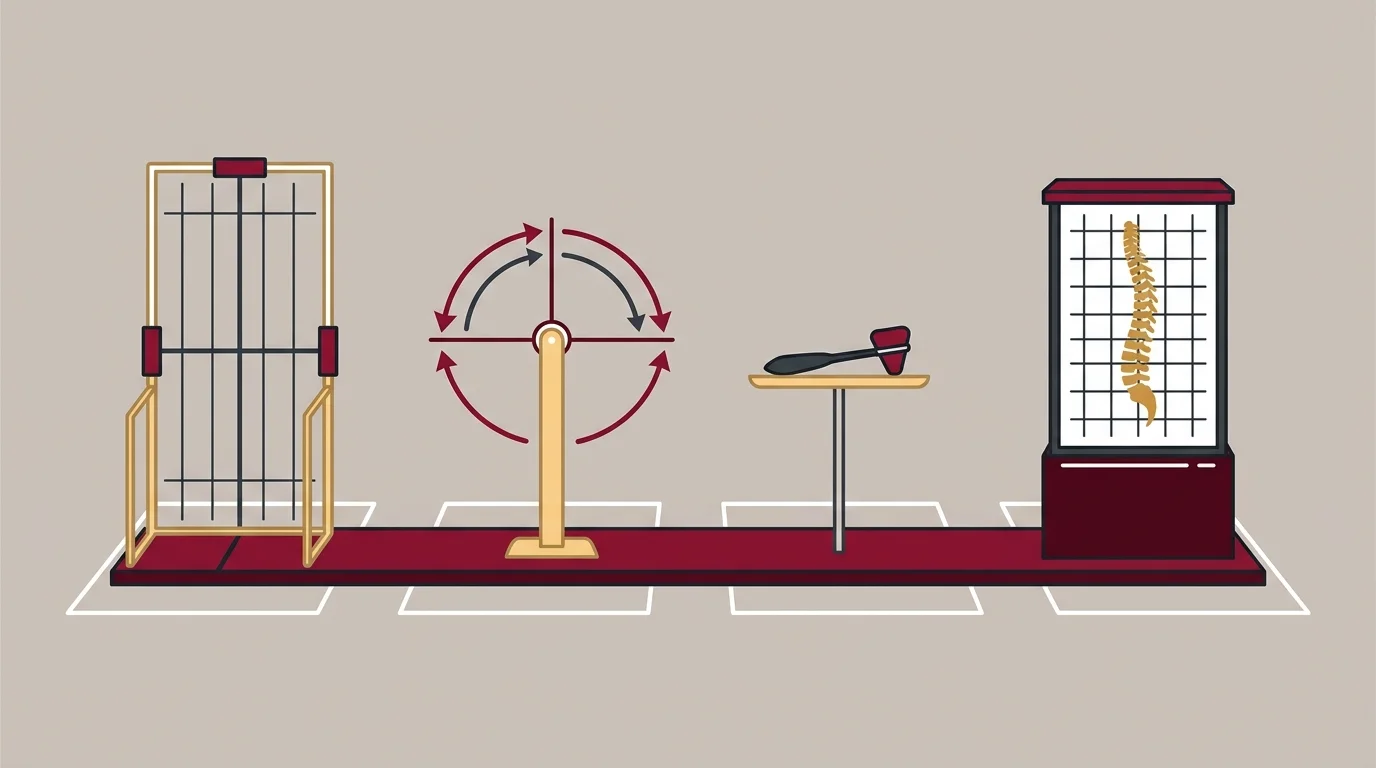
Finding a mechanical cause starts with a different question than most prescriptions ever answer. Forget how much medication it takes to quiet the pain: the real diagnostic work asks what's pressing on or irritating the nerve in the first place.
A chiropractor's job is not to run one fixed protocol on every nerve pain presentation. No protocol is proven for every patient, because the mechanical source of irritation differs by spine, by posture, by history. That variability is exactly what a real diagnostic sequence is built to find.
| Diagnostic Step | What It Is Designed To Reveal |
|---|---|
| Structural History | Where the pain travels, what movements worsen it, and whether the pattern points to nerve root irritation or a peripheral cause. |
| Spinal Alignment and Joint Mobility Assessment | Whether a restricted motion segment is mechanically driving nerve compression at a specific level. |
| Orthopedic and Neurological Testing | Which nerve pathway is affected and how severely, narrowing the irritation to a specific structural source. |
| Movement and Posture Analysis | Whether repeated postural loading or movement patterns are feeding the irritation over time. |
| Individualized Care Plan Development | What combination of disc involvement, joint restriction, or postural loading is driving this specific case, rather than assuming one cause fits every presentation. |
The Diagnostic Sequence Behind a Structural Evaluation
It starts with a structural history: where the pain travels, which movements make it worse, and whether the pattern points to nerve root irritation or a peripheral cause. Then spinal alignment and joint mobility get checked hands-on, since stuck motion segments are a common mechanical driver of nerve compression.
From there, orthopedic and neurological testing narrows down which nerve pathway is affected and how severely. That sequence turns a vague complaint into a specific mechanical question.
Why a Single Fixed Protocol Cannot Cover Every Case
A one-size protocol assumes every nerve pain case shares a single mechanical cause. It doesn't.
Nerve irritation can trace back to disc involvement, joint restriction, postural loading, or a combination moving together. Not some catch-all protocol — a single standardized plan simply cannot account for which of those is driving any one case. Asking different questions about the specific mechanical driver is what actually moves a person toward a sustainable answer.
Frequently Asked Questions
A few questions keep coming up once the dose-and-tolerance pattern gets named out loud. Here are straight answers to the ones patients ask most.
If my doctor increases my nerve pain medication, does that mean it's working less effectively?
Not necessarily less effective in a chemical sense. More often, the body has adapted to the dose it was already on. Either way, a climbing dose is a signal worth questioning, not just following.
Can chiropractic care address the root cause of nerve pain, not just the symptoms?
That is the entire premise behind a structural workup. Spinal alignment, joint mobility, and nerve pathway testing are built to find what's compressing or irritating the nerve, not just quiet the pain it's producing. Chiropractic adjustment targets that mechanical source directly.
How can I talk to my doctor about wanting to explore alternatives to more medication?
Ask what diagnostic testing has already ruled out a structural cause. Ask what the plan is if the current dose stops working. Those two questions shift the conversation from refill to investigation.
What kind of diagnostic tests does a chiropractor use for nerve-related issues that my primary care doctor might not?
A structural history comes first: where the pain travels, what movements worsen it, whether the pattern points to nerve root irritation or a peripheral cause. Orthopedic and neurological testing follows, narrowing down which nerve pathway is involved and how severely. A primary care visit built around a prescription rarely runs that full sequence.
Is it possible to reduce my medication dosage if I start a different type of treatment like chiropractic care?
Addressing the mechanical driver is what creates room for that conversation with a prescribing provider. It's not about what we're doing TO you — it's what we're doing FOR you, and that starts with finding what's actually generating the signal. Any dosage change still belongs with the provider managing the medication.
Where the Questions Lead Next
A rising dose is not progress. It is the treadmill moving faster while the distance to relief stays exactly the same.
Asking a different question is the first step off that treadmill. Not what dose comes next, but what's still been left unexamined about the nerve irritation itself.
That question is worth more than another refill ever will be. If the plan so far has been dose after dose with no structural answer, schedule a visit to ask what hasn't been checked yet.
Results may vary.
Insurance coverage varies by plan and should be verified before your visit.