
(309) 321-8412 | 1101 W Jackson St, Suite A, Morton, IL 61550
(309) 321-8412 | 1101 W Jackson St, Suite A, Morton, IL 61550
What is the Nerve Restoration Protocol? A Non-Surgical Path to Healing Neuropathy in Morton
The Nerve Restoration Protocol at Touch of Wellness Chiropractic is a multi-stage clinical system built to stimulate the body's natural nerve repair process — not to mask neuropathy symptoms while the underlying damage continues underneath.
Most neuropathy patients arrive having already tried the standard route: medication, waiting, a referral that went nowhere. The Nerve Restoration Protocol starts from a different premise. Nerve damage has causes — compromised circulation, spinal dysfunction, nutritional deficiencies, systemic conditions like diabetes — and a clinical system designed to produce lasting results addresses those causes directly.
The protocol is organized around three core stages. First, a thorough clinical evaluation establishes the origin and severity of the nerve damage — not just what symptoms you're experiencing, but what's driving them. Second, a personalized care sequence begins: precision chiropractic adjustments to restore proper spinal and nervous system mechanics, advanced therapeutic modalities including Cold Laser Therapy and Shockwave Therapy to stimulate tissue repair and improve nerve circulation, and nutritional support to create the biological conditions nerves need to heal. Third, a long-term management plan transitions patients from active recovery into protecting the function they've rebuilt.
This isn't a one-size-fits-all protocol. What separates it from general chiropractic care — or from a prescription for Gabapentin — is the diagnostic framework underneath it. The protocol is individualized at every stage based on what you report and how your nervous system responds.
The rest of this article covers the clinical mechanisms behind the protocol, who it's designed for, what the evidence says about non-surgical nerve restoration, and what the realistic care process looks like from your first visit forward.
Last Updated: April 8, 2026
- Why Most Neuropathy Treatments Stop Short
- How the Nerve Restoration Protocol Actually Works
- Who This Protocol Is — and Isn't — For
- What the Evidence Says About Non-Surgical Nerve Restoration
-
Frequently Asked Questions About the Nerve Restoration Protocol
- Is the Nerve Restoration Protocol just another name for a chiropractic adjustment?
- How long does it take for the protocol to show results?
- Can this protocol help if my neuropathy is caused by diabetes?
- What if I've already had surgery or injections?
- What happens after completing the Nerve Restoration Protocol?
- Is this protocol only available in Morton?
- Why hasn't my doctor mentioned this approach?
- Real Answers Are the Clinical Standard Here
Why Most Neuropathy Treatments Stop Short
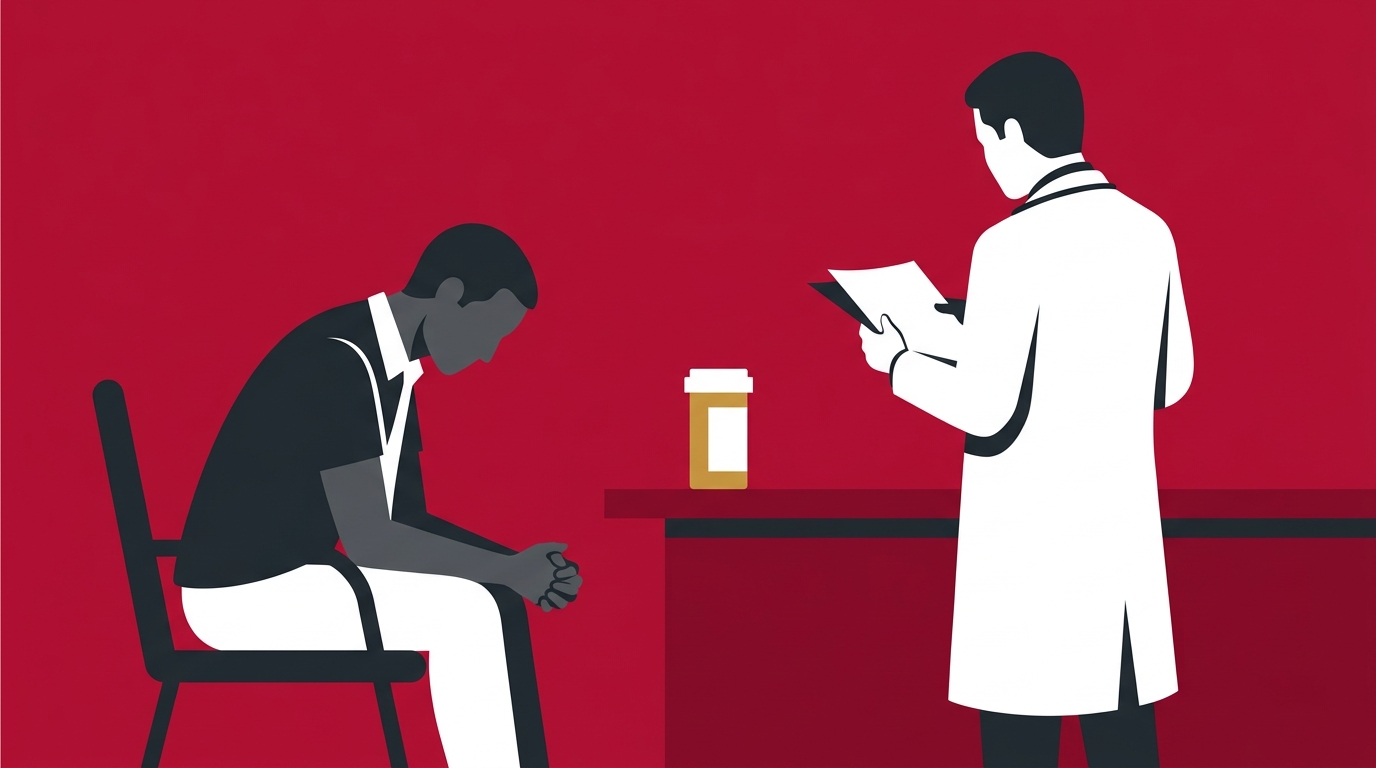
Most patients who end up at Touch of Wellness Chiropractic have already done the rounds.
Medication that helped for a while. A follow-up that produced another prescription. A referral still sitting in a queue somewhere. The system ran its standard play — and here they are anyway, with the same symptoms they started with.
That's not bad luck. That's what happens when the treatment goal is tolerance, not restoration.
The standard model for neuropathy isn't designed to heal nerve damage. It's designed to make nerve damage quieter. Those are different goals, and they produce different outcomes. That gap is exactly where root-cause chiropractic care enters — not as a feel-good alternative, but as a clinical system built around a different premise entirely.
The Problem With Masking Nerve Symptoms
Gabapentin quiets the nerve signal. That's what it does.
The nerve isn't healing. The circulation that feeds it isn't improving. Whatever was driving the dysfunction in the first place — spinal compression, metabolic disruption, vascular compromise — it's still there. You're just receiving less information about it.
Silencing the alarm doesn't put out the fire.
That's not a criticism of the physicians who prescribe it. It's an accurate description of what the medication is built to accomplish. And for patients who want their nerves to actually work again — that's not enough.
The Nerve Restoration Protocol doesn't touch Gabapentin's mechanism. It works on the conditions upstream of it: spinal alignment, nerve pathway integrity, circulation, and the body's actual capacity to repair damaged tissue.
Why Generic Chiropractic Isn't Enough Either
I want to be clear about something.
The Nerve Restoration Protocol isn't just chiropractic care. General chiropractic is one component. But neuropathy isn't a back pain problem. It's a nerve environment problem — and a generic adjustment sequence applied to every patient the same way doesn't account for where your specific damage is coming from.
Diabetic neuropathy and trauma-induced neuropathy don't share the same root cause. They need different interventions. Running the same protocol on both isn't a clinical system. It's an educated guess with consistent branding.
| Neuropathy Type | Primary Cause | What's Driving the Damage |
|---|---|---|
| Diabetic Neuropathy | Elevated blood sugar over time | Microvascular damage reduces nerve blood supply |
| Compression Neuropathy | Structural obstruction | Direct pressure impairs nerve conduction |
| Nutritional Deficiency | B12, folate, or other deficiencies | Missing building blocks for nerve cell maintenance |
| Trauma-Induced | Injury to nerve tissue | Physical disruption of nerve fiber structure |
| Idiopathic | Unknown origin | Multiple possible upstream causes |
The protocol accounts for those distinctions before treatment begins. Not after the third visit when results aren't tracking. Before anything starts.
How the Nerve Restoration Protocol Actually Works
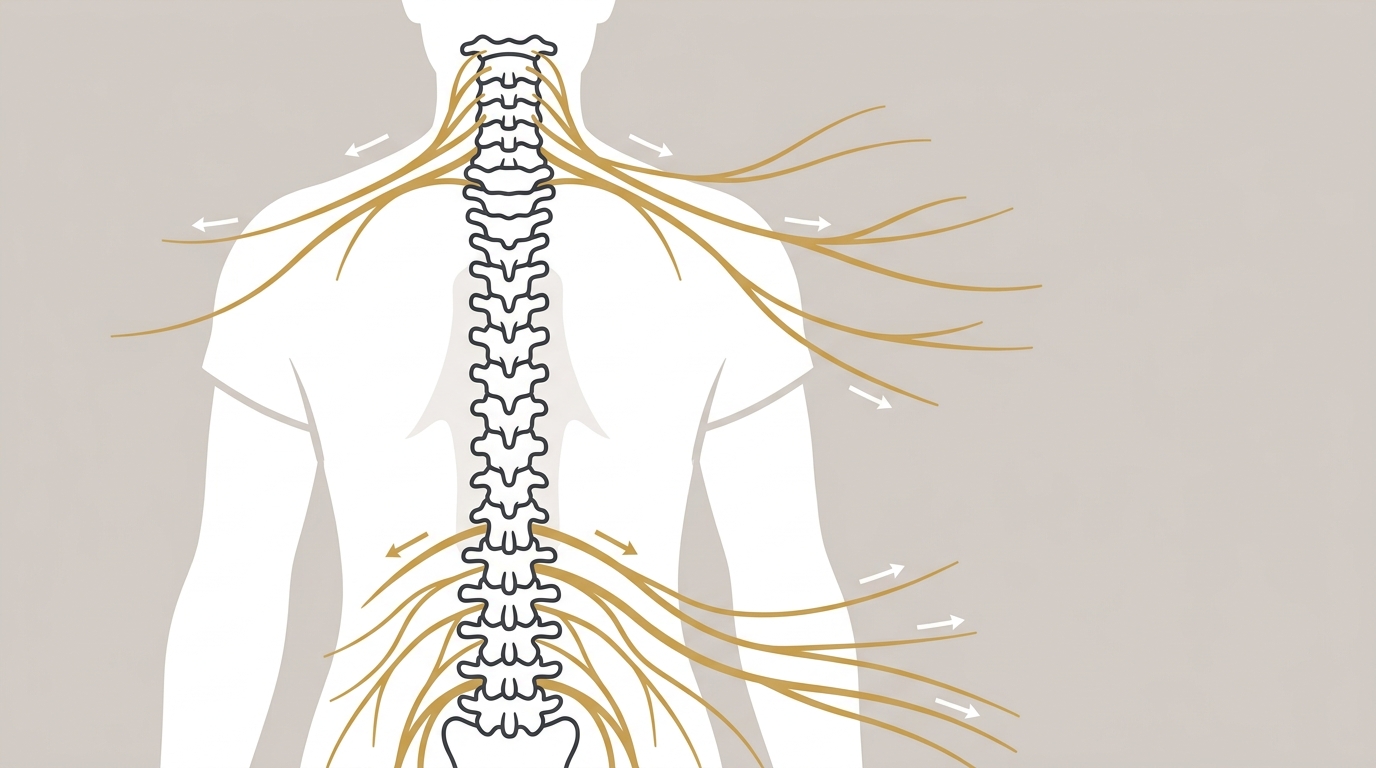
Three stages. Not because someone designed it that way on paper — because that's how nerve restoration actually works at a biological level.
You evaluate first. You treat second. You maintain third. Skip a stage and the previous one doesn't hold. Understanding how the Nerve Restoration Protocol addresses the nervous system at a biological level gets into the mechanisms in depth. Here's the clinical sequence.
Stage 1: Evaluation and Individualized Planning
The protocol doesn't start with a treatment. It starts with a question.
Not "what are your symptoms" — every provider has already asked that one. The question is: what's producing them? That's a harder question, and answering it requires a different kind of evaluation.
The initial evaluation at Touch of Wellness Chiropractic establishes:
- Symptom origin — Where in the neural pathway is the dysfunction occurring? Peripheral nerve involvement looks different from central involvement, and the assessment distinguishes between them.
- Contributing factors — What structural, systemic, or metabolic conditions are maintaining the nerve damage? Spinal misalignment, circulation compromise, and nutritional deficiencies each require different interventions.
- Severity and presentation — Is the damage primarily sensory (numbness, tingling, burning) or motor (weakness, coordination loss)? Both? Each pattern points toward different therapeutic priorities.
- Treatment history — What has already been tried, and what happened? Knowing what didn't work narrows the clinical picture faster and prevents repeating approaches that have already failed.
That evaluation produces a care plan. Not a template — a plan built from what you actually report. The care plan determines the sequence, intensity, and combination of therapies in Stage 2.
Stage 2: Precision Adjustments and Advanced Therapeutic Modalities
This is where the clinical work starts.
Research on chiropractic adjustments and neuroplasticity shows that spinal adjustments alter central neural function and improve peripheral motor and sensory recovery — consistent with what clinical practice shows: spinal alignment isn't just a structural concern. It directly affects the nervous system's ability to communicate, regulate, and repair.
Precision chiropractic adjustments restore the spinal mechanics that nerve pathways depend on. From there, Cold Laser Therapy and Shockwave Therapy are integrated where the Stage 1 findings indicate them — not as a default package:
- Cold Laser Therapy — Photobiomodulation at the cellular level. Light energy penetrates to the affected tissue, stimulates mitochondrial activity, and promotes healing at the nerve cell level. No heat. No trauma to surrounding tissue.
- Shockwave Therapy — Acoustic pressure waves that increase blood flow, promote tissue regeneration, and address fibrosis or calcification restricting nerve pathway circulation.
- Nutritional support — Specific deficiencies directly impair the body's capacity to maintain and repair nerve tissue. B12 and other targeted nutritional interventions support the biological conditions Stage 2 therapies require to produce results.
If it's not indicated by the evaluation, it's not included. That's the distinction between a protocol and a sales menu.
Stage 3: Long-Term Nerve Health Management
Most patients don't plan for Stage 3. They expect to finish active treatment and be done.
The nervous system doesn't work that way.
Research confirms that the nervous system can adapt and recover with appropriate, sustained clinical support — but recovery has to be maintained. The conditions that enabled restoration have to persist past the active treatment phase, or the gains don't hold.
Stage 3 bridges that gap:
- Reduced-frequency maintenance adjustments to preserve the spinal mechanics Stage 2 established
- Continued nutritional support where clinically indicated
- Patient education on the lifestyle factors that protect or compromise nerve health over time
- Clear benchmarks for when active intervention is warranted again
The goal isn't indefinite treatment. It's building enough systemic stability that the nervous system can sustain its own function. When that happens, the visits get fewer. That's the outcome we're working toward — not the other direction.
| Protocol Stage | Primary Focus | Methods Used | What It Accomplishes |
|---|---|---|---|
| Stage 1: Evaluation | Identify root cause and damage pattern | Clinical assessment, case history review | Individualized care plan |
| Stage 2: Restoration | Stimulate nerve repair and restore function | Chiropractic adjustments, Cold Laser Therapy, Shockwave Therapy, nutritional support | Reduced symptoms, improved nerve function |
| Stage 3: Management | Preserve gains and prevent regression | Maintenance care, lifestyle guidance | Stable nerve function long-term |
Who This Protocol Is — and Isn't — For
Before you schedule anything, I want to be direct about who this works for.
The Nerve Restoration Protocol is a clinical commitment. Not a trial run. Not a single visit to see how things feel. Knowing that upfront is more valuable than finding out after the first appointment.
The Patients Who See Results Here
The patients who do well here tend to have one thing in common: they've tried the standard route and they're done waiting for it to produce a different outcome.
The protocol is built for patients who:
- Have chronic neuropathy symptoms — numbness, tingling, burning, weakness — that haven't responded to medication alone
- Are willing to complete a multi-stage care plan and let the evaluation drive clinical conclusions before forming their own
- Are dealing with a diagnosable root cause (diabetes, compression, nutritional deficiency, trauma) or an unexplained pattern that standard medicine has dismissed
- Understand that nerve repair is a biological process with a realistic timeline — not something that resolves in one visit
The neuropathy care approach at Touch of Wellness Chiropractic is built from what you actually report. Not what a diagnosis code says your care should look like. If previous care didn't account for your clinical reality, that's where this conversation starts differently.
This Protocol Is a Clinical Sequence — Not a Single Visit
I'll say this plainly, because you deserve to hear it before you schedule — not after.
If you're looking for one adjustment that resolves neuropathy, this is not that.
Nerve repair isn't a single-session event. Myelin doesn't regenerate overnight. Circulation doesn't normalize after one visit. The spinal corrections that reduce nerve compression need to hold across repeated sessions. None of that happens in one appointment — and expecting it to sets up an outcome that the biology can't deliver.
The One-Adjustment Miracle Seeker — the patient who expects complete resolution in a single visit and walks away after the first week when that hasn't happened — is the patient this protocol isn't designed for. Not a judgment. A clinical mismatch. The wrong expectation produces the wrong outcome, and that's true regardless of how good the protocol is.
Here's what the protocol actually requires:
- Completing the Stage 1 evaluation and receiving a care plan before drawing clinical conclusions
- Following the prescribed Stage 2 sequence rather than selectively engaging with the components that feel convenient
- Assessing outcomes at clinical benchmarks — not at the end of the first appointment
If that's not the right fit right now, that's honest information on both sides of the conversation.
For a direct look at how the protocol differs structurally from a general adjustment series, see how the Nerve Restoration Protocol differs from general chiropractic adjustments.
If you've already been through care that didn't hold — and you're trying to determine whether that was a design failure or a commitment gap — that's worth sorting out directly. Here's what happens when standard neuropathy care doesn't work in Morton and what the protocol specifically addresses.
What the Evidence Says About Non-Surgical Nerve Restoration
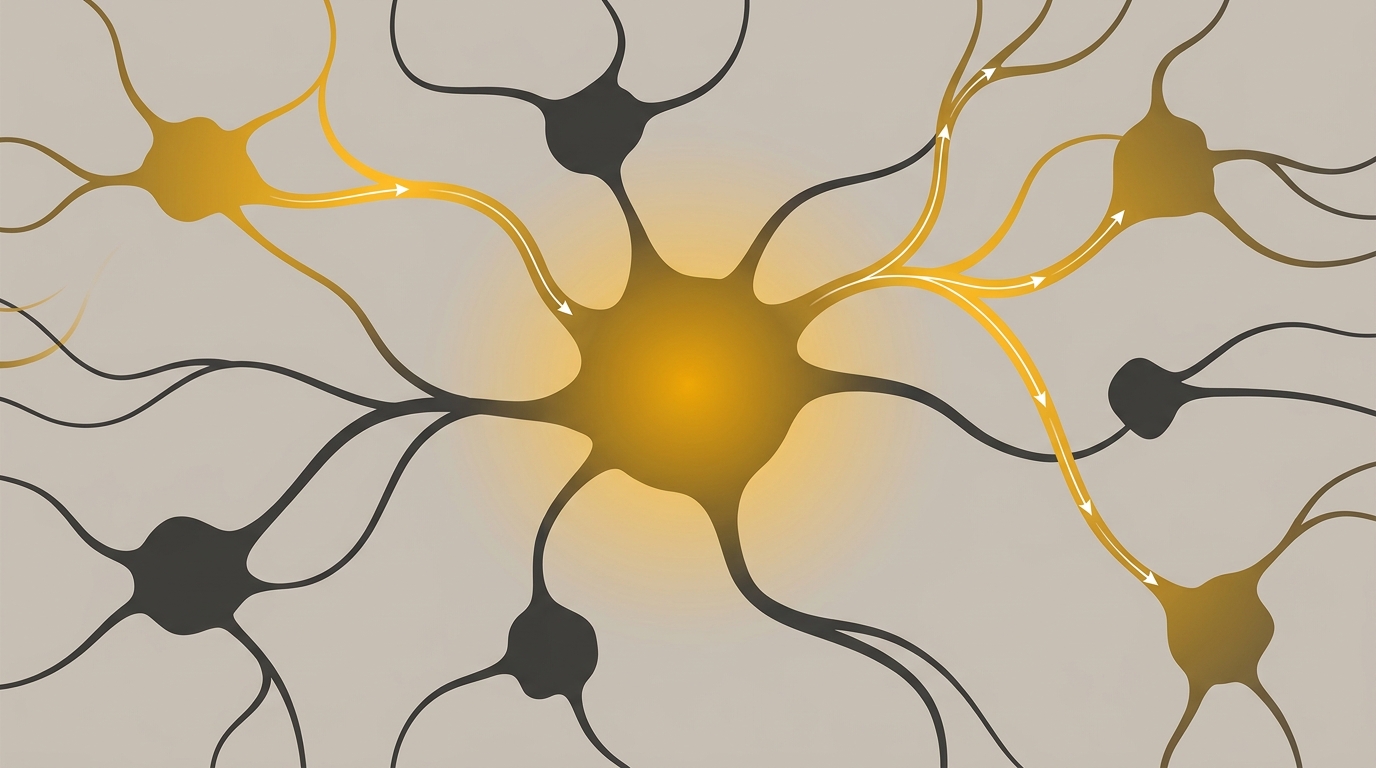
The protocol isn't built on theory. The research exists — peer-reviewed, institutionally sourced — on what this approach actually produces. Here's what it shows.
Chiropractic Adjustments and Neuroplasticity
The nervous system changes in response to input. That's not a chiropractic claim. That's neuroscience.
It's called neuroplasticity — the brain and nervous system's documented capacity to rewire, adapt, and recover from damage when the conditions support it. What chiropractic care does is create some of those conditions.
Research on chiropractic care and neuroplasticity shows that spinal adjustments alter central neural function and improve peripheral motor and sensory recovery — findings consistent with what clinical practice shows: patients receiving consistent, precision adjustments report changes in sensation and pain intensity that exceed what spinal alignment alone would explain.
There's a neurological reason for that.
Studies show that chiropractic care modulates biomarkers — including BDNF, brain-derived neurotrophic factor — linked to neuroplasticity and the reduction of systemic inflammation. BDNF is critical to nerve cell growth, survival, and repair. When it increases through consistent care, the biological environment for nerve restoration changes in a measurable direction.
Why Starting With Non-Surgical Care Matters
Sequence matters. Not just what you do — when you do it and in what order.
Current research indicates that beginning with non-invasive chiropractic care reduces the long-term need for surgical procedures and injections in neuropathy management. That's not an argument against medicine. It's an argument for starting in the right order.
When neuropathy is structural — compression, misalignment, restricted circulation — surgery addresses a consequence of the problem, not the problem itself. Starting non-surgically isn't the cautious choice. It's the logical one. Correct the mechanics first. Keep every other option still available. Don't start with irreversible when reversible hasn't been fully explored.
| Approach | Mechanism | Addresses Root Cause | Reversibility |
|---|---|---|---|
| Gabapentin / Pregabalin | Reduces nerve signal transmission | No — manages symptoms only | Fully reversible |
| Surgical decompression | Physical removal of compression source | Partially — structural cause only | Irreversible |
| Nerve Restoration Protocol | Restores nerve environment and function | Yes — targets upstream causes | Fully reversible, non-invasive |
| General chiropractic care | Spinal adjustment without therapeutic integration | Partially — depends on protocol design | Fully reversible |
Choosing non-surgical as a starting point isn't avoiding treatment. It's keeping options open while addressing the cause first.
For a deeper look at the evidence on nerve repair under structured chiropractic care, see whether specialized chiropractic care can actually heal damaged nerves.
Frequently Asked Questions About the Nerve Restoration Protocol
Is the Nerve Restoration Protocol just another name for a chiropractic adjustment?
No. A chiropractic adjustment is one component — not the protocol itself.
The adjustment restores spinal alignment and reduces nerve compression. That's foundational — but it's not the whole clinical picture. Cold Laser Therapy, Shockwave Therapy, and nutritional support are integrated into the protocol based on what Stage 1 identifies. Take one of those elements out and you're running part of the protocol. Part of the protocol produces part of the outcome.
How long does it take for the protocol to show results?
Results vary by patient, cause, and severity of the nerve damage. That's not a hedge — it's the clinical reality.
What most patients notice first isn't dramatic restoration. It's symptoms that stop getting worse, then start to ease. The care plan from Stage 1 establishes specific benchmarks so that progress — or the absence of it — is tracked, not guessed at. If something isn't working at a benchmark, the plan changes. Results may vary.
Can this protocol help if my neuropathy is caused by diabetes?
Yes. Diabetic neuropathy is one of the most common presentations this protocol is designed to address.
It develops because blood sugar damage compromises the microvascular supply to peripheral nerves. Without circulation, nerves don't get what they need to survive — let alone repair. The protocol addresses that directly through Cold Laser Therapy's photobiomodulation at the microvascular level, improved spinal mechanics, and targeted nutritional support. It works alongside diabetes management — it doesn't replace it.
What if I've already had surgery or injections?
The protocol is non-invasive and safe for most post-surgical patients.
Surgery for neuropathy often addresses the compression source — but it doesn't restore the nerve function the compression impaired. That's the gap the protocol is designed for. If the structural problem is resolved but the neurological symptoms persist, that's a different clinical problem — and it's one the Nerve Restoration Protocol directly addresses.
Prior surgery and injection history are part of the Stage 1 evaluation. They shape how Stage 2 is sequenced. They don't disqualify you.
What happens after completing the Nerve Restoration Protocol?
Patients who complete the protocol transition to Stage 3: long-term nerve health management.
This phase is less intensive than active restoration. The frequency of care drops. The focus shifts to preserving what Stage 2 built — spinal mechanics, nerve pathway integrity, the nutritional conditions that support nerve health — and to monitoring for signs that active intervention is needed again.
You'll know what Stage 3 looks like before Stage 2 starts. That's part of the care plan.
Is this protocol only available in Morton?
The Nerve Restoration Protocol is offered at Touch of Wellness Chiropractic, 1101 W Jackson St Ste A, Morton, IL 61550. Dr. Karen Hannah's practice serves patients from Morton, Peoria, Pekin, Mackinaw, Tremont, Washington, East Peoria, Goodfield, Eureka, Bloomington, Carlock, and Hopedale.
If you're in central Illinois and dealing with chronic neuropathy symptoms, Morton is the geographic scope of this practice.
Why hasn't my doctor mentioned this approach?
Most primary care physicians aren't trained in non-surgical nerve restoration.
Their standard toolbox for peripheral neuropathy centers on pharmaceutical management — Gabapentin, Lyrica, amitriptyline — and neurology referrals when symptoms become severe. That's a scope limitation, not negligence. Chiropractic care and advanced therapeutic modalities aren't part of standard medical training for neuropathy.
What your primary care provider hasn't mentioned is consistent with what they were trained to offer — not a comprehensive map of what's clinically available.
If your neuropathy diagnosis came with a prescription and a follow-up date and not much else — that's the gap. It's not that the answer doesn't exist. It's that the referral wasn't made.
Real Answers Are the Clinical Standard Here
Managing neuropathy and treating neuropathy are not the same thing.
If you've been managing it for a few years now, you already know that. The symptoms are quieter on the good days. They're back on the bad ones. The medication doesn't stop working — it just stops being enough. And somewhere along the way, "management" becomes the permanent plan without anyone saying it out loud.
Real answers are more valuable than comfortable ones. That's not a marketing line. It's the clinical philosophy that shapes how care plans get built at Touch of Wellness Chiropractic — how progress gets tracked, how the approach changes when something isn't working, and how a patient knows when they're actually done with active treatment.
This protocol exists because the standard answer for peripheral neuropathy isn't a clinical answer. It's a holding pattern. And holding patterns don't produce restoration.
If you've been told neuropathy is just something you'll manage for the rest of your life — that conclusion deserves to be tested. Peripheral nerves have real capacity to heal. What they need is the right environment and the right clinical sequence to do it.
If you've been told your neuropathy is manageable — and you're wondering why it still isn't managed — that's the question worth answering.
A clinical evaluation at Touch of Wellness Chiropractic starts from what's actually driving your nerve symptoms. Not a protocol lifted from a standard playbook. Not a care timeline built before the assessment is finished. What you report, what the evaluation shows, and what a structured restoration sequence looks like for your specific case.
Schedule your nerve restoration evaluation.
Peripheral nerves have real capacity to heal. The evaluation determines whether we can create the conditions for it.
Copyright Touch of Wellness Chiropractic 2026
1101 W Jackson St, Suite A Morton, IL 61550
Web Design by iTech Valet