
Long-term visit commitments worry neuropathy care patients because nerve damage is unpredictable, and a fixed-length treatment plan ignores that unpredictability. Peripheral neuropathy involves nerve fibers that respond to care at different rates depending on the degree of damage, the underlying cause, and how the body reacts over time. Patients are being asked to commit time, money, and trust to a process that, by nature, cannot be fully mapped out in advance. A responsible approach relies on ongoing reassessment, adjusting frequency and duration based on measured progress rather than a number decided before the first visit. Warning signs of a rigid, predetermined plan include a fixed total visit count presented before any evaluation, pressure to commit financially before improvement is assessed, and no built-in checkpoints for modifying the plan. Conversely, an adaptive model uses progress markers, patient-reported changes in symptoms, and periodic reevaluation to decide whether to continue, adjust, or conclude care. Shared decision-making between patient and provider, rather than a one-size-fits-all template, is central to this approach. The underlying principle is straightforward: a care plan should respond to what the body is actually doing, not to a calendar set in advance. When a plan stops adjusting and becomes a fixed schedule instead, it has stopped serving the patient it was built for.
Why Neuropathy Care Timelines Vary From Patient to Patient
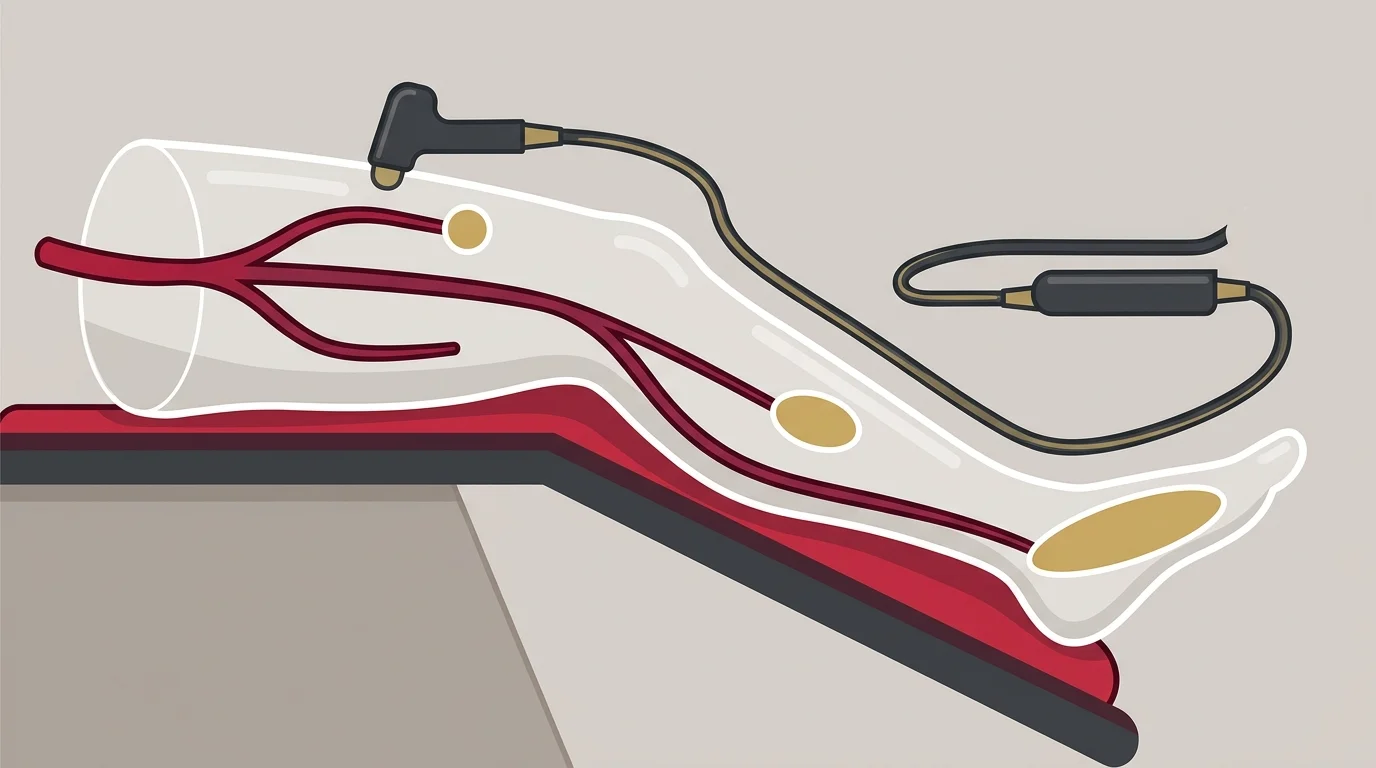
Nerve conditions do not progress on a shared timeline. Two patients with the same diagnosis can respond to Neuropathy Care at entirely different speeds.
Patients dismissed by traditional medicine are not imagining their symptoms. A timeline that refuses to vary is really a market assumption that every nerve condition behaves the same way, and that assumption does not hold up against how nerve fibers actually heal.
What a Nerve Condition Actually Determines About a Care Timeline
A nerve's own condition sets the pace of care, not a calendar written in advance. Degree of fiber damage, the cause behind it, and how a patient's body responds all shift what a reasonable timeline looks like.
A guide to the essentials before starting nerve pain treatment locally lays out what a patient should confirm before any of that work even begins.
Where the Predetermined Protocol Model Breaks Down
Here's where the predetermined protocol model breaks: it assumes every nerve condition behaves the same way. No protocol is proven for every patient. Fiber damage, cause, and healing response all shift from one case to the next.
So the hesitation patients feel isn't about avoiding care. It's a deep fear of being locked into a costly, rigid, and possibly ineffective protocol, one written before anyone knew how their body would respond.
Why Fixed-Length Protocols Fail When They Ignore Nerve Response
A long-term visit commitment asks for a patient's time, financial resources, and trust. Those three things are incredibly valuable, and a fixed protocol spends all of them upfront, before the first adjustment even shows what the nerve is doing.
Now, a protocol that can't change when the body does isn't serving the patient anymore. For patients weighing other paths, moving beyond medication for nerve pain shows what that shift looks like in real life.
How Progress Gets Measured Inside an Adaptive Protocol

Unexplained does not mean untreatable. A nerve symptom that resists easy labeling is not a dead end — it is a measurement problem, and an adaptive protocol solves it by tracking what the body reports, not by declaring the case closed.
So inside what chiropractic treatment involves, progress gets measured the same way the plan gets built: through reassessment, not assumption. Symptom change, functional markers, and what the patient reports take the calendar's place as the thing that decides what happens next.
| Progress Marker | What It Signals | Typical Review Point |
|---|---|---|
| Symptom change | Whether pain, numbness, or tingling is shifting in intensity or spread | Each visit, compared against the patient's own baseline |
| Functional markers | Whether daily movement, balance, or sensation is improving in ways the patient notices | Short intervals early, spacing out as a trend becomes clear |
| Patient-reported shifts | What the patient says is different, which can surface before a clinical marker does | Every reassessment conversation, not just scheduled milestones |
| Plateau signal | No meaningful change across several visits, suggesting the current approach needs to adjust | The point where frequency, technique, or duration gets reconsidered |
| Contradiction signal | A patient-reported change that runs against what the original visit count assumed | Immediate review, regardless of where the plan sits on a calendar |
The Markers That Signal a Protocol Should Change Course
When symptom reports flatten into a plateau, the protocol should change course. The same goes for any patient-reported shift that contradicts what the visit count assumed would have happened by now.
Satisfaction with care is measurable too. A 2025 study by Lyskjær et al. in BMC Health Services Research found that 97% of patients in Danish chiropractic clinics reported a very high or high degree of overall satisfaction with care.
The Architecture of a Collaborative Treatment Plan
A collaborative treatment plan is not a generalist template stretched to fit a nervous system case. Specialized nerve and spinal care is a different discipline than guiding a family through every condition from newborn checkups to senior care.
A practice built to cover every age and every complaint cannot also build the reassessment architecture nerve damage requires. The two models compete for the same attention, and nerve-specific tracking loses when it is one offering among dozens.
Where Shared Decision-Making Fits Into Ongoing Care
Shared decision-making is how a plan keeps up with a body that keeps changing. The patient reports what the nerve is doing, and the provider reads that against measured progress. Then the next stretch of care gets built from that conversation.
But that loop only runs well inside a model narrow enough to hold it. A system built around Neuropathy Care, not every condition that walks through the door, keeps the body and the plan moving together. Neuropathy care protocols usually run 8 to 12 weeks, with checkpoints that can shorten, extend or change the plan.
How a Neuropathy Visit Plan Is Actually Built and Adjusted
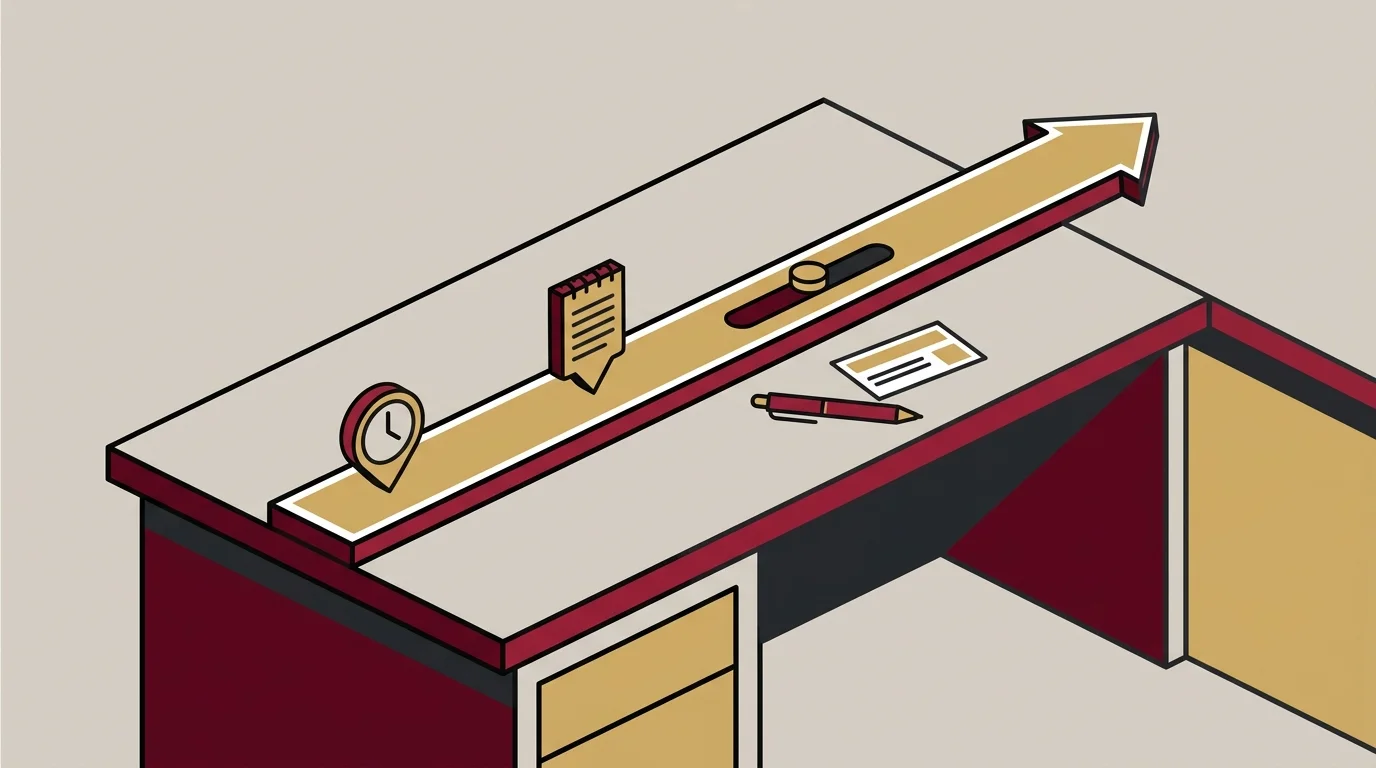
A visit plan isn't written once and filed away in a drawer. It's built one checkpoint at a time, starting at the first evaluation and moving forward only as far as the evidence allows.
| Visit Stage | Primary Focus | What Determines the Next Step |
|---|---|---|
| Initial Evaluation | Establishing a baseline for fiber damage, symptom pattern, and functional limits | Whether findings support starting Neuropathy Care and at what starting frequency |
| Early Reassessment Visits | Tracking how the nerve responds to the first stretch of Chiropractic adjustment and supporting care | Patient-reported symptom change measured against the baseline, not a preset visit count |
| Mid-Course Checkpoint | Comparing measured progress against what the original plan assumed would happen by this point | Whether frequency holds steady, increases, tapers, or the plan changes direction entirely |
| Plateau or Shift Review | Identifying a stall in symptom reporting or an unexpected change in how the nerve is behaving | Whether the protocol needs restructuring rather than continuing on its original course |
| Conclusion or Transition | Confirming that functional markers and patient-reported outcomes justify ending or stepping down care | Whether the agreement between patient and provider has been fulfilled, not whether a calendar ran out |
The Review Points That Keep a Plan Honest
The first visit sets a baseline, not a finish line. Fiber damage, symptom pattern, and functional limits get recorded before anyone decides how often care happens.
From there, every return visit checks the plan against what actually changed. A protocol that asks for a patient's time and trust owes that patient a clear reason, at every step, for why care keeps going as written.
Frequently Asked Questions
A few mechanical questions come up once patients understand how an adaptive plan is supposed to work. Here are the straight answers.
What happens if I don't see improvement within the initial chiropractic treatment timeframe?
The plan gets reassessed, not extended by default. A lack of measurable progress is reason to adjust frequency, approach, or duration — not a reason to keep running the original number.
How can I tell if a proposed neuropathy care plan is too long or based on a predetermined template?
Watch for a total visit count handed over before any evaluation happens. A credible plan sets a baseline first. Then it builds forward from measured progress.
What will I know about costs before committing to a neuropathy care plan?
Patients know their costs before treatment starts. Insurance is checked at the first visit, and there are no hidden admin fees.
How is progress measured in neuropathy care to justify continuing treatment?
Progress gets tracked through symptom change, functional markers, and what a patient reports between visits. Those findings, not a calendar, decide what happens next.
Where This Leaves You
Every treatment plan is a contract between two moving parts. One is a body that keeps changing, and the other is a plan that's supposed to change right along with it.
The fear neuropathy patients carry into that first visit is not resistance to care. It is a reasonable response to an industry that sells fixed calendars for conditions that refuse to run on one. A plan that cannot adjust isn't built for that body.
Honoring that contract means building the plan one checkpoint at a time, around what a nerve is actually doing. That is what Neuropathy Care looks like when it is built to track a body instead of a brochure. If a visit plan should be answering to your progress instead of a predetermined number, schedule a neuropathy evaluation.
Results may vary.