
The National Library of Medicine says some common posture problems can cause discomfort in the lower back, and holding poor posture for a long time could raise the risk of injuries to the lower spine. The American Chiropractic Association says exercise, also called "active" care, should be built into the management plan more and more. A study in Physical Therapy says how well exercise treatment works depends largely on whether patients stick with it, and that without a clinician watching over them, patients often do not follow home-based exercise advice well, which makes the treatment work less well.
Why a Correct Care Plan Can Still Stall
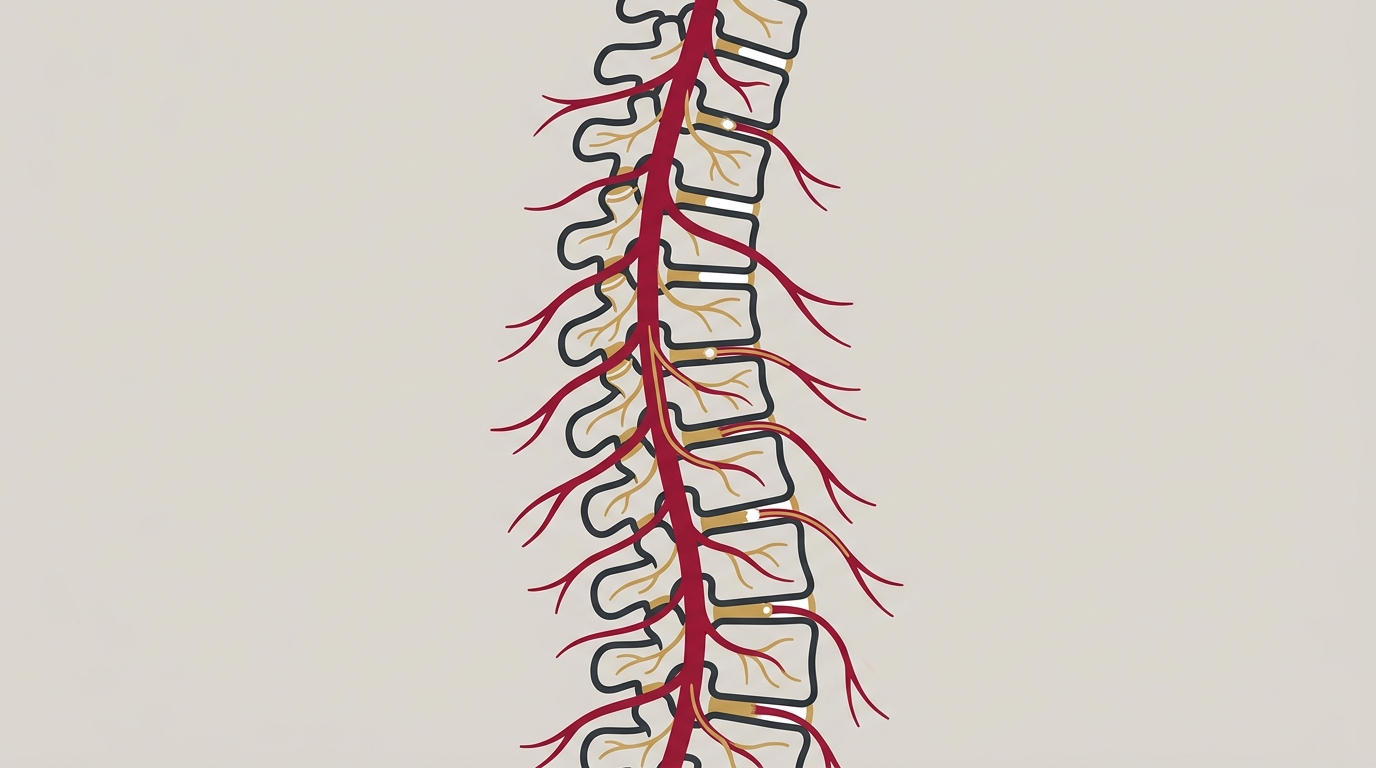
Touch of Wellness Chiropractic serves adults in Morton, Tazewell County and nearby Peoria, East Peoria, Washington and Pekin. These adults have back, neck, disc, joint or nerve pain that has started to get in the way of sleep and work. Often other care did not help. They want a care plan built for them.
Even a good plan can slow down. The American Chiropractic Association says many factors can make a patient's condition, recovery or response to treatment more complicated.
A 2023 guideline in the Journal of Manipulative and Physiological Therapeutics says psychosocial factors shape pain. That means mind, mood and life factors. So the guideline says to ask you about anything that might delay your recovery or make your pain worse.
If you tell me other doctors brushed you off, I take your symptoms as real. I never hint that it's in your head. A stall is real, and I go looking for its cause.
I'd also rather give you an honest reason for a stall, even an unwelcome one, than a nice-sounding line that explains nothing.
Posture and Activity Habits That Work Against Your Plan
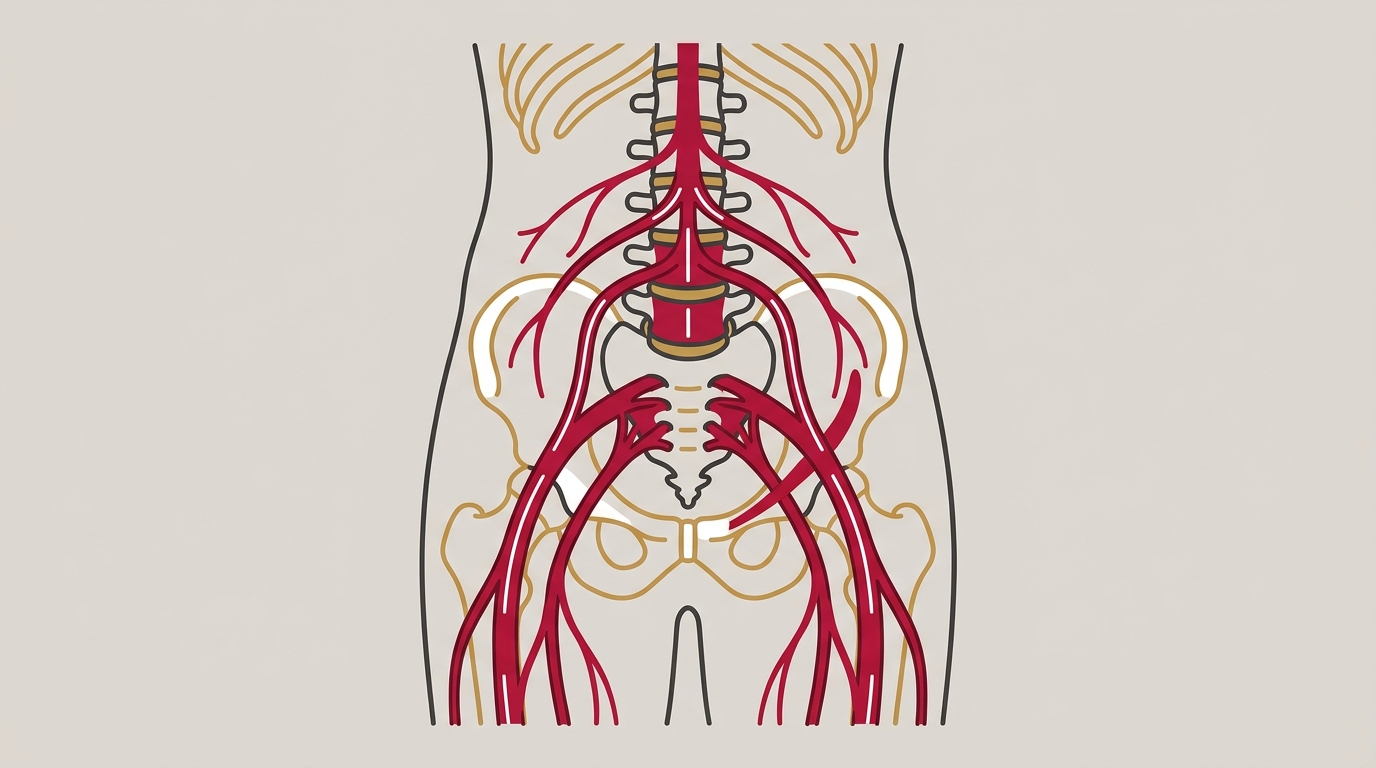
The National Library of Medicine says some common posture problems can cause discomfort in the lower back. It also says that holding poor posture for a long time could raise the risk of injuries to the lower spine.
Staying in bed isn't the answer. American Family Physician says studies on back pain treatment support early patient education on two things. One is staying physically active and avoiding bed rest. The other is setting expectations for a positive treatment response, because that may help improve outcomes. You can read the full paper, Chronic Low Back Pain in Adults: Evaluation and Management.
I don't hand every patient the same routine. One fixed routine for everyone treats people like units on a line. I ask about your own sitting, standing and moving habits, and I fit your plan to those.
Why Home Exercise Often Fails Without Follow-Through
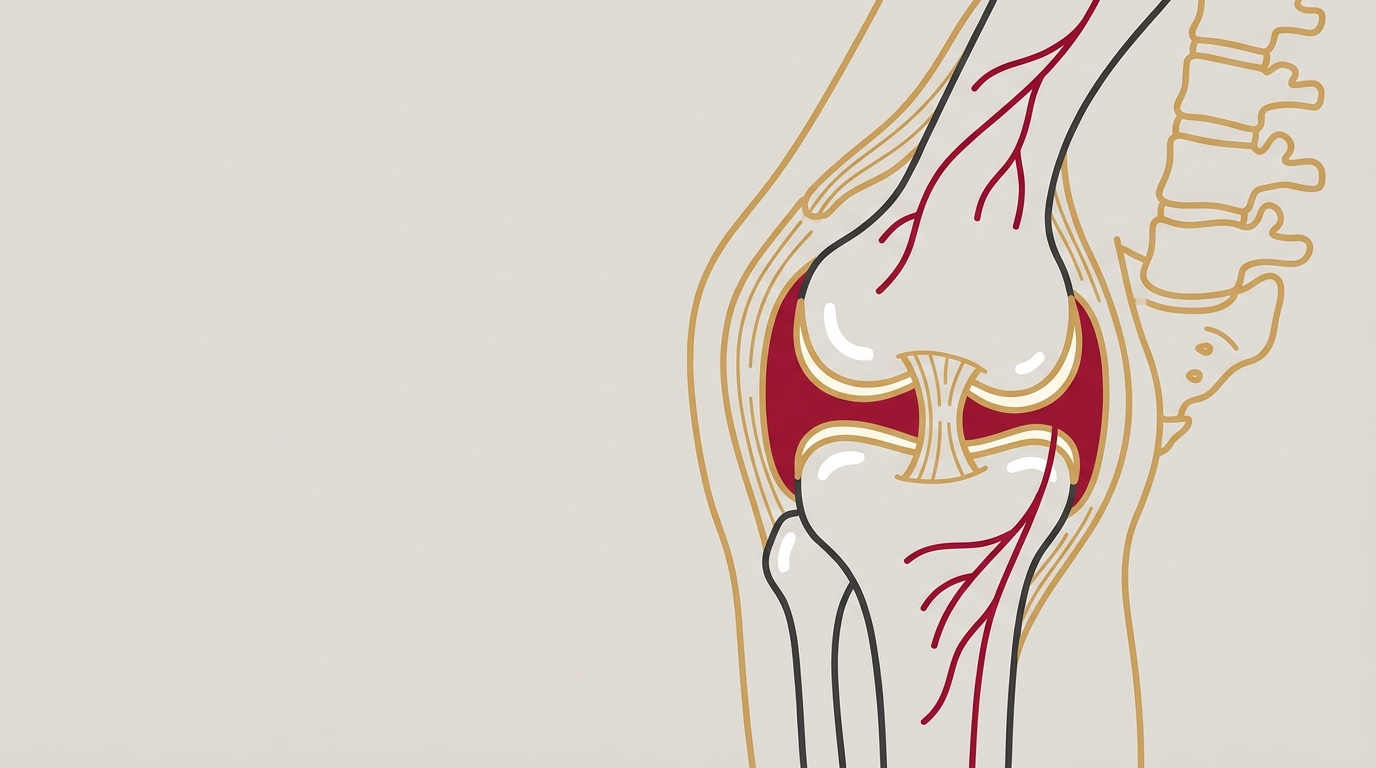
The American Chiropractic Association says exercise, also called "active" care, should be built into a plan of management more and more.
A study in Physical Therapy says how well exercise treatment works depends largely on whether you stick with it. It also says that without a clinician watching over them, patients often don't follow home-based exercise advice well, and that makes the treatment work less well. The study is called Trajectories of Adherence to Home-Based Exercise Recommendations Among People With Low Back Pain.
The Department of Veterans Affairs and Department of Defense (VA/DoD) says that for chronic low back pain, exercise programs prescribed by healthcare providers can help improve physical function slowly and reduce pain sensitivity.
How Poor Sleep Is Linked to Pain and Lost Activity
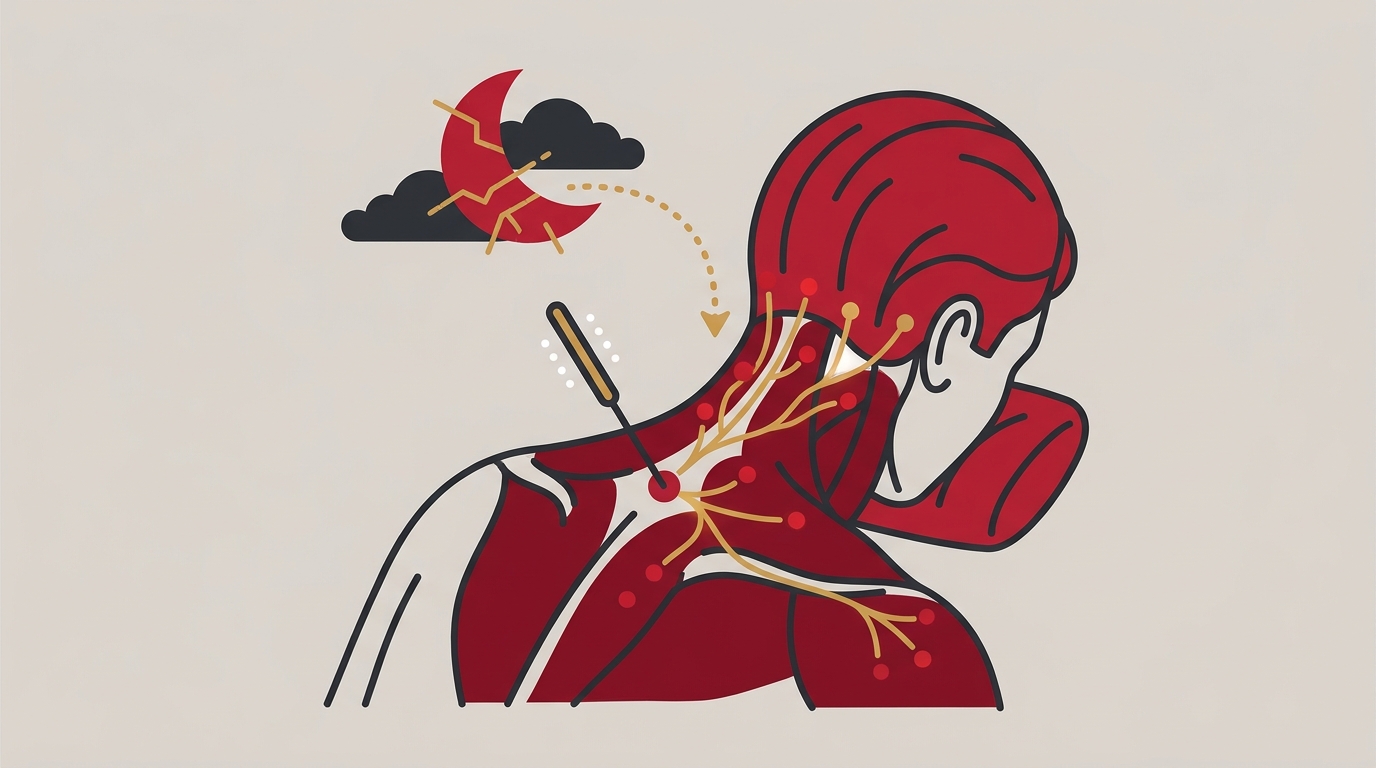
In one study, having a sleep problem beforehand was significantly linked to neck pain starting. The longer the sleep problem lasted, the stronger the link. The study reports adjusted odds ratios, which show how many times higher the odds of neck pain were after the study accounted for other factors. Each one comes with a 95% confidence range, the range the true value likely falls in.
- Sleep problem for less than 1 year: 1.86 (range 1.08 to 3.20)
- Sleep problem for 1 year to under 2 years: 2.39 (range 1.22 to 4.70)
- Sleep problem for 2 years or more: 3.00 (range 1.94 to 4.65)
Another study checked in on social activity a year later. Pain and each insomnia symptom were linked to restricted social activities at the 12 month follow-up. These odds ratios are unadjusted, meaning the study didn't account for other factors, unlike the adjusted figures above. They show how many times higher the odds of restricted social activities were.
- Pain: 2.3 (range 1.5 to 3.5)
- Delayed sleep onset: 6.1 (range 4.0 to 9.1)
- Difficulty maintaining sleep: 3.2 (range 2.3 to 4.4)
- Early wakening: 4.1 (range 2.9 to 5.9)
- Non-restorative sleep: 4.0 (range 2.8 to 5.8)
The VA/DoD treats sleep as part of your care too. One goal it lists is to take care of other health issues that exist along with chronic pain, such as muscle weakness, poor sleep and poor diet.
The table below lines up what the research links to poor sleep and pain.
| Factor | What the research shows |
|---|---|
| Sleep disturbance before pain starts | Significantly linked to the start of neck pain, more strongly the longer the sleep problem lasted |
| Pain and each insomnia symptom | Each linked to restricted social activities at 12 month follow-up |
| Poor sleep as a treatment goal | Listed with muscle weakness and poor diet as health issues that exist along with chronic pain, to take care of |
How Better Pain Control Through Care Can Improve Sleep
In one study, the chiropractic group had significant improvements in the light sleep stage. After 4 weeks, they also had better overall quality of life. That included significant drops in anxiety, depression, fatigue, and pain.
Another study followed people out to 52 weeks and looked at indirect effects through one of the study's own scores. The numbers were 0.64 for fatigue (95% confidence range -0.14 to 1.60), 0.82 for sleep (0.15 to 1.64), and 0.75 for social (0.12 to 1.65). A 95% confidence range is the range the true value likely falls in.
Those paths carried 44%, 17%, and 33% of the total effects. In plain terms, that share of each total effect ran through the score.
For U.S. active-duty military, improvement in pain intensity and in pain-related disability during chiropractic care were drivers of sleep disturbance and social role outcomes at 12 weeks and at 52 weeks.
Why Your Working Relationship With Your Chiropractor Matters
A study in Chiropractic & Manual Therapies used people's own words, which is called qualitative data. It suggested that a strong working alliance, meaning how you and your chiropractor work together, has the potential to help patients stick with treatment.
It also suggested that this kind of alliance is marked by ongoing talks about what to expect from the goals of care and the tasks in your treatment plan.
One research group found that a stronger working alliance on all three features (bond, tasks, and goals) was a statistically significant predictor of less back-related disability over time. Statistically significant means the result is unlikely to be just chance. This was in patients going to physiotherapy, osteopathy, and acupuncture clinics.
A recent study found that patients' rating of working alliance was a positive predictor of improvement in region specific outcome measures, which are measures for the body area that hurts. This was in patients receiving physical therapy for acute and chronic musculoskeletal pain conditions.
When Habit Changes Aren't Enough
Sometimes better habits don't settle the pain. American Family Physician says patients with chronic low back pain should get a history and a physical exam.
The exam looks for red flags, which may point to serious conditions that need action right away. It also looks for yellow flags, which are psychological, environmental, and social factors that show a risk of disability.
The same source says routine imaging is not recommended for chronic low back pain. It is called for when red flags are present, when there is a nerve and muscle deficit, or when the pain does not go away with conservative therapy. You can read the source here: Chronic Low Back Pain in Adults: Evaluation and Management.
When pain doesn't settle, the plan gets reassessed. We lay out how in Reassessing Care Plans When Pain Does Not Improve: A Complete Guide.
I don't keep anyone on a therapy that shows no results. I judge care by whether you respond, and if you don't, I change course. Our Chiropractic Care page explains how the work is done.
Frequently Asked Questions
If I change my home habits, will my pain go away on its own?
Home habits are one part of a plan, not the whole thing. American Family Physician defines chronic low back pain as pain in the lower back that lasts 12 weeks or more. It says this happens in about 13 out of 100 (13%) U.S. adults.
It also says treatment without drugs is first-line management. That may include therapies with varying evidence of support, such as counseling, exercise therapy, spinal adjustment, massage, heat, dry needling, acupuncture, transcutaneous electrical nerve stimulation (small electric pulses through the skin), and physical therapy.
If your pain has lasted 12 weeks or more, talk with your chiropractor about the whole plan, not habits alone.
Is chiropractic adjustment better than other therapies for chronic low back pain?
Not according to American Family Physician. For patients with chronic low back pain, spinal adjustment results in small improvements in pain and function. The outcomes are comparable with, but not superior to, other recommended therapies. Ask your chiropractor how each choice fits your pain and your goals.
How common is trouble staying asleep?
In a study of adults registered with primary care, 298 people (25.2%, about 1 in 4) reported difficulty maintaining sleep at the start of the study.
At that same point, 880 people (74.5%) reported pain. Another 122 (10.3%) reported taking longer to fall asleep, 188 (15.9%) reported waking early, and 215 (18.2%) reported sleep that did not leave them rested.
If your sleep is poor, tell your chiropractor so it can be part of your care.
Where can I stay active around Morton and Peoria?
According to morton-il.gov, water sports, fishing, camping, bike trails, hiking, and nature preserves are easily accessible from Morton.
In Peoria, peoriagov.org says the Rock Island Greenway winds through the city from the north, goes through Peoria Heights and across War Memorial Drive, and right now ends at Spring Street.
Pick one that fits how you feel, and tell your chiropractor what you chose.
Keep Your Plan Moving Forward
Home habits can quietly hold back a plan that's right for you. Look at how you sit, move, and sleep, and adjust what you can.
The American Chiropractic Association says many factors can make a patient's condition, recovery or response to treatment more complicated. If progress still stalls, the plan should be reassessed.
Touch of Wellness Chiropractic provides chiropractic care and acupuncture to adults in Morton, Tazewell County and nearby Peoria, East Peoria, Washington and Pekin. If you have back, neck, disc, joint or nerve pain and want a care plan built for you, we're here for that.
If you have a sudden severe headache, numbness or weakness in an arm or leg, trouble speaking or seeing, or loss of bladder or bowel control, call 911 or your doctor right away.
Are you ready to talk about a plan that fits your life? Book Appointment
Results may vary.