
Sleep hygiene apps fail chronic insomnia because they target behavior instead of the nervous system driving the problem. These tools track bedtimes, screen use, and room temperature, then generate reminders and scores meant to nudge better habits. That approach assumes the barrier to sleep is a lack of information or discipline. For many people with chronic insomnia, the real barrier is physiological: the autonomic nervous system stays locked in a sympathetic, fight-or-flight state well into the night. This is the branch of the nervous system responsible for heightened heart rate, shallow breathing, and constant alertness, all of which are the opposite of what the body needs to fall and stay asleep. No amount of behavioral adjustment can override that internal state, because the state itself is neurological, not habitual. A nervous system stuck in high alert will resist sleep even when every external condition is optimized. Dimmed lights, a cool room, and a consistent bedtime do nothing to correct a dysregulated autonomic response. Lasting improvement requires restoring balance between the sympathetic and parasympathetic branches of the nervous system, shifting the body out of alert mode and into a state where rest is physiologically possible. This is a structural and neurological correction, not a behavioral one. Sleep hygiene tools operate entirely at the surface level, adjusting inputs and routines while leaving the underlying nervous system state untouched. Until that internal state changes, the behaviors an app tracks and encourages remain secondary to the actual mechanism keeping the body awake.
What Sleep Hygiene Apps Actually Measure — And What They Miss
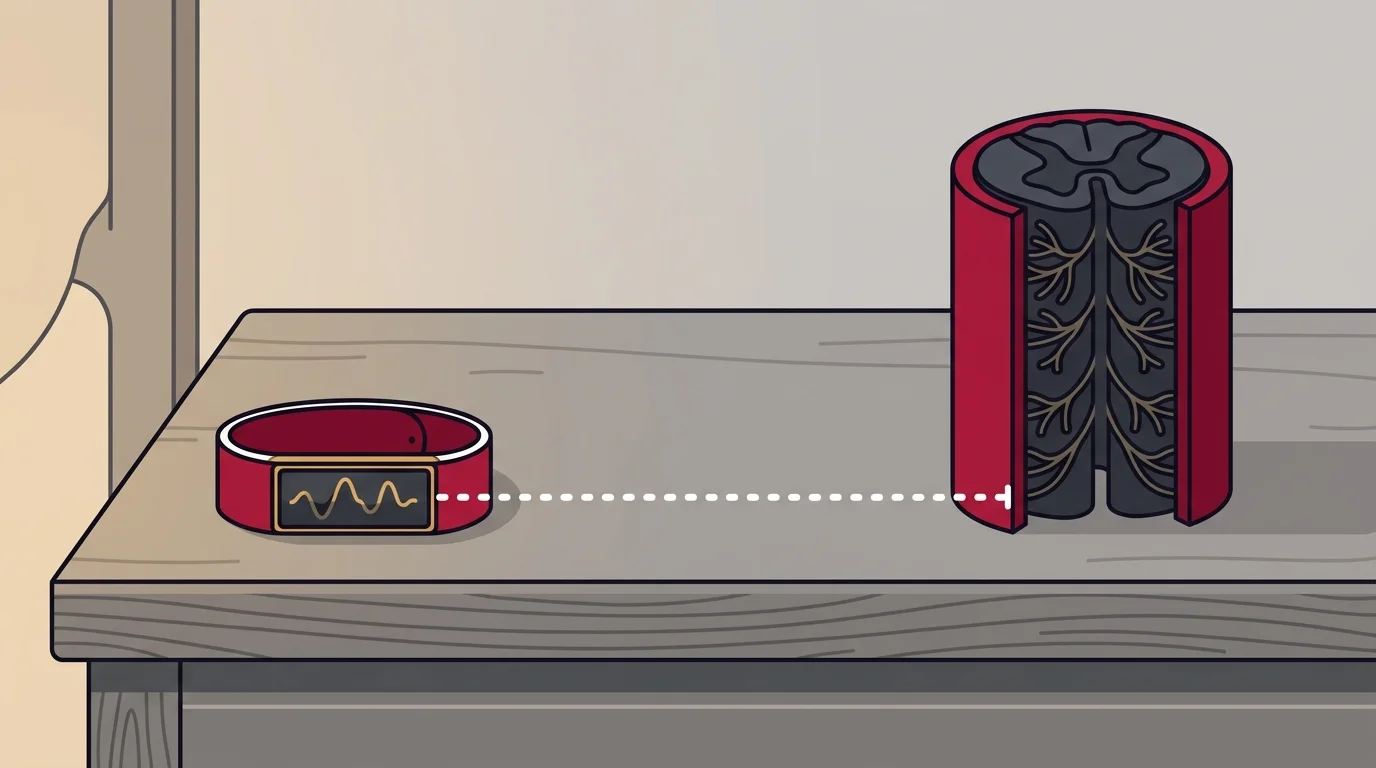
So what do these apps actually measure? Sleep tracking apps promise a data-driven path to better rest, turning your nightly patterns into charts and scores.
They read motion, heart rate, and sometimes blood oxygen. Then they guess at your sleep stages from those signals. That guess is where the trouble starts, especially when a nervous system is already running hot.
| Metric | What the App Tracks | What It Misses |
|---|---|---|
| Total Sleep Time | Motion and heart rate signals used to estimate minutes asleep | Whether the nervous system is actually in a restorative parasympathetic state or just lying still while sympathetic arousal continues |
| Sleep Stages | Algorithmic inference of light, deep, and REM cycles from movement and heart rate patterns | The autonomic imbalance that prevents the body from transitioning into deeper stages in the first place |
| Wake After Sleep Onset | Interruptions the app detects through movement or heart rate spikes | Nervous system hyperarousal that keeps the body in a fight-or-flight holding pattern between those interruptions |
| Sleep Score | A composite number built from the tracked metrics above, framed as a daily grade | The physiological driver behind a poor score, since the score reflects symptoms and never the underlying autonomic cause |
Where the Data Breaks Down
Here's where the gap between the guess and the truth grows wide. In people with insomnia, consumer-grade smartwatches show less satisfactory agreement with polysomnography, overestimating total sleep time by 28.7 minutes while underestimating wake after sleep onset by 37.00 minutes. PubMed Central documents that consumer-grade smartwatches show less satisfactory agreement with polysomnography in patients with insomnia, tending to overestimate total sleep time by +28.7 minutes while underestimating wake after sleep onset by −37.00 minutes.
That margin means the exact population these devices are marketed to gets the least reliable picture. A device can't see a fight-or-flight nervous system driving the miscount, any more than changing a phone's wallpaper repairs a cracked motherboard underneath. For a deeper look at what's happening structurally during rest, see the full guide to restoring sleep neurologically.
Why Behavior Tracking Was Never Built for a Dysregulated Nervous System
So why does behavior tracking miss the target so completely? Because it was never built to look at the nervous system in the first place.
For many people struggling with chronic insomnia, the problem isn't a lack of effort or a poor bedtime routine. It's a nervous system that won't power down, and no app was designed to read that.
The Fight-or-Flight State and What It Does to Sleep Architecture
About the autonomic nervous system: it runs the body on its own. It works in the background, steering heart rate, breathing, and digestion without ever asking permission.
But when that system stays locked in fight-or-flight, sleep architecture never gets the signal to shift. The body stays braced for a threat that isn't there, and the deep, restorative stages of sleep just don't show up on schedule.
How the Sympathetic Nervous System Overrides the Sleep Switch
Now, about that sleep switch. It's neurological, not behavioral, and the sympathetic nervous system can override it no matter what the bedroom looks like or when the lights go off.
So that override is exactly why sleep hygiene apps and sleeping pills both stall at the same wall. For a direct comparison of what each approach actually reaches, see Chiropractic Adjustments vs. Sleeping Pills.
Reading the Body's Own Signal — Heart Rate Variability and Autonomic Balance
So how do you actually see a nervous system stuck in overdrive? Heart rate variability is one way. Recorded through an electrocardiogram, it tracks how the sympathetic and parasympathetic branches trade control of heart rate from beat to beat.
In healthy adults aged 18 to 45, that balance shifts measurably under stress. Work available through An environmental and public health journal indicates heart rate variability measured via electrocardiogram provides information about autonomic functioning because the autonomic nervous system modulates control of heart rate through its sympathetic and parasympathetic branches. That shift confirms what a sleep tracker can't see: the same sympathetic dominance keeping someone braced during a stress test is what keeps a nervous system awake at night. For more on what pulls that system out of the pattern, see Pharmaceutical Sleep Aid Dependency.
| Indicator | Balanced Autonomic State | Dysregulated State |
|---|---|---|
| Heart Rate Pattern | Smooth beat-to-beat variation, rising and falling with breath and movement | Rigid, narrow variation that stays elevated even at rest |
| Autonomic Branch in Control | Parasympathetic branch leads, easing heart rate and supporting recovery | Sympathetic branch dominates, keeping the body braced for a threat |
| Response to Rest Cues | Heart rate slows as the body recognizes darkness and stillness as safe | Heart rate stays elevated regardless of external rest cues |
| Breathing Pattern | Slow, deep, diaphragmatic breathing that mirrors a calm nervous system | Shallow, rapid breathing tied to sustained alertness |
| Sleep Onset Behavior | Transition into sleep happens without resistance once conditions align | Body resists sleep onset even when every external condition is optimized |
Why Sleep Hygiene Advice Fails Once the Nervous System Is Stuck
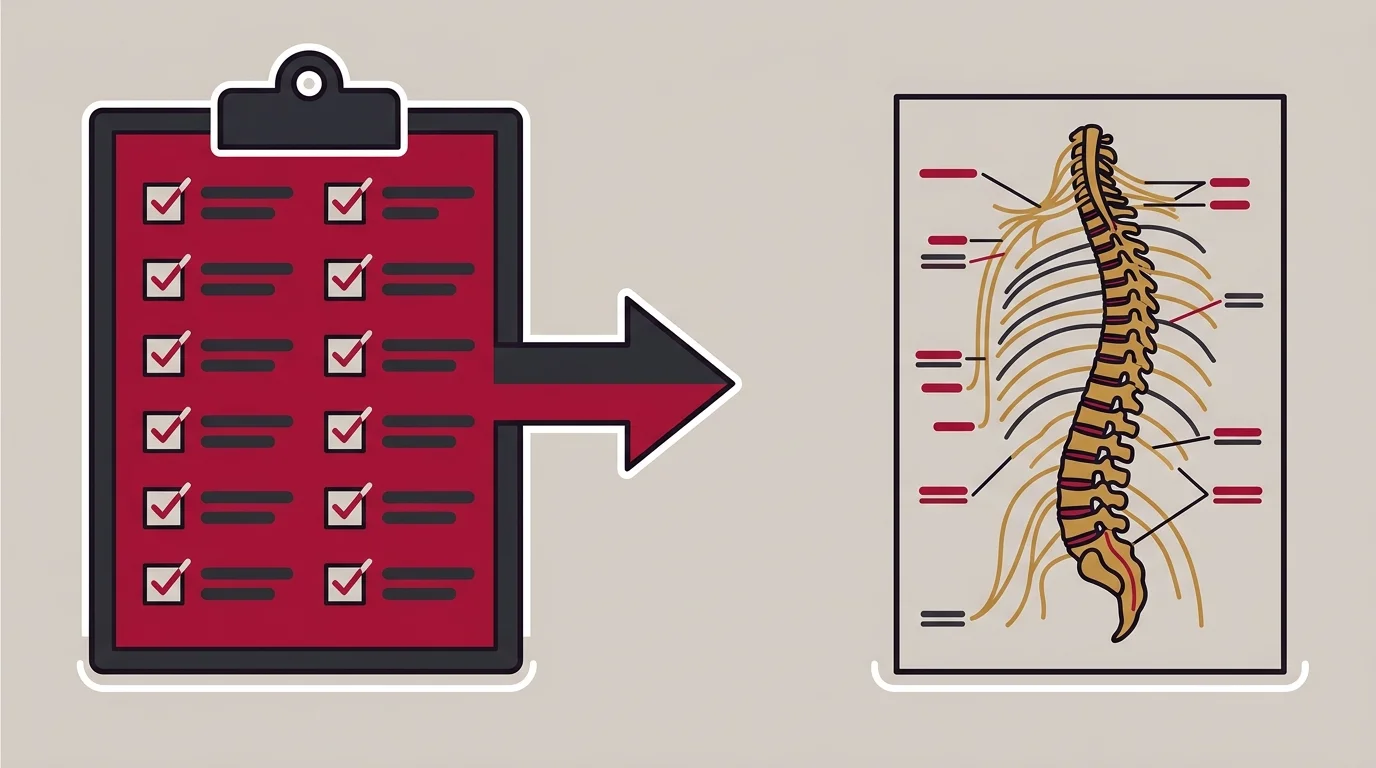
So once heart rate variability confirms the nervous system is running hot, the standard advice still points at behavior. Dim the lights, cool the room, silence the phone. None of that reaches the sympathetic override driving the sleeplessness in the first place.
The Problem With Treating Insomnia as a Behavior Problem
Here's the problem: sleep hygiene treats insomnia as a habit failure, not a physiological one. The concept focuses on behaviors and environment, often overlooking the internal state of the person trying to sleep. A phone can't fix a cracked motherboard by changing its wallpaper, and a routine can't override a nervous system stuck in alert. For a structural look at what restores that balance, see approach that addresses the nervous system directly.
What the Medical Standard of Care Recommends — and Where It Stops
So where does the medical establishment actually land on all this? Not with an app. The clinical standard points toward a behavioral treatment, just not the kind any smartwatch can deliver.
| Treatment Approach | Primary Target | Documented Limitation |
|---|---|---|
| Sleep Hygiene Apps | Bedtime behavior and environment (lighting, screen use, room temperature) | Cannot detect or correct a sympathetic nervous system stuck in fight-or-flight |
| Cognitive Behavioral Therapy for Insomnia | Thought patterns and sleep-related behavior | Works at a cognitive level without addressing autonomic nervous system function |
| Sleep Medications | Sedation of the central nervous system to induce sleep | Carries a harm profile and leaves the underlying sympathetic override unaddressed |
Why CBT-I Outperforms Medication but Still Leaves a Gap
Cognitive behavioral therapy for insomnia carries real institutional weight behind it.
Published trade reporting documents that likely to have fewer harms than sleep medications, which can be associated with serious adverse effects.
But CBT-I still works at the level of thought patterns and behavior, not autonomic function. It can outperform medication on harm profile without ever touching the sympathetic override keeping the body braced at night.
The Path From a Locked Nervous System to Restored Autonomic Balance
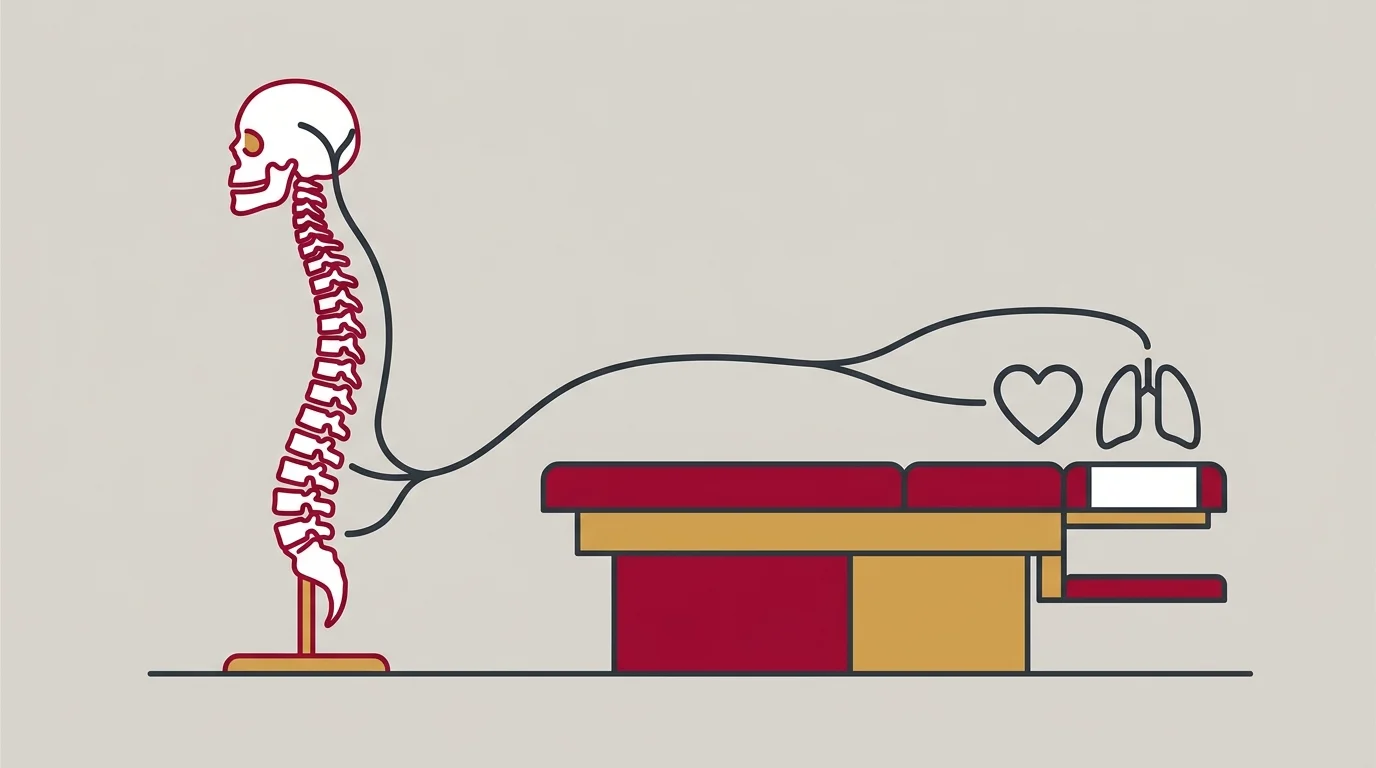
So if apps and behavioral protocols can't reach the sympathetic override, what can? The answer starts with the nervous system's own built-in off switch.
The Vagus Nerve and the Rest-and-Digest Switch
The vagus nerve carries the parasympathetic signal that tells the body it's safe to power down. When it fires the way it should, heart rate slows and breathing deepens on its own. That shift is the physiological on-ramp to sleep, not a habit anyone practices their way into.
Where Spinal Function Intersects With Autonomic Regulation
Here's the connection everyone misses: spinal function and autonomic regulation run through the same neurological pathways. Nerve interference along the spine can keep sympathetic signaling elevated no matter how solid the bedtime routine is. A chiropractic adjustment targets that interference directly, reaching the hardware instead of patching the software running on top of it. Neuropathy care protocols run 8 to 12 weeks.
Frequently Asked Questions
A handful of questions keep coming up around this topic. Here are the direct answers, no padding.
How does the fight-or-flight response prevent deep sleep?
Fight-or-flight keeps the sympathetic nervous system in charge, driving heart rate and breathing up. And that state is biologically incompatible with the deep sleep the body needs to recover.
Can a sleep hygiene app actually make chronic insomnia worse?
It can. Chasing a score every morning stacks one more layer of vigilance onto an already overactive nervous system, which is the exact opposite of what sleep asks for.
What are signs the nervous system is overactive at night?
Racing thoughts at bedtime, a heart rate that won't settle, and waking up wired instead of rested are common signs. So is falling asleep easily but jolting awake a few hours later.
How can chiropractic adjustments influence nervous system regulation for sleep?
A chiropractic adjustment addresses nerve interference along the spine that keeps sympathetic signaling elevated. Ease that interference, and the parasympathetic branch finally gets room to take over.
If sleep hygiene is not the answer, what addresses chronic insomnia?
Chronic insomnia driven by a dysregulated nervous system needs a physical, neurological correction. That means restoring sympathetic-parasympathetic balance directly, not tinkering with behavior around an internal state that never changed.
Can a body be tired but too wired to fall asleep?
Yes, and it's one of the clearest signs of sympathetic dominance. The body is running on empty while the nervous system stays braced for a threat that isn't there.
What does heart rate variability reveal about sleep quality?
Heart rate variability reflects how well the sympathetic and parasympathetic branches trade control from beat to beat. Low variability during rest points to a nervous system still running hot instead of powering down.
Where This Leaves the Nervous System Stuck on High Alert
So here's where all of this leaves things. A sleep hygiene app is software. It was never built to reach the hardware underneath.
A nervous system locked in fight-or-flight won't power down because a screen dimmed on schedule. That override is neurological, and it answers only to a neurological correction. Restoring the balance between the sympathetic and parasympathetic branches is what actually lets sleep architecture do its job again.
And that correction is exactly what a chiropractic adjustment is built to reach. Nerve interference along the spine keeps sympathetic signaling elevated, and addressing it directly is how the hardware itself gets attended to. If a nervous system stuck on high alert sounds familiar, schedule an evaluation at Touch of Wellness Chiropractic.