
Cold laser therapy applied immediately after a chiropractic adjustment supports recovery by delivering targeted light energy to tissue while the joint and nervous system are in their newly corrected, lower-interference state. A chiropractic adjustment restores normal joint motion and reduces nerve interference, which shifts the body into a more favorable position to begin repairing itself. Cold laser therapy, also known as photobiomodulation, uses specific wavelengths of light to stimulate activity inside cells, encouraging tissue repair and helping to manage the inflammatory response that naturally follows an adjustment. Applying this light energy right after the adjustment, rather than hours or days later, means the treatment reaches tissue that has already had mechanical restriction and nerve pressure reduced, allowing cellular processes to respond without that added interference working against them. Photobiomodulation differs from passive approaches such as icing, which primarily narrows blood vessels and can slow circulation to the area. Instead, cold laser therapy works to support metabolic activity within the targeted tissue, aiming to encourage repair rather than simply numbing discomfort or reducing surface swelling through temperature change. This sequencing reflects a broader principle in recovery care: structural correction and cellular support serve different functions, and pairing them in close succession addresses both the mechanical cause of dysfunction and the biological process of healing it. Integrating advanced therapeutic modalities with traditional chiropractic care in this sequence represents a modern approach to accelerating patient recovery, treating structural correction and cellular repair as connected steps rather than separate, unrelated services performed at different times.
What Actually Happens Inside the Body After a Chiropractic Adjustment
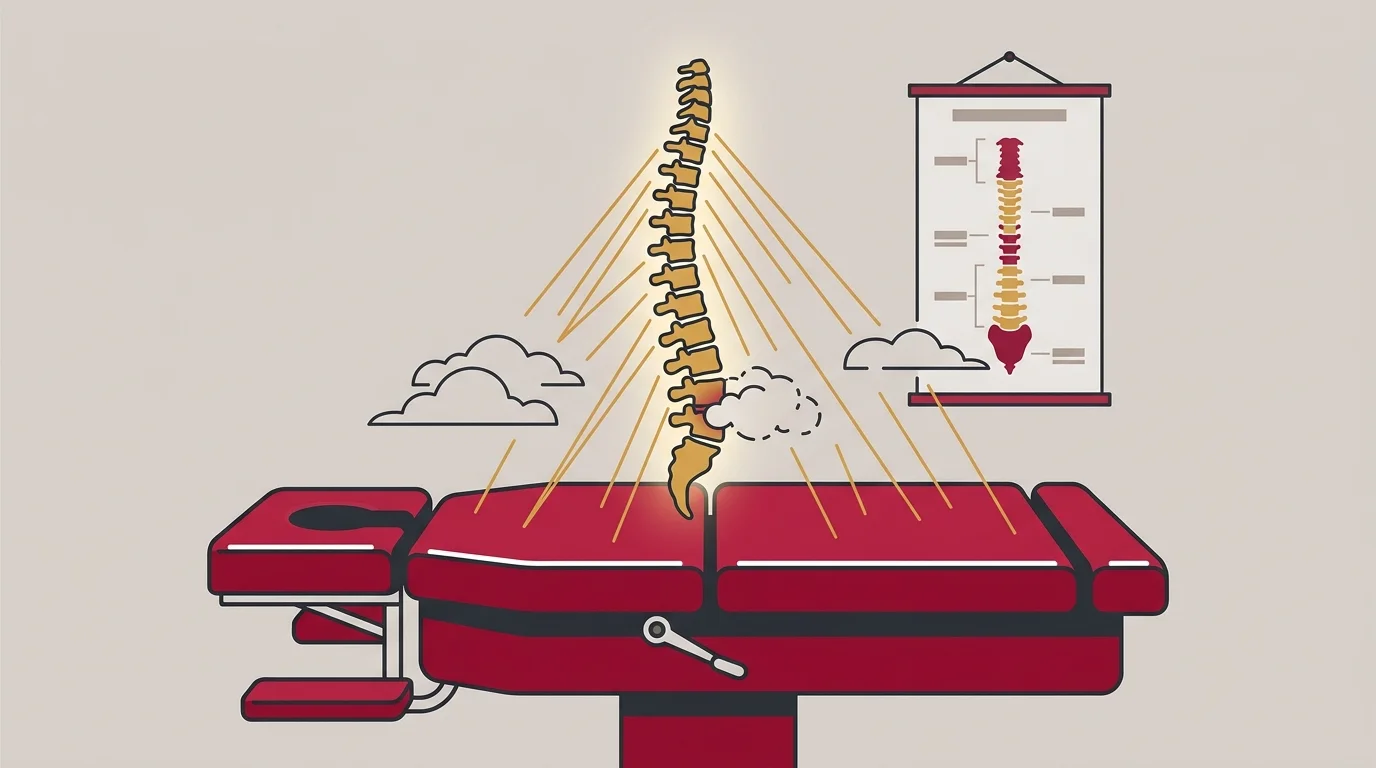
A chiropractic adjustment opens something. Restricted joints get their motion back, and nerve interference eases almost right away.
That shift matters because the primary goal following an adjustment is to support the body's natural healing process and manage the acute inflammatory response. The body is not finished the moment the joint moves. It has just started the work of repairing what caused the restriction in the first place.
Why the Body Responds to an Adjustment This Way
Here's why the nervous system responds this way. Less joint restriction means clearer signaling between the brain and the affected area. And clearer signaling means the body can coordinate its own repair far more efficiently.
That inflammatory response is protective, not a problem to numb away. Readers who want the deeper cellular mechanics behind that process can review what photobiomodulation offers for healing. What happens next depends on what reaches that tissue while the window stays open.
The Science Behind Photobiomodulation and Cellular Energy Production
So what actually moves through that open door? Light. Wavelengths tuned to reach cells and wake up the activity inside them.
That is the mechanism behind cold laser therapy. It does not mask discomfort from the surface. It works inside the tissue, encouraging the cellular machinery already trying to repair itself.
| Modality | Primary Cellular Effect | Effect on Blood Flow | Common Use Case |
|---|---|---|---|
| Cold Laser Therapy | Stimulates energy-producing structures inside cells to support tissue repair | Supports circulation to the treated area without constricting vessels | Applied immediately after a chiropractic adjustment to support cellular recovery |
| Ice Application | Slows cellular activity and dulls surface sensation in the treated area | Narrows blood vessels, reducing circulation to the area | Short-term surface comfort following acute strain or swelling |
| Heat Therapy | Relaxes surface tissue and eases muscular tension before activity | Widens blood vessels, increasing surface-level blood flow | Preparing tissue before movement rather than supporting post-adjustment repair |
| Chiropractic Adjustment Alone | Restores joint motion and reduces nerve interference | Indirectly supports circulation by removing mechanical restriction | Correcting structural and neurological dysfunction at its source |
How Light Wavelengths Reach and Stimulate Tissue
Light at the right wavelength penetrates skin and soft tissue without cutting or heating it destructively. Once inside, it reaches structures in the cell responsible for producing energy, prompting them to work more actively. For a deeper look at how that same process calms swelling after an adjustment, see Acute Inflammation and Swelling Reduction.
More cellular energy means more capacity to repair. That is the whole exchange happening in that window the adjustment just opened.
Why Timing Two Modalities Together Changes the Outcome
Two treatments delivered in sequence are not the same as two treatments delivered together. Timing is not a scheduling detail here. It is the difference between light reaching primed tissue and light reaching tissue that has already started closing back down.
That open window does not stay open indefinitely. Waiting hours, or booking the two treatments on separate days, means the laser arrives after the nervous system has settled back toward its prior interference pattern.
Why Treating Adjustment and Laser as Separate Services Misses the Window
Some clinics book the adjustment and the laser session as unrelated appointments, sometimes days apart. That approach treats each modality as its own transaction rather than as one connected recovery event.
Separating them misses the window entirely. The tissue still heals, but without the reduced interference and improved circulation the adjustment just created working in the laser's favor. For a direct look at why a common cold-therapy habit works against that same window, see Laser Therapy vs Ice Packs.
Where Icing and Passive Rest Fall Short After an Adjustment
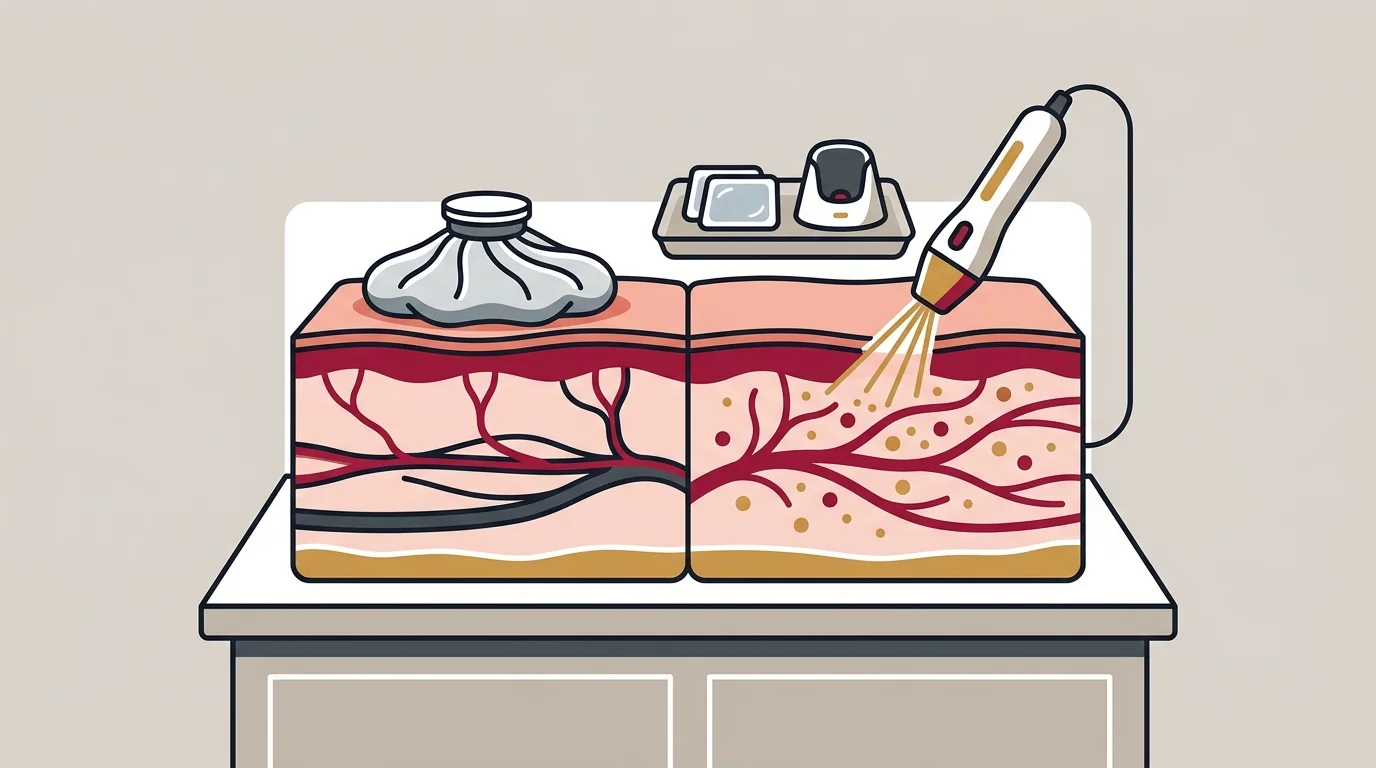
Icing and passive rest are the default advice after almost any musculoskeletal treatment. They are not wrong, exactly. They are just aimed at a different problem than the one an adjustment just solved.
An ice pack numbs. It does not send energy into the tissue that just had its restriction and interference reduced. Passive rest simply waits, and waiting does not fuel the repair work the body is already trying to start.
| Recovery Approach | Mechanism | Effect on Repair Timeline |
|---|---|---|
| Icing | Narrows blood vessels at the surface to numb the area | Slows circulation, which can leave repair cells short on the oxygen and nutrients they need |
| Passive rest | Removes load from the area and waits for the body to recover on its own | Delays repair since nothing is done to fuel the cellular work the adjustment just made possible |
| Cold laser therapy | Delivers light energy that stimulates activity inside the cell | Supports metabolic activity in the tissue, working with the window the adjustment just opened |
How Constricted Blood Flow Slows Tissue Repair
Ice works by narrowing blood vessels. That is the entire mechanism, and it is why the area goes numb within minutes.
Unlike icing, which primarily constricts blood flow and can slow down cellular repair, cold laser therapy works to enhance metabolic activity in the targeted tissue. Less blood flow to an area means fewer nutrients and less oxygen reaching the cells doing the repair work. For a broader look at how adjustments fit into ongoing care, see structural care that supports long-term recovery.
What the Regulatory and Safety Record Shows About Therapeutic Lasers
None of this happens in a regulatory gray zone. Cold laser therapy operates under clear oversight, not guesswork about what is allowed.
How Classification and Oversight Shape Clinical Use
An FDA-cleared handheld pain relief laser carries specific indications, not a blanket claim. Per the FDA, an FDA-cleared handheld cold laser device is indicated for adjunctive use in providing temporary relief of minor chronic neck and shoulder pain of musculoskeletal origin and minor chronic pain associated with Carpal Tunnel Syndrome. That clearance covers adjunctive relief for chronic neck and shoulder pain, and for pain tied to Carpal Tunnel Syndrome. It defines the therapy by what it is cleared to support, not by open-ended promises.
Oversight extends to who can deliver this care and how. Texas's chiropractic scope rule documents that are authorized to use therapeutic lasers that are non-invasive and non-incisive, provided they have adequate training and use appropriate safety devices and procedures. That authorization is not automatic. It depends on adequate training and the right safety procedures being in place around the device, the patient, and everyone else in the room.
How a Combined Session Is Actually Structured
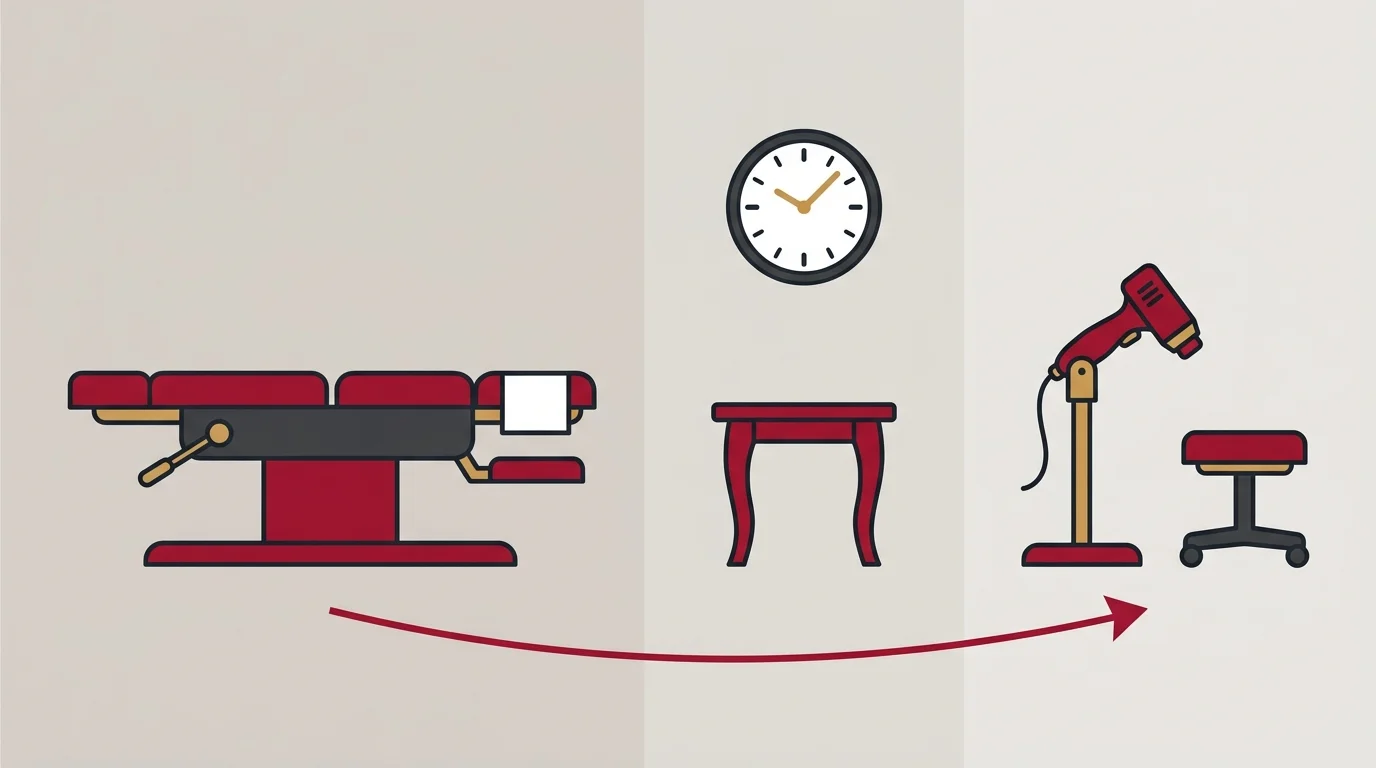
A combined session runs in a set order, not a loose pairing of two services. Part of that order comes straight from regulation.
| Session Stage | What Occurs | Approximate Duration |
|---|---|---|
| Chiropractic Adjustment | Joint restriction is corrected and nerve interference is reduced, shifting the body toward a lower-interference state. | Brief, completed at the start of the visit |
| Transition Window | The nervous system settles into its newly corrected state while circulation and signaling improve in the treated area. | Immediate, no separate appointment needed |
| Cold Laser Application | Targeted wavelengths reach the primed tissue, stimulating cellular activity while interference remains reduced. | Short, delivered within the same visit |
| Recovery Continuation | The body continues its repair process between visits, with each subsequent session reopening the same window. | Ongoing across the course of care |
The Order of Operations From Adjustment to Laser Application
ANSI Z136.3 provides guidance for individuals working with high power Class 3B and Class 4 lasers and laser systems in health care settings. That standard governs how the device gets handled, not how the visit gets structured. Per this published analysis, provides guidance for individuals working with high power Class 3B and Class 4 lasers and laser systems in health care settings. The adjustment always comes first. Correcting joint restriction has to happen before the tissue is worth treating with light.
What a Multi-Week Recovery Protocol Looks Like in Practice
A single combined session addresses one moment of recovery. A full protocol addresses the weeks it takes tissue to actually rebuild. Sessions repeat across that recovery window, each one reopening the same door the adjustment created. Neuropathy care protocols run 8 to 12 weeks. Visits run 15 minutes door-to-door, with same-day availability.
Frequently Asked Questions
The sequencing behind this protocol answers the bigger question. These are the smaller ones patients tend to ask before their first combined session.
Does cold laser therapy hurt after a chiropractic adjustment?
No. Cold laser therapy applies light, not pressure or heat, so most patients feel little to nothing during the session. Some describe mild warmth, never pain.
How many cold laser sessions are needed for post-adjustment recovery?
It depends on how much repair the tissue needs, so the plan gets built around that, not a fixed number. What matters more than the count is staying with it through the whole recovery window, not just the first visit.
Can cold laser therapy be used on the same day as a chiropractic adjustment?
Yes, and that same-day timing is the entire point of this approach. Waiting days apart means the laser misses the reduced interference the adjustment just created.
Is cold laser therapy safe for all areas of the body after an adjustment?
Cold laser therapy is applied where it is indicated for that tissue and that condition, not universally across every region without reason. A trained provider decides where the light is appropriate before the device is used.
What is the difference between cold laser therapy and heat therapy for recovery?
Heat increases blood flow to relax tissue on the surface. Cold laser therapy works differently, reaching inside the cell to stimulate the energy-producing structures already trying to repair it.
What classification of laser is used in a chiropractic setting?
Class 3B and Class 4 lasers are the categories used in health care settings, and ANSI Z136.3 governs how they are handled around patients and staff. That standard exists because these devices carry real output, not because the therapy itself is invasive.
What This Means for Sequencing Recovery Correctly
That window opens once per adjustment. What moves through it before it closes decides how much of the visit you actually put to work.
Splitting the adjustment and the laser session apart, or reaching for ice instead, means treating a connected recovery event as two unrelated errands. The evidence here points one direction: correct the joint first, then send cellular energy through the door that correction just opened, in the same visit, while it is still open.
That's the sequencing this practice builds every visit around. If persistent pain or a recent injury has you weighing where to start, schedule a visit with Touch of Wellness Chiropractic and see what getting the order right can do for your recovery.