
The best post-adjustment evening protocols are the ones that protect the shift into a parasympathetic state and steer clear of anything that triggers competing sympathetic arousal in the hours after care. A chiropractic adjustment works to calm the central nervous system, moving the body out of alert, fight-or-flight functioning and into rest-and-digest functioning, the physiological mode responsible for healing, recovery, and deep sleep. That shift is not automatic, and it is not permanent once it begins. What happens in the evening after an adjustment either reinforces the nervous system's move toward calm or reverses it before bedtime arrives. Effective protocols center on removing stimuli that provoke a stress response, because sympathetic arousal competes directly with the rest-and-digest state the adjustment initiates. That means limiting bright screens and blue light, which interfere with melatonin production and delay sleep onset. It means avoiding intense exercise close to bedtime, since vigorous exertion raises heart rate and stimulates alertness rather than calm. And it means minimizing caffeine, stressful conversations, and high-stimulation environments in the hours following care. Gentle movement, dim lighting, and quiet, low-demand activity fit far better with the neurological state an adjustment is designed to produce. The underlying goal is consistency between the nervous system input delivered during care and the environment the body meets afterward. An adjustment reduces neurological static and encourages a calmer autonomic baseline, but that baseline is either reinforced or undone by what follows. Evening protocols built around protecting this state, rather than generic relaxation advice, are what let the nervous system complete its transition into the restorative processes sleep depends on.
What Actually Happens in the Nervous System After a Chiropractic Adjustment
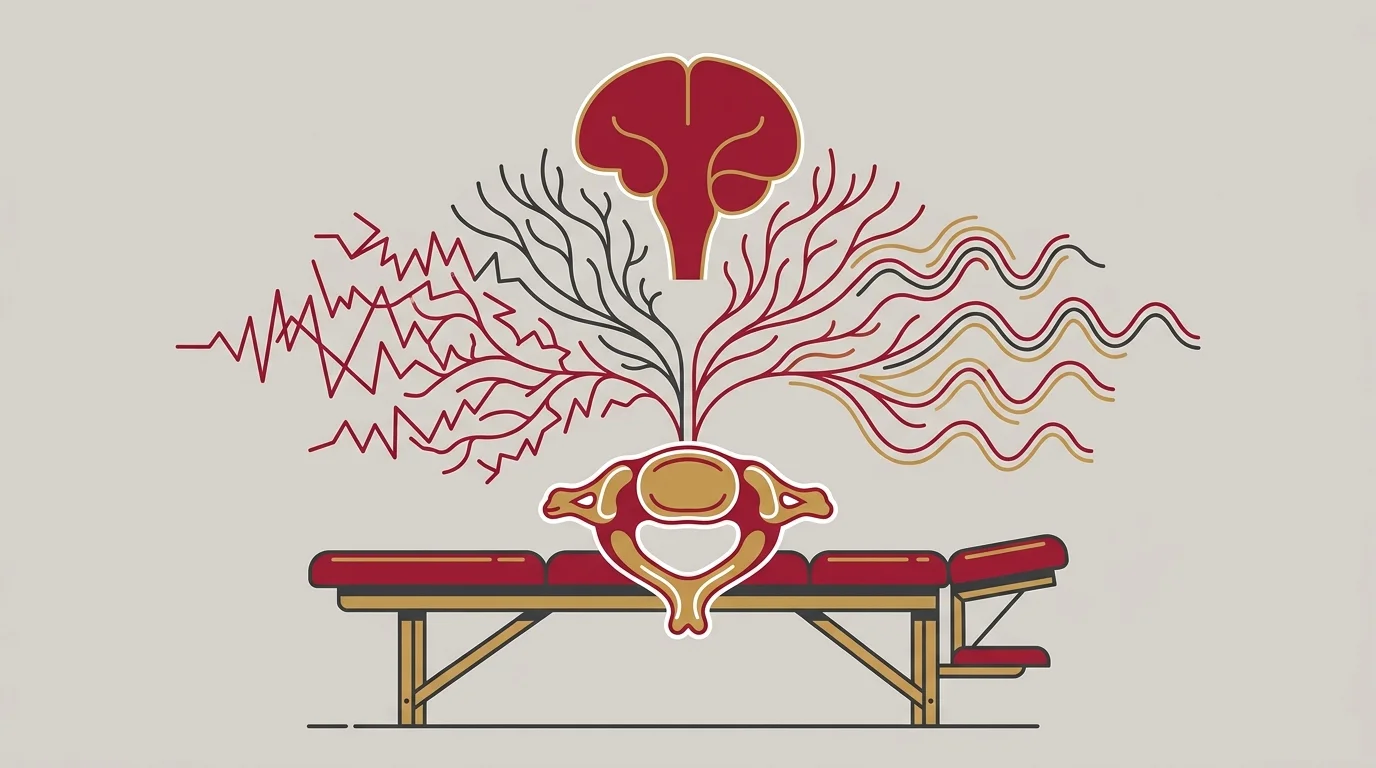
Rest-and-digest is a specific state your nervous system can be in. It's the mode that runs tissue healing, immune recovery, and restorative sleep, and a chiropractic adjustment is built to switch the body into it.
But a switch flipped isn't a switch locked. An adjustment is a powerful reset for the nervous system, and what happens in the hours afterward decides whether that reset holds or gets undone before bedtime.
So what actually protects that reset once the appointment ends? The what sleep architecture needs to recover connection matters here, because the same neurological shift that calms the body during care has to survive an entire evening of competing input before sleep can complete it.
Why Generic Wind-Down Advice Misses the Mechanism
Most wind-down advice treats sleep like a mood problem. Dim the lights, put the phone down, breathe slow, and rest is supposed to follow.
That advice isn't wrong. It's just incomplete, because it never touches the neurological event a chiropractic adjustment sets in motion.
How Upper Cervical Adjustments Calm the Locus Coeruleus and Reduce Nighttime Arousal
Upper cervical adjustments target a dense cluster of mechanoreceptors right at the base of the skull. Stimulating them sends a calming signal straight into the brainstem, where arousal itself gets regulated.
One structure sitting in that pathway is the locus coeruleus, a brainstem region that drives wakefulness and alertness. While its neurons stay active, the body stays primed to stay awake, not to rest.
Work available through PubMed Central indicates functional fatigue of locus coeruleus noradrenergic neurons, which reduces their wake-promoting capacity, contributes to sleep pressure — a finding from animal research. That evidence comes from mice, not people, so read it as suggestive rather than proven in humans. Even so, it points straight at the kind of arousal system a Coeruleus and Reduce Nighttime Arousal adjustment is built to quiet.
Why Your Evening Wind-Down Routine Fails Without Spinal Mechanoreceptor Reset
Here's the gap. A wind-down routine built entirely around behavior does nothing to reset the mechanoreceptor input feeding that brainstem arousal system. It calms the mind while the nervous system stays on alert.
Can a warm bath and a good book really compete with unresolved neurological static? Not on their own. Without the spinal input that quiets the locus coeruleus, generic relaxation habits are fighting a system that never got the signal to stand down.
What the Measurements Show About Adjustments and Autonomic Shift
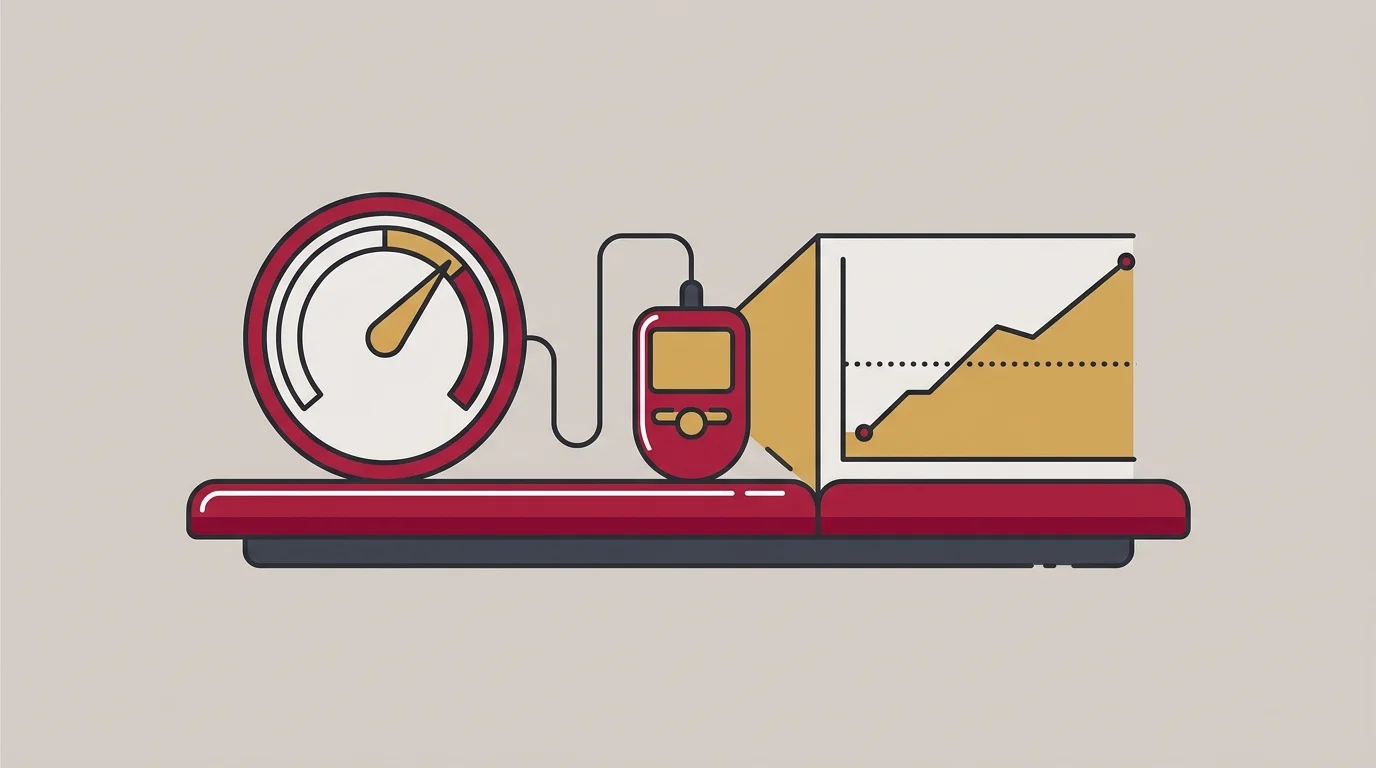
Mechanism is one thing. Measured data is another, and this is where the parasympathetic reset stops being theory.
A study of upper cervical adjustments in healthy young volunteers tracked heart rate variability before and after care.
The normalized high-frequency measure, a marker of parasympathetic activity, rose from 40.18 to 46.08. Research published through The Journal of Chiropractic Medicine found upper cervical spinal manipulation was associated with increased parasympathetic nervous system activity in healthy young volunteers, reflected in normalized high-frequency heart rate variability that rose from 40.18 ± 9 to 46.08 ± 14. That shift is a body moving toward rest-and-digest function, recorded rather than assumed. For the evening that follows to hold that gain, the routine has to protect it rather than undo it, a point the Fails Without Spinal Mechanoreceptor Reset piece walks through in more depth.
| Measurement | Pre-Adjustment Value | Post-Adjustment Value | What It Reflects |
|---|---|---|---|
| Normalized High-Frequency HRV | Lower parasympathetic marker | Higher parasympathetic marker | Autonomic shift toward rest-and-digest function |
| Heart Rate Variability Balance | Sympathetic-leaning pattern | More balanced, parasympathetic-leaning pattern | Nervous system moving out of alert mode |
| Perceived Muscular Tension | Guarded, elevated tension near the neck and upper back | Reduced tension reported after care | Lowered mechanoreceptor input feeding brainstem arousal centers |
| Self-Reported Calm | Heightened alertness or restlessness | Increased subjective calm | Behavioral reflection of the measured autonomic change |
How Competing Sympathetic Triggers Undo a Parasympathetic Reset
So what actually reintroduces sympathetic arousal after care? Late scrolling is the obvious offender, but a heated argument, a work email, or a scheduled workout each does the same thing to the nervous system. They all spike alertness right when the body is trying to settle into rest-and-digest function.
The mechanism doesn't care what the trigger looks like. Any input that raises heart rate or floods the brain with stimulation competes directly with the calming signal an adjustment just sent to the brainstem, undoing the reset before it can finish. For a fuller look at how chiropractic care fits into that picture, the page on chiropractic adjustment and spinal treatment walks through the broader approach behind it.
| Evening Trigger | Nervous System Response | Effect on the Reset |
|---|---|---|
| Screen and blue light exposure | Suppresses melatonin production and signals the brain toward continued wakefulness | Delays sleep onset and competes with the parasympathetic shift the adjustment initiated |
| Late-evening intense exercise | Raises heart rate and stimulates alertness rather than calm | Reintroduces sympathetic arousal before the nervous system can settle |
| Stressful conversations or work tasks | Floods the brain with stimulation and cognitive demand | Keeps the locus coeruleus active instead of allowing wake-promoting capacity to fade |
| Caffeine in the hours before bed | Directly stimulates the alert, fight-or-flight side of the nervous system | Works against the rest-and-digest state the adjustment is designed to produce |
| Gentle movement and low-demand quiet activity | Supports continued calming of brainstem arousal pathways | Reinforces the reset rather than undoing it |
The Architecture of a Reset-Protecting Evening Protocol
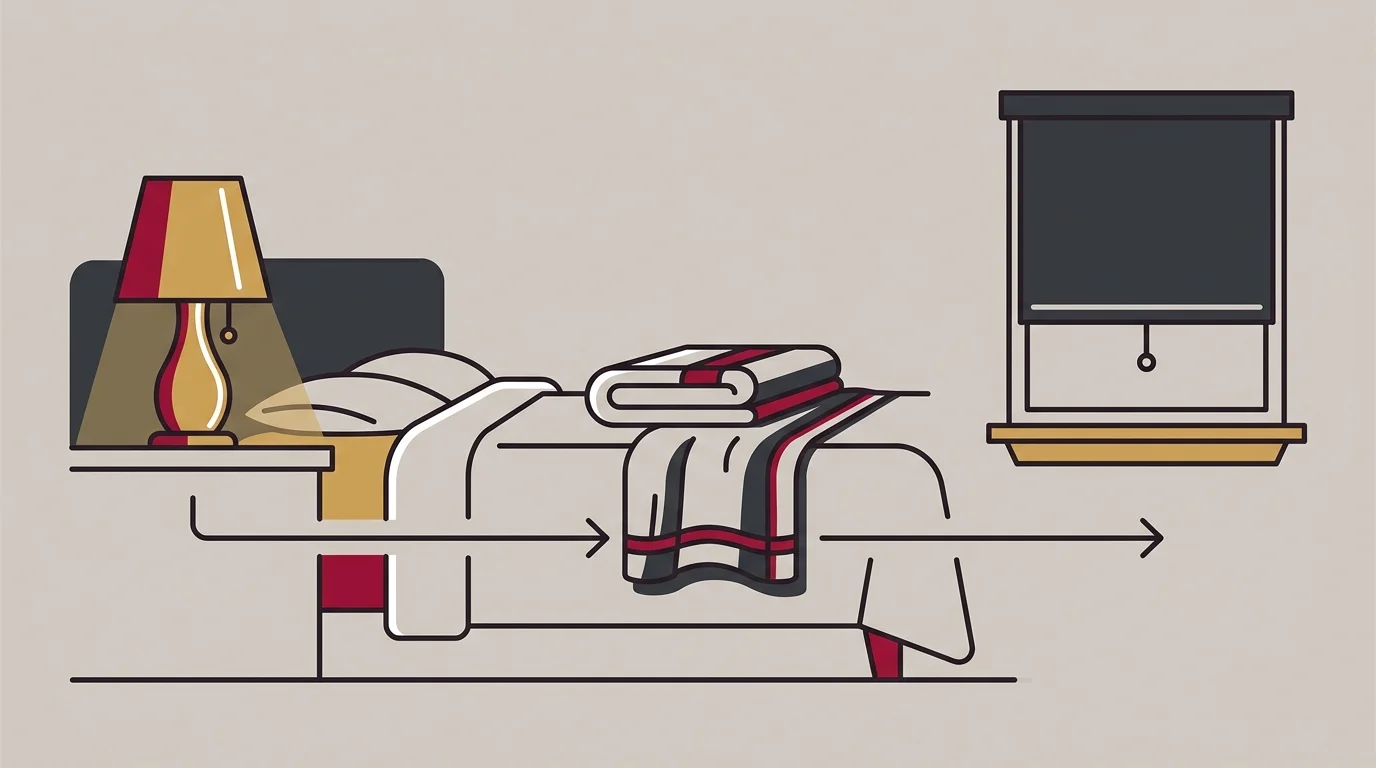
Knowing what breaks the reset is only half the work. The other half is structure — a protocol built to hold that reset in place through the whole stretch it takes sleep to arrive.
Quality sleep isn't just about feeling rested. It's a fundamental pillar of neurological health and physical recovery, which is exactly why the evening after an adjustment carries so much weight.
| Time Window | Protocol Action | Purpose |
|---|---|---|
| First Two Hours | Dim lighting, quiet surroundings, gentle movement only | Protects the freshest parasympathetic shift while it is easiest to disrupt |
| Mid-Evening | No screens, no intense exercise, no stressful conversation | Removes the specific triggers that spike sympathetic arousal and compete with rest-and-digest function |
| Final Wind-Down | Cool, dark, quiet bedroom prepared before lying down | Extends the calming signal from the adjustment instead of asking the nervous system to fight its environment |
| Overnight | Consistent low-stimulation conditions maintained through the night | Gives the nervous system uninterrupted time to complete the transition sleep depends on |
Sequencing the First Two Hours After an Adjustment
The first two hours after care are the most important to structure deliberately. This is the window where the parasympathetic shift is freshest and easiest to protect.
So keep that window low-input. Dim lighting, quiet surroundings, and gentle movement all tell the nervous system the same thing the adjustment just did: stand down.
Building the Sleep Environment Around the Reset
A sleep environment either extends the reset or fights it. Cool, dark, quiet rooms ask nothing of the nervous system, which is precisely the point.
So build the room to match the state the adjustment created. Not some catch-all protocol pulled from a generic sleep article, but an environment shaped around what the body just did.
Frequently Asked Questions
A few questions come up over and over once patients grasp what an adjustment is really doing to the nervous system. Here are the ones worth answering straight.
Why does my mind race at night even after a relaxing evening routine?
A relaxing routine settles the mind. It doesn't necessarily quiet the brainstem arousal system still driving your alertness. Racing thoughts usually point to sympathetic activation that behavior alone never reached.
Can a chiropractic adjustment immediately improve my sleep that same night?
Some patients feel a shift that same night, because the nervous system moves toward rest-and-digest right after care. But that shift still has to survive the evening to carry all the way through to sleep.
What specific activities should I avoid before bed after getting adjusted?
Skip bright screens, intense exercise, caffeine, and stressful conversations in the hours after care. Each one raises alertness. Each one competes head-on with the calm the adjustment just created.
How does neck alignment specifically affect the parts of my brain that control sleep?
Upper cervical alignment reaches mechanoreceptors that feed straight into the brainstem, where wakefulness gets regulated. Quiet that input and you lower the wake-promoting drive coming from structures like the locus coeruleus.
Is it possible for a spinal adjustment to make my sleep worse temporarily?
Temporary changes in sleep pattern after an adjustment are not unusual as the nervous system recalibrates. This isn't a sign of harm; it reflects a system in transition rather than a finished state.
What is the difference between the parasympathetic and sympathetic nervous system at night?
The sympathetic system drives alertness, alarm, and readiness for action. That's the exact opposite of what sleep needs. The parasympathetic system runs rest, healing, and recovery, and nighttime restoration depends on it staying in charge.
What This Means
An adjustment flips the switch toward rest. What you do that evening decides whether it stays flipped.
Generic wind-down advice was never built for that switch, so it can't protect it. A parasympathetic reset is neurological, not psychological, and the routine guarding it has to be too. Screens stay dim, workouts wait, and the first two hours after care stay quiet on purpose, not by accident.
So which evening habits actually earn their place after a chiropractic adjustment? Only the ones built to protect the reset, not the ones borrowed from a generic sleep checklist. If your routine has never been measured against what your nervous system just did in the chair, that's worth a conversation — schedule a visit at Touch of Wellness Chiropractic.