
(309) 321-8412 | 1101 W Jackson St, Suite A, Morton, IL 61550
(309) 321-8412 | 1101 W Jackson St, Suite A, Morton, IL 61550
Does Insurance Cover the Nerve Restoration Protocol in Illinois?
Coverage for the Nerve Restoration Protocol in Illinois depends on your specific insurance plan — but you're not starting from zero.
Most major Illinois PPO plans cover the foundational components of the protocol: clinical examinations and chiropractic adjustments. Those are the core diagnostic and corrective elements, and they typically fall within standard chiropractic benefits. The Illinois Insurance Code (Section 355) establishes that if a plan covers a service performed by a physician, it must also cover that same service when performed by a licensed chiropractor — provided the service falls within the plan's covered benefit categories.
Where it gets more complicated: the advanced therapeutic modalities included in the full protocol — the specific interventions used to restore nerve function rather than just manage symptoms — may be classified separately and billed outside your standard chiropractic benefit.
That's not a red flag. That's how insurance interacts with individualized, restorative care.
Some portion of the protocol will likely be covered. Some may not. The split depends on your plan, your provider tier, and how each component is coded at the time of billing. Saying the protocol is "not covered" isn't accurate. Saying it's "fully covered" isn't either.
This article covers how Illinois insurance plans — PPO, HMO, and Medicare — typically handle each component, what HSA and FSA rules look like, and how to get a real answer for your specific plan before your first visit.
Understanding the financial picture doesn't require guesswork. It requires asking the right questions — to the right people.
Insurance verification is not a guarantee of payment. Results may vary by individual clinical presentation and plan.
Last Updated: April 8, 2026
- What Insurance Actually Sees When It Looks at the Nerve Restoration Protocol
- How Major Illinois Insurance Plans Handle Specialized Chiropractic Care
- Who the Nerve Restoration Protocol Is — and Isn’t — For
- Frequently Asked Questions
- Does Medicare Cover the Nerve Restoration Protocol?
- Can I Use My HSA or FSA for the Nerve Restoration Protocol?
- Will Touch of Wellness Chiropractic Verify My Insurance Before My First Visit?
- What’s the Difference Between “Covered” and “Medically Necessary”?
- Does Blue Cross Blue Shield Illinois Cover Chiropractic Care for Neuropathy?
- How Do I Find Out Exactly What My Plan Covers?
- Is the Nerve Restoration Protocol Considered Experimental?
- The Real Answer on Insurance and Nerve Restoration
What Insurance Actually Sees When It Looks at the Nerve Restoration Protocol

Insurance doesn't see the Nerve Restoration Protocol.
It sees a stack of billing codes — and it evaluates each one separately against your plan's benefit categories. Some will clear. Some won't. The split depends on how your plan categorizes each component. And no two plans do that exactly the same way.
That's the conversation worth having. Not "is it covered or not."
How the Protocol Gets Broken Down for Billing
Every component of the protocol maps to a different billing code. Different codes, different rules.
Here's how it breaks down:
- Initial clinical examination — Covered by most major PPO plans under an evaluation and management code. It applies toward your deductible first. This is typically the clearest piece of the billing picture — the least complicated code to get through.
- Chiropractic adjustments for nerve-related subluxation — Covered under standard chiropractic benefits for most Illinois plans. Subject to annual visit limits — most plans cap somewhere between 20 and 40 visits per year. Documented nerve-related subluxation is what keeps this component active.
- Advanced therapeutic modalities — Electrostimulation, decompression, nerve-specific rehabilitation. These may code under physical medicine rather than chiropractic. That single coding distinction puts them in a different benefit category — with its own rules, its own limits, and its own pre-authorization requirements.
- Diagnostic reassessment visits — These document clinical progress and establish medical necessity for continued care. Coverage varies by how frequently they're billed and how your specific plan treats evaluation codes within a course of active care.
| Protocol Component | Typical PPO Coverage | Billing Code Category | Notes |
|---|---|---|---|
| Initial clinical examination | Usually covered | Evaluation & Management (E&M) | Subject to deductible; applies to first visit |
| Chiropractic adjustments | Usually covered | Chiropractic Manipulative Treatment (CMT) | Annual visit limits vary by plan |
| Advanced therapeutic modalities | Varies by plan | Physical Medicine / Rehabilitative Therapy | May fall outside standard chiropractic benefit |
| Diagnostic reassessment visits | Varies by plan | E&M or chiropractic code depending on provider | Frequency limits often apply |
Insurance verification is not a guarantee of payment. Coverage is confirmed only through your explanation of benefits after claims are submitted.
Why “Covered vs. Not Covered” Is the Wrong Question
Most people walk in asking the wrong question.
"Is this covered?" gets you one of two answers — yes or no. Both of those answers end the conversation before it goes anywhere useful.
Here's the thing: the insurance system wasn't built around individualized care. It was built around codes. Standard codes, standard visits, standard billing. The Illinois Insurance Code (Section 355) requires coverage parity for chiropractic — plans can't just cut it out. But parity doesn't mean unlimited. It means the covered benefit category applies when the service applies.
Root-cause chiropractic care doesn't fit neatly into a template — because it's not built from one. And insurance doesn't reward individualized care. It rewards predictability and volume.
The friction isn't "does insurance cover chiropractic?" It does. The real question is whether your plan covers this level of care — the kind built around your clinical picture instead of a billing calendar. That's a different question. And it has a real answer. You just have to stop asking the binary one first.
Why the Insurance-Reimbursement Model Gets Neuropathy Care Wrong
Here's what the insurance-reimbursement model actually rewards.
Short visits. High volume. Clean codes. Patients who come in twice a week, get the same sequence, and don't ask why the symptoms keep resetting.
That's a profitable structure for practices willing to run it. It is not a clinical one.
I've seen the result when patients transfer here after years of that model. The visit count was high. The nerve function didn't move.
This isn't a fringe problem. It's the default incentive built into the reimbursement model itself. More visits, more codes, more revenue. The financial pressure runs toward frequency — and away from the clinical work that actually matters for chronic neuropathy.
Insurance pays for the protocol. It doesn't pay for the outcome. The outcome depends on whether the protocol was built around your nervous system — or around what codes cleanly at checkout.
That's the distinction that changes everything. It's also why the financial conversation and the clinical conversation can't be separated.
How Major Illinois Insurance Plans Handle Specialized Chiropractic Care
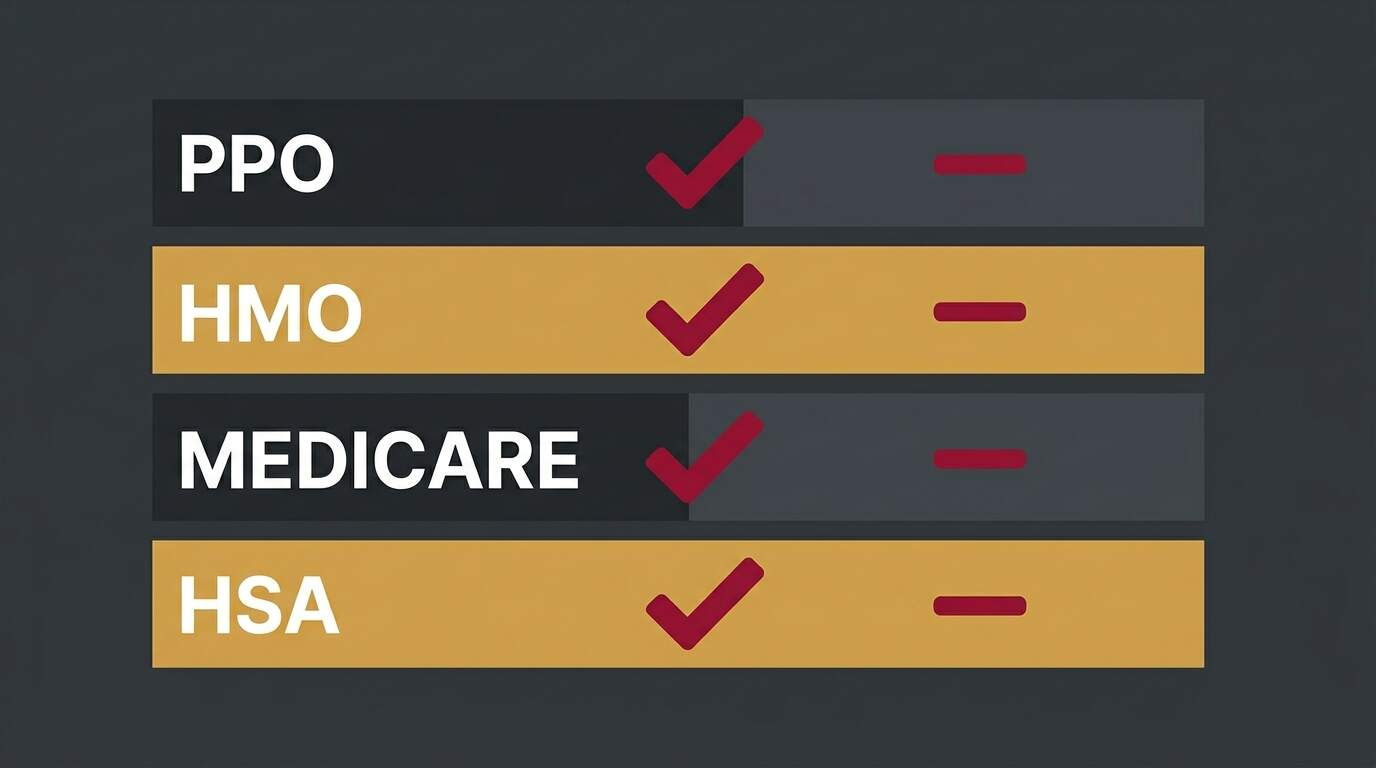
Illinois mandates chiropractic coverage. But mandate doesn't mean unlimited — and it doesn't mean every component of a restorative protocol gets reimbursed the same way a standard adjustment does.
For most Morton, IL chiropractor patients and those in the surrounding central Illinois area carrying major insurance, what you actually get depends on your plan type, your provider tier, and which codes your specific care generates.
Here's what the major plan types actually look like.
What Most PPO Plans Cover for Neuropathy-Related Chiropractic Care
The Illinois Insurance Code (Section 355) requires that if a plan covers a service for a physician, it has to cover that same service for a licensed chiropractor — within the plan's covered benefit categories.
In practice, for neuropathy-related chiropractic care, major Illinois PPOs typically cover:
- Spinal examination and diagnosis — Covered when documentation supports medical necessity. The clinical record is what keeps this code active.
- Chiropractic adjustments for documented subluxation — Covered under standard chiropractic benefits, subject to annual visit caps.
- Physical medicine modalities — Coverage depends on the specific code and the diagnosis it's attached to. Basic electrostimulation may clear. More specialized nerve rehabilitation modalities often don't.
- Annual visit caps — Most Illinois PPO plans run 20–40 visits per year. Some carry deductible requirements before coverage activates.
| Plan Type | Chiropractic Coverage | Visit Limits | Advanced Modalities | Pre-Authorization |
|---|---|---|---|---|
| Illinois PPO | Yes — standard chiropractic | 20–40 visits/year typical | Varies — code-dependent | Sometimes required |
| HMO | Yes — in-network only | Lower than PPO; plan-specific | Often excluded or restricted | Usually required |
| Medicare Part B | Limited — spinal manipulation only | Per-visit medical necessity required | Rarely covered | Not typically required |
| HSA / FSA | Patient-funded; IRS-eligible | No insurer-imposed limits | Eligible for qualified medical expenses | N/A |
Blue Cross Blue Shield Illinois and Major PPO Providers
BCBS Illinois coverage guidelines outline standard coverage for spinal manipulation under Chiropractic Manipulative Treatment (CMT) codes. For most major BCBS PPO plans, four conditions apply: medical necessity is documented, the provider is in-network, the annual visit limit hasn't been exhausted, and an active treatment plan is on file.
What's harder to predict: diagnostic reassessment visits, nerve-specific rehabilitative modalities, and services coded under physical medicine rather than chiropractic. These often require separate pre-authorization — or they fall outside the annual benefit cap entirely.
Neuropathy care approaches through 2026 point toward wider adoption of non-invasive nerve restoration. But payer policies move slowly. Modalities that are common clinical practice today may not have clean coverage pathways under every plan yet.
Your plan is the answer. Not a general PPO summary.
What Medicare and HSA/FSA Actually Allow
Medicare Part B covers one chiropractic service: manual manipulation of the spine to correct subluxation. That's it.
No examinations. No imaging. No advanced therapeutic modalities. For Medicare patients who need the full Nerve Restoration Protocol, the non-covered components get billed separately at standard rates — outside Medicare entirely. The adjustment may be covered. The full scope of nerve restoration typically isn't.
HSA and FSA accounts work differently — and they're often the cleanest bridge for what insurance doesn't cover. Most accounts allow payment for chiropractic services and prescribed therapeutic modalities as IRS-qualified medical expenses. No visit limits. No benefit category restrictions — just IRS eligibility rules that your account administrator can confirm.
If you're on Medicare, or your PPO leaves a balance, understanding your HSA or FSA options before your first visit is worth the ten-minute phone call.
| Your Situation | What's Typically Covered | What May Be Out-of-Pocket | First Step |
|---|---|---|---|
| Major Illinois PPO | Clinical exam, chiropractic adjustments | Advanced therapeutic modalities | Insurance verification via intake process |
| HMO | In-network chiropractic only | Most modalities, any out-of-network care | Confirm in-network provider status first |
| Medicare Part B | Spinal manipulation only | All other protocol components | Review Medicare supplement coverage |
| HSA / FSA | Any component — patient-funded | No coverage gap; IRS-eligible | Confirm specific code eligibility with your administrator |
Who the Nerve Restoration Protocol Is — and Isn’t — For

Not every patient is the right fit for this protocol — financially or clinically.
That's not gatekeeping. It's honesty. And it goes both directions.
If the financial picture is what's been holding you back, the first step is getting the actual picture — not the assumption.
If You’re Waiting for 100% Coverage Before You Start
If you're looking for a fully insurance-covered neuropathy solution that resolves in two or three visits — this isn't that practice.
Here's the pattern. Insurance exists, so insurance should pay for everything required to fully resolve a chronic nerve condition. First explanation of benefits shows a patient balance — and care stops.
That's not how chronic nerve restoration works. And it's not how insurance works either.
The pieces that actually move nerve function — the individualized, modality-specific interventions — are often the ones that don't code cleanly under a standard chiropractic benefit. They don't fit because they weren't designed to. The standard billing system wasn't built for individualized care. It was built for volume.
Insurance-covered care and adequate care are not the same category.
If you're only financially committed to what insurance approves, the cookie-cutter protocol fits that budget. Same adjustment, same sequence, repeat next week. It helps for a while. Then the symptoms come back. Then the protocol gets repeated.
The Neuropathy Care program at Touch of Wellness Chiropractic isn't built around what processes cleanly through a billing system. It's built around what your clinical picture actually requires.
What the First Clinical Assessment Actually Determines
You can't have an accurate financial picture without a clinical picture to attach it to.
That clinical picture doesn't exist until the first assessment is done. And the assessment happens before you're committed to anything.
What happens during your first nerve restoration session starts with evaluation — and that evaluation is what drives both the care plan and the billing structure. You can't accurately price what hasn't been assessed yet.
The assessment covers four things that directly affect your billing picture:
- Your current nerve function baseline — what's measurable before any intervention begins
- Condition-specific factors — how long symptoms have been present, prior treatments, current status
- Applicable billing codes — which protocol components map to your specific clinical picture
- Insurance verification — what your plan covers against the services your assessment recommends
Here's what I've seen stop people before they start: they assume the coverage answer is "not covered" — and treat that assumption like a confirmed fact. So they don't ask. The nerve damage doesn't pause while they work through it.
Real answers are more valuable than comfortable ones. That applies to the clinical picture. It applies to the financial one too.
How long nerve restoration actually takes to show results can't be answered before the first assessment. Neither can the coverage question — not accurately.
Review the insurance and billing details before your first visit to understand the general framework.
Frequently Asked Questions
Does Medicare Cover the Nerve Restoration Protocol?
Medicare Part B covers one type of chiropractic service: manual manipulation of the spine to correct documented subluxation. It does not currently cover clinical examinations, diagnostic reassessments, or the advanced therapeutic modalities included in the full Nerve Restoration Protocol.
For Medicare patients pursuing the full protocol, the non-covered components get billed separately at standard rates — outside Medicare entirely. Your explanation of benefits will show how each code processed. If the adjustment is the only covered piece, the rest of the protocol becomes a direct patient-pay conversation before care begins. Results may vary by individual clinical presentation.
Can I Use My HSA or FSA for the Nerve Restoration Protocol?
Yes. Most Health Savings Accounts (HSA) and Flexible Spending Accounts (FSA) allow payment for chiropractic services and prescribed therapeutic modalities as IRS-qualified medical expenses.
If your primary insurance covers part of the protocol and leaves a balance, HSA or FSA typically covers the remainder. The check worth making: confirm eligibility for specific service codes with your account administrator — not all accounts treat specialized therapy codes the same way they treat the standard chiropractic adjustment.
Will Touch of Wellness Chiropractic Verify My Insurance Before My First Visit?
Insurance verification is handled as part of the intake process before your first billable visit. That verification confirms what your plan covers, your current deductible status, and where the out-of-pocket exposure is for each component of care.
It's not a guarantee of payment — no verification is. Final determination comes from your insurer after claims process. But it's the closest thing to a real financial map you'll get before care begins. And it happens before you're committed to anything.
What’s the Difference Between “Covered” and “Medically Necessary” for Neuropathy Care?
These aren't the same thing — and the gap between them is where most insurance confusion lives. "Covered" means a service is included in your plan's benefit category. "Medically necessary" is a determination your insurer makes about whether that specific service is clinically indicated for your documented condition.
You can have a covered service denied because the insurer decided it wasn't medically necessary for your specific case. For neuropathy care, the stakes of that distinction show up at the frequency and duration level — the chiropractic benefit may be active, but continued care at a specific pace requires documented clinical progress. Treatment documentation isn't just paperwork. It's the record that keeps your coverage claim alive.
Does Blue Cross Blue Shield Illinois Cover Chiropractic Care for Neuropathy?
BCBS Illinois PPO plans generally cover standard chiropractic services — spinal adjustments and some physical medicine modalities — subject to annual visit limits and in-network provider requirements. Coverage for neuropathy-specific care depends on how the presenting diagnosis is coded and whether it maps to BCBS's covered benefit categories.
The most accurate answer isn't on their website — it's on the back of your insurance card. Call member services. Ask specifically about Chiropractic Manipulative Treatment (CMT) codes and physical medicine benefits under your plan. General BCBS information won't tell you what your plan covers. Your benefit summary will.
How Do I Find Out Exactly What My Plan Covers Before My First Visit?
Two steps.
Step one: Call the member services number on your insurance card. Ask specifically: Does my plan cover chiropractic care? Is there an annual visit limit? Does it cover physical medicine modalities separately from spinal adjustments? What is my current deductible status?
Step two: Let the intake process at Touch of Wellness Chiropractic complete an insurance verification before your first billable visit. That cross-references your specific plan benefits against the services your assessment recommends. It's not a guarantee — but it's a real answer. Not a guess.
Is the Nerve Restoration Protocol Considered Experimental by Insurance Companies?
Insurance doesn't evaluate the Nerve Restoration Protocol as a named program. It evaluates each individual service code against your plan's covered benefit categories.
The components — chiropractic adjustments, physical medicine modalities, electrostimulation — are established clinical interventions. They have billing codes. They're not experimental. They just don't all land under the same benefit category as a standard spinal adjustment. If your insurer classifies a specific modality as experimental, it shows up as non-covered in your explanation of benefits. That's a plan-specific determination — not a universal one. As neuropathy care approaches continue to develop, payer policies follow. Slowly. Coverage of specific rehabilitative modalities varies by plan and plan year.
The Real Answer on Insurance and Nerve Restoration
Insurance is a contributor to your care. It is not running it.
The care plan at Touch of Wellness Chiropractic is built from what you actually report — not from what processes cleanly through a billing system. Some of the protocol will be covered. Some may not. That split is knowable before care begins. It just requires asking.
The financial mystery is the most common thing holding people in Morton back from a real assessment. The assumption that the answer will be bad becomes a reason not to find out. Meanwhile, the nerve damage isn't waiting.
Real answers are more valuable than comfortable ones. That's true for the clinical picture. It's true for the financial one.
If you've been sitting on a neuropathy question because the insurance picture felt unknowable — that's exactly what the intake process is built to clear up.
Insurance verification happens before your first billable visit at Touch of Wellness Chiropractic. You find out what your specific plan covers, where the out-of-pocket exposure is, and what the assessment actually looks like — before you're committed to anything.
The financial picture doesn't have to be a mystery. It just has to be asked about.
Find out what your coverage actually looks like →
Chronic nerve damage doesn't hold off while the financial question stays unanswered. The coverage picture is knowable. Start there.
Copyright Touch of Wellness Chiropractic 2026
1101 W Jackson St, Suite A Morton, IL 61550
Web Design by iTech Valet