
Verifying a chiropractor's clinical acupuncture credentials requires confirming three things: the specific certification held, the total training hours behind it, and whether that training meets post-doctorate standards rather than a minimal weekend course. The most reliable credential to look for is a Diplomate from the American Board of Chiropractic Acupuncture, commonly abbreviated DABCA. This designation requires a chiropractic physician to complete additional didactic and clinical education well beyond entry-level state licensing requirements for acupuncture practice. State-level requirements for chiropractors to legally perform acupuncture vary widely and often set a much lower bar than a Diplomate credential. Some states require a combined minimum of theoretical study hours along with a smaller number of in-person supervised clinical hours, followed by a standardized examination. A separate category, dry needling, carries its own distinct certification pathway with its own hour requirements, and it is not equivalent to acupuncture training. Patients can verify credentials by asking a provider directly which certifying body issued their designation, requesting the specific hour count completed, and confirming whether an examination was passed through a recognized national board. A chiropractor practicing acupuncture is not automatically equivalent to a licensed acupuncturist, since these two credentials follow separate educational tracks with different total hour requirements. Confirming the exact certifying organization, the training hours completed, and whether post-doctorate coursework was involved gives a patient the clearest picture of a provider's actual qualification level before undergoing any needle-based treatment.
What Counts as Acupuncture Training in Chiropractic Practice
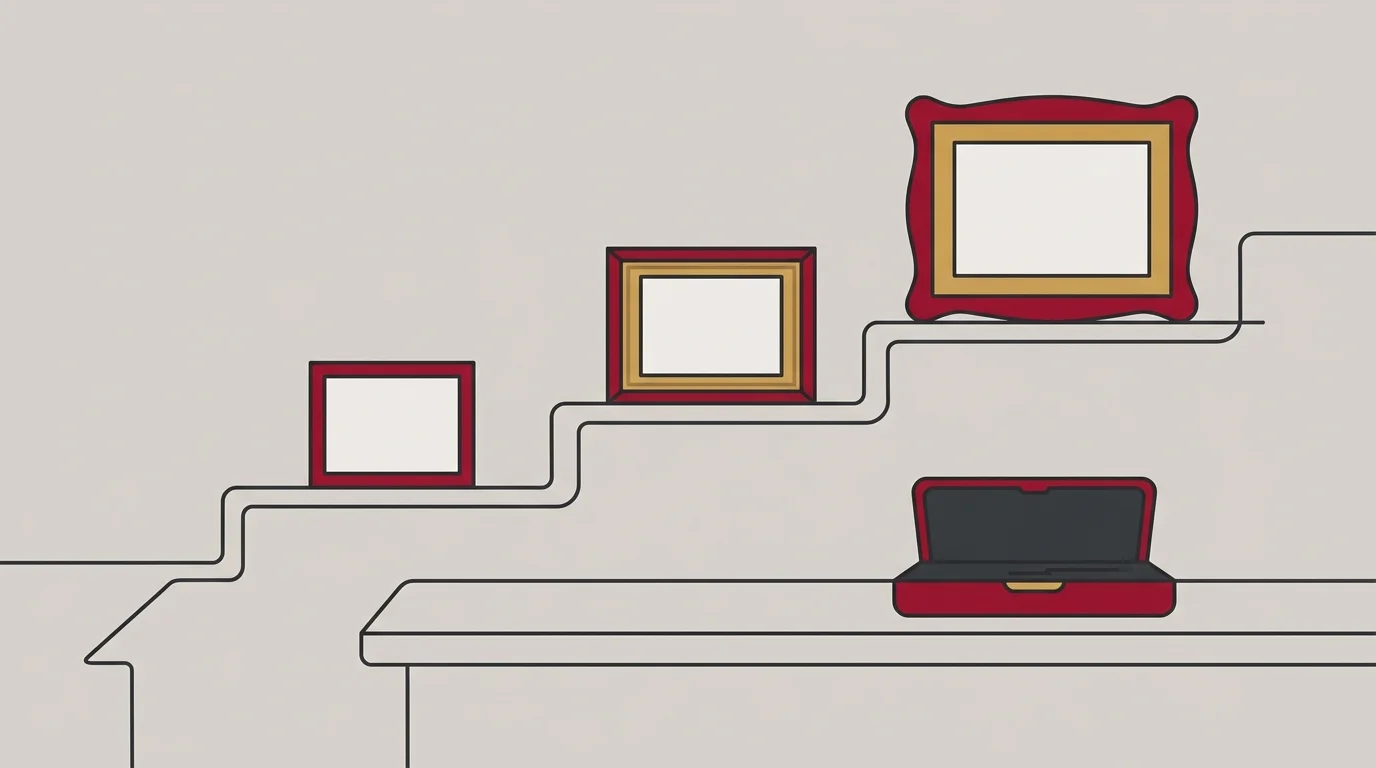
The word certified sounds like a single fixed standard. It isn't.
Navigating the world of healthcare credentials can be confusing for patients, and acupuncture training is where that confusion runs deepest. Two providers can both call themselves certified while separated by hundreds of hours of education.
| Credential Type | Governing Body | Minimum Hours | Clinical Component |
|---|---|---|---|
| State Minimum Certification | State chiropractic licensing board | A combined minimum of theoretical study hours plus a smaller block of in-person supervised clinical hours | Limited, supervised clinical hours only, sufficient to meet a licensing floor rather than clinical mastery |
| Dry Needling Certification | State board or accredited dry needling course provider | A defined block of face-to-face course hours, separate from acupuncture licensing pathways | Hands-on face-to-face instruction, but scoped narrowly to trigger-point technique rather than broader acupuncture theory |
| Diplomate, American Board of Chiropractic Acupuncture (DABCA) | American Board of Chiropractic Acupuncture, post-doctorate program | Additional didactic and clinical education completed after chiropractic licensure, well beyond a state minimum | Extensive supervised clinical instruction built into a post-doctorate curriculum, not a weekend add-on |
The Three Tiers of Credentialing
Here's the simplest way to see it: credentialing comes in three tiers. The lowest is a bare-minimum state license, built to let a chiropractor legally touch a needle to skin.
The middle tier is dry needling certification, a narrower skill with its own separate hour requirement. You can dig into that in the case for post-doctorate acupuncture training. The top tier is the Diplomate from the American Board of Chiropractic Acupuncture, built on post-doctorate coursework.
Why the Word Certified Hides the Real Gap
The term certified can mean very different things depending on the governing body that issues the credential. A weekend seminar can issue a certificate. So can a board that requires post-doctorate study.
Neither one is lying by using the word. But one of them is a building permit signed after an inspector actually checked the foundation, and the other is a sticker on the front door.
Why State Minimums Alone Don't Prove Competence
A state minimum is not a competence exam. It is a floor lawmakers agreed nobody should fall beneath.
Colorado offers a clear example. Why Does It Matter once a state sets the floor this low. Colorado's chiropractic regulations documents that chiropractors in Colorado who want to practice acupuncture must complete a minimum of 100 hours of theoretical study including at least 12 hours of in-person supervised clinical instruction and pass an examination.
How Low the Floor Actually Sits
That is the entire foundation behind the license. No post-doctorate coursework required, no diagnostic depth tested beyond the exam itself.
The building permit still gets issued. Nobody checked how deep the footing actually goes.
The Weekend Certification Problem
A weekend course is the narrowest version of that low bar. Oklahoma shows what the floor can look like in practice.
Oklahoma chiropractors without acupuncture certification must complete a minimum of 24 hours of face-to-face dry needling course study to be deemed competent to perform dry needling. That is a single long weekend, not a discipline.
Oklahoma's administrative code documents that chiropractors in Oklahoma without acupuncture certification must complete a minimum of 24 hours of face-to-face dry needling course study to be deemed competent to perform dry needling.
Twenty-four hours buys technique repetition, not diagnostic depth. Read more in Certifications Put Patients at Risk.
A permit gets signed either way. The footing underneath still depends on how many hours actually went into pouring it.
How the Diplomate Standard Is Actually Built
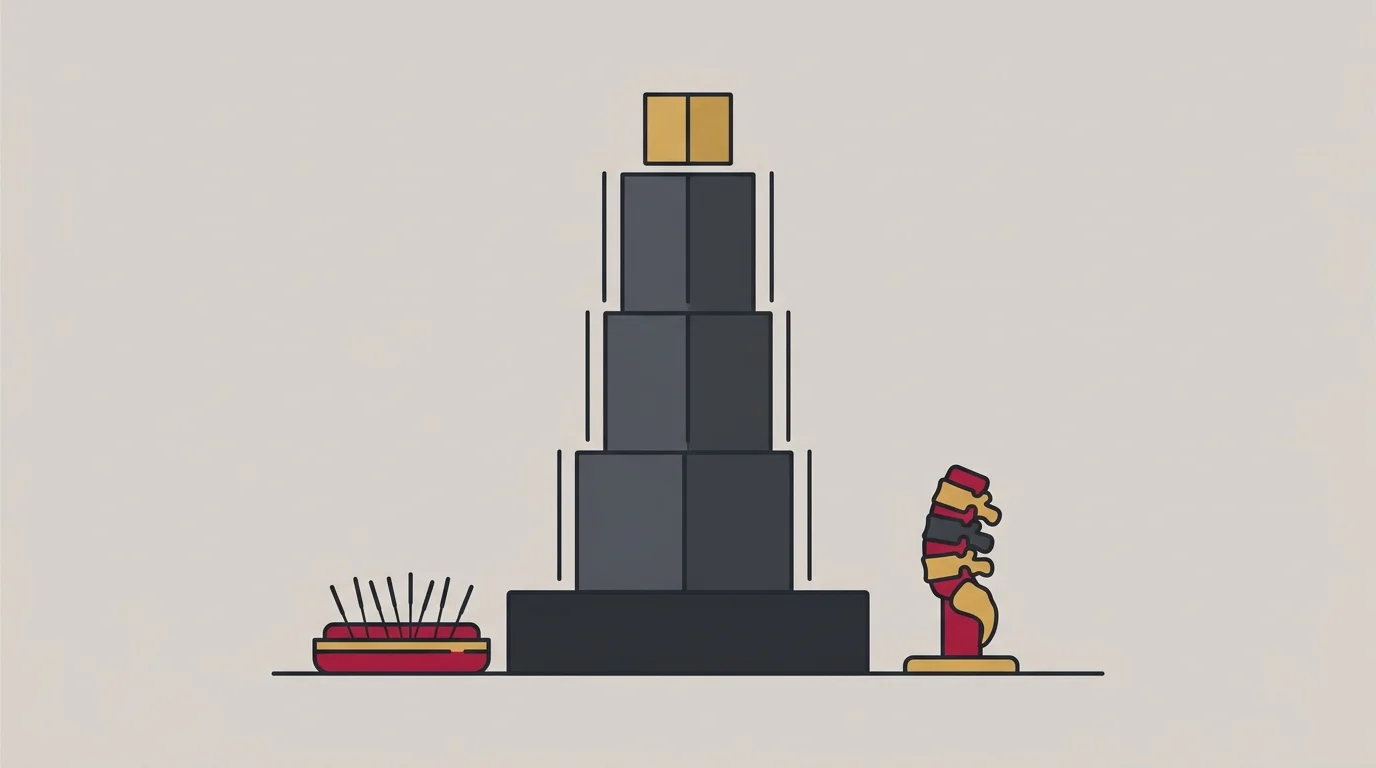
The floor comes from a weekend. The ceiling comes from a curriculum built one step on top of the next, not a single seminar.
| Curriculum Component | Hour Allocation | Purpose |
|---|---|---|
| Total Didactic and Clinical Education | 300 hours | Establishes the full post-doctorate curriculum required for board certification, far beyond any state minimum |
| Chiropractic-Setting Theory | History, philosophy, organs, qi and fluid, channels and pathways, acupoints | Builds the diagnostic framework tested on the national exam before clinical technique is applied |
| Applied Technique and Safety | Acupuncture techniques, basic treatment tenets and protocols, safety and hygiene | Confirms hands-on competence and hygiene practice are verified, not assumed, before board certification is granted |
The 300-Hour Curriculum
The American Board of Chiropractic Acupuncture requires 300 hours of didactic and clinical education in acupuncture for board certification. Work available through this published analysis indicates requires 300 hours of didactic and clinical education in acupuncture for board certification. That total sits far above any state minimum. It explains why the credential functions as a genuine post-doctorate standard rather than a certificate of attendance. Read more about the foundation this training supports in the chiropractic services this credential supports.
What the National Exam Actually Measures
Hours alone do not prove mastery, so a national exam checks what the hours actually taught. The National Board of Chiropractic Examiners acupuncture exam covers history and philosophy of acupuncture in a chiropractic setting, organs, qi and fluid, channels and pathways, acupoints, acupuncture techniques, basic treatment tenets and protocols, and safety and hygiene. Work available through the National Board of Chiropractic Examiners indicates the NBCE acupuncture exam covers history and philosophy of acupuncture in a chiropractic setting, organs, qi and fluid, channels and pathways, acupoints, acupuncture techniques, basic treatment tenets and protocols, and safety and hygiene. That breadth is the inspection a building permit is supposed to represent.
Where Undertrained Needle Therapy Breaks Down
A signed permit means nothing if nobody checked the footing. This is where the hour gap stops being a paperwork problem and becomes a needle in someone's skin.
| Practice Standard | Training Requirement | Adverse Event Consideration |
|---|---|---|
| Oklahoma dry needling minimum | 24 hours face-to-face course study for chiropractors without acupuncture certification | No post-doctorate clinical oversight built into the requirement |
| Needle-based therapy across training tiers | Hour counts range from a single weekend course to a 300-hour Diplomate program | Approximately 9.4 minor adverse events per 100 treatments on average |
| Oklahoma non-certified dry needling provider | 24 hours deemed sufficient for technique competence under state rule | Baseline needle risk still applies regardless of hour count completed |
The Adverse Event Data Behind the Warning
Needle-based therapy is not risk-free, even in trained hands. Work available through PubMed Central indicates minor adverse events such as bleeding, pain, or local flare at the needle site occur in approximately 9.4 per 100 treatments on average during acupuncture. That figure covers adverse events across the discipline broadly, not a breakdown by training tier. But it establishes the baseline risk a provider's training is supposed to manage.
Dry Needling's Separate and Thinner Standard
Dry needling was never built to be a substitute for a full acupuncture credential. Its hour requirement runs far shorter than what a Diplomate program demands, and it tests a narrower skill set. A permit for one does not cover the other.
How to Read a Credential Before You Sit Down
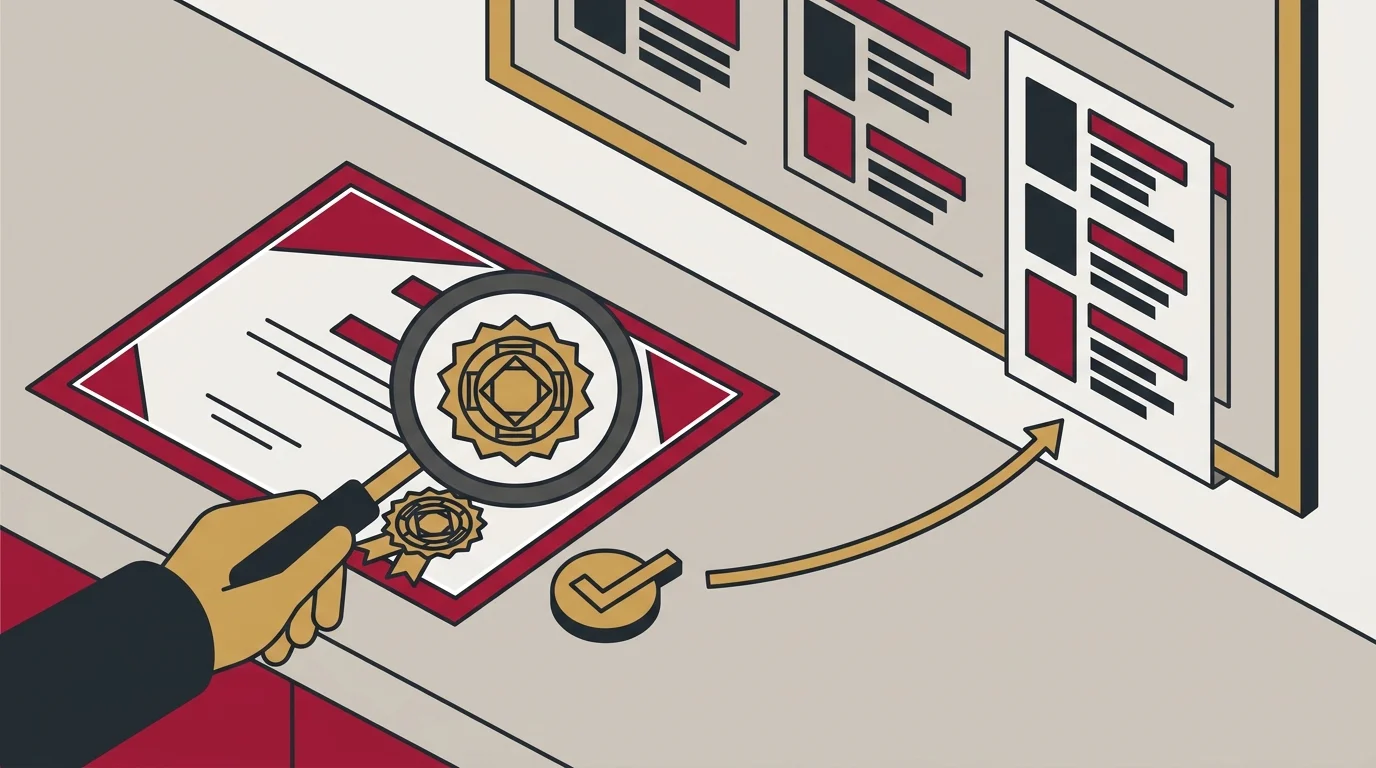
Diagnosing the landscape is one thing. Reading the actual credential sitting in front of you is another.
A permit only protects a patient if somebody reads it before the work starts.
Reading a Verification Letter or Certificate
A certificate or verification letter should name the issuing board, the total hours completed, and whether an examination was passed. If it only says acupuncture certified with no board named, that is a sticker without an inspection behind it.
A real Diplomate letter reads more like a transcript than a plaque.
Cross-Checking a Board Directory Listing
The American Board of Chiropractic Acupuncture maintains its own directory of Diplomates. A name that does not appear there, despite claims of board certification, is a footing nobody actually poured.
Cross-checking takes minutes. Skipping it is how a sticker gets mistaken for a signed permit.
Frequently Asked Questions
A few questions come up every time this topic gets raised. Here are direct answers, no padding.
What is the minimum training a chiropractor needs to perform acupuncture?
It varies by state, and the floor is often lower than patients expect. Some states allow certification after a modest block of theoretical study paired with a small amount of supervised clinical instruction, followed by an exam.
Is chiropractic acupuncture the same as acupuncture from a licensed acupuncturist?
No. A licensed acupuncturist follows a dedicated educational track built around acupuncture alone, while a chiropractor's certification is added on top of chiropractic training. The hour requirements and depth of study differ substantially between the two paths.
How can a patient check if a chiropractor holds a Diplomate in acupuncture?
Ask directly which certifying body issued the credential, then request the name to be checked against that board's own Diplomate directory. A real Diplomate will appear there without hesitation.
What separates a 100-hour certification from a 300-hour Diplomate program?
A 100-hour certification clears a state's legal minimum to practice. A Diplomate program adds post-doctorate coursework and a national board exam that goes far deeper into diagnostics, technique, and safety.
Are the risks higher when a chiropractor with minimal training performs dry needling?
Dry needling carries its own shorter certification path, often built around a single course rather than a sequenced curriculum. Less training behind any needle-based technique means less depth in managing the adverse events that can occur.
What does the National Board of Chiropractic Examiners acupuncture exam actually test?
It checks how well a chiropractor understands acupuncture theory, technique, and treatment protocols within a chiropractic setting, along with safety and hygiene standards. That breadth is the inspection a certificate alone cannot prove.
Where This Leaves You
A building permit is only as good as the inspection behind it. Credential verification works exactly the same way.
The hours nobody sees are the hours that matter most. A Diplomate from the American Board of Chiropractic Acupuncture is the one standard built on a real inspection, not a sticker on the door. Anything less is a permit signed before anyone checked the footing.
So ask the question before a needle ever touches your skin. Which standard should a chiropractor's own credential clear before it earns your trust? That is the question worth putting to any practice, and the conversation about what training actually backs your care starts with scheduling a visit.