
Spinal alignment impacts heart rate variability and sleep restoration by regulating the autonomic nervous system, the internal network that governs the switch between alert states and rest states. Misalignments in the spine can interfere with the neurological signaling that travels between the brain and the rest of the body, keeping the sympathetic nervous system, the body's stress response, in a heightened state longer than necessary. When the sympathetic nervous system stays activated, the parasympathetic nervous system, responsible for rest and recovery, cannot take over the way it needs to for deep sleep to begin. Heart rate variability, the measurable variation in time between heartbeats, serves as an indicator of how well these two systems are communicating and balancing each other. Higher heart rate variability generally reflects greater parasympathetic activity, which is associated with the body's ability to enter and sustain deeper, more restorative sleep cycles. Lower heart rate variability often points to ongoing sympathetic dominance, a state that correlates with lighter, more fragmented sleep and reduced physiological recovery overnight. Correcting spinal misalignment addresses interference along the neurological pathways that connect the brain to the organs and systems responsible for regulating this balance. Restoring proper alignment supports clearer signaling between the brain and body, allowing the autonomic nervous system to shift more efficiently between alert and rest states. This shift is what ultimately makes deeper, more restorative sleep stages accessible. Sleep restoration, in this context, refers to the body's capacity to progress through the full range of sleep stages required for neurological and physiological repair, rather than simply the number of hours spent in bed.
Why Heart Rate Variability Is the Signal Worth Watching
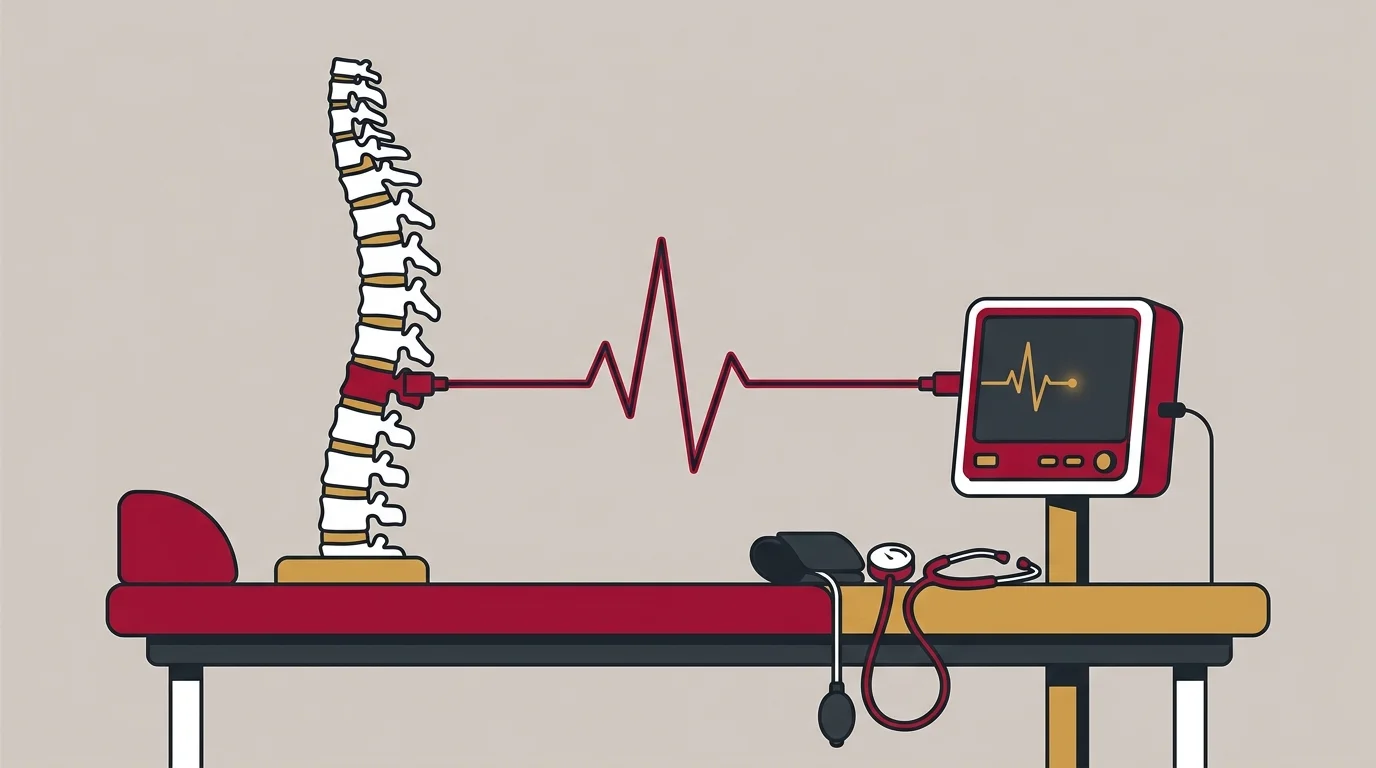
Heart rate variability is the biomarker sitting behind that answer. So before we look at what throws it off, the term itself deserves a plain definition.
Heart Rate Variability, or HRV, is a key metric that reveals the health and adaptability of your autonomic nervous system. It is not a measure of heart rate alone. It is a measure of how well that rhythm can shift.
| Sleep Stage | Autonomic Shift | What It Reflects |
|---|---|---|
| Sleep Onset | Shift toward parasympathetic modulation | Early signs of the nervous system disengaging from stress mode and preparing the body for rest |
| Deeper Non-REM Sleep | Sustained parasympathetic dominance | The autonomic nervous system settling into the recovery state where tissue repair and neurological restoration occur |
| REM Sleep | Shift toward sympathetic modulation | A period where nervous system activity resembles wakefulness even though the body remains asleep |
| Fragmented or Disrupted Sleep | Sympathetic activity intrudes on stages that should be parasympathetic | A signaling pattern consistent with the spine's role in autonomic communication being compromised |
What HRV Actually Measures
HRV reflects the space between heartbeats, and that space is not supposed to be fixed. A healthy nervous system produces constant, subtle variation as it adjusts to breathing, movement, and stress.
This variation tracks closely with sleep stages, shifting one way as the body settles into deeper rest and the other way once REM begins. Findings published through PubMed Central show sleep onset and progression to deeper sleep stages were associated with increased parasympathetic modulation of the heart, while REM sleep was associated with increased sympathetic modulation. A how calming the nervous system restores sleep has to account for that shift, since deeper sleep and lighter REM stages pull the autonomic system in opposite directions.
Why Symptom-Focused Sleep Approaches Miss the Signal
Many approaches to poor sleep focus on managing symptoms rather than addressing the underlying neurological function that governs rest and recovery. Sleep aids, white noise, and comfort adjustments treat the surface.
None of them touch the signaling problem underneath. HRV is what actually moves when that signaling improves, which is why it is the signal worth watching instead of the symptom.
How the Spine Governs the Switch Between Alert and Rest States
Think of the spine as the main cable running signals between your brain and the rest of your body. How that cable sits shapes every message reaching the organs and systems it governs.
And one of those messages is the switch between staying alert and settling into rest. When alignment slips, the signal telling your body to power down for deep sleep can't travel cleanly.
The Upper Cervical Spine and Brainstem Signaling
The upper cervical spine sits right next to the brainstem, the structure that runs your autonomic function. So a misalignment up here carries an outsized effect on the signals moving between brain and body.
That brainstem coordinates heart rate, breathing, and the balance between the stress response and the rest response. Interference at the upper cervical level can throw that coordination off before it ever reaches the rest of the nervous system.
The Vagus Nerve's Role in Nightly Recovery
Move from the biomarker itself to the nerve pathway most directly tied to it. The vagus nerve is the primary channel through which the parasympathetic system exerts its calming influence on heart rhythm.
Findings published through The Annals of Indian Academy of Neurology show vagus nerve stimulation, which activates the parasympathetic system, increased the complexity of heart rate variability during sleep and decreased it during wakefulness — a single reported case. That finding came from a single documented case, not a broad population, so it points toward a mechanism rather than a settled outcome. Still, it reinforces why nightly recovery depends on parasympathetic access, the same access spinal alignment is positioned to support, a connection explored further in Sleep and Deep Recovery Cycles.
What Happens When the Nervous System Cannot Downshift
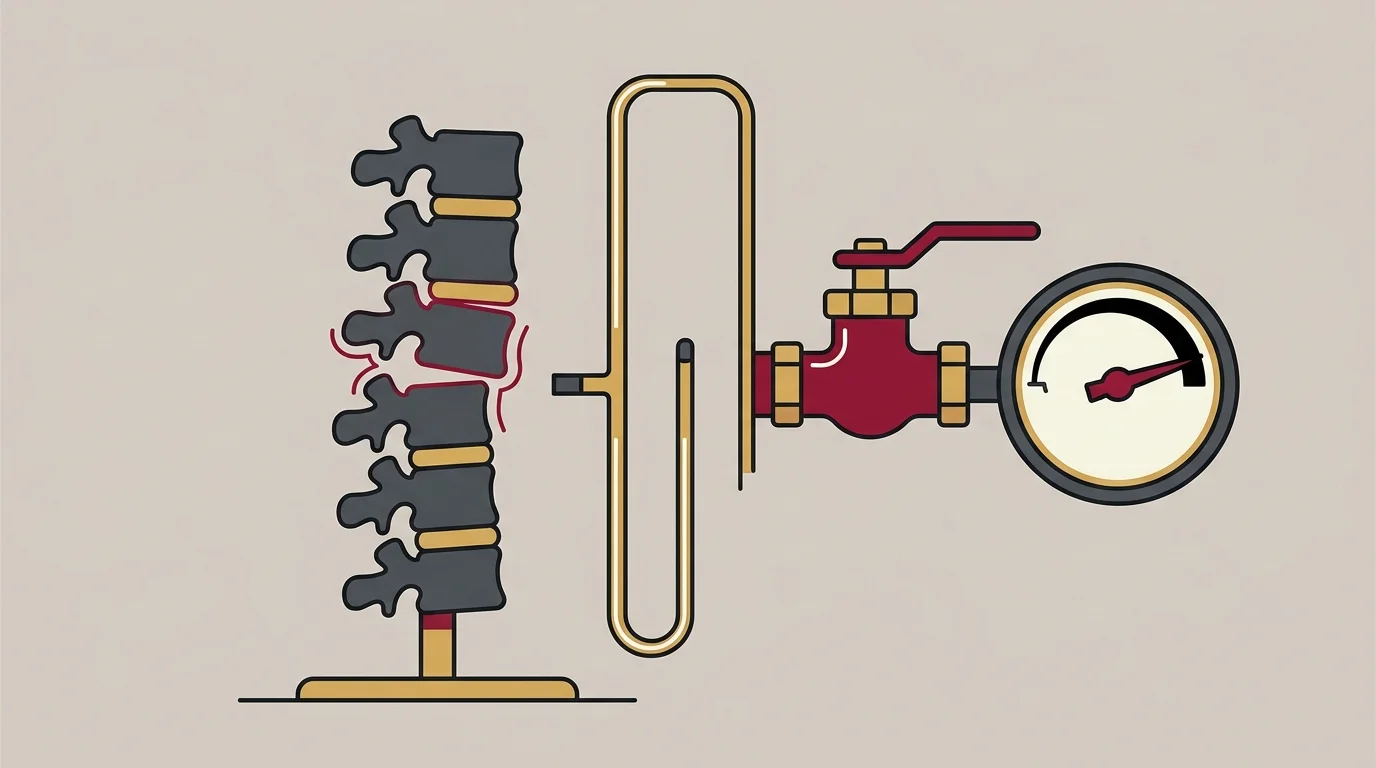
When the sympathetic nervous system stays switched on past the point it should hand off control, the body cannot downshift into rest. The signal to power down for sleep either arrives late or does not arrive at all.
| Nervous System State | Physical Signs | Effect on Sleep Architecture |
|---|---|---|
| Sympathetic Dominance (Sustained) | Elevated resting heart rate, shallow breathing, muscle tension that does not release at bedtime | Sleep onset is delayed and the body struggles to reach the deeper, restorative stages |
| Delayed Parasympathetic Handoff | Restlessness after lying down, difficulty settling despite fatigue, a racing mind at night | Sleep begins later than intended and lighter stages dominate the early cycle |
| Fragmented Autonomic Signaling | Frequent waking, disrupted breathing patterns, a sense of unrefreshing sleep on waking | Deeper stages are interrupted repeatedly, cutting recovery time short before it completes |
| Balanced Autonomic Regulation | Steady heart rate, relaxed breathing, a body that settles once it lies down | Sleep progresses through its full range of stages, supporting neurological and physiological repair |
How Sympathetic Dominance Blocks Sleep Onset
Sympathetic dominance keeps the heart rate up and the breathing shallow. That's the same posture the body holds to stay ready for a threat. Sleep onset needs the opposite, and the nervous system can't hold both at once.
Many approaches to poor sleep focus on managing symptoms rather than addressing the underlying neurological function that governs rest and recovery. A sleep aid can quiet the mind for a night. It cannot correct the signaling delay that kept the sympathetic system engaged in the first place.
The Cost of a Nervous System Stuck in Alert Mode
A nervous system stuck in alert mode doesn't just delay sleep onset. It breaks sleep apart once it starts, a pattern examined in Sleep Fragmentation. Each disruption pulls the body back toward sympathetic activity before the deeper, restorative stages can take hold.
What the Research Shows About Adjustments and Autonomic Response
The vagus nerve link raises a mechanism. Documented measurement is what turns a mechanism into evidence.
That evidence exists, and it comes from patients dealing with acute back pain, adjusted with spinal manipulative treatment and compared against a sham procedure.
| Study Population | Intervention Compared | Measured Autonomic Outcome |
|---|---|---|
| Acute back pain patients | Spinal manipulative treatment versus sham treatment | Significantly greater increase in high-frequency heart rate variability immediately after adjustment |
| Patient with vagus nerve stimulation implant | Vagus nerve stimulation during sleep versus wakefulness | Increased complexity of heart rate variability during sleep, decreased complexity during wakefulness |
Measured Shifts in Heart Rate Variability After Adjustment
This comparison isolates the adjustment itself, not a general calming effect from touch or attention. According to Chiropractic & Manual Therapies, spinal manipulative treatment produced significantly greater increases in high-frequency heart rate variability immediately after the adjustment compared to sham treatment (p < 0.01). High-frequency variability is the parasympathetic signature, the same one tied to the deeper sleep stages described in our approach to spinal treatment.
How a Chiropractic Care Plan Is Structured Around Nervous System Recovery
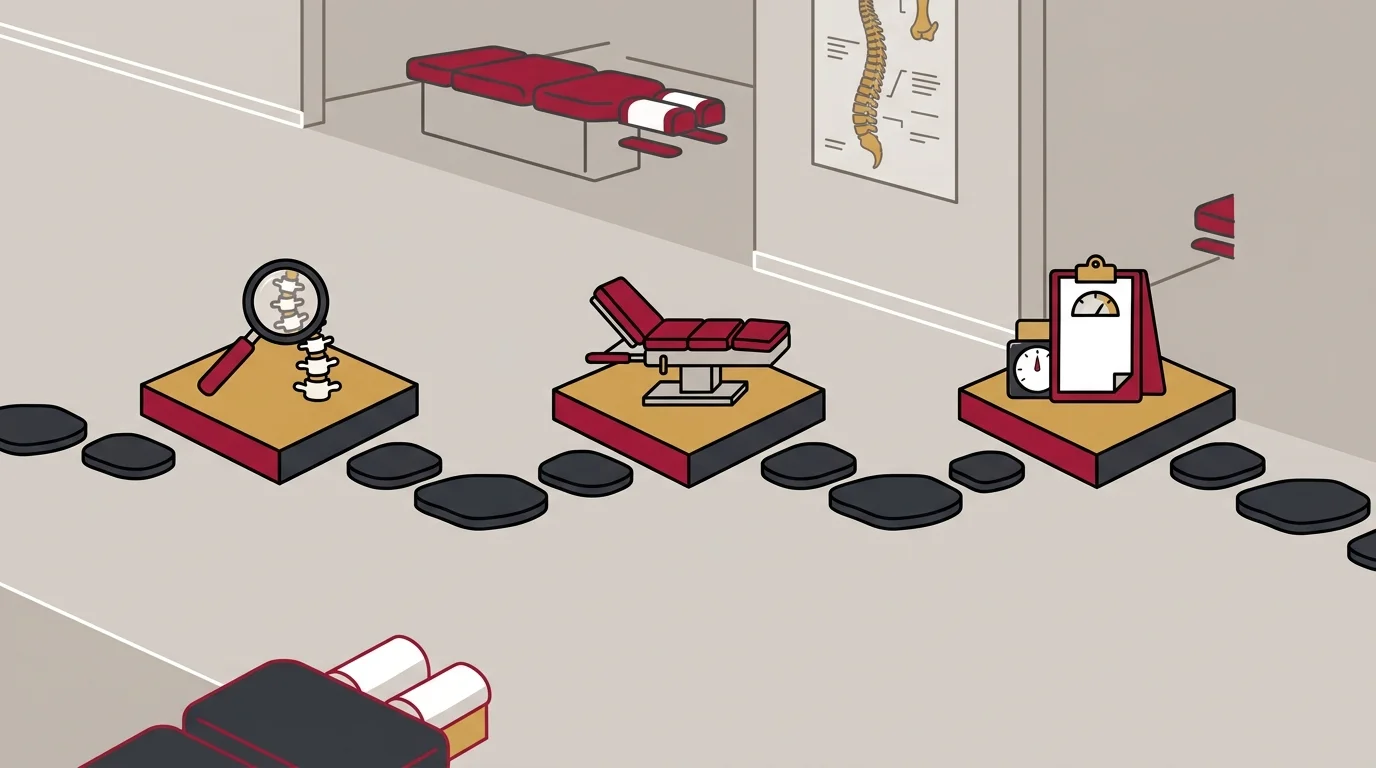
A mechanism only matters if it shapes the plan built around it. So a care plan aimed at nervous system recovery starts from the spine's job as the cable between brain and body. It isn't built around chasing pain relief alone.
| Phase | Primary Focus | What Is Reassessed |
|---|---|---|
| Initial Signaling Assessment | Locating disruption along the spine's communication pathway, with particular attention to the upper cervical region nearest the brainstem | Baseline autonomic markers and areas of restricted movement tied to nervous system signaling |
| Corrective Phase | Chiropractic adjustments targeting the specific points where signaling appears interrupted, aimed at restoring clearer transmission between brain and body | Shifts in parasympathetic access and early changes in the balance between alert and rest states |
| Stabilization Phase | Reinforcing consistent signaling along the spine so the autonomic nervous system can shift reliably into rest, rather than depending on isolated adjustments | Whether parasympathetic gains are holding between visits, not just how someone feels on a given morning |
| Recovery Monitoring | Tracking whether the body is accessing and sustaining deeper, restorative sleep cycles over time, not just logging hours spent in bed | Autonomic markers tied to sleep architecture, reviewed against the signaling goals set earlier in the plan |
The Sequence of a Neurological Sleep Restoration Plan
Early visits focus on identifying where signaling along that cable is disrupted, particularly at the upper cervical level closest to the brainstem. Adjustments then target those points to restore clearer transmission between brain and body. Quality sleep is not just about the hours spent in bed. It is about the body's ability to enter and sustain deep, restorative cycles.
Tracking Progress Beyond How the Body Feels
Progress is not judged by how rested someone reports feeling on a given morning. It is judged by whether the autonomic markers tied to sleep architecture are actually shifting. That means tracking signs of parasympathetic access over time, not just symptom relief.
Frequently Asked Questions
The mechanism behind spinal alignment and sleep raises specific follow-up questions. Here are direct answers to the ones that come up most.
How long does it take to see an improvement in sleep after starting chiropractic care?
Most patients notice a shift in sleep quality within the first few weeks of consistent care. Nervous system change happens gradually, as clearer signaling accumulates adjustment over adjustment.
Can spinal alignment affect conditions like sleep apnea?
Sleep apnea is an airway problem, and an adjustment doesn't touch that structure directly. What it does support is the nervous system regulation behind your breathing rhythm and how often you rouse in the night.
Is it possible for a spinal misalignment to cause insomnia without causing back or neck pain?
Yes. A misalignment can scramble the autonomic signaling that governs rest without ever hurting, which is why insomnia sometimes shows up with no aching neck or back to point at.
What is the connection between the upper cervical spine and the brainstem's role in sleep regulation?
The upper cervical spine sits right beneath the brainstem, the structure running your heart rate, breathing, and the balance between stress and rest. A misalignment up there distorts the signals that brainstem leans on to coordinate sleep.
Besides adjustments, what else can I do to maintain spinal alignment for better sleep?
Daytime posture, an ergonomic sleep position, and steady movement all protect the alignment your adjustments establish. None of them corrects the signaling problem underneath, but they guard the progress you've made.
What does a heart rate variability measurement actually show about sleep quality?
Heart rate variability shows how well the autonomic nervous system is shifting between alert and rest states. Higher variability during sleep points to stronger parasympathetic access and deeper, more restorative sleep stages.
Where This Leaves You
The spine is the wiring. Your brain sends the signal to rest down that cable, and the body can't follow an order it never hears clearly.
Correct the misalignment and you restore that transmission. The sympathetic response calms, heart rate variability lifts, and the path back to deep, restorative sleep reopens.
That is the position this article takes, plainly and without hedging. If poor sleep keeps circling back to a nervous system that will not stand down, schedule a visit at Touch of Wellness Chiropractic and start with the wiring itself.