
Nitric oxide photodissociation speeds post-adjustment healing by freeing nitric oxide from cellular binding sites the moment specific light wavelengths reach the tissue. That freed nitric oxide widens blood vessels, so more blood flows to the injured area and nutrients arrive faster. Clinically, the process is called photobiomodulation. It uses infrared light to interact with cytochrome c oxidase, an enzyme that lives inside the mitochondria of a cell. When infrared photons strike this enzyme, they knock loose the nitric oxide bound to it. That releases the enzyme to make more cellular energy, and it sets the nitric oxide free. The freed nitric oxide then drifts into nearby blood vessels. It relaxes the smooth muscle in those vessel walls and opens them wider. Wider vessels carry more blood to the treated spot. That blood delivers oxygen and repair nutrients while it helps flush inflammatory byproducts away. More cellular energy plus better circulation is what supports faster tissue repair after musculoskeletal treatment. The devices used for this emit non-thermal infrared radiation. The United States Food and Drug Administration classifies them as Class 2 medical devices for adjunctive use in pain therapy. The mechanism works without generating heat, which sets it apart from therapies that rely on thermal effects. Nitric oxide does more than widen vessels. It also acts as a signaling molecule that influences inflammation control within the treated tissue. Structural correction realigns the joint, but it does not directly resolve cellular inflammation or restricted circulation on its own. So this photodissociation process complements structural treatment by targeting the biological environment around the corrected area. The result is a two-part recovery: mechanical realignment paired with a cellular signal cascade that supports the body's own repair timeline.
What Nitric Oxide Photodissociation Actually Means for Tissue Recovery
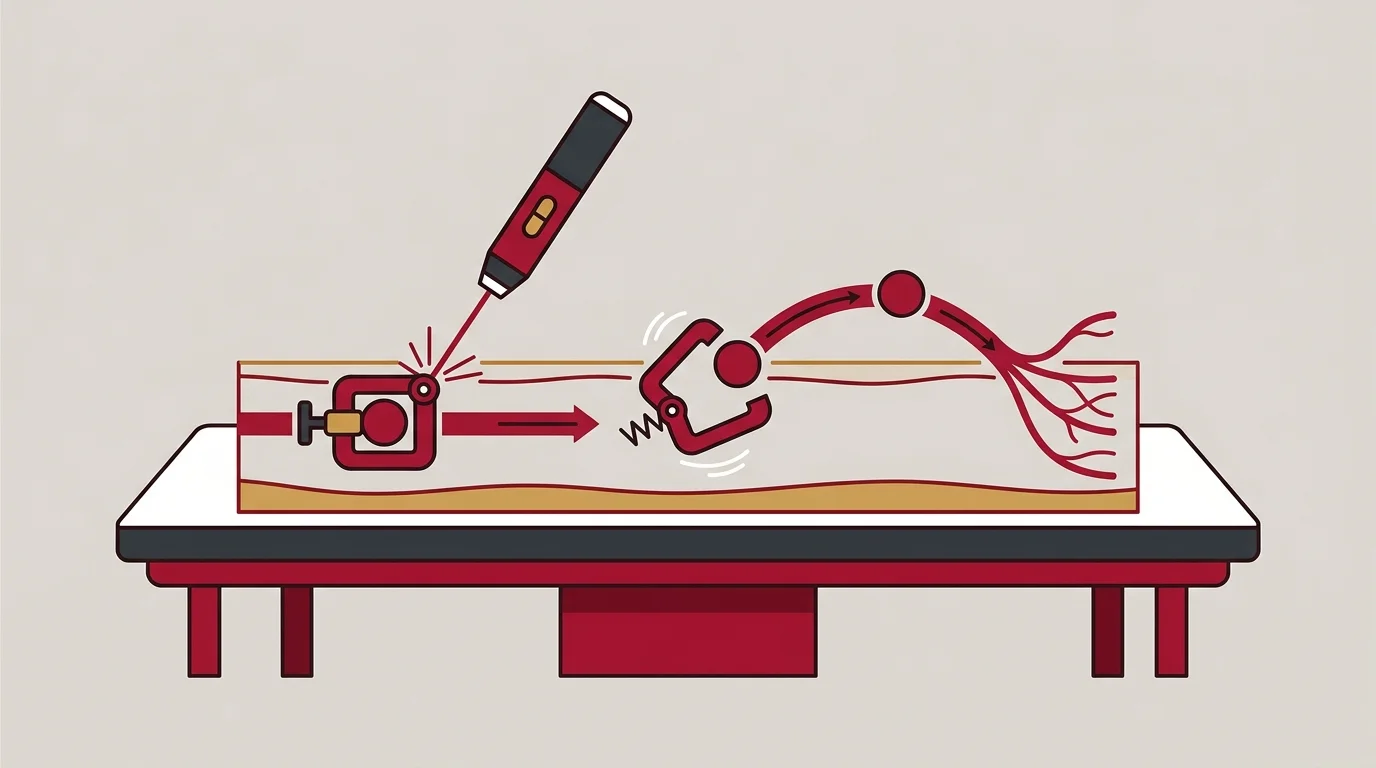
Photobiomodulation is the clinical term for what happens when specific wavelengths of light meet living tissue. It is not a heat treatment.
That distinction matters more than it sounds. The response comes from light waking up a cellular enzyme. It doesn't come from warming the area the way a heat pack does.
The Bound Molecule
Deep inside the mitochondria, nitric oxide sits bound to cytochrome c oxidase. Bound like that, it quietly jams the enzyme's normal work.
A structural correction cannot reach this cellular lock. Only a specific light signal can turn the key.
From Light Wavelength to Biological Signal
So the moment infrared photons strike that enzyme, the bound nitric oxide lets go. And the signal it sends next travels far past the single cell it left.
That release is a critical signaling event. It sets off a cascade running from vasodilation through inflammation control, which is the biological chain this article traces next. Readers wanting the full mechanism breakdown can review why cellular recovery responds to light for the deeper clinical picture.
How Cellular Energy and Blood Flow Respond to Photodissociation
That signaling cascade does not stay contained to one cell. It moves outward into the surrounding tissue, changing conditions across the whole treated area.
This is where the second half of recovery begins. A chiropractic adjustment corrects structural alignment in a single moment on the table.
The Vasodilation Sequence
But the real recovery happens afterward. It happens at the cellular level, across the hours and days that follow, and that window is where photobiomodulation does its work.
So the freed nitric oxide drifts toward nearby blood vessels. It relaxes the smooth muscle lining those walls, and the vessels widen almost at once.
Cellular Energy Output After Light Exposure
Wider vessels move more blood into the treated area. That means more oxygen and repair nutrients arriving, while inflammatory byproducts clear faster. For a closer look at how wavelength choice changes how far that light reaches into tissue, see Than Consumer Red Light Panels.
Why Generic Heat-Based Recovery Methods Miss the Cellular Window
Heat packs feel good. That is not the same as reaching the cellular window where recovery actually happens.
Warmth raises tissue temperature and loosens tight muscle. It never touches the nitric oxide locked inside cytochrome c oxidase.
| Recovery Method | Primary Mechanism | Nitric Oxide Involvement | Cellular Energy Effect |
|---|---|---|---|
| Heat Pack or Warm Compress | Surface-level thermal transfer that raises tissue temperature | None; heat carries no photodissociation signal to release bound nitric oxide | No direct effect on mitochondrial energy output |
| Ice or Cold Therapy | Vasoconstriction to limit swelling through reduced blood flow | None; cooling narrows vessels rather than triggering nitric oxide release | No direct effect on cellular energy production |
| Generic Massage or Manual Soft Tissue Work | Mechanical pressure to relax muscle fiber and improve local mobility | None; pressure alone does not release nitric oxide from cytochrome c oxidase | No direct effect on mitochondrial energy output |
| Photobiomodulation | Infrared light interacting with cytochrome c oxidase inside the mitochondria | Central mechanism; light exposure releases bound nitric oxide to trigger vasodilation | Increases cellular energy production by freeing the enzyme's normal function |
Where Heat Therapy Stops and Photobiomodulation Starts
Heat therapy stops at the surface effect: looser tissue, temporary comfort, nothing more. Photobiomodulation starts where heat cannot go, using light instead of temperature to trigger a cellular response.
That distinction was already drawn earlier. Only a specific light signal releases the bound nitric oxide, and heat carries no such signal.
How a Generic Heat-Only Recovery Protocol Fails Under Load
A generic heat-only recovery protocol supports comfort, not the chemistry underneath it. It cannot prompt vasodilation, and it cannot influence inflammation control at the cellular level.
The goal of any post-adjustment therapy is to support and accelerate the body's own healing capabilities. Heat alone cannot carry that weight once the demand on tissue increases. For a direct comparison of laser classes built to reach that cellular window, see Which Is More Effective.
The Regulatory and Clinical Framework Governing Therapeutic Lasers

Photobiomodulation does not operate outside regulatory oversight. Specific classification rules govern how these light-based devices may be used in a clinical setting.
| Framework Element | Governing Body | What It Establishes |
|---|---|---|
| Device Classification | United States Food and Drug Administration | Non-thermal infrared devices used for adjunctive pain therapy are placed in a distinct category built around light-based effect rather than heat output, separating this tool from thermal treatment devices. |
| Scope of Practice | State Chiropractic Licensing Boards | Guidance defines when and how a licensed chiropractic physician may deliver light-based therapy, confirming it sits inside the profession's recognized clinical scope. |
| Clinical Application Standard | Professional Photobiomodulation Associations | Wavelength and treatment approach recommendations for musculoskeletal conditions, giving practitioners an evidence-based structure rather than an improvised protocol. |
| Adjunctive Use Designation | United States Food and Drug Administration | The classification specifies that this therapy supports pain management alongside other care, not as a stand-alone replacement for structural correction. |
Device Classification and Scope of Practice
Devices emitting non-thermal infrared radiation for adjunctive pain therapy are classified by the FDA as Class 2 medical devices, a category built around non-thermal effect rather than heat output. The FDA reports therapeutic lasers emitting non-thermal infrared radiation and intended for adjunctive use in pain therapy are classified as Class 2 medical devices. That classification confirms this is a regulated therapeutic tool, not a wellness accessory. Oversight extends to state licensing boards as well. Oregon's chiropractic board publishes guidance covering laser therapy within the scope of practice for licensed chiropractic physicians. Per published government guidance, publishes guidance that includes a policy on laser therapy within the scope of practice for licensed chiropractors. For a broader picture of how this fits inside chiropractic treatment overall, see the full scope of chiropractic treatment.
What the Measured Outcomes Show Across Musculoskeletal Conditions
Oversight tells you why photobiomodulation is allowed in a clinic. It says nothing about what a patient feels once the light is off.
That answer lives in measured pain outcomes, not in classification rules.
| Comparison Group | Measured Outcome | Source |
|---|---|---|
| Low-level laser therapy versus placebo | Significantly lower reported pain on the visual analog scale for chronic nonspecific low back pain | Peer-reviewed research comparing treated and untreated groups |
| Photobiomodulation versus heat-only recovery methods | Cellular-level vasodilation and inflammation control absent from surface warming alone | Mechanism established earlier in this article |
| Structural correction alone versus structural correction paired with light-based therapy | Broader recovery support across the hours and days following an adjustment, not just the moment of correction | Clinical reasoning drawn from the two-part recovery process described above |
Pain Score Reductions in Controlled Comparisons
Low-level laser therapy has been studied directly against placebo for chronic nonspecific low back pain. PubMed reports low-level laser therapy produced significantly lower pain scores on the visual analog scale compared to placebo in patients with chronic nonspecific low back pain, with a weighted mean difference of -13.57. A weighted mean difference that large signals a meaningful drop in reported pain, not a marginal one. That is the outcome the mechanism described earlier is built to produce.
How Photobiomodulation Is Sequenced Around a Chiropractic Adjustment
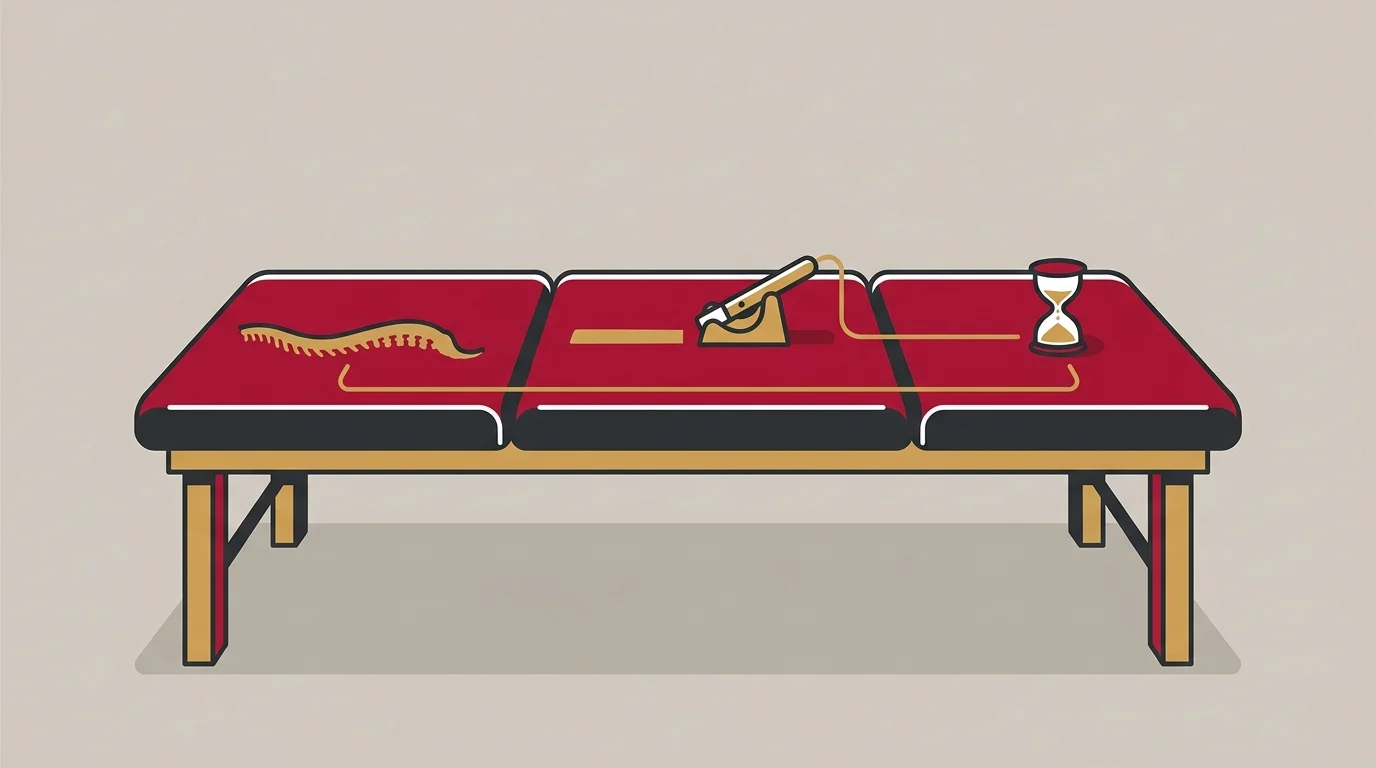
Knowing the mechanism is one thing. Knowing when to apply it is another.
Photobiomodulation is not a random add-on to a chiropractic adjustment. It follows a deliberate sequence built around the cellular recovery window that opens once structural correction is complete.
| Visit Stage | What Happens | Purpose |
|---|---|---|
| Pre-adjustment | Photobiomodulation is applied to the target area before the chiropractic adjustment. | Prepares surrounding tissue, easing muscle tension ahead of structural correction. |
| The adjustment itself | The chiropractic adjustment corrects structural alignment in a single session. | Addresses joint positioning, not the cellular environment around it. |
| Immediately post-adjustment | Photobiomodulation is applied while the cellular recovery window is freshly open. | Meets nitric oxide release at the moment tissue is primed to respond. |
| Hours to days following care | The cellular signal cascade continues working through vasodilation and inflammation control. | Supports the body's own repair timeline without further intervention. |
Session Timing and Application Order
Timing matters because that cellular window is time-sensitive. Applying light-based therapy immediately after the adjustment meets nitric oxide release at the moment tissue is primed to respond.
Some practices apply it before the adjustment instead, using it to prepare tissue for the structural work ahead. Either order respects the same principle: light does the cellular work no adjustment can reach alone.
Frequently Asked Questions
A handful of questions come up over and over once patients grasp what this light-based process actually does. Here are the straight answers.
How is clinical photobiomodulation different from using a home red light therapy device?
Clinical devices deliver specific therapeutic wavelengths and power levels tested against the mechanism described above. Home red light panels are not built to the same regulatory classification or dosing precision.
Does laser therapy feel hot or painful after a chiropractic adjustment?
No. The mechanism relies on light photons striking a cellular enzyme, not on generating heat, so most patients feel little more than a gentle warmth or nothing at all.
What specific role does nitric oxide play in reducing muscle soreness and inflammation?
Freed nitric oxide acts as a signaling molecule that helps regulate the inflammatory response inside treated tissue. That signaling is part of why soreness eases as the cellular window progresses.
How does improved blood flow directly accelerate the healing of soft tissues?
Wider blood vessels move more oxygen and repair nutrients into soft tissue while clearing inflammatory byproducts faster. That combination is what supports quicker tissue repair after treatment.
What are the safety regulations for using therapeutic lasers in a clinical setting?
These devices fall under a specific FDA category built around non-thermal effect rather than heat output. State chiropractic boards, including Oregon's, also publish scope-of-practice guidance covering laser use.
How many sessions of photobiomodulation are typically needed to see cellular changes?
Cellular changes like vasodilation and enzyme activation begin within the treatment session itself. Full soft tissue recovery still depends on the body's own healing timeline rather than a fixed session count.
Where This Leaves the Recovery Timeline
A chiropractic adjustment corrects the joint. Photobiomodulation corrects the biology waiting underneath it, and both halves finish the same story.
Realign the structure without the cellular signal, and half the work sits undone. Nitric oxide photodissociation unlocks the rest, opening blood flow and cellular energy production during the window that matters most.
That is not an optional add-on. It is the second half of a single recovery timeline, and treating it that way is the difference between a correction that holds and one that fades. If you are ready to see what that two-part approach looks like for your own recovery, schedule a visit at Touch of Wellness Chiropractic.