
Functional Rebirth vs. Living With Chronic Pain Management: What Most Providers Won't Tell You
Chronic pain management and functional recovery aren't the same goal. They aren't even close.
One teaches the body to tolerate a problem. The other resolves it.
Chronic pain management — medication, passive modalities, indefinite symptom control — runs on one premise: reduce the signal. But the signal isn't the problem. The signal is the body reporting that something in the nervous system or musculoskeletal structure is broken. Turning down the alarm doesn't fix the wiring. A care model built around silencing the alarm will never fix the wiring.
Functional rebirth is a different clinical objective entirely. It targets the root neurological and biomechanical dysfunction driving the pain — not the pain response itself. The approach combines spinal adjustment with restorative physical therapies to reset nerve function, repair damaged tissue, and stabilize the structures that have spent months or years compensating for something that was never actually corrected.
The data isn't ambiguous. National federal guidelines designate non-pharmacologic, non-invasive therapies as the preferred first-line treatment for chronic pain — not as a last resort after medication fails, but as the standard starting point. Clinical trials confirm that spinal adjustment produces statistically significant improvements in functional ability and pain reduction for chronic lower back conditions. Shockwave Therapy achieves clinical success rates as high as ninety-one percent for specific persistent musculoskeletal conditions. Restorative, active physical care yields up to a fifty percent lower rate of long-term disability recurrence compared to passive care.
Those numbers describe outcomes. They don't describe a protocol.
A functional rebirth is a sequenced clinical strategy: assessment to identify the actual root dysfunction, active correction to restore neurological and structural integrity, and functional stabilization to hold the recovery. Each phase is driven by what the patient reports and how the body responds — not by a predetermined billing schedule.
Over 35 million American adults seek chiropractic care annually for musculoskeletal and nerve dysfunction. Most of them are getting managed. That distinction is the difference between a care plan built around recovery and a care plan built around return visits.
Last Updated: July 20, 2026
- • The Chronic Pain Management Model: What It Actually Does to Your Body
- • Why the Cookie-Cutter Protocol Keeps You Stuck
- • What Functional Rebirth Actually Means Clinically
- • The Root-Cause Reset: Nervous System, Spinal Mechanics, and Why Both Must Move Together
- • Shockwave Therapy and Advanced Modalities: When Structural Tissue Needs Direct Intervention
- • Who Functional Rebirth Is For — and Who It Is Not
-
• Frequently Asked Questions
- • What is the Chronic Pain Functional Rebirth protocol at Touch of Wellness Chiropractic?
- • Why does masking pain with medication prevent real long-term functional recovery?
- • How does Shockwave Therapy support structural tissue healing in chronic pain cases?
- • What makes Dr. Karen Hannah's clinical systems approach different from standard chiropractic care?
- • Can I expect functional recovery if standard pain management has already failed me?
- • How long does functional rebirth take compared to ongoing pain management?
- • Stop Managing. Start Recovering.
The Chronic Pain Management Model: What It Actually Does to Your Body
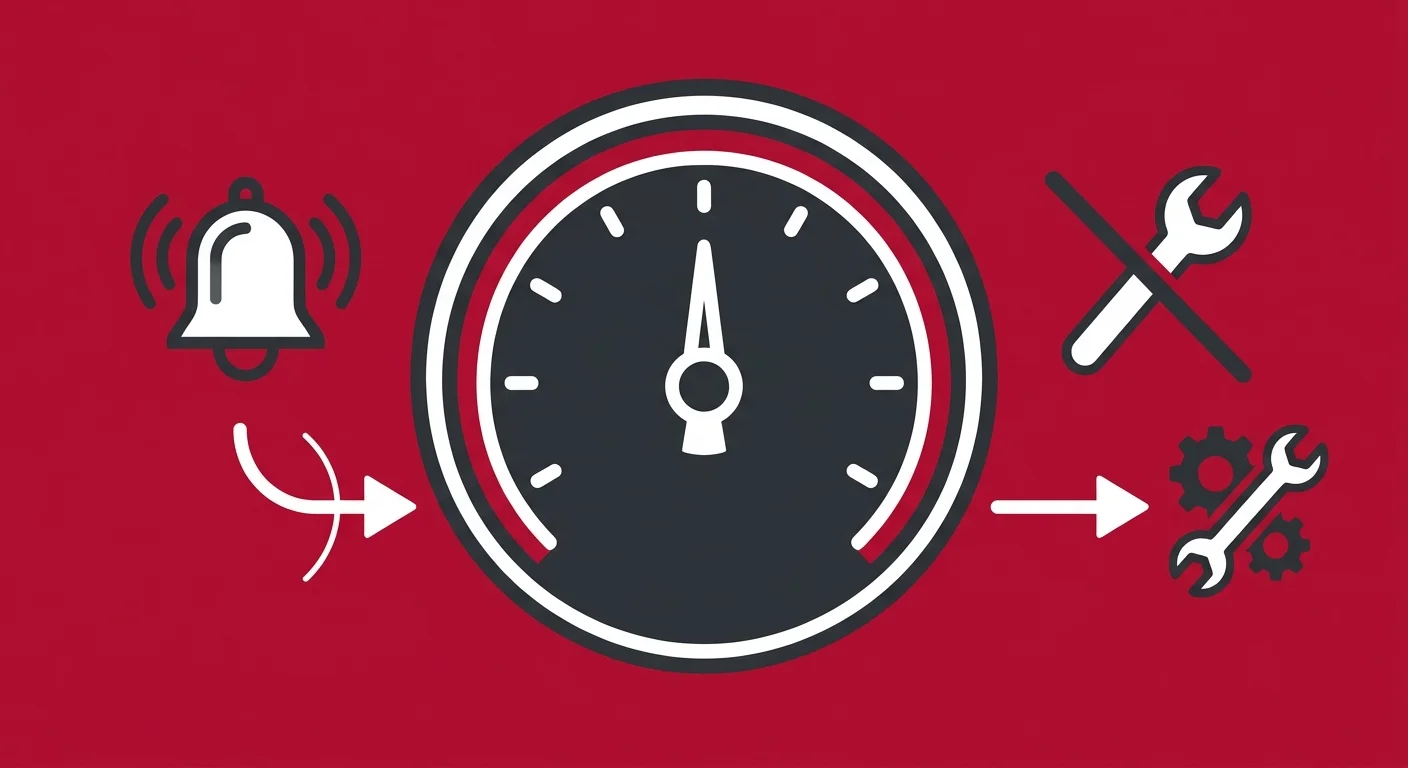
Here's what most people never get told: chronic pain management wasn't designed to end your pain. It was designed to make your pain livable.
The clinical objective isn't recovery. It's tolerance. Lower the perceived intensity just enough that you can get through the day — and call that success.
That's not a flaw in how the system is run. That's the design. And a system built around tolerating dysfunction will always hit the same ceiling — because tolerating something is not the same as ending it.
Managing Pain Is Not the Same as Resolving It
Picture a smoke alarm going off in a building with faulty wiring. Chronic pain management turns down the volume. But the compressed nerve root, the degraded joint, the structurally compromised segment — none of that moves. The alarm gets quieter. The wiring stays broken.
That's where the management model gets it wrong: it confuses the symptom with the problem. Pain isn't the problem. Pain is the nervous system filing a report — flagging a structural dysfunction the body can't self-correct. Suppressing that report doesn't close the case. It just stops you from hearing it.
CDC guidelines are unambiguous: nonpharmacologic therapy is the preferred approach for chronic pain, and opioid therapy shouldn't be initiated as first-line care. That's not a fringe opinion — that's a federal acknowledgment that passive chemical intervention doesn't reach the biomechanical source. It delays the reckoning. What the functional rebirth model addresses instead is the structural dysfunction driving the signal — not the signal itself. Indefinite management cycles aren't a treatment path. They're a holding pattern.
Why the 'Turn Down the Alarm' Approach Has a Ceiling
Most patients don't know they've hit the ceiling until years have passed. They add a medication. They switch a modality. They get referred to a specialist. And the pain keeps coming back — because none of those moves were pointed at the source.
Spinal adjustment is formally recognized as a primary non-drug option for acute and chronic spinal pain — recommended over passive drug-based treatments by major clinical guidelines. That's not a fringe position. It's the clinical standard. But individualized chiropractic care in Morton, built from what the patient actually reports, operates on a fundamentally different premise than the management model. One is pointed at recovery. The other isn't.
The management model isn't trying to restore function. It's trying to reduce interference. Those aren't the same goal. A patient who's been managed for three years hasn't failed to get better. They've been inside a system that was never built to get them there.
| Approach | Primary Mechanism | Targets Symptom or Source | Long-Term Outcome Trajectory |
|---|---|---|---|
| Medication-based pain suppression | Blocks or reduces the nervous system's pain signal chemically | Symptom | Continued dependence on chemical intervention; underlying structural dysfunction progresses untreated |
| Passive modality cycles (heat, ultrasound, TENS) | Temporarily reduces localized inflammation or muscle tension | Symptom | Repeated relief followed by return of pain; no structural correction achieved |
| Indefinite symptom management protocols | Establishes a tolerance threshold — teaches the body to function within dysfunction | Symptom | Functional ceiling is reached; patients plateau and deteriorate slowly over time |
| Neurological Reset (Axis 1) | Restores nerve signal integrity by correcting the biomechanical source of the disruption | Source | Progressive functional recovery; nervous system operates without compensation patterns |
| Structural Tissue Repair (Axis 2) | Repairs damaged soft tissue and degraded joint structures through targeted restorative therapy | Source | Permanent tissue-level healing; reduces recurrence risk by eliminating the originating lesion |
| Functional Rebirth protocol (full-sequence) | Combines Neurological Reset and Structural Tissue Repair across Assessment, Active Correction, and Functional Stabilization phases | Source | Recovery trajectory replaces management trajectory; the goal is resolution, not tolerance |
Why the Cookie-Cutter Protocol Keeps You Stuck
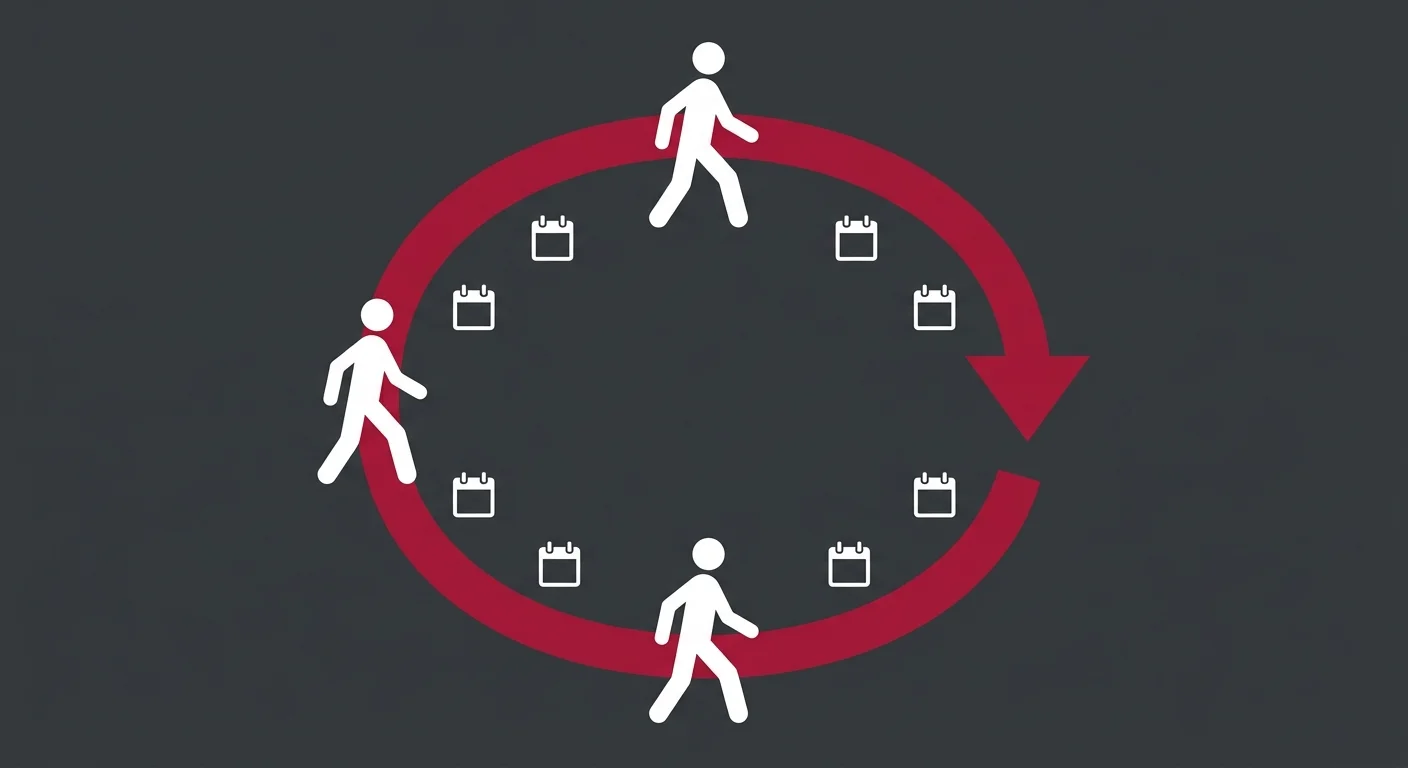
The cookie-cutter protocol is how chronic pain management gets delivered. Same sequence. Same modalities. Same schedule — whether the patient is improving or not, whether they're reporting new symptoms or the same ones, whether the approach is working or it visibly isn't.
That's not a care plan. It's a template.
Templates don't adapt. And a clinical approach that can't adapt can't fix what's actually broken — because what's broken is different in every patient.
For chronic pain patients, that loop is particularly brutal. The protocol produces just enough temporary relief to keep them inside a system that was never pointed at recovery.
They feel better for a week. Then the pain comes back. The protocol runs again. Nothing changes structurally. The wiring stays broken.
The Friction H3: How Repetitive Protocols Fail Chronic Pain Patients
Here's the exact failure point. A patient presents with radiating leg pain. The protocol treats the lumbar region — same as it does for every lumbar complaint — without determining whether the dysfunction is discogenic, facet-related, nerve root compression, or referred from a completely different structural level.
The pain site gets addressed. The cause doesn't. Those are two entirely different clinical targets.
The nervous system doesn't organize pain by geography. Referred nerve pain can present far from its structural origin — which means a protocol built around the symptom location will always miss the actual driver.
NIH research is unambiguous: spinal adjustment produces statistically significant relief of chronic low-back pain and functional scores improve over standard outpatient care. But those outcomes depend on care calibrated to what the body is actually doing — not a preset sequence applied regardless of clinical response.
The problem isn't the therapy. Spinal adjustment works. Shockwave Therapy works.
Applying effective tools in a fixed sequence to a dynamic clinical picture isn't individualized care. It's the appearance of individualized care. There's a difference — and chronic pain patients pay that difference in years.
Patients who seek targeted back pain and sciatica relief after years inside this model describe the same loop: temporary improvement, plateau, regression, restart. That's not a failure of the patient's body to heal.
It's the predictable output of a protocol that never identified what it was trying to fix. NIH findings are direct — restorative, active physical care yields up to a fifty percent lower rate of long-term disability recurrence compared to passive care options. One model aims at the source. The other manages the signal. Those aren't variations of the same approach. They're opposites.
The Fear-Based Timeline and What It Actually Signals
The fear-based timeline is the other instrument. Here's how it works. A patient walks in for an initial visit. The assessment isn't finished. The structural picture isn't clear. The nervous system's compensatory patterns haven't been mapped.
And before any of that happens, they're told they need months of treatment. Sometimes longer.
That number isn't a clinical estimate. It's a retention mechanism.
A timeline presented before the data exists to support it isn't a prognosis. It's a sales structure wearing clinical language. And it tells you exactly what the model underneath it is built for — the billing calendar, not the patient's recovery.
A real care plan can't be written before the assessment is finished. That's not a philosophy — it's a clinical requirement. No two presentations are the same, even when the chief complaint sounds identical.
The honest approach: assess first, identify the root dysfunction, build active correction around what's actually there. And when something isn't producing results, stop and reassess. Don't repeat it.
Scare tactics and prolonged treatment timelines presented before a full assessment is complete are ethically indefensible. They're also the clearest signal that a practice is running the wrong model entirely.
| Protocol Pattern | What It Does | What It Misses | Clinical Consequence |
|---|---|---|---|
| Same adjustment sequence on every visit | Applies a fixed modality pattern regardless of patient response or structural findings | Whether the dysfunction is discogenic, facet-related, or nerve root compression — the protocol doesn't distinguish | The complaint gets addressed; the source doesn't — temporary relief cycles with no structural resolution |
| Treatment targeted at the pain site | Addresses the location where the patient reports discomfort | Referred nerve pain can originate far from where it presents — symptom location and structural origin are not the same | The driver of the dysfunction remains untreated; the pain returns from the same source |
| Predetermined visit timeline | Establishes a fixed duration before Assessment is complete | A real prognosis requires data that doesn't exist before Phase 1 — Assessment — is finished | The care plan serves the billing calendar, not the patient's actual recovery trajectory |
| No reassessment trigger when progress stalls | Continues the same protocol even when clinical milestones are not being met | A plateau is clinical data — it signals that the intervention isn't matched to the root dysfunction | Patients cycle through temporary improvement, plateau, and regression without the protocol ever changing course |
| Passive symptom suppression as the primary goal | Reduces the perceived intensity of pain signals so the patient can tolerate daily function | Tolerating a dysfunction is not the same as ending it — the structural source stays intact | The alarm gets turned down; the wiring that triggered it stays broken |
| No integration between Neurological Reset and Structural Tissue Repair | Treats musculoskeletal complaints as isolated mechanical problems | Spinal dysfunction disrupts nervous system signaling — restoring structural integrity without resetting neurological compensatory patterns leaves the system incomplete | Functional stabilization never holds because the underlying neurological pattern driving the dysfunction was never addressed |
What Functional Rebirth Actually Means Clinically
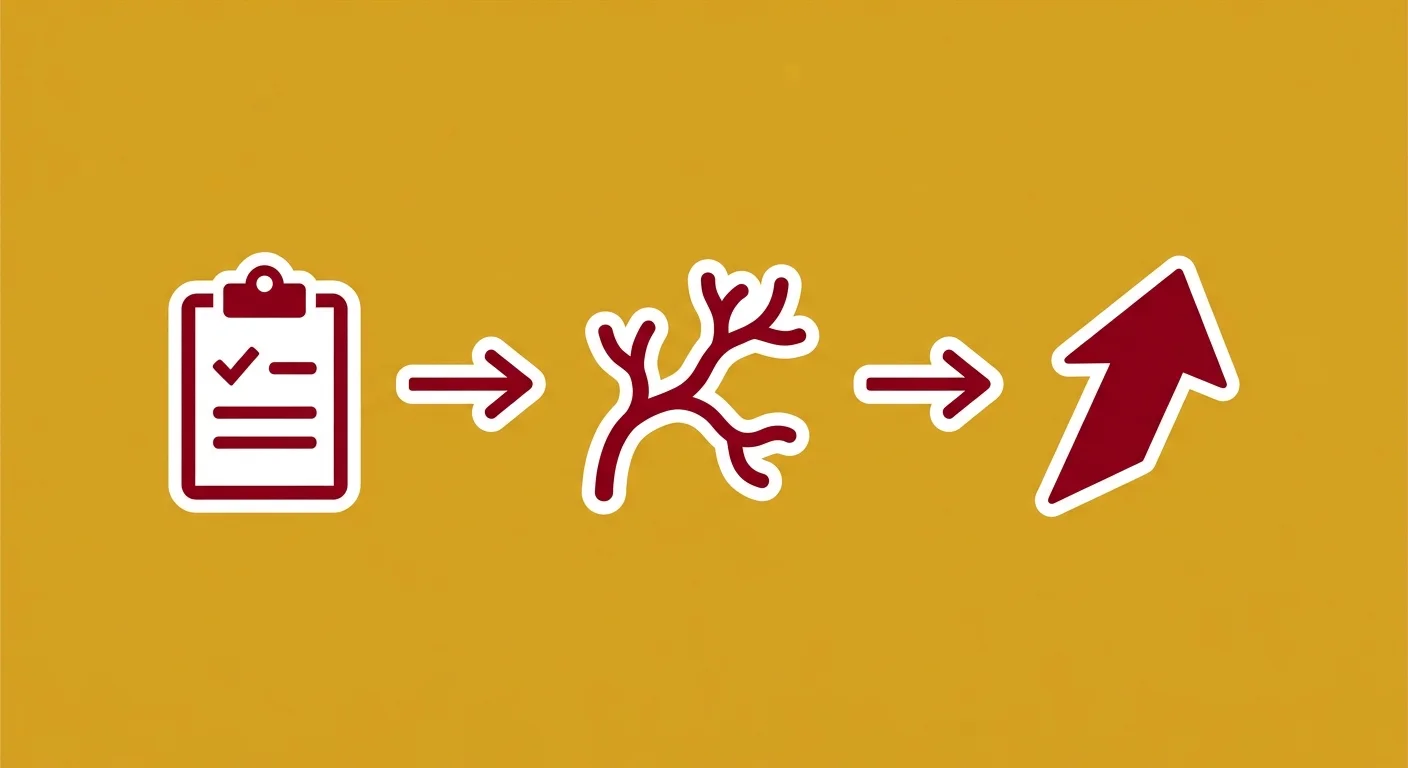
Functional rebirth isn't a marketing term.
It's a clinical event. A specific, sequenced process where the nervous system stops compensating for a structural dysfunction and starts operating the way it was built to.
The difference from chronic pain management is biological, not philosophical.
Management asks: how much signal can we suppress? Functional rebirth asks: what is generating the signal, and can we correct it at the source?
Those questions lead to fundamentally different care architectures.
That architecture runs through three phases: Assessment, Active Correction, and Functional Stabilization.
Every decision inside it is driven by what the patient reports and how the body responds. Not a predetermined schedule. Not a billing calendar.
The wiring gets fixed, or the work isn't finished.
Phase 1 — Assessment: Reading What the Body Is Actually Reporting
Here's where most cookie-cutter protocols fail before they even begin.
Assessment isn't a formality. It's the clinical foundation that determines whether anything that follows has a real shot at producing recovery — not just temporary relief.
What gets mapped: the structural level of dysfunction, the nervous system's compensatory pattern, and the gap between where the patient feels pain and where the source actually lives.
Referred nerve pain presents far from its structural origin. A protocol built around symptom location — instead of the mapped source — treats the wrong thing every time.
Not sometimes. Every time.
This is why suppressing the symptom signal without identifying its structural driver produces a loop instead of a resolution — the pain quiets, the source persists, and the pattern restarts.
Assessment breaks that cycle by refusing to treat the complaint before the cause is confirmed.
That's not extra diligence. It's the only sequence that doesn't guarantee failure.
Phase 2 — Active Correction: Targeting the Source, Not the Symptom
Phase 2 is where the biological work gets done.
The Neurological Reset addresses the nervous system's compensatory firing patterns. The Structural Tissue Repair addresses the degraded tissue and compromised mechanical integrity that triggered those patterns in the first place.
Two different targets. Both have to move.
And the evidence doesn't hedge on this. Spinal adjustment produces statistically significant relief of chronic low-back pain — because the intervention targets the structural source instead of layering chemical suppression over it. Functional scores improve over standard outpatient medical care.
Nonpharmacologic therapy is the preferred first-line standard per federal clinical guidelines. That's not a fringe position.
It's the clinical ceiling the management model never reaches.
Active Correction adapts in real time. If something isn't producing measurable progress by a defined clinical checkpoint, it changes.
That's a commitment the cookie-cutter protocol can't make. It doesn't have a mechanism for reading what the body is actually reporting.
It only knows how to repeat itself.
Phase 3 — Functional Stabilization: When the Work Holds
Phase 3 — Functional Stabilization — is where most management models never arrive, because they were never heading there.
Stabilization is where the corrected structure holds under real-life load. The nervous system stops compensating. The repaired tissue maintains integrity. The patient's function no longer depends on ongoing clinical intervention.
That's the finish line. Management doesn't have one.
Restorative, active physical care yields up to a fifty percent lower rate of long-term disability recurrence compared to passive care options.
That's what Functional Stabilization is built to produce.
The alarm isn't turned down. The wiring is fixed. And when the wiring holds, the alarm stops firing.
| Recovery Phase | Clinical Goal | Key Tools | Patient Milestone |
|---|---|---|---|
| Phase 1 — Assessment | Map the structural source of dysfunction, not just the symptom location | Full clinical intake, nervous system compensatory pattern mapping, referred pain analysis | Root cause identified and confirmed before any active correction begins |
| Phase 2 — Active Correction (Neurological Reset) | Interrupt the nervous system's compensatory firing patterns and restore correct neurological signaling | Spinal adjustment targeted to the mapped structural level, nerve root decompression | Compensatory pain patterns reduce; nervous system begins responding to corrected structure |
| Phase 2 — Active Correction (Structural Tissue Repair) | Restore mechanical integrity to degraded soft tissue and joint structures driving the dysfunction | Shockwave Therapy, Cold Laser Therapy, targeted soft-tissue protocols | Measurable reduction in structural tissue damage; pain source addressed at the biological level |
| Phase 3 — Functional Stabilization | Hold the corrected structure under real-life load so function no longer depends on ongoing intervention | Progressive load-bearing protocols, clinical checkpoint reassessment, patient-reported outcome tracking | Patient sustains function independently; alarm stops firing because the wiring is fixed |
The Root-Cause Reset: Nervous System, Spinal Mechanics, and Why Both Must Move Together
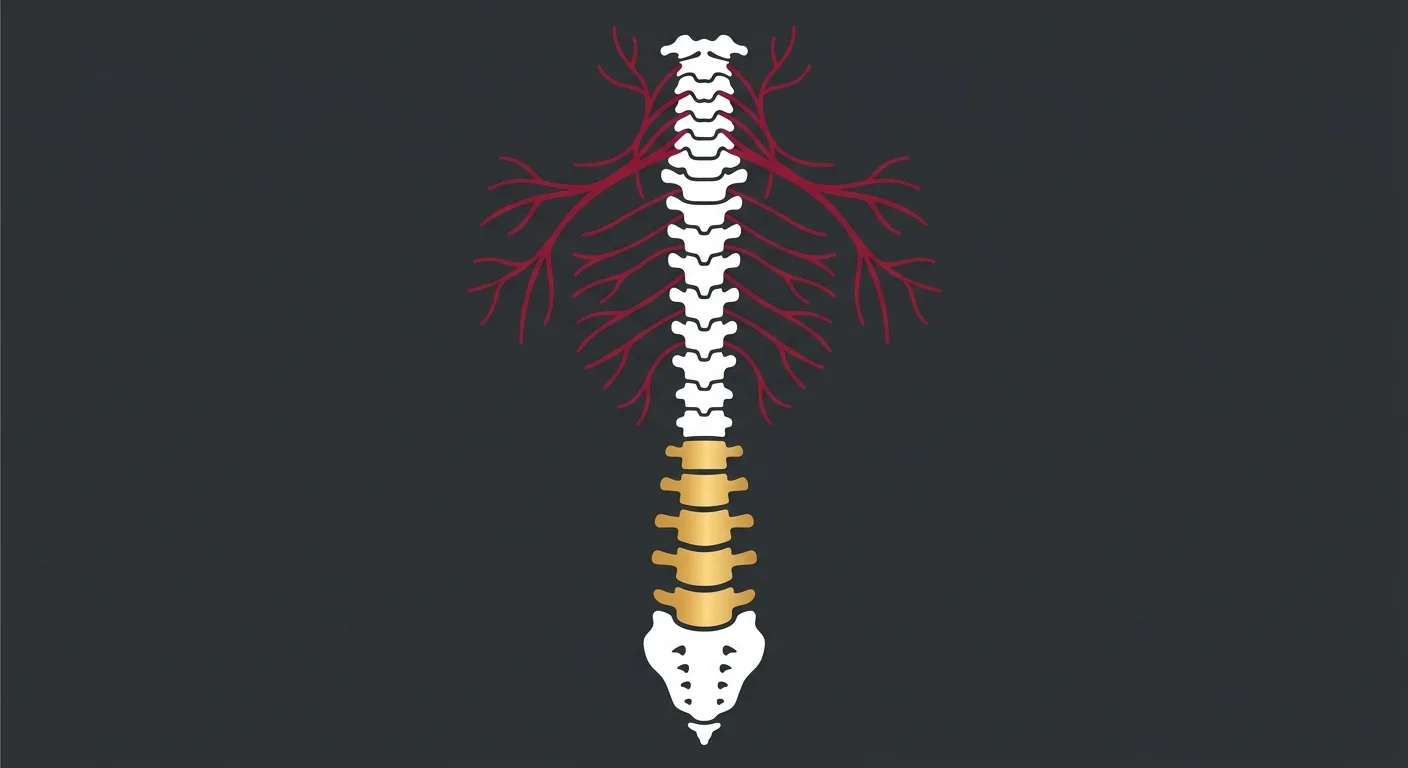
The nervous system and the spine aren't neighbors. They're one integrated architecture.
You can't fix the wiring by treating them separately.
Here's what the management model never accounts for: spinal mechanical dysfunction doesn't just generate structural pain. It distorts neurological signaling.
The nervous system starts compensating for the compromised structure — rerouting, bracing, misfiring. And that compensatory pattern becomes its own source of dysfunction.
Fix the structure without resetting the nervous system, and the compensation persists. Reset the nervous system without correcting the structural driver, and the signal distortion returns the moment the body is under load.
That's why functional rebirth requires both axes running simultaneously — not one after the other.
Neurological Reset and Structural Tissue Repair aren't steps. They're concurrent clinical targets.
The wiring and the architecture holding it both have to move together.
Axis 1 — Neurological Reset: Why the Spine Is the System
The spine isn't a structural column. It's the primary conduit for every signal the nervous system sends and receives.
When a vertebral segment is mechanically compromised — subluxation, disc involvement, joint restriction — the nerve pathways through that segment are affected.
Not eventually. Immediately.
Here's what the management model never tells the patient.
The radiating pain, the numbness, the tension that won't release — those aren't the problem. They're the nervous system's output when a structural source is distorting its input.
Patients told nothing is clinically wrong carry that distortion forward without an explanation — because the system that should have found the source was treating the symptom instead.
Chiropractic adjustment — calibrated to the patient's mapped structural picture, not a default sequence — is a formally recognized primary non-drug option for acute and chronic spinal pain syndromes.
That recognition exists because the intervention addresses mechanical disruption at the source. When the structural level is corrected, the nervous system's compensatory firing pattern loses its trigger.
That's the Neurological Reset. Not a concept. A clinical outcome.
Axis 2 — Structural Tissue Repair: When the Architecture Has Been Compromised
Nervous system compensation doesn't happen in a vacuum. It happens in response to tissue that's been structurally compromised.
Degraded disc material. Restricted joint capsules. Connective tissue that's adapted to a dysfunctional load pattern over months — sometimes years — of unresolved mechanical stress.
That tissue is the structural driver the compensation pattern is built around.
That tissue doesn't self-correct when the neurological compensation is removed. It needs targeted intervention.
That's where Structural Tissue Repair earns its place in the protocol. Shockwave Therapy drives acoustic energy into damaged soft tissue — accelerating cellular repair, breaking down the scar-tissue architecture that perpetuates restricted movement.
The goal isn't symptom suppression. It's restoring the mechanical integrity the nervous system needs to stop compensating.
The clinical evidence is direct. Restorative, active physical care yields up to a fifty percent lower rate of long-term disability recurrence compared to passive care options.
That figure isn't about pain scores. It's about structural durability.
Patients whose tissue integrity is restored under active care don't relapse at the same rate as patients whose symptoms were chemically managed. The alarm stops firing when the wiring is fixed. Structural Tissue Repair is what makes that hold.
| System Component | Dysfunction Pattern | Clinical Indicator | Intervention Axis |
|---|---|---|---|
| Vertebral Segment | Mechanical restriction or subluxation compressing adjacent nerve pathways | Localized stiffness, restricted range of motion, referred pain traveling away from the structural source | Structural Tissue Repair |
| Peripheral Nerve Pathway | Distorted signal transmission caused by sustained mechanical compression at the spinal level | Numbness, tingling, or radiating pain along a nerve distribution that does not resolve with rest | Neurological Reset |
| Soft Tissue and Connective Structures | Adaptive shortening, scar-tissue accumulation, and restricted joint capsule integrity from unresolved mechanical stress | Persistent tension that returns after temporary relief, reduced load tolerance, movement asymmetry | Structural Tissue Repair |
| Nervous System Compensation Pattern | Rerouted motor and sensory signaling as the nervous system braces around a compromised structural segment | Secondary muscle guarding, postural compensation, pain that migrates or shifts without a clear structural explanation | Neurological Reset |
| Spinal Cord Signaling Environment | Sustained input distortion from a mechanically compromised vertebral level altering central signal processing | Symptoms that persist beyond the expected tissue healing window, heightened sensitivity to mechanical load | Neurological Reset + Structural Tissue Repair |
Shockwave Therapy and Advanced Modalities: When Structural Tissue Needs Direct Intervention
Nervous system reset is one axis of functional rebirth. But it's not the only one.
Some patients have tissue damage. Scarring. Mechanical restriction built up over months or years of unresolved dysfunction. For those patients, the neurological work alone won't hold.
That's the part the management model skips entirely.
It addresses the signal without touching the tissue generating it. And tissue that isn't repaired doesn't stabilize — it compensates, adapts, and eventually forces the nervous system back into the same dysfunctional firing pattern.
The alarm returns because the wiring was never fixed at the structural level.
This is where advanced shockwave therapy options enter the clinical picture.
Not as a supplemental comfort measure. As Structural Tissue Repair — direct mechanical intervention on the physical architecture the nervous system depends on to function.
How Shockwave Therapy Differs From Passive Pain Relief
Passive pain relief interrupts the signal. It doesn't care what's generating it. It just turns the volume down.
Shockwave Therapy doesn't work that way.
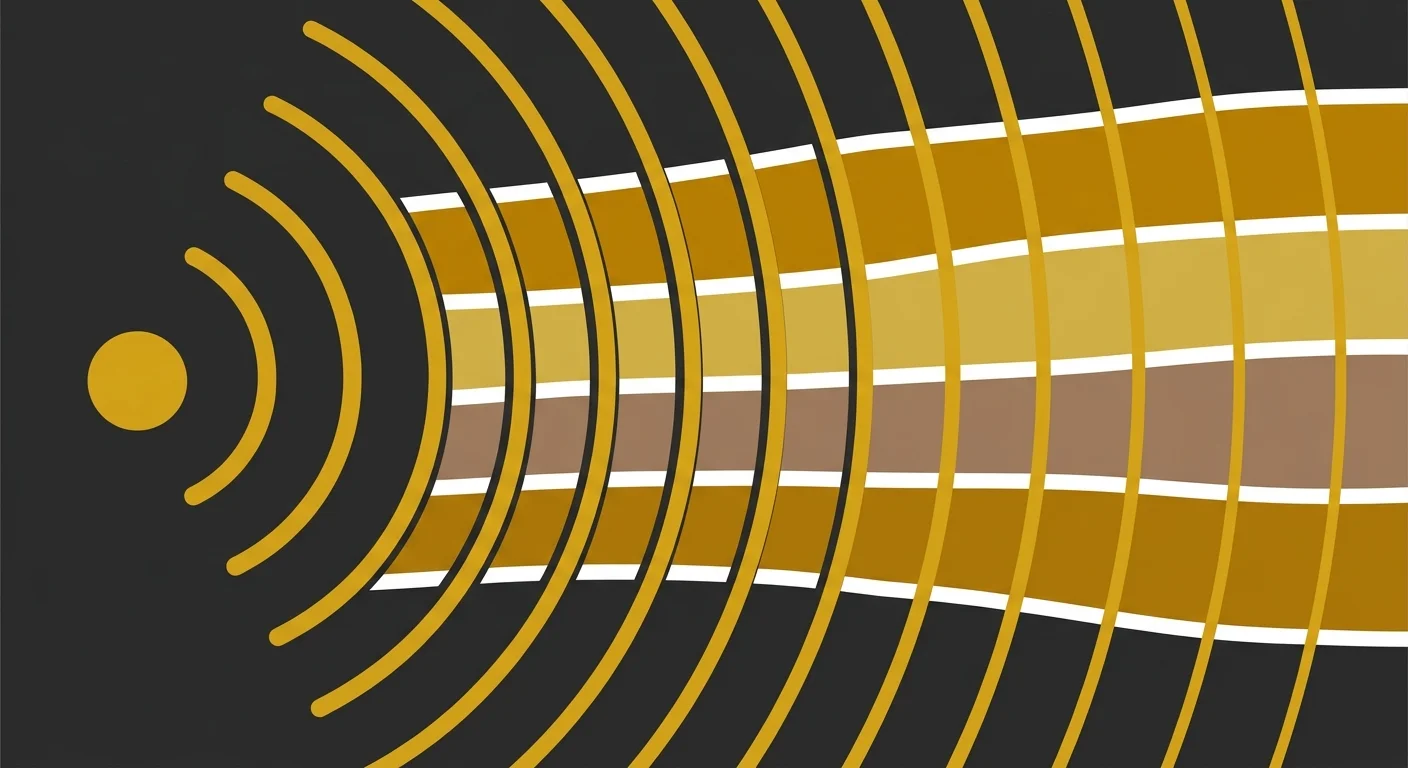
It delivers targeted acoustic energy directly into damaged soft tissue — breaking down scar-tissue architecture, stimulating cellular repair, and restoring the mechanical integrity that restricted movement has been guarding against.
That's not suppression. That's a structural event at the tissue level.
That difference isn't subtle.
Passive relief turns down the thermostat. Shockwave Therapy addresses what's causing the heat. When the scar breakdown happens and the cellular rebuilding begins, the nervous system's compensatory firing loses its structural trigger.
The Neurological Reset holds because the Structural Tissue Repair made it possible. One without the other isn't a complete clinical picture.
Clinical Outcomes: What the Evidence Actually Shows
The clinical data on Shockwave Therapy isn't ambiguous.
According to NIH clinical data, success rates for Extracorporeal Shockwave Therapy range from 65% to 91% across soft tissue and musculoskeletal disorders — with significant reductions in long-term pain scoring. Those aren't comfort metrics.
They're structural outcomes.
And when Structural Tissue Repair is combined with restorative active care — the kind that targets biomechanical movement pathways, not just symptom presentation — the durability compounds.
Restorative, active physical care yields up to a fifty percent lower rate of long-term disability recurrence compared to passive care. That figure is what Functional Stabilization is built to deliver.
Not better symptoms. A structurally different outcome.
The management model can't produce that outcome. It isn't pointed at it.
Passive care reduces the signal. It doesn't repair the tissue generating it. It doesn't restore the mechanical integrity the nervous system needs to stop compensating. So the alarm keeps returning.
Shockwave Therapy, deployed as Structural Tissue Repair inside a sequenced functional rebirth protocol, is what actually changes the structural picture. That's the clinical distinction. And it's not a small one.
| Modality | Mechanism of Action | Tissue Target | Role in Functional Rebirth |
|---|---|---|---|
| Shockwave Therapy (ESWT) | Delivers targeted acoustic energy into damaged soft tissue — breaks down scar-tissue architecture and stimulates cellular repair | Degraded soft tissue, scar adhesions, restricted connective tissue | Structural Tissue Repair — restores the mechanical integrity the nervous system needs to stop compensating |
| Shockwave Therapy (ESWT) — Long-Term Outcome | Reduces chronic pain signal load by repairing the structural source rather than suppressing the symptom | Musculoskeletal pain pathways — long-term visual analog scale (VAS) scoring | Structural Tissue Repair — delivers durable reduction in pain recurrence, not temporary signal interruption |
| Active Restorative Care | Targets biomechanical movement pathways directly — restores functional load capacity across compromised structures | Biomechanical movement pathways, joint function, postural load distribution | Functional Stabilization — produces structural durability that prevents disability recurrence under real-life load |
| Passive Care (management model) | Interrupts pain signal chemically or palliatively — does not address the structural tissue generating the signal | Symptom presentation only — no tissue-level intervention | Outside Functional Rebirth protocol — reduces signal volume without repairing the structural source; disability recurrence rate remains elevated |
Who Functional Rebirth Is For — and Who It Is Not
So the clinical picture is on the table.
Now the real question: is it yours? And are you ready to do something different than everything that's been done to you so far?
Functional rebirth isn't a gentler version of management. It's a different destination.
That means it isn't for everyone. Being honest about that upfront is part of the clinical standard here — not a disclaimer, not a hedge. A service.
Over 35 million Americans see a chiropractor every year. Most of them are not candidates for a functional rebirth protocol.
Some need maintenance. Some need a different provider entirely. But some — the ones who've been inside the management loop long enough to memorize its ceiling — are done tolerating the cycle. Those are the patients this path is built for.
The Right Patient Profile for This Clinical Path
There's one thing every right patient for this path has in common.
They've already tried management. And they're done with it.
They've had the prescription. They've done the stretches. They've sat through adjustment sequences that temporarily moved the pain somewhere else — and then watched it come back a few weeks later, right on schedule.
Because the wiring was never fixed. The thermostat got turned down. The structural source kept generating the signal.
And now the cycle is affecting their work, their sleep, or something they care about enough to stop tolerating.
The CDC is unambiguous: non-pharmacologic, non-invasive therapies are the preferred first-line approach for chronic pain. That designation exists because passive chemical management wasn't resolving the dysfunction. It was deferring it.
The right patient for this path has already lived that deferral. They're not here because they read about a new approach. They're here because every other approach has run out of road.
If You Need Us to Replicate What Your Last Provider Did, This Isn't the Right Fit
Here's the qualifier. And it belongs in the conversation before care starts — not buried in intake paperwork.
If you're arriving with a list of what your previous provider did — and you need this practice to run the same sequence — this isn't the right fit.
Assessment drives the care plan here. Not your prior provider's habits. Not a protocol that felt familiar last time.
The Phase 1 Assessment maps your structural picture from scratch. Because a functional rebirth protocol built on someone else's assumptions isn't a rebirth. It's the same template with a different name on the door.
If your mind is already closed before the assessment is finished — if you won't follow a clinical lead that doesn't match what you expected — this path won't produce what you're looking for. Saying so directly isn't a rejection. It's a service.
The cookie-cutter protocol is comfortable because it asks nothing of the patient. Functional rebirth asks something real. Show up to Phase 1. Engage the process honestly. Let the clinical picture drive the plan.
Patients who do that stop managing and start recovering. The ones who don't stay inside a system that was never built to get them out.
| Patient Signal | What It Suggests | Aligned With Functional Rebirth? |
|---|---|---|
| Has tried medication, stretches, or repeated adjustment sequences — and the pain keeps returning | Passive management has been deferring the dysfunction, not resolving it; the structural source is still generating the signal | Yes — this is the defining entry point for a functional rebirth protocol |
| Pain is actively disrupting work, sleep, or something that defines their daily identity | Dysfunction has crossed the threshold from discomfort into life interference — the alarm is no longer background noise | Yes — the disruption threshold is the clearest indicator that management has run out of road |
| Willing to begin with a Phase 1 Assessment and let the clinical picture drive the plan | Ready to follow a clinical lead built from their actual structural findings, not a replicated template | Yes — assessment-first commitment is the prerequisite for every functional rebirth care plan |
| Arrives with a list of what the previous provider did and expects exact replication before assessment is complete | Protocol loyalty before clinical evaluation — the care plan is being written before the structural picture exists | No — the Phase 1 Assessment is always the starting point; prior provider habits don't transfer |
| Expects full resolution in one or two visits and will disengage if immediate results don't appear | Functional rebirth is a sequenced process moving through Phase 1, Phase 2, and Phase 3 — it isn't a single-visit event | No — partial commitment produces partial results; the protocol requires all three phases to deliver structural durability |
| Carries inherited skepticism from a prior provider and won't engage clinical recommendations that don't match expectations | If the mind is closed before the assessment is finished, the clinical findings can't drive the plan — the process is blocked at the root | No — functional rebirth requires the patient to show up honestly to Phase 1 and let the structural picture lead |
Frequently Asked Questions
These are the questions serious patients ask when they're actually ready to do something different.
No hedging. No 'it depends.' Direct answers — because that's what conviction-based care sounds like.
What is the Chronic Pain Functional Rebirth protocol at Touch of Wellness Chiropractic?
It's a sequenced clinical path — not a therapy menu. Two axes run simultaneously: Neurological Reset and Structural Tissue Repair. Three phases deliver it.
Phase 1 Assessment maps the actual structural and neurological picture from scratch. Not where it hurts — where it starts. Phase 2 Active Correction targets the root dysfunction at both the spinal and tissue level, using spinal adjustment and Shockwave Therapy where the structural damage requires it. Phase 3 Functional Stabilization locks in durability so the recovery holds under real-life load and the nervous system doesn't revert to its compensatory pattern.
And it isn't the same for every patient. It's built from what you actually present. When the clinical picture changes, the plan changes. That's the difference between a rebirth and a repeat.
Why does masking pain with medication prevent real long-term functional recovery?
Because it doesn't touch the source. Medication interrupts the pain signal chemically. It doesn't repair the structural or neurological dysfunction generating it.
The alarm gets quieter. The wiring stays broken. When the chemical effect wears off, the damaged tissue, the restricted movement, and the compensatory nervous system firing are right where they were.
The CDC designates non-pharmacologic, non-invasive therapies as the preferred first-line approach for chronic pain — not because medication has no role, but because passive chemical management doesn't resolve structural dysfunction. It defers it. Every deferral is time the underlying tissue architecture spends degrading. That's not treatment. That's a delay with a recurring bill.
How does Shockwave Therapy support structural tissue healing in chronic pain cases?
Shockwave Therapy delivers targeted acoustic energy directly into damaged soft tissue. It breaks down scar-tissue architecture, stimulates cellular repair, and restores the mechanical integrity that chronic dysfunction has been compressing and restricting.
That's not pain relief. That's a structural event.
Clinical data on Extracorporeal Shockwave Therapy shows success rates ranging from 65% to 91% across soft tissue and musculoskeletal disorders, with significant reductions in long-term pain scoring. Those are structural outcomes — not comfort metrics.
When the tissue repairs — when the scar breakdown completes and the cellular rebuilding begins — the nervous system's compensatory firing loses its trigger. The Neurological Reset holds because the Structural Tissue Repair made it possible. One without the other isn't a complete clinical picture. Both axes have to move.
What makes Dr. Karen Hannah's clinical systems approach different from standard chiropractic care?
Dr. Karen Hannah's clinical background is in Zoology — whole-body biological systems analysis. That's not a credential footnote. It's a fundamentally different way of reading a patient.
Most providers are trained to match a presenting complaint to a protocol. A systems thinker asks what's driving the complaint at the biological and structural level — and traces the dysfunction upstream before deciding what to do about it.
That's what makes the Phase 1 Assessment different. It isn't mapped to a standard adjustment sequence. It's mapped to the actual neurological and structural picture in front of her. And when something isn't producing clinical progress, the plan changes. Not the patient. The plan.
The willingness to stop and reassess isn't a weakness. It's the only thing that separates an individualized care path from a template with better branding.
Can I expect functional recovery if standard pain management has already failed me?
Yes — because standard pain management was never aimed at recovery. It was aimed at reducing the signal. If it failed, the structural and neurological dysfunction generating that signal is still there.
That's not a dead end. That's a starting point.
Spinal adjustment clinical trials show statistically significant improvements in functional ability and pain reduction for chronic lower back conditions — improvements that outperform standard outpatient medical care. Active restorative care also yields up to a 50% lower rate of long-term disability recurrence compared to passive care options. The CDC's own clinical guidance designates non-pharmacologic, non-invasive therapies as the preferred first-line approach — not passive chemical management.
The management model failing you isn't evidence that recovery isn't possible. It's evidence that the management model was never designed to get you there. The wiring was never touched. That's what makes it a starting point — not a conclusion.
How long does functional rebirth take compared to ongoing pain management?
Functional rebirth has a defined clinical endpoint. Ongoing pain management doesn't — by design. The management model continues as long as the pain continues, which is indefinitely when the structural source is never addressed.
A functional rebirth protocol moves through Phase 1 Assessment, Phase 2 Active Correction, and Phase 3 Functional Stabilization. When Phase 3 is complete, the goal is that you don't need to keep coming back.
Honest, outcome-based recommendations are the clinical standard here — including shorter care timelines when the clinical picture supports them. A provider who extends your care plan past the point of clinical need is serving their schedule. That's not what this practice is built to do.
The question isn't how long it takes. It's whether the approach is pointed at an endpoint at all. Management isn't. Functional rebirth is.
Stop Managing. Start Recovering.
You've been turning down the alarm for months. Maybe years.
Every prescription refilled. Every passive sequence repeated. Every "let's see how you feel in a few weeks" that turned into another few weeks. That was all volume control.
The wiring stayed broken. The signal kept coming back. And you're here because the loop has finally run out of road.
Functional rebirth isn't a philosophy. It's a sequenced clinical path with a specific job at each stage.
Phase 1 Assessment maps the actual structural source — not where the pain shows up, but what's driving it. Phase 2 Active Correction targets the root neurological and tissue dysfunction directly. Phase 3 Functional Stabilization locks in the recovery so it holds under real-life load — not just on the table.
The Neurological Reset and Structural Tissue Repair don't turn down the alarm. They go after what's triggering it. That's the difference between recovering and coping — and it's not a minor distinction.
Touch of Wellness Chiropractic is built for patients who are done with the loop.
Not patients looking for a gentler version of what they've already tried. Patients who are ready to stop tolerating the cycle and start correcting the source.
Management had its run. The pain kept coming back. That's the data.
The next move isn't another round of the same protocol. It's an honest assessment of what's actually driving the dysfunction — because that's the only clinical path that will finally fix the wiring.
The pain kept coming back. Not bad luck. That's what happens when the wiring never gets fixed. The next step isn't another protocol. It's an honest assessment at Touch of Wellness Chiropractic — built around what's actually driving the dysfunction, not what's convenient to treat.