
Why explanation-driven care leads to better patient recovery.
Explanation-driven care is a clinical approach where the provider explains the root cause of symptoms, the mechanism behind the treatment, and the expected recovery process before and during care. The patient leaves the appointment understanding what's happening in their body and why the treatment addresses it. That's the difference between treating symptoms and understanding systems.
Understanding changes behavior. A patient who knows their lower back pain comes from nerve compression at L4-L5 stops doing the movements that caused it. A patient who understands how a chiropractic adjustment restores nervous system function follows the care plan with intent. Research shows effective communication between provider and patient is directly linked to better health outcomes, including improved diagnostic accuracy and increased patient adherence. The treatment works better when the patient believes in it. That's not placebo. That's physiology.
Most providers skip explanation because it takes time. They run the same protocol on every patient, hand over a generic timeline, and hope compliance happens. But only 12% of U.S. adults have proficient health literacy. The rest leave confused. Confusion produces passivity. Passivity produces incomplete recovery.
Explanation-driven care flips that. Dr. Karen Hannah's whole-organism clinical lens starts with assessment, explains findings in real terms, and builds a care plan from what the patient actually reports. No cookie-cutter sequences. No vague reassurances. The patient walks out knowing what's broken, what fixing it looks like, and what happens next. That clarity is what turns temporary relief into durable recovery.
Last Updated: May 16, 2026
- • What Explanation-Driven Care Actually Means
- • Why Patient Understanding Directly Impacts Recovery
- • The Cookie-Cutter Protocol Problem
- • How Explanation-Driven Care Works in Practice
-
• Frequently Asked Questions
- • How does understanding my condition actually help me heal faster?
- • What is the difference between explanation-driven care and a standard doctor's visit?
- • Can a provider's explanation of my treatment reduce my anxiety and improve results?
- • Is explanation-driven care just for complex conditions or does it apply to routine pain?
- • What should I do if my current provider doesn't explain my care plan?
- • The Recovery You're Actually After
What Explanation-Driven Care Actually Means
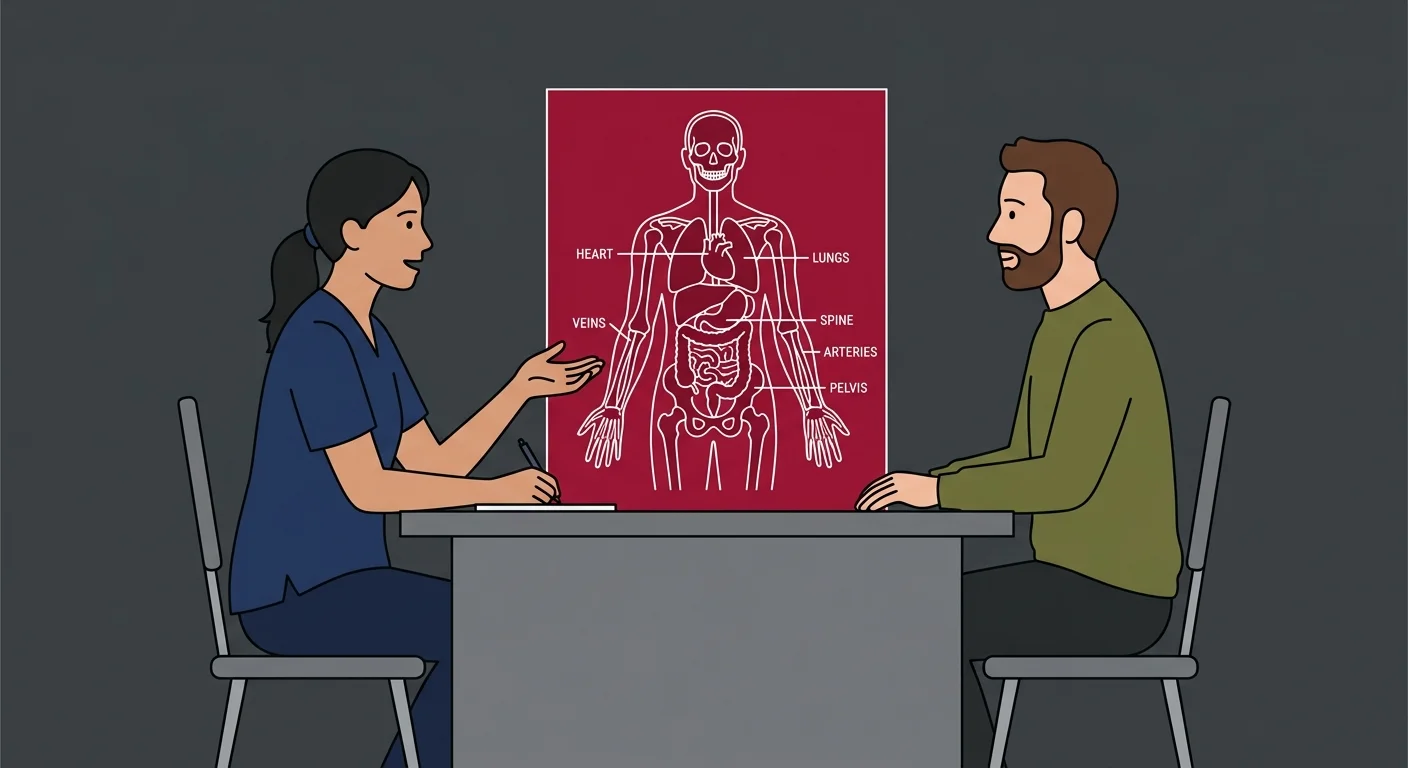
Before you can understand why it works, you need to know what it is.
And what it's not.
The difference between temporary relief and durable recovery starts here.
Most patients cycle through providers who run the same protocol, explain nothing, and hope compliance happens. Explanation-driven care rejects that model. It's built on the premise that a patient who understands the cause of their pain, the mechanism behind the treatment, and the expected recovery process will actively participate in healing.
Not passively receive it.
The Clinical Definition
Explanation-driven care is a clinical approach where the provider translates findings into plain language and builds the care plan from what the patient reports.
It starts with assessment. Not a diagnosis code. Not a template.
The provider explains what's happening in the body, why the symptoms exist, and how the treatment addresses the root cause.
Patients engaged in shared decision-making demonstrate increased knowledge and more accurate perceptions of risk.
That clarity changes behavior. A patient who understands their sciatica comes from nerve compression at L5-S1 stops doing the movements that aggravate it. A patient who knows how a chiropractic adjustment restores nervous system function follows the care plan with intent.
The treatment works better because the patient believes in it. And belief drives physiological response.
This is the clinical standard at Touch of Wellness Chiropractic.
Dr. Karen Hannah's whole-organism perspective means every care plan is built from the patient's clinical picture. Not a billing calendar. When something isn't working after a few visits, it changes.
That willingness to stop and reassess is the difference between care and protocol repetition.
What This Is Not
Explanation-driven care is not a longer appointment.
It's not handing over a pamphlet. It's not telling a patient to ice it and come back in a week. Those are substitutes that avoid the actual work of translating clinical findings into language a patient can use.
And it's not reassurance without substance.
Saying 'you'll be fine' or 'this takes time' without explaining the mechanism is comfort language. It serves the provider's schedule. It doesn't serve recovery.
Only 12% of U.S. adults have proficient health literacy. The rest leave appointments with vague timelines and no idea what's wrong. That confusion produces passivity.
Passivity produces incomplete recovery.
Explanation-driven care also isn't negotiable.
If a patient arrives expecting a specific protocol because their last chiropractor ran it, that's not individualized care plans. The assessment drives the plan. Not the patient's previous provider's habits.
If that's a problem before care even starts, that's important information for both parties.
| Care Model | Explanation Standard | Patient Role |
|---|---|---|
| Cookie-Cutter Protocol | Provider tells patient the diagnosis code and generic timeline — no explanation of mechanism or root cause | Passive recipient — follows instructions without understanding why |
| Comfort Reassurance | Provider says 'you'll be fine' or 'this takes time' — no translation of clinical findings into usable language | Confused compliance — patient leaves with vague expectations and no clarity |
| Pamphlet Handoff | Provider gives printed material or video link — outsources explanation to generic content not tailored to patient's presentation | Self-educated guesswork — patient interprets symptoms through content that wasn't built for their case |
| Explanation-Driven Care | Provider translates assessment findings into plain language — explains root cause, treatment mechanism, and recovery timeline specific to the patient's clinical picture | Active participant — understands what's broken, what fixing it requires, and follows care plan with intent |
Why Patient Understanding Directly Impacts Recovery
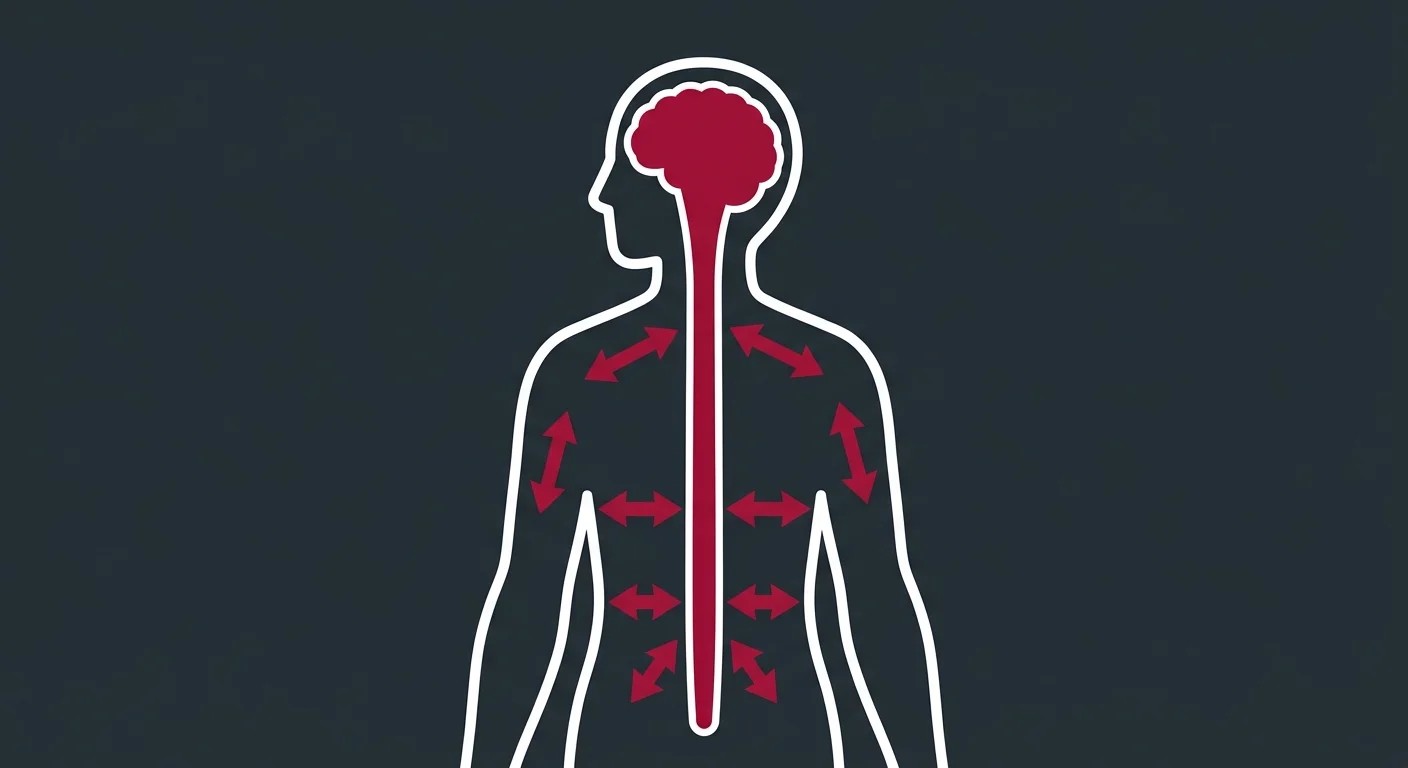
So why does this model produce better outcomes?
Biology and behavior work together.
When a patient understands what's happening in their body, two things fire at once. One's physiological. One's practical.
That dual response is what separates temporary relief from recovery that holds.
Most providers treat the symptom and expect the patient to figure out the rest.
Explanation-driven care builds understanding into the treatment.
The Biological Mechanism
The biological mechanism starts with belief.
A patient who understands their condition and believes the treatment will work experiences a measurable physiological response. The power of the placebo effect, driven by patient expectation and belief, has been shown to be effective in 30% to 40% of patients.
That's not psychological trickery. That's the nervous system responding to certainty.
When a provider explains the root cause and the mechanism behind the adjustment, the patient's brain shifts from threat response to recovery mode.
Pain signals decrease. Muscle tension drops. The body allocates resources toward healing instead of defense.
This is why vague reassurances don't work.
Saying 'you'll feel better soon' without explaining why produces hope, not belief. Hope is passive. Belief is active.
The nervous system responds to active certainty with measurable improvement.
The Behavioral Factor
The behavioral factor is equally direct.
Effective communication between provider and patient is linked to better health outcomes, including improved diagnostic accuracy and increased patient adherence. A patient who understands what caused their pain stops doing the thing that caused it.
A patient who knows why the adjustment restores function follows the care plan with intent.
That adherence is the difference between relief that lasts a week and recovery that holds.
The role of informed consent in treatment adherence isn't about signing forms. It's about understanding driving commitment. When patients know the why behind each step, they don't skip appointments. They don't ignore post-visit instructions.
They participate.
And when they participate, outcomes improve across every measurable category — improved patient satisfaction and health outcomes included.
Individualized care plans built from what patients actually report produce this level of engagement consistently.
Cookie-cutter protocols can't. They weren't designed to.
| Recovery Factor | With Explanation | Without Explanation |
|---|---|---|
| Patient Belief in Treatment | Nervous system shifts from threat response to recovery mode — physiological response activates because the patient understands the mechanism and expects improvement | Patient hopes for relief but operates on passive expectation — no active certainty to drive measurable nervous system response |
| Adherence to Care Plan | Patient follows post-visit instructions with intent because they understand how each step supports root cause resolution | Patient skips appointments or ignores instructions because they don't understand how the plan connects to their specific condition |
| Behavioral Modification | Patient stops doing the movements or habits that caused the pain because they understand the causal relationship between action and symptom | Patient repeats the same behaviors that created the problem because no one explained the connection between their daily routine and their pain |
| Recovery Duration | Understanding accelerates recovery — the patient actively participates in healing instead of passively waiting for the provider to fix them | Relief is temporary because the patient never learns what caused the pain or how to prevent it from returning after treatment ends |
The Cookie-Cutter Protocol Problem
Most chiropractic practices run the same adjustment sequence on every patient.
Walk in with nerve pain, walk in with a headache, walk in with sciatica — you get the same protocol. No explanation of what's happening. No assessment of how your body is responding.
Just a pre-built sequence and a generic timeline.
When it doesn't work, they run it again.
That's not care. That's template execution. And it's the dominant model because it's fast, it's scalable, and it requires zero clinical adaptation.
But communication failures in healthcare are a root cause in 30% of medical malpractice cases, contributing to significant patient harm. The cookie-cutter protocol survives not because it works — but because most patients don't know there's an alternative.
Why Most Practices Skip Explanation
Explanation takes time. And it forces the provider to think instead of defaulting to muscle memory.
Most practices optimize for volume. Fifteen patients a day, ten minutes each, same sequence on all of them.
No room for root cause in that model.
So they skip it.
They hand over a care plan with visit counts and vague outcome language. They assume the patient gets it.
But 12% of U.S. adults have proficient health literacy. The rest walk out confused. They don't know what caused the pain. They don't know what the adjustment did. They don't know what to expect.
The national crisis in health literacy is worse in clinical settings where technical language dominates. Providers assume patients know terms like 'subluxation' or 'nerve impingement.'
They don't.
And when confusion shows up, providers call it non-compliance instead of communication failure. That misread is what keeps the cookie-cutter model alive.
The Cost to the Patient
The patient leaves with temporary relief and no understanding of what caused it.
So they go back to the same movements, the same posture, the same stress patterns that created the pain. The symptom returns. They book another appointment.
The cycle repeats.
This is the difference between treating symptoms and understanding systems.
A provider who adjusts without explaining produces passive patients who depend on repeated visits. A provider who explains root cause produces patients who change behavior.
One model requires indefinite appointments. The other builds durable recovery.
And when patients are dismissed, told to wait and see, or handed timelines that never explain the mechanism — that's when unexplained does not mean untreatable. It means no one took the time to translate findings into language the patient could use.
The Passive Patient expects the provider to fix them without their participation. The cookie-cutter protocol creates that mindset.
Explanation-driven care corrects it.
| Protocol Element | Cookie-Cutter Model | Explanation-Driven Model |
|---|---|---|
| Patient Assessment | Same sequence applied to every patient regardless of symptoms or history | Assessment drives every decision — care plan built from what the patient actually reports |
| Explanation of Root Cause | Skipped entirely or reduced to vague reassurances like 'it takes time' | Root cause explained in plain language — patient understands what caused the pain and what the adjustment does |
| Response to Non-Response | Protocol repeated unchanged even when results don't appear | Care plan adjusted when something isn't working — reassessment is the clinical standard |
| Patient Role | Passive — expected to show up and receive treatment without understanding or behavioral change | Active participant — understands the mechanism, changes behavior, follows care plan with intent |
How Explanation-Driven Care Works in Practice
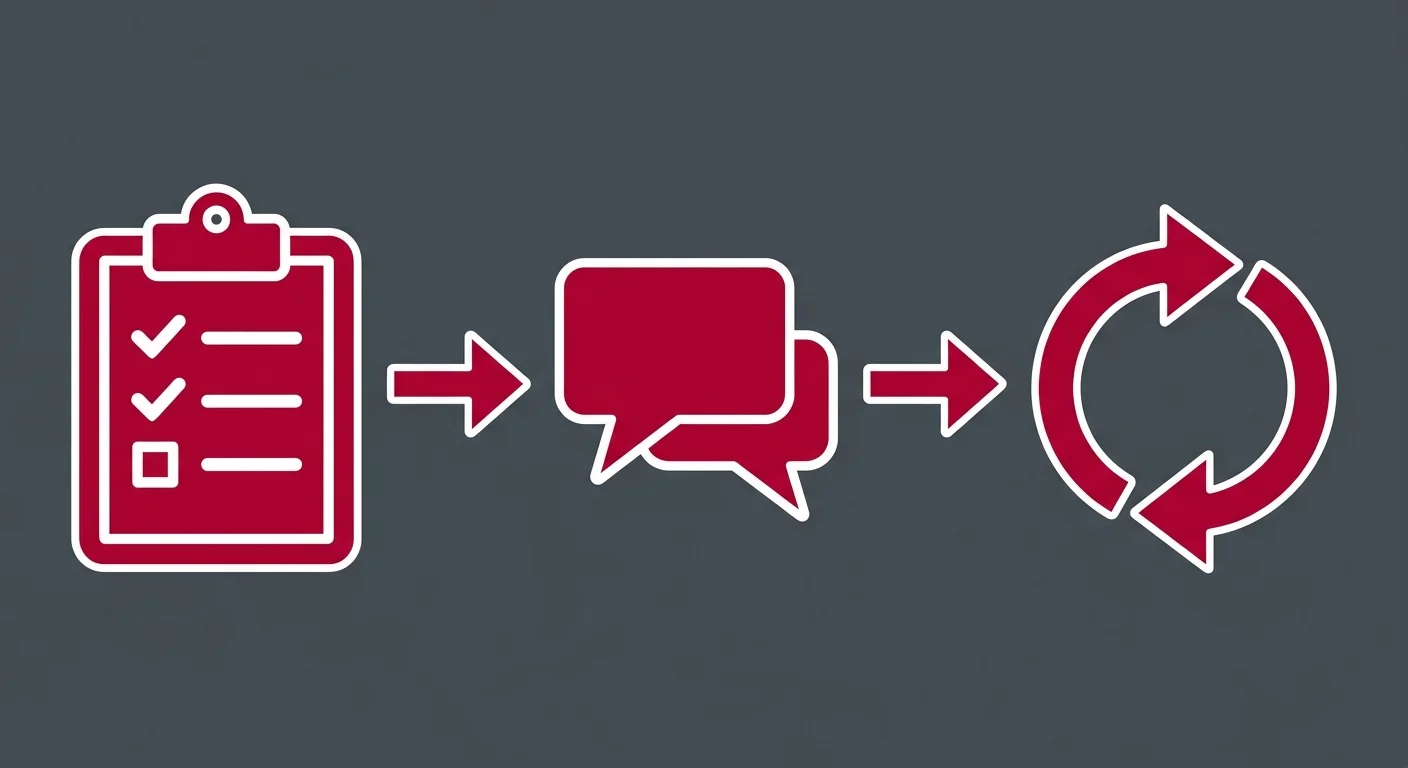
This isn't a model. It's what happens every day at Touch of Wellness Chiropractic in Morton, IL.
Explanation-driven care runs in three stages: assessment, explanation, and adjustment with feedback.
Each stage builds on the one before it. Skip one and you're back to protocol repetition.
The Assessment Process
The assessment isn't a checklist. It's a conversation backed by clinical findings.
Dr. Hannah listens to what the patient reports — not what the diagnosis code suggests they should be experiencing. That distinction matters.
Most practices start with a protocol in mind before the patient finishes talking. Here, the patient's clinical picture drives the decision.
Patients engaged in shared decision-making demonstrate increased knowledge and more accurate perceptions of risk. That starts with treating what the patient reports as primary data — not anecdotal noise.
The intake includes movement analysis, neurological markers, and a full patient history. But the most important part is the question most providers skip: 'What do you think is causing this?'
The answer reveals gaps in understanding that need fixing before treatment starts. If the patient thinks their sciatica is just muscle soreness, the adjustment won't make sense. If they think the pain has nothing to do with posture, they'll go right back to the movement patterns that caused it.
The Explanation Phase
Once the assessment is complete, the explanation phase begins. This is where whole-organism clinical health separates from symptom-focused models.
Dr. Hannah explains the root cause — not in clinical shorthand, but in language the patient can repeat back.
Effective communication between provider and patient is directly linked to better health outcomes, including improved diagnostic accuracy and increased patient adherence. That communication means translating findings into concepts the patient already knows.
The nervous system isn't abstract. It's the network running everything. When that network gets disrupted at the spine, symptoms show up downstream. How your body communicates through symptoms becomes the framework patients use to interpret their own recovery.
The explanation includes what the adjustment will do, why it targets the root cause, and what the patient should expect in the next 24 to 48 hours. No vague timelines. No indefinite treatment plans.
Just honest, outcome-based projections based on the patient's specific presentation. If something isn't working after a few visits, the plan changes. That willingness to pivot is the marker of competent care.
The Adjustment and Feedback Loop
The adjustment is the intervention. But the feedback loop that follows is what makes the model stick.
After the adjustment, Dr. Hannah checks response markers — range of motion, pain level, neurological clarity. Then she asks the patient to describe what they felt.
That feedback isn't courtesy. It's data. If the patient reports immediate relief, the root cause hypothesis is confirmed. If they report no change, the hypothesis shifts.
The next visit builds from that feedback. This is what individualized care plans look like in practice — not a pre-built protocol with visit counts, but a plan that adapts based on what the patient's body actually reports.
Some cases need advanced therapy modalities alongside adjustments. The decision to add a modality gets explained the same way. What it does, why it fits this case, what results to expect.
Every intervention is an answer to a specific clinical question. Every answer is delivered in language the patient can use.
Frequently Asked Questions
Most patients who've been dismissed or handed vague timelines ask the same questions.
The gap between what most practices deliver and what your recovery actually needs gets answered here.
How does understanding my condition actually help me heal faster?
Understanding shifts your nervous system from threat response to recovery mode.
When you know what caused the pain and what the adjustment corrects, your brain stops interpreting symptoms as random danger. The placebo effect, driven by patient expectation and belief, has been shown to be effective in as many as 30% to 40% of patients in some studies. But this isn't placebo. It's the removal of cognitive interference that slows healing.
A confused patient tenses during treatment. They second-guess the care plan. They abandon interventions before results show up.
A patient who understands the root cause relaxes into the adjustment. Follows the plan. Stops doing the things that caused the problem.
Faster healing comes from participation. Not passive compliance.
What is the difference between explanation-driven care and a standard doctor's visit?
A standard visit treats the symptom and sends you out the door.
Explanation-driven care treats the root cause and makes sure you know what it was.
Most practices run the same protocol regardless of what you report. You walk in with nerve pain, headaches, or sciatica — the sequence is identical. The provider adjusts, tells you to schedule next week, and moves to the next patient.
You leave with temporary relief and zero understanding of why the pain showed up in the first place.
Explanation-driven care starts with your clinical picture. What you're experiencing, what caused it, what the adjustment will do, and what you should expect over the next few days.
Every decision is explained in language you can use. Every outcome is measured against your body's actual response.
If something isn't working, the plan changes. That's the standard here.
Can a provider's explanation of my treatment reduce my anxiety and improve results?
Yes. Anxiety and confusion produce physical tension that interferes with recovery.
When a provider explains what they're doing and why it targets your specific problem, your nervous system stops treating the intervention as a threat.
Effective communication between provider and patient is directly linked to better health outcomes, including improved diagnostic accuracy and increased patient adherence. That communication reduces the cognitive load of uncertainty.
You stop second-guessing the plan. You stop bracing during the adjustment. You start participating instead of enduring.
The explanation also corrects the catastrophic thinking most patients bring to nerve symptoms. When you understand that numbness is a signal — not permanent damage — the fear response drops.
When fear drops, recovery accelerates.
Is explanation-driven care just for complex conditions or does it apply to routine pain?
It applies to everything.
Routine low-back pain, recurring headaches, nerve symptoms that no one else could explain — explanation-driven care is the model, not a specialty tier reserved for complex cases.
The gap between symptom relief and durable recovery exists in every condition. A patient with routine pain who doesn't understand the root cause will return to the movement patterns that caused it. A patient with complex nerve symptoms who understands the mechanism can make adjustments that support recovery between visits.
Complexity doesn't determine whether explanation matters. Every patient deserves to know what's wrong and why the treatment targets it.
That's the baseline standard here.
What should I do if my current provider doesn't explain my care plan?
Ask. Directly. 'What's causing this, and what is the adjustment correcting?'
If the answer is vague, generic, or delivered in clinical shorthand you can't repeat back — that's a red flag. A provider who can't explain the root cause in plain language either doesn't know it or doesn't think you need to.
Both are problems.
Patients engaged in shared decision-making demonstrate increased knowledge and more accurate perceptions of risk. That shared decision-making starts with a provider who treats your questions as clinical data, not interruptions.
If your current provider dismisses the question or defaults to 'just trust the process,' you're in the wrong place.
Explanation-driven care starts with that conversation. No cookie-cutter protocol. No indefinite timeline handed over before the assessment is finished.
Just honest answers built from what your body is actually reporting.
The Recovery You're Actually After
The recovery you're after isn't symptom relief that lasts a week.
It's understanding what caused the pain so you can stop it from coming back.
Most patients never cross that gap. They get adjusted. Pain drops. They return to the same posture, the same movement patterns, the same stress load that created the problem.
Symptom returns. They book another appointment.
The cycle repeats because no one explained the root cause.
Explanation-driven care breaks that cycle. Not by treating harder. By making the patient a participant instead of a passive recipient.
If you've been dismissed, handed a protocol that didn't work, or told to wait and see — the difference between treating symptoms and understanding systems is what matters.
A provider who adjusts without explaining produces patients who depend on repeated visits. A provider who explains the root cause produces patients who change behavior.
One model requires indefinite appointments. The other produces recovery that lasts.
About Dr. Karen Hannah, DC: her whole-organism perspective rejects the first model entirely. Every care plan is built from what the patient reports. Every intervention is explained in language the patient can use.
Every outcome is measured against the clinical picture, not a pre-built timeline.
The nervous system runs everything. When it's disrupted at the spine, symptoms show up downstream — pain, numbness, dysfunction.
But those symptoms are signals. They're how your body communicates through symptoms. When a patient understands that signal, they stop treating recovery as something that happens to them.
They start treating it as something they participate in.
That's the recovery you're after. Not relief. Understanding. Not dependence. Participation.
Not another protocol. A plan that adapts when your body reports something different.
If you're in Morton, Peoria, or the surrounding area and the last provider didn't explain what was wrong — individualized care plans start with that conversation. No cookie-cutter protocol. No indefinite timeline.
Just honest answers and a plan built from what you need.
If your last provider skipped the explanation and handed you a timeline before the assessment was finished — that's worth a different conversation. Not another cookie-cutter protocol. Not another indefinite plan. Honest answers and individualized care plans built from what your body is actually reporting. Find out what explanation-driven care looks like when it's applied to your case — not a textbook version of it.