
Beyond Symptom Chasing: How a Clinical Miracle Shaped Our Systems-Biology Approach to Chiropractic Care
The moment that changed everything wasn't in a classroom. It was a phone call about a paralyzed 12-week-old kitten that a veterinarian friend couldn't save — and had surrendered for euthanasia. Dr. Karen Hannah adjusted that kitten every day for four days. By the end of the week, it was running down the hallway at Touch of Wellness Chiropractic in Morton, IL.
That wasn't a feel-good story. That was clinical proof. When you unlock the nervous system, the body's self-healing operating system takes over. The results don't belong to the chiropractor. They belong to the system that was always there — just blocked.
Most chiropractors complete over 4,200 hours of classroom, lab, and clinical experience in anatomy, physiology, and diagnosis. Dr. Karen Hannah finished the same curriculum at Palmer College of Chiropractic, graduating in 2009. She arrived with a conviction the coursework didn't teach — that the nervous system isn't a passive structure. It's a live operating system.
Where other practitioners see isolated symptoms, she sees a nervous system under load. Where others run the same protocol on every patient, she adjusts based on what the body reports.
Research shows spinal manipulation provides modest, short-term relief from low-back pain and neck pain. Relief isn't the goal here. The goal is nervous system restoration. That's the difference between a chiropractor who adjusts you because your back hurts and one who adjusts you because your spine is disrupting the system that runs everything else.
Dr. Karen Hannah's clinical response lens makes that distinction automatic.
Last Updated: May 16, 2026
- • What the Kitten Miracle Actually Proved
- • How Dr. Hannah's Clinical Response Lens Translates to Human Chiropractic Care
- • Why Most Chiropractors Use a 'Part-by-Part' Model Instead
- • What 'Systems Biology' Means in a Clinical Context
-
• Frequently Asked Questions
- • How does adjusting animals translate to human chiropractic care?
- • What is a 'systems biology' approach in chiropractic?
- • Is a chiropractor with animal chiropractic certification different from a standard chiropractor?
- • Does Dr. Hannah's clinical response lens mean she treats symptoms differently than other chiropractors?
- • Can understanding animal biomechanics help resolve chronic human pain?
- • Why the Lens You Start With Determines What You Can Fix
What the Kitten Miracle Actually Proved
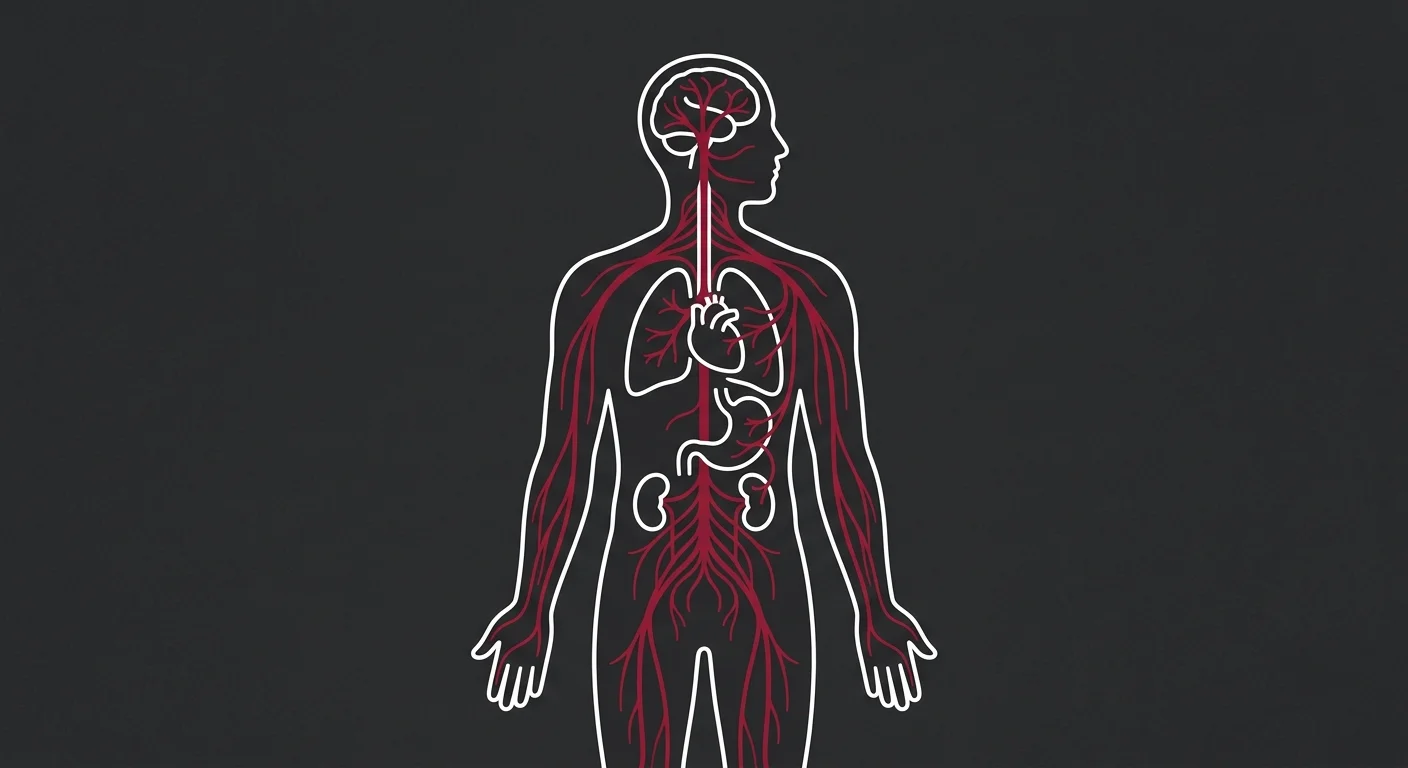
Before you can understand why this practice works differently, you need to know where the clinical philosophy actually came from.
Not from a textbook.
Not from a degree.
From a paralyzed kitten that was supposed to die.
A veterinarian friend called Dr. Hannah about a 12-week-old kitten that had been surrendered — fully paralyzed, no options left. The vet had nothing to offer. The kitten was scheduled for euthanasia.
Dr. Hannah adjusted that kitten every day for four days.
By the end of the week, it was running down the hallway.
That wasn't a coincidence. That was the nervous system doing what it's designed to do when you remove the interference. The body's self-healing operating system doesn't fail when it's unlocked. It takes over.
That moment didn't just confirm the model. It locked it in.
She enrolled in the American Veterinary Chiropractic Association (AVCA) certification program the following week.
The Phone Call
Most practitioners arrive at a clinical philosophy through coursework. A framework someone else built. A protocol they were trained to follow.
Dr. Hannah arrived at hers through a life-or-death clinical intervention on a species that couldn't tell her where it hurt, couldn't describe its symptoms, and couldn't cooperate with a memorized protocol.
You either read the nervous system in real time or you don't get a result.
She got the result.
And the entire clinical model at Touch of Wellness Chiropractic was built from that moment forward — not from academic theory, but from observed, repeated clinical reality.
The nervous system is a live operating system. Interference disrupts it. Remove the interference, and the system restores itself.
That's not a metaphor. That's the clinical framework.
Why the 'Systems View' Matters
The study of systems biology views organisms as integrated networks rather than a collection of independent parts. It aims to understand how properties of a whole system emerge from the interactions of its components.
That's the governing clinical framework Dr. Hannah brought to chiropractic care.
Here's the thing.
When you view the body as a system, you stop chasing symptoms. You start asking what's disrupting the network. And in human physiology, that network is controlled by the nervous system — which is why spinal misalignment doesn't just cause back pain. It disrupts communication. It creates cascading dysfunction.
That's the clinical advantage Dr. Hannah's Clinical Response Lens provides.
She doesn't walk into an assessment looking for a diagnosis code to match a protocol. She walks in looking for the breakdown in the system.
Most chiropractors run the same adjustment sequence on every patient regardless of presentation, history, or response. That's the Cookie-Cutter Protocol — what happens when you treat the spine like a mechanical problem instead of the command center for a biological network.
Dr. Hannah's clinical foundation won't allow that. The systems view makes individualized care the only option.
| Clinical Foundation | Core Question | Clinical Application |
|---|---|---|
| Comparative Anatomy | Why does this structure exist, and what happens when it fails? | Trace dysfunction back to its biological origin rather than treating surface symptoms |
| Organismal Physiology | How do interconnected systems maintain homeostasis under stress? | Assess nervous system load and spinal interference patterns that disrupt regulation |
| Structural-Functional Relationships | How does an organism's design enable it to adapt and survive? | Evaluate how spinal misalignment compromises the body's ability to self-regulate |
| Systems Biology Framework | What network properties emerge from component interactions? | View the patient as an integrated biological network, not a collection of isolated complaints |
| Cross-Species Clinical Experience (AVCA) | How does the nervous system respond differently across body architectures? | Read biomechanical signals in real time and pivot when the body's response demands it |
How Dr. Hannah's Clinical Response Lens Translates to Human Chiropractic Care
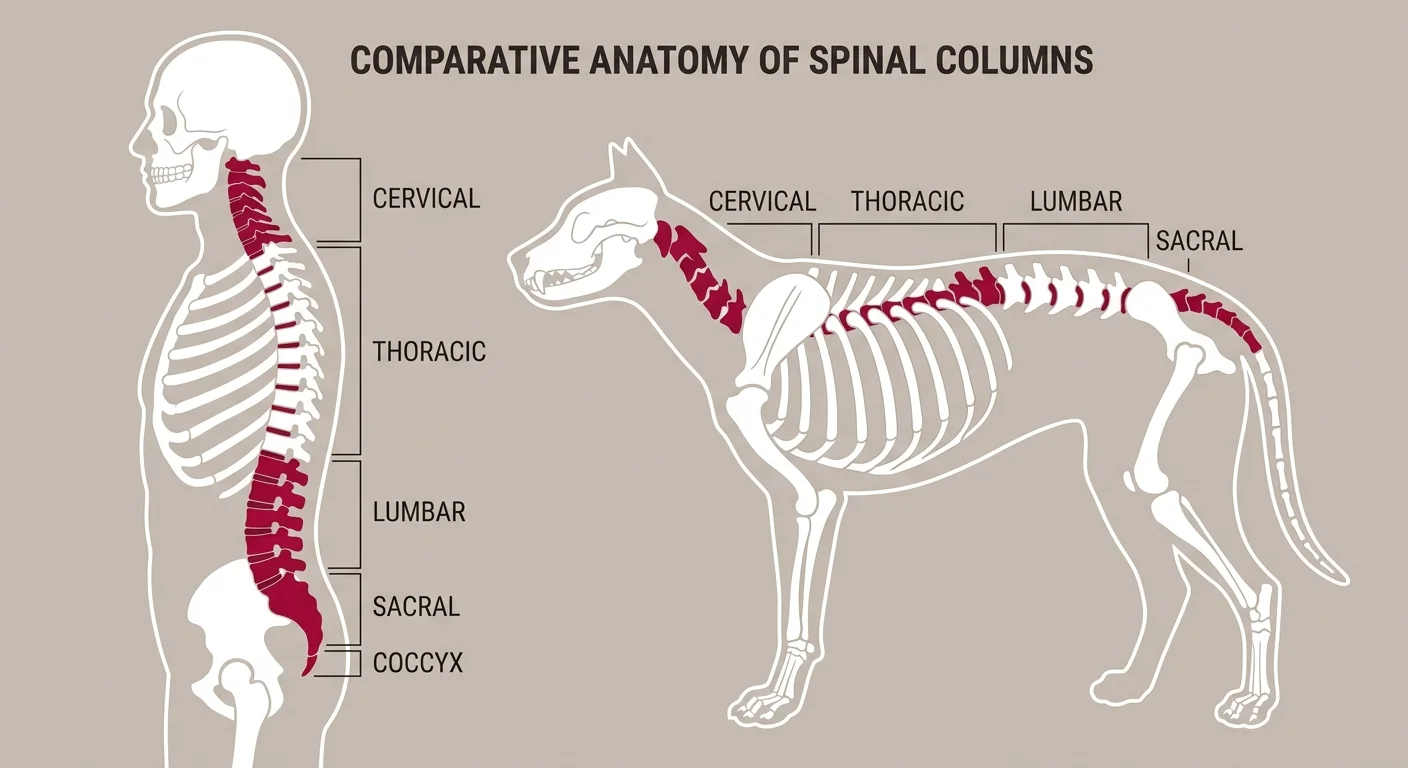
Abstract concepts are useful only when they change how you work.
Here's how the Clinical Response Lens shows up in every patient interaction.
Dr. Hannah's clinical framework doesn't live in a credential box on the wall. It governs the clinical questions she asks before, during, and after every assessment.
Where did the dysfunction start? What system is under load? What's the body trying to compensate for?
Those aren't chiropractic questions. Those are systems-biology questions.
And they produce different answers.
When you view the spine as the control center for a biological network — not just a stack of bones that needs realignment — you stop chasing pain. You start restoring nervous system function.
That's what separates root-cause chiropractic care from symptom management.
Comparative Anatomy as a Diagnostic Tool
Comparative anatomy studies structural similarities and differences across species to understand evolution and function. It answers why certain anatomical structures exist and how they function.
That training rewires how you see structure. It stops being static. It becomes inseparable from function.
When Dr. Hannah assesses a patient with chronic neck pain, she doesn't stop at cervical vertebrae. She traces the biomechanical cascade.
What's the relationship between that misalignment and posture? Between posture and nervous system load? Between nervous system load and the symptoms you're reporting?
Most chiropractors stop at the first question.
Dr. Hannah's Clinical Response Lens won't let her. The framework demands she trace dysfunction back to its biological origin.
That's why care plans here change when the body's response changes. The protocol follows the patient — not the other way around.
Animal Chiropractic Certification as Clinical Cross-Training
Dr. Hannah is certified in Animal Chiropractic through the American Veterinary Chiropractic Association (AVCA).
That's not a side credential. It's clinical cross-training that reinforces the systems lens every single week.
Adjusting a dog's thoracic vertebrae means accounting for a quadrupedal gait pattern. Adjusting a cat's spine means reading a nervous system that masks dysfunction until it can't anymore. Adjusting a horse's lumbar spine means working at a different structural scale entirely.
You can't rely on a memorized protocol. You read what the body tells you in real time and adjust based on structure, load, and nervous system response.
That skill transfers directly to human chiropractic care.
Every patient's nervous system responds differently to the same intervention. Every patient's musculoskeletal structure compensates differently under load.
The chiropractor who can read those signals and pivot mid-plan gets results. And the training that builds that skill isn't more human anatomy coursework. It's cross-species biomechanics.
| Clinical Training Component | Human Clinical Translation | Patient Outcome Impact |
|---|---|---|
| Comparative Anatomy — structural similarities and differences across species | Assessment trained to identify why a structure exists and what happens when it fails, tracing dysfunction to its biological origin rather than treating isolated symptoms | Care plans target root cause instead of temporary symptom suppression, reducing the cycle of recurring pain |
| Systems Biology Framework — organisms as integrated networks rather than independent parts | Every symptom is read as a signal from the nervous system under load, not as a standalone diagnosis requiring a protocol | Adjustments restore communication pathways, allowing cascading dysfunction to resolve naturally |
| Whole-Organism Physiology — how structure, function, and environment interact to maintain homeostasis | Clinical questions shift from 'What hurts?' to 'What system is disrupted, and what's the body compensating for?' | Patients receive individualized care plans that adapt when the body's response changes, not cookie-cutter sequences |
| Cross-Species Biomechanics — AVCA certification (Dogs, Cats, Horses) | Real-time reading of biomechanical load, nervous system response, and structural compensation across different body architectures | Practitioner can pivot mid-plan when initial intervention isn't producing the expected nervous system response |
| Clinical Response Lens — Paralyzed Kitten origin story | Recognition that the nervous system is a live operating system: remove the interference and the body's self-healing capacity takes over | Treatment addresses the disruption driving the adaptation, allowing the body to stop compensating and return to homeostasis |
Why Most Chiropractors Use a 'Part-by-Part' Model Instead

If the systems view is so effective, why doesn't every chiropractor use it?
Because most chiropractic training doesn't include the biological foundation that makes that lens possible.
The Doctor of Chiropractic degree program requires over 4,200 hours of classroom, lab, and clinical experience. The curriculum covers anatomy, physiology, diagnosis, and clinical internship.
It trains you to adjust the spine. To diagnose musculoskeletal conditions. To run a practice.
It doesn't train you to see organisms as integrated networks.
That training comes from somewhere else.
For most chiropractors, it never comes at all.
The Cookie-Cutter Protocol Problem
The Cookie-Cutter Protocol is what happens when your training stops at technique.
Walk in with sciatica, get the sciatica protocol. Walk in with a headache, get the headache protocol.
Same sequence. Same duration. Same follow-up schedule — regardless of what your body actually reports.
That works if symptoms are the goal. Temporary relief keeps you coming back. The protocol repeats. The pain returns.
The cycle continues because no one asked what was disrupting the system in the first place.
Dr. Hannah's Clinical Response Lens doesn't allow that.
The lens you use to view a problem determines what solutions you can see. She sees organisms as integrated networks — not collections of independent parts.
That lens never left. It runs every assessment, every adjustment, every care decision at Touch of Wellness Chiropractic.
So when a care plan stops producing results after a few visits, it changes.
The protocol doesn't repeat. The assessment deepens. The intervention pivots.
That's not a weakness. That's what happens when you view the body as a system instead of a machine.
| Standard Chiropractic Training | Systems-Biology-Informed Training | What the Patient Experiences |
|---|---|---|
| Standard Chiropractic Training | Systems-Biology-Informed Training | What the Patient Experiences |
| Focuses on spinal anatomy, adjustment technique, and diagnosis of musculoskeletal conditions | Adds whole-organism systems analysis — structure, function, and how they interact across biological networks | Provider sees your symptoms in isolation rather than as signals from an integrated system |
| Trains practitioners to match presenting symptoms to established protocols | Trains practitioners to trace dysfunction back to its biological origin before selecting an intervention | You receive the same protocol as the last patient who walked in with the same complaint |
| Emphasizes technique mastery and procedural consistency across patients | Emphasizes adaptability — reading what the body reports in real time and pivoting when the response demands it | Care plan repeats even when your body isn't responding the way the protocol predicted |
| Views the spine as a mechanical structure that needs realignment | Views the spine as the command center for a biological network that controls everything else | Relief is temporary because the underlying system disruption was never addressed |
| Patient feedback informs symptom tracking but rarely changes the protocol mid-plan | Patient feedback drives clinical decision-making — if something isn't working after a few visits, the approach changes | You're treated like an adult whose input matters, not a diagnosis code on a schedule |
What 'Systems Biology' Means in a Clinical Context
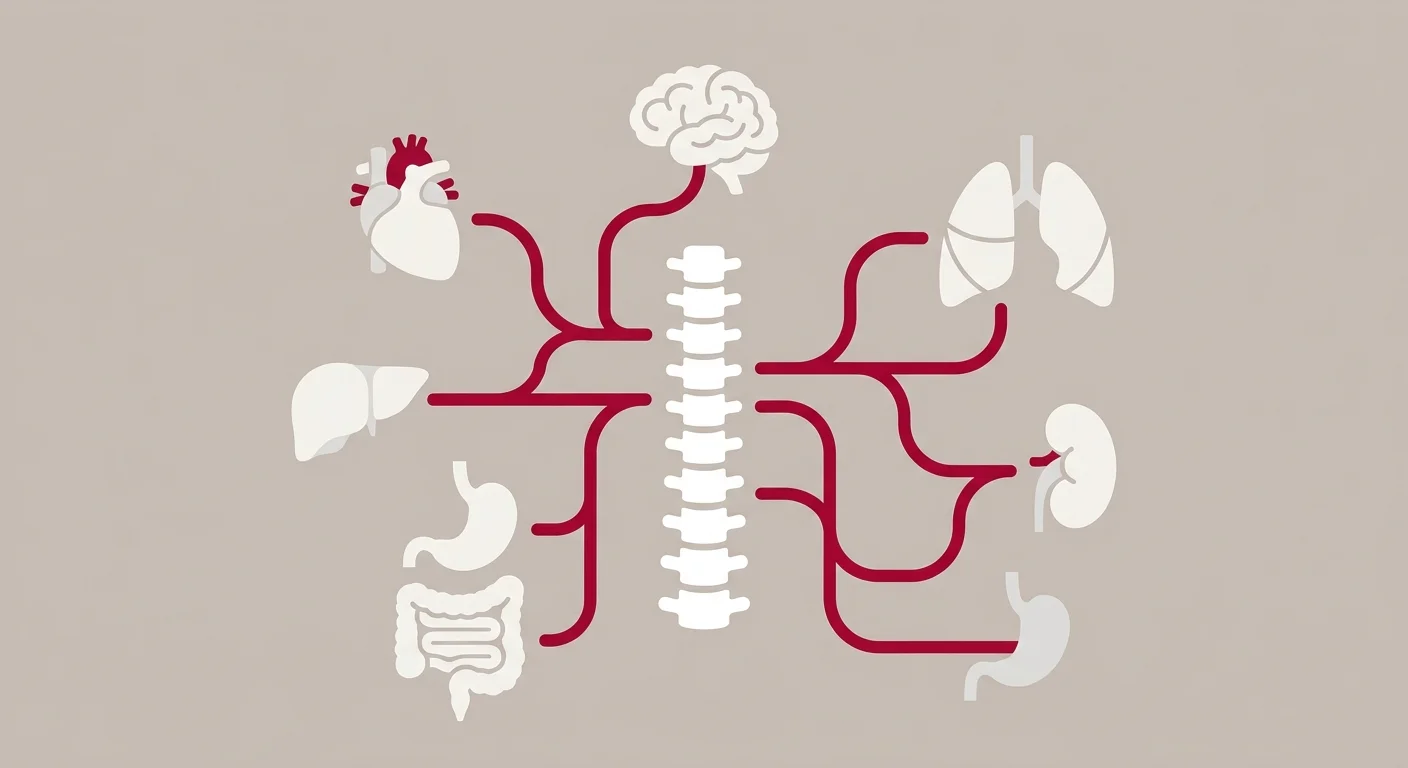
Systems biology is a clinical approach that views organisms as integrated networks rather than a collection of independent parts.
It aims to understand how properties of a whole system emerge from the interactions of its components.
That's not a metaphor. That's the framework.
So your spine isn't just a stack of bones. Your headache isn't just a pain signal. Your numbness isn't just a local nerve event.
They're all symptoms of a system under stress.
When one part of the nervous system is disrupted, the effects ripple outward — into sleep, into posture, into how your body responds to stress.
That's why treating the symptom alone never holds.
How a Systems Approach Changes What Gets Treated
Most chiropractic offices run the Cookie-Cutter Protocol.
Same adjustment sequence on every patient regardless of presentation, history, or response.
When it doesn't work, they run it again.
The systems approach starts with different questions.
What's driving this? Where's the breakdown in communication between the nervous system and the rest of the body? What pattern keeps reasserting itself even after temporary relief?
Those questions lead to resolution.
And that changes what gets treated.
Research suggests that spinal manipulation provides modest, short-term relief from low-back pain and neck pain. But when you're addressing the root cause within the nervous system — not just chasing the pain — the goal isn't temporary relief.
It's restoring function so the system regulates itself again.
That's the difference between an adjustment and a systems-biology intervention.
Why This Lens Works for Medical Mystery Patients
The patients who've been dismissed by traditional medicine — told their symptoms are unexplained, told to wait and see, handed a prescription that masks the problem — are experiencing real conditions.
The issue isn't that nothing's wrong.
The issue is no one's looked at the whole system.
The Clinical Response Lens trains you to see organisms as integrated wholes.
You don't study a heart in isolation. You study how it functions within the circulatory system, how that system supports the muscular system, how all of it responds to environmental stress.
That's the clinical lens Dr. Hannah brings to every assessment at Touch of Wellness Chiropractic.
When a patient walks in with numbness, fatigue, and headaches no one can explain, the systems-biology framework asks: where's the common thread?
What's the nervous system telling us?
That's where the path to resolution starts.
| Symptom Presented | Part-by-Part Focus | Systems-Biology Focus | What Changes in the Care Plan |
|---|---|---|---|
| Chronic lower back pain | Adjust lumbar vertebrae where pain is located | Trace why lumbar spine is compensating — assess pelvic alignment, gait mechanics, and nervous system load patterns | Care plan addresses pelvic stability and nervous system regulation, not just the lumbar adjustment |
| Recurring headaches | Treat cervical spine tension and neck muscles | Assess upper cervical misalignment, cranial nerve function, and systemic stress signals affecting nervous system tone | Care plan includes upper cervical correction and stress-load reduction strategies, not just neck adjustments |
| Numbness in hands or feet | Identify nerve compression site and adjust locally | Map entire nerve pathway from spine to extremity, identify compensation patterns in shoulder or hip girdle, assess systemic inflammation markers | Care plan treats the structural disruption driving nerve interference, not just the site of numbness |
| Hip pain after standing | Adjust hip joint or treat surrounding muscles | Evaluate lumbar-pelvic stability, weight distribution patterns, and whether the hip is compensating for a spinal misalignment upstream | Care plan corrects the spinal driver of hip overload, not just the hip itself |
| Sleep disruption with no clear cause | Recommend sleep hygiene or supplements | Assess autonomic nervous system balance, cervical spine alignment affecting brainstem signals, and systemic tension patterns disrupting parasympathetic tone | Care plan restores nervous system regulation through spinal correction and reduces systemic load, not just sleep aids |
Frequently Asked Questions
Now here are the questions patients ask before they book.
The ones they wish they'd asked the last chiropractor before the protocol didn't work.
These aren't theory questions.
They're what people want to know before they book an appointment — and what they wish they'd asked the last chiropractor before the protocol didn't work.
How does adjusting animals translate to human chiropractic care?
Comparative anatomy — a foundational discipline in Dr. Hannah's clinical training — studies structural similarities and differences across species to understand evolution and function. It provides critical insights into why certain anatomical structures exist and how they function.
That training teaches you to see patterns. Not memorize human anatomy in isolation.
When you adjust a dog's cervical vertebrae and a horse's lumbar spine in the same week, you learn structure follows function. Dysfunction follows structural disruption.
That principle doesn't change when the patient is human.
The biomechanics are the same. The nervous system is the same. The system-level thinking is the same.
Dr. Hannah applies that lens to every assessment. She's reading the structural signals the body is broadcasting.
What is a 'systems biology' approach in chiropractic?
A systems-biology approach views organisms as integrated networks rather than collections of independent parts.
The Clinical Response Lens is the foundation. It trains you to see how structure, physiology, and environment interact across the whole organism. That training makes the systems view intuitive — not theoretical.
Most chiropractors learn anatomy and technique.
Dr. Hannah learned how organisms function as whole systems — reinforced every week through cross-species clinical work — before she ever applied that model to human patients.
So when she assesses a patient, she's not looking at a spine. She's looking at a biological network under load. And she's asking what's disrupting the network — not just where it hurts.
That changes what gets treated. And it changes how long the results last.
Is a chiropractor with animal chiropractic certification different from a standard chiropractor?
Yes.
A standard chiropractic education covers spinal anatomy, adjustment technique, and diagnosis of musculoskeletal conditions. Animal chiropractic certification requires you to apply those principles across species with wildly different skeletal structures, gait patterns, and nervous system responses.
That's the clinical differentiator.
Standard training teaches you the protocol. Cross-species clinical work teaches you to read the body when the protocol isn't enough.
One is procedural. The other is systems-level.
Both are valuable. But only one gives you the ability to trace chronic pain back through a cascade of compensations that started somewhere else — and pivot when the intervention demands it.
Dr. Hannah earned her Doctorate of Chiropractic from Palmer College of Chiropractic in 2009 and holds AVCA certification in Animal Chiropractic (she also holds a foundational Bachelor of Science in Biology/Zoology). Her assessments don't look like anyone else's because she routinely cross-trains her clinical lens across multiple species — demanding a real-time reading of neurological function that protocol-driven practitioners completely miss.
Does Dr. Hannah's clinical response lens mean she treats symptoms differently than other chiropractors?
She doesn't treat symptoms.
She treats the system dysfunction producing the symptoms. That's the core difference.
Most chiropractors adjust where you report pain. Dr. Hannah adjusts where the nervous system disruption originates — even if that's not where it hurts.
That requires a diagnostic lens most chiropractic training doesn't build.
Watching a paralyzed kitten run down a hallway after four days of adjustments built it. Because when the result is that clear, the mechanism stops being theory.
So when a care plan isn't working, it doesn't repeat. It pivots.
That's what happens when you view the body as an integrated network and treat the root cause instead of the loudest signal.
Can understanding animal biomechanics help resolve chronic human pain?
Absolutely.
Animal biomechanics and human biomechanics operate on the same structural principles. Load, compensation, gait pattern, joint alignment — the mechanics don't change because the species does.
Dr. Hannah is certified in Animal Chiropractic through the American Veterinary Chiropractic Association. She provides clinical care for dogs, cats, and horses.
That certification requires her to adjust spines across species with wildly different skeletal structures and nervous system responses. You can't rely on a memorized protocol when you're adjusting a dog's cervical vertebrae versus a horse's lumbar spine.
You read the biomechanical signals in real time and adjust.
That skill transfers to human patients.
Every human nervous system responds differently to the same intervention. The chiropractor who can read those signals and pivot based on what the body reports is the one who resolves chronic pain instead of chasing it.
And the training that builds that skill isn't more coursework. It's cross-species clinical experience.
Why the Lens You Start With Determines What You Can Fix
The lens you start with determines what you can fix.
That's not philosophy.
It's the operating principle that separates chiropractors who deliver lasting results from the ones who chase symptoms and call it care.
Dr. Hannah's Clinical Response Lens — forged in a clinical intervention that shouldn't have worked but did — taught her to see organisms as integrated networks, not collections of independent parts.
That lens never left.
It governs every assessment, every adjustment, every care decision at Touch of Wellness Chiropractic. About Dr. Karen Hannah, DC documents the clinical foundation that separates a systems-biology approach from protocol-driven care. When a patient walks in with chronic pain that hasn't responded to anything else, she doesn't run the same protocol that failed at the last office.
She traces the disruption back through the system until she finds what's actually broken.
Most chiropractic training stops at technique.
Dr. Hannah's started with the biological foundation that makes the systems view possible — and was confirmed by a paralyzed kitten that ran.
That's the difference between a provider who adjusts your spine because you reported pain and one who adjusts your spine because the misalignment is disrupting the entire biomechanical cascade.
One treats the symptom. The other restores the system.
If you've been dismissed, told to manage the pain, or handed a care plan that repeated the same protocol long after it stopped working — that's not a failure of chiropractic.
That's a failure of the lens.
Unexplained doesn't mean untreatable. It means no one's looked at the right system yet.
If your symptoms have been explained away, waited on, or treated with something that helped for a week and then didn't — that's worth a real conversation. The assessment at Touch of Wellness Chiropractic doesn't start with where it hurts. It starts with what system is under load and why. That's the lens Dr. Hannah's clinical response model built — confirmed the day a paralyzed kitten ran down the hallway. The lens through which you view a problem determines what solutions you can see. If the last provider's lens only saw symptoms, you never had a shot at resolution. Unexplained doesn't mean untreatable. It means no one's looked at the right system yet.
Book Appointment