
Does Shockwave Therapy Hurt? What the Sensation Actually Means for Healing
Shockwave therapy does cause discomfort. That discomfort is not a side effect — it is a signal.
The sensation corresponds directly to the location and severity of damaged, degenerated, or fibrotic tissue. Healthy tissue is acoustically transparent. Sound waves pass through it with minimal sensation. Injured or chronically scarred tissue resists the wave — and that resistance registers as pressure, aching, or sharp localized pain. Where it hurts is where the therapy is working.
The clinical term is extracorporeal shockwave therapy (ESWT). It delivers high-frequency acoustic pulses to damaged tissue to trigger a controlled biological repair response. Those pulses stimulate the production of vascular endothelial growth factor (VEGF), promoting new blood vessel formation in degenerated structures. Chronic tendon injuries, calcified tissue, and persistent musculoskeletal conditions frequently fail to heal because blood supply to the damaged area is insufficient. Shockwave therapy initiates the vascular activity that restores it.
Sensation intensity varies by delivery method. High-energy focused shockwave concentrates acoustic force in deep tissue and can require local anesthesia in some clinical protocols. Radial shockwave disperses lower-to-medium energy over a broader surface area without numbing agents. Both modalities are designed to provoke a healing response.
Minor side effects — localized swelling, mild skin redness, or superficial bruising — occur in up to 10% of patients and resolve on their own within 24 to 48 hours. Transient. Not indicators that something went wrong.
Clinical outcomes across chronic musculoskeletal conditions show patient success and satisfaction rates between 65% and 85%. The Food and Drug Administration has cleared specific acoustic shockwave devices for chronic plantar fasciopathy and lateral epicondylitis — conditions that have historically resisted conservative care and pushed patients toward surgery.
The discomfort during a shockwave session is not the treatment failing. It is the tissue talking back — confirming that every acoustic pulse is landing exactly where the biological repair process needs to begin.
Last Updated: July 29, 2026
- • What Shockwave Therapy Actually Feels Like — And Why It Varies
- • The Side Effects That Are Normal — And the Ones That Aren't
- • What Not to Do Before or After a Shockwave Session
- • How Shockwave Therapy Triggers Healing at the Cellular Level
-
• Frequently Asked Questions About Shockwave Therapy Sensation and Side Effects
- • Does shockwave therapy cause bruising or skin damage?
- • Why does shockwave therapy hurt more over bony areas compared to thick muscle?
- • What should I do if the pain becomes too intense during a shockwave session?
- • Can I take over-the-counter ibuprofen before my shockwave treatment to prevent pain?
- • How long does the deep soreness last after a clinical shockwave therapy session?
- • The Sensation Is the Signal — What That Means for Your Recovery
What Shockwave Therapy Actually Feels Like — And Why It Varies
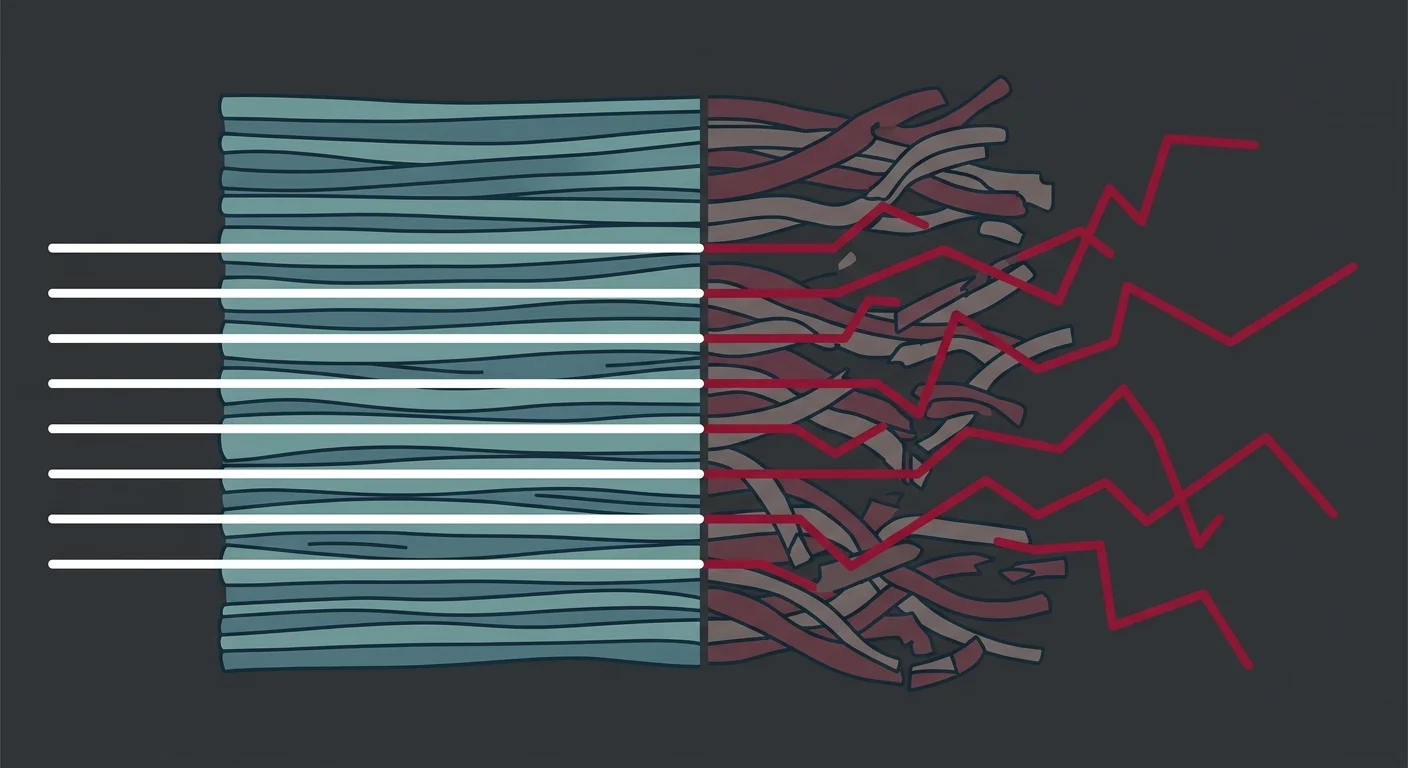
Here's the honest description: pressure, a deep ache, and sometimes a sharp focal sting — all at once, all in the same spot.
Most patients describe it as a deep, rhythmic thud. Over healthy tissue, it barely registers — more pressure than pain. Over a damaged tendon, a calcified heel, or a chronically scarred attachment point, it bites.
That contrast isn't random. The tissue responds differently based on what it's made of right now.
Delivery method changes the experience too. Focused shockwave concentrates high-energy acoustic force into deep structures — some protocols require local anesthesia. Radial shockwave disperses lower-to-medium energy over a broader surface area, no numbing agents needed. They feel different on the table because they're targeting different depths.
But here's what they share: the same clinical purpose. If you want to understand how acoustic energy regenerates damaged tissue at the cellular level, the picture becomes clear — the sensation and the healing response aren't separate events. They're two sides of the same mechanism. And non-invasive Shockwave Therapy is designed around exactly that relationship.
Why Damaged Tissue Produces More Sensation Than Healthy Tissue
Healthy tissue is acoustically transparent. The wave moves through it, reaches the target site, and the patient barely notices. That's not a failure of the treatment. That's confirmation the tissue doesn't need it.
Degenerated tissue is the opposite. Chronic tendinopathy, fibrotic scar tissue, calcified deposits — structurally dense, biologically stagnant. Low blood supply. Disorganized collagen. No capacity to start a repair cycle on its own.
When acoustic energy meets that resistance, the mechanical interaction amplifies. The nociceptors in the surrounding tissue fire. That's the ache. And that ache is the tissue talking back.
So don't take ibuprofen before a session to take the edge off. That's not self-care — that's interference. NSAIDs inhibit the acute inflammatory cascade that shockwave therapy is specifically designed to trigger.
Blunting that response doesn't protect you. It undermines the exact mechanism the treatment depends on to work.
What High Sensation at a Specific Site Is Actually Telling You
When a patient points to a spot and says "that's where it's worst" — that's not a complaint. That's a map.
High sensation at a specific site confirms two things at once: the applicator is over the right tissue, and that tissue carries the structural profile — degeneration, fibrosis, insufficient vascularity — that non-invasive Shockwave Therapy exists to address.
The discomfort isn't signaling harm. It's signaling precision. Every pulse landing in that high-sensation zone initiates the vascular repair sequence the surrounding healthy tissue doesn't need — because it was never the problem.
| Tissue State | Acoustic Response | Sensation Profile | Clinical Meaning |
|---|---|---|---|
| Healthy tissue | Acoustically transparent — wave passes through with minimal resistance | Mild pressure or dull thud; barely registers at the applicator site | Confirms the surrounding structure is well-vascularized and does not require intervention |
| Degenerated tendon tissue | High resistance — dense, disorganized collagen absorbs and amplifies acoustic energy | Deep aching or sharp focal sting concentrated at the injury site | Identifies the precise zone where vascular regeneration needs to begin |
| Fibrotic scar tissue | Wave meets structurally dense, biologically stagnant mass with poor blood supply | Sustained pressure with localized burning quality; may feel worse than surrounding tissue | Confirms fibrotic buildup is present and that acoustic stimulation is targeting the correct site |
| Calcified deposit | Acoustic energy concentrates at the calcification boundary, where mineral density creates a hard acoustic interface | Intense, sharp focal pain directly over the deposit — often the most pronounced sensation in the session | Maps the calcification location in real time; high sensation confirms direct engagement of the target structure |
| Tissue recovering between sessions | Progressive reduction in resistance as vascular activity and collagen remodeling improve tissue quality | Decreasing intensity of ache or sting at the same applicator pressure across successive treatments | Reduction in sensation over the course of a care plan reflects measurable structural improvement in the treated tissue |
The Side Effects That Are Normal — And the Ones That Aren't
But meaningful discomfort is only part of the story.
The part that actually matters is knowing which reactions belong after a session — and which ones need a phone call.
There's a line. Most of what patients notice in the hours after a session sits firmly on the expected side of it.
Not subtle. But not a red flag either.
Expected reactions are transient by definition. They show up, they peak, and they clear — typically within 24 to 48 hours.
That window is the benchmark. What you feel on the drive home is a different conversation than what you're still feeling three days later.
Transient Reactions That Confirm Treatment Engagement
So what does normal actually look like? Localized swelling at the treatment site, mild skin redness, sometimes superficial bruising. NIH-documented safety data puts these reactions in up to 10% of patients — and every one of them clears without intervention, typically within 24 to 48 hours.
Not adverse events. Not complications. The expected surface response to a biological trigger doing exactly what it was designed to do.
That redness and swelling aren't accidents. They're what vascular activation looks like from the outside.
Blood flow is increasing. The repair sequence that was stalled — sometimes for months — is finally moving again.
For conditions like chronic Achilles tendinopathy — where tissue has been in a degenerative, low-perfusion state long enough that conservative care stopped working — those surface reactions are a good sign. The process behind resolving Achilles tendinopathy without surgery depends entirely on patients tolerating that brief post-session window instead of reading it as failure.
NIH research on shockwave outcomes reports success and satisfaction rates between 65% and 85% for chronic musculoskeletal pathologies. That's not marginal. That's the cumulative result of patients who stayed the course because they understood what they were feeling — and what it meant.
When to Pause, Report, or Adjust
Here's what doesn't belong in the expected column: pain that intensifies significantly beyond 48 hours, skin that blisters or breaks, numbness spreading past the treatment site, or joint swelling that looks structural rather than superficial.
Those reactions are rare. But they're the ones that need a conversation — not a wait-and-see approach — before the next session.
Post-treatment soreness that's resolving — combined with decreasing intensity over the same site across sessions — that's a treatment progressing. That's the picture you want.
Pain escalating between sessions, or the same site producing the same intensity week after week with no shift — that's a signal to reassess. Not to quit. To adjust.
That distinction is the whole job. And it's what separates a provider who reads the feedback from one who just repeats the session.
| Reaction | Typical Onset | Duration | Clinical Category | Action Required |
|---|---|---|---|---|
| Localized swelling at treatment site | During or immediately after session | 24 to 48 hours | Expected — transient inflammatory response | None — monitor and allow to resolve |
| Mild skin redness (erythema) | During or immediately after session | 24 to 48 hours | Expected — surface vascular response | None — resolves without intervention |
| Superficial bruising at applicator site | Within hours of session | 24 to 48 hours | Expected — occurs in up to 10% of patients | None — self-limiting, no treatment required |
| Deep aching soreness at treatment site | Within hours of session | 24 to 48 hours | Expected — tissue responding to acoustic stimulus | None — consistent with normal healing cascade |
What Not to Do Before or After a Shockwave Session
Knowing what the sensation means is half the equation. The other half is what you actually do before and after the session.
Some moves actively work against the treatment before it starts. Others drag out recovery for no good reason. Both are common. And both are completely avoidable.
That pre- and post-session window either protects the healing cascade or works against it. There's no neutral position here.
Why NSAIDs Before Treatment Work Against You
Here's the most counterproductive thing a patient can do before a shockwave session: take ibuprofen. And the frustrating part? It sounds completely reasonable. Reduce the inflammation. Take the edge off. Make the session easier to get through. That logic inverts the entire treatment mechanism.
Shockwave therapy works by triggering an acute inflammatory response in degenerated tissue. That response is the starting gun for the vascular repair sequence — the whole point of the session. NSAIDs block it. So taking ibuprofen beforehand isn't managing a side effect. It's suppressing the biological event the treatment was specifically designed to produce.
You're not protecting yourself. You're canceling the session at the cellular level.
And the same rule holds across protocols. Whether the session uses radial vs focused shockwave therapy protocols — each with different energy concentrations and tissue depths — the inflammatory cascade is the shared target. Blunting it with an OTC pain reliever doesn't soften the experience. It costs you the session.
Post-Session Activity and Recovery Expectations
After a session, the treatment is still running. That deep soreness in the hours that follow isn't a red flag — it's the tissue mid-response. What you do in that window either supports the repair process or cuts into it.
Skip the NSAIDs post-session for the same reason you skipped them before — the inflammatory cascade is still running, and you don't want to shut it down. Avoid aggressive physical loading of the treated area for at least 24 to 48 hours. Not because the tissue is fragile. Because the vascular repair sequence needs time to establish before you put mechanical stress back on it.
The discomfort was never random. It was the tissue talking back — confirming every pulse landed exactly where healing needed to begin.
| Behavior | Timing Window | Why It Matters | Recommended Alternative |
|---|---|---|---|
| Taking NSAIDs or anti-inflammatory medication | Before the session | Blocks the acute inflammatory response that shockwave therapy is specifically designed to trigger — suppressing it doesn't make the treatment safer, it makes it less effective | Tolerate the sensation as clinical feedback; discuss pain tolerance concerns with the provider before the session begins |
| Taking NSAIDs or anti-inflammatory medication | After the session | The inflammatory cascade continues working in the hours following treatment — blunting it post-session interferes with the same vascular repair sequence the session was designed to initiate | Allow the post-treatment soreness to resolve naturally; it typically clears within 24 to 48 hours and is part of the healing response |
| Aggressive physical loading of the treated area | Within 24 to 48 hours after the session | The vascular repair sequence needs time to establish itself before the tissue is placed under significant mechanical demand — loading too soon can disrupt the process before it stabilizes | Light, non-stressful movement is fine; hold off on high-impact activity or heavy training until the post-treatment soreness has resolved |
| Requesting reduced energy output to avoid discomfort | During the session | Sub-therapeutic energy levels fail to create the mechanical interaction needed to engage degenerated tissue — the sensation is a signal of precision, not a sign of harm | Communicate sensation intensity to the provider as real-time feedback; energy calibration should be clinician-led, not patient-directed toward comfort |
| Ignoring post-treatment reactions that fall outside the expected window | 48 hours or more after the session | Soreness that intensifies rather than resolves, blistering, spreading numbness, or structurally abnormal joint swelling are signals that warrant a conversation before the next session — not a wait-and-see approach | Contact the provider if reactions are escalating or persist well beyond the expected recovery window — the protocol may need adjustment before continuing |
How Shockwave Therapy Triggers Healing at the Cellular Level
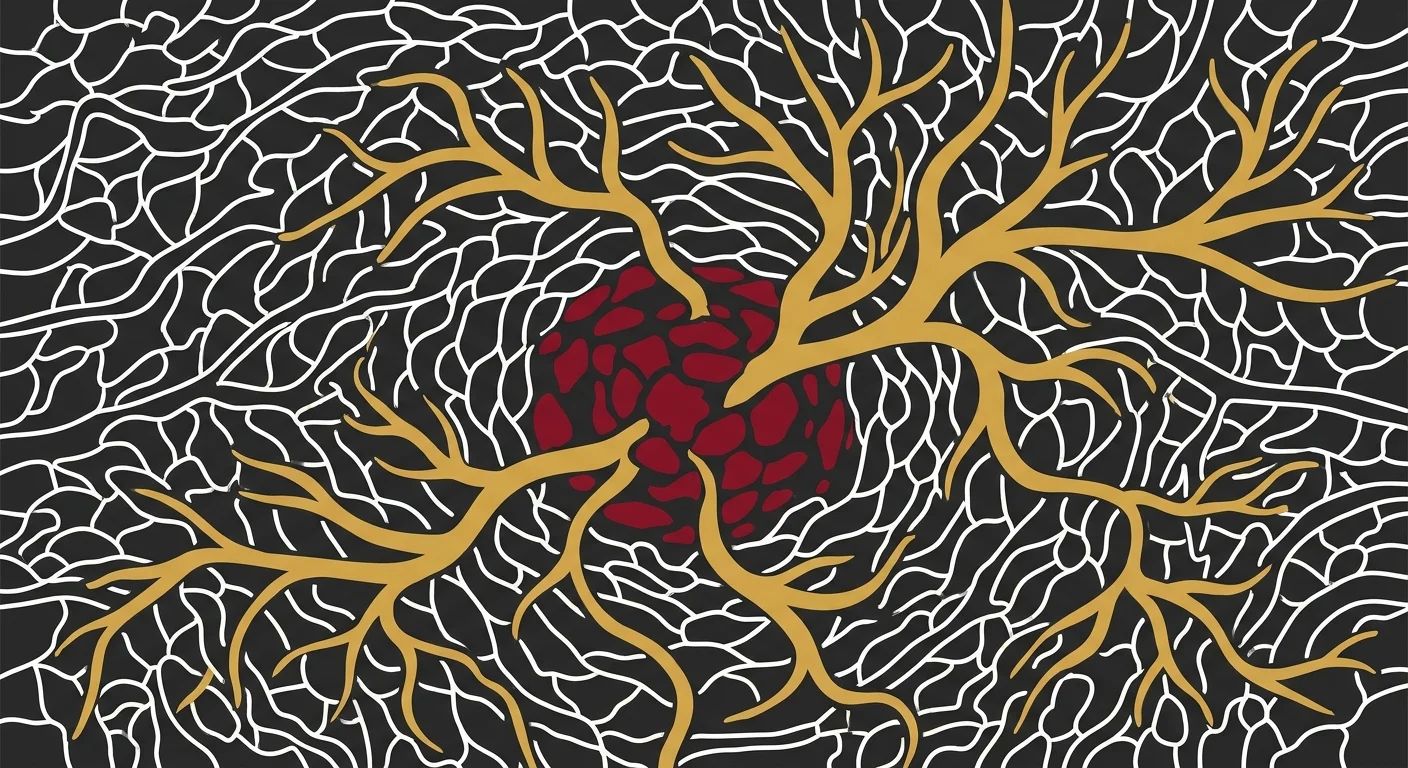
Every rule from the last section points back to one fact: shockwave therapy doesn't manage symptoms. It restarts a repair sequence that degenerated tissue can no longer run on its own.
That restart isn't a metaphor. It's measurable at the cellular level. Patients who commit to the process — instead of just tolerating it — are the ones who actually understand what's happening inside the tissue.
Acoustic waves don't behave the same way in healthy tissue and damaged tissue. Healthy tissue is acoustically transparent — the wave moves through without meaningful resistance. Degenerated tissue pushes back. That resistance is where the biology begins. It's also where the sensation originates. Those aren't two separate events. They're the same event.
Vascular Regeneration: Why Blood Flow Is the Real Target
Here's what shockwave therapy is actually targeting: blood flow. Not pain suppression. Chronic tendinopathy and fibrotic tissue share one defining characteristic — they're chronically under-perfused. Low vascularity. Starved of the oxygen and growth factors that healthy tissue takes for granted. Without adequate blood supply, the repair cycle doesn't slow down. It stops. Cells can't rebuild what they can't reach.
Acoustic energy forces that supply line open. NIH clinical evidence confirms that extracorporeal shockwave therapy stimulates angiogenesis by upregulating vascular endothelial growth factor (VEGF) — a signaling protein that triggers new blood vessel formation directly at the bone-tendon junction and surrounding degenerated structures. The collagen remodeling that follows depends entirely on that vascular foundation being reestablished first. That's not a secondary benefit. That's the mechanism. One can't happen without the other.
So when a patient reports sharp intensity at a specific site, the acoustic wave is hitting structural resistance — dense, fibrotic, poorly vascularized tissue that can't absorb energy the way healthy tissue does. The VEGF upregulation, the neovascularization, the entire vascular regeneration sequence: it all starts at that resistance point. The ache is the address. At Touch of Wellness Chiropractic, Dr. Karen Hannah reads that feedback the way a systems biologist reads a physiological response — as data, not discomfort to be dialed down.
Success Rates and What the Clinical Evidence Says
This isn't anecdotal. FDA regulatory records confirm that specific acoustic shockwave devices have received clearance for chronic, non-resolving plantar fasciopathy and lateral epicondylitis — conditions defined by their resistance to conservative care and their dependence on the vascular regeneration shockwave therapy initiates. That clearance reflects a body of evidence. Not a single study. Not a promising trend.
Across that evidence base, shockwave therapy achieves success and patient satisfaction rates between 65% and 85% for chronic musculoskeletal pathologies. Those are the patients who understood what they were feeling. Who didn't quit after the first session because the sensation surprised them. Who followed through with individualized chiropractic care alongside the shockwave protocol and let the biology finish what the acoustic energy started. The discomfort was never random. It was the tissue talking back — confirming every pulse landed exactly where healing needed to begin.
| Biological Mechanism | What Shockwave Triggers | Clinical Outcome | Evidence Tier |
|---|---|---|---|
| Angiogenesis (new blood vessel formation) | Upregulates vascular endothelial growth factor (VEGF) | Restored blood supply to chronically under-perfused, degenerated tissue | NIH — Tier 1 Peer-Reviewed |
| Neovascularization at the bone-tendon junction | Acoustic wave resistance triggers localized vascular regeneration at the injury site | New capillary networks form at the structural origin of tendinopathy and fibrosis | NIH — Tier 1 Peer-Reviewed |
| Chronic musculoskeletal pathology resolution | Cumulative acoustic stimulation restarts the biological repair sequence across multiple sessions | 65% to 85% patient success and satisfaction rates across chronic musculoskeletal conditions | NIH — Tier 1 Peer-Reviewed |
| FDA-cleared condition: plantar fasciopathy | Acoustic shockwave energy delivered to the plantar fascia attachment site initiates the vascular repair cycle in non-resolving cases | Regulatory clearance confirming clinical evidence sufficient for treatment of chronic, non-resolving plantar fasciopathy | FDA — Regulatory Clearance |
| FDA-cleared condition: lateral epicondylitis | Acoustic shockwave energy targets the extensor tendon origin at the lateral epicondyle to restart vascular regeneration | Regulatory clearance confirming clinical evidence sufficient for treatment of chronic, non-resolving lateral epicondylitis | FDA — Regulatory Clearance |
Frequently Asked Questions About Shockwave Therapy Sensation and Side Effects
The biology explains the mechanism. But patients don't walk in asking about vascular regeneration. They walk in with the questions no one's bothered to answer straight.
Here they are.
Does shockwave therapy cause bruising or skin damage?
It can — but not the way that word usually lands. Mild redness, localized swelling, and superficial bruising show up in up to 10% of patients. They clear on their own within 24 to 48 hours.
That's not tissue damage. That's an acoustic wave interacting with superficial vasculature at the treatment site. The surface reaction is the biological response making itself visible. It means the mechanism engaged. Not that something went wrong.
Why does shockwave therapy hurt more over bony areas compared to thick muscle?
Less tissue between the wave and whatever's underneath. That's the short answer.
Over thick muscle, acoustic energy disperses across more material before it reaches its target. The sensation registers — but it's spread out. Over a bony area, there's nothing to absorb the wave before it hits a hard boundary. The pressure concentrates fast, at a shallow depth, and it bites sharper.
Same rule still applies. Where it bites is where the tissue needs attention. The anatomy changes how the sensation feels. The signal doesn't change.
What should I do if the pain becomes too intense during a shockwave session?
Say something. That's the complete answer.
Energy output isn't fixed — it's a dial. The clinician adjusts in real time based on what you report. Intensity can come down without ending the session. Stopping entirely is also an option.
What doesn't work is staying silent and white-knuckling through it. That's not toughness. It cuts off the feedback loop the clinician needs to run the protocol correctly.
Can I take over-the-counter ibuprofen before my shockwave treatment to prevent pain?
Don't. The logic sounds reasonable — reduce inflammation, lower the sensation threshold, make the session easier to tolerate. But that logic inverts the treatment.
Shockwave therapy is clinically designed to trigger an acute inflammatory response. That response is the starting signal for the vascular repair sequence. NSAIDs block it. Taking ibuprofen before a session doesn't soften the experience. It suppresses the biological event the session was built to produce.
You're not protecting yourself. You're canceling the session at the cellular level.
How long does the deep soreness last after a clinical shockwave therapy session?
A dull, deep ache at the treated site for 24 to 48 hours after a session is normal. It's not a warning. It's the tissue mid-response — the vascular repair sequence is active during that window.
Protect it. Skip the NSAIDs. Don't aggressively load the treated area. The soreness fades.
What it leaves behind is the beginning of a repair cycle that degenerated tissue couldn't start on its own.
The Sensation Is the Signal — What That Means for Your Recovery
Here's what every section has been pointing at: the sensation wasn't damage.
It was the tissue talking back.
Healthy tissue lets acoustic waves pass through without resistance. Degenerated, fibrotic, chronically under-perfused tissue pushes back. That pushback is the biological address — the exact location where vascular regeneration needs to begin. And it's the confirmation that treatment landed precisely where it should.
That's not comfort language. It's clinical fact.
The discomfort meant acoustic energy was meeting the resistance it was built to meet — triggering VEGF upregulation, initiating neovascularization at the bone-tendon junction, restarting a repair sequence that degenerated tissue can no longer run on its own.
Patients who understood that didn't quit when the sensation surprised them. They're the ones sitting inside the 65% to 85% success and satisfaction rates documented across chronic musculoskeletal pathologies. They followed through because they knew what they were feeling. And knowing changed everything.
So if you've been sitting with a chronic tendon injury, plantar pain, or soft-tissue condition that conservative care hasn't touched — stop asking whether shockwave therapy will hurt.
Start asking whether the tissue driving that pain has ever been given a real chance to heal.
At Touch of Wellness Chiropractic, Dr. Karen Hannah reads every session's bio-feedback as precision data — not noise to minimize, not discomfort to apologize for. The sensation was never random. It was the tissue talking back — confirming every pulse landed exactly where healing needed to begin. The only question left is whether you're ready to let it.
That sensation you've been second-guessing? It wasn't the treatment failing. It was damaged tissue finally getting a signal it couldn't generate on its own. Dr. Karen Hannah at Touch of Wellness Chiropractic reads that signal on purpose. The discomfort isn't noise — it's a map. And when you know how to follow it, chronic injuries that never responded to anything else start moving in a different direction. If your tissue has been stuck, find out whether shockwave therapy is the conversation you've been missing.