
Cold Laser Therapy outperforms NSAIDs because it targets the cellular cause of pain rather than blocking the signal that announces it. NSAIDs work by interrupting the chemical pathway that produces pain and inflammation, temporarily quieting discomfort without repairing the tissue damage generating it. Photobiomodulation, delivered through Cold Laser Therapy, works differently. It uses specific wavelengths of light to stimulate mitochondria, the energy-producing structures inside cells, increasing the cellular energy available for repair. That added energy accelerates the biological processes tissue needs to heal itself, including new tissue formation, cell migration to the injury site, and collagen production. This shifts the therapy's role from pain suppression to tissue-level recovery support. Because mitochondrial stimulation also influences the body's inflammatory response, Cold Laser Therapy can help reduce inflammation as part of the healing process itself, rather than as a separate chemical blockade. NSAIDs, by contrast, interrupt inflammation broadly and systemically, which is effective for symptom relief but does nothing to speed the repair of injured soft tissue. The distinction matters most for anyone dealing with pain that keeps returning. Silencing a pain signal repeatedly, cycle after cycle, does not address why the signal keeps firing. Supporting the cell's own capacity to repair itself addresses the underlying issue directly. This is why photobiomodulation is increasingly positioned as a recovery-oriented alternative rather than simply another pain management tool. It works with the body's existing repair mechanisms instead of overriding the body's warning signals. The difference is mechanism, not marketing: one approach blocks a message, and the other supplies the resources needed to resolve what triggered that message in the first place.
What Cold Laser Therapy Actually Does at the Cellular Level
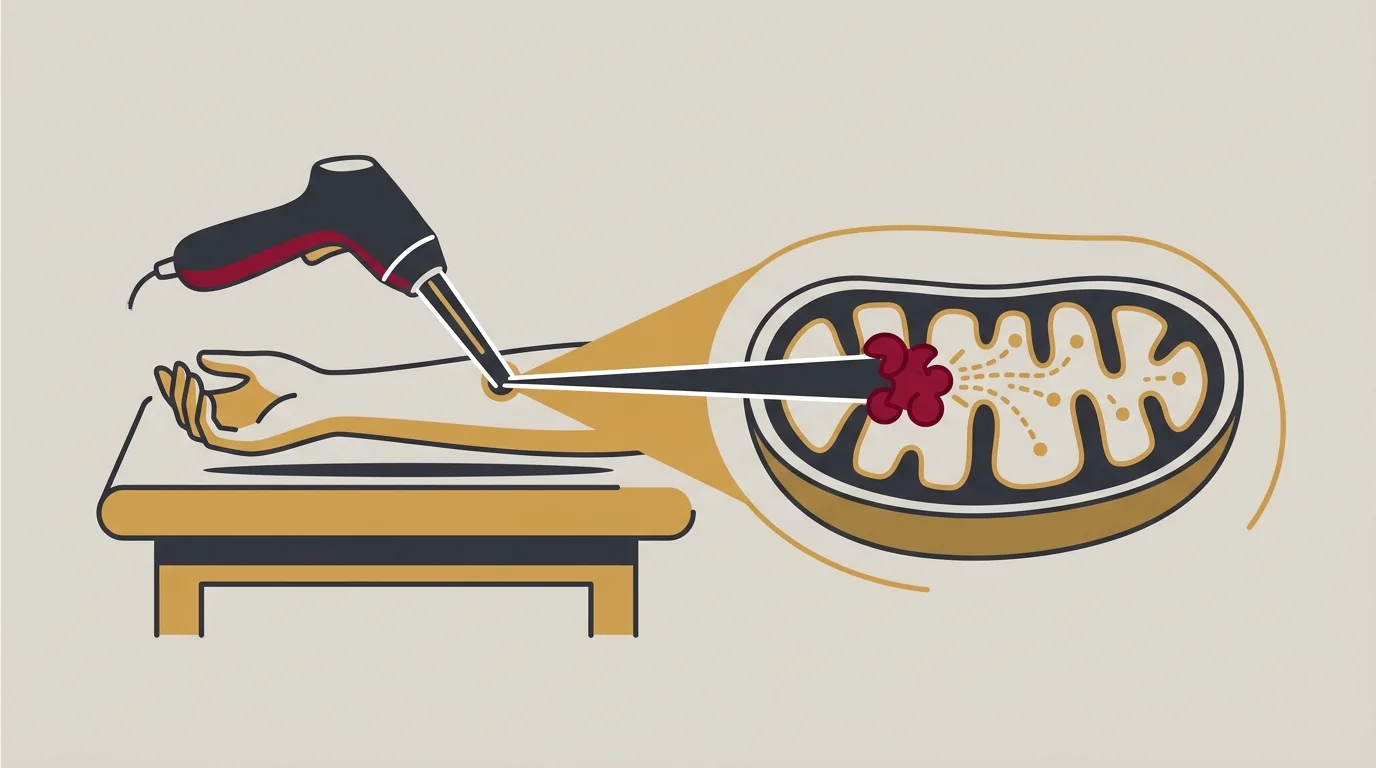
For decades, the standard response to pain and inflammation has been to reach for a pill from the medicine cabinet. That habit treats pain as the problem instead of treating it as a signal. Photobiomodulation, or Cold Laser Therapy, represents a fundamental shift from chemically masking pain to biologically resolving it.
At its core, photobiomodulation works by giving your cells the energy they need to execute their own natural repair processes more effectively. It doesn't override the body's warning system. It fuels the response underneath it. For a deeper look at the research behind that mechanism, see the science behind cold laser treatment.
The Chemical Off-Switch: How Cytochrome c Oxidase Stimulation Differs From COX Inhibition
So what actually happens inside the cell when each therapy is applied? NSAIDs work by blocking an enzyme called cyclooxygenase, which stops the chemical signal that produces pain and swelling.
Cold Laser Therapy targets a completely different structure: cytochrome c oxidase, the enzyme inside your mitochondria that drives energy production. Want to see how that stimulation happens without generating any heat? Read the Oxidase Without Generating Thermal Heat.
Why Blocking Pain Signals Chemically Leaves the Underlying Damage Untouched
Blocking a chemical pathway does not repair anything. True healing involves repairing damaged tissue at the cellular level, not just silencing the pain signal it sends out. NSAIDs stop that signal without touching the injury underneath it.
And that gap matters most over the long haul. Per the FDA, long-term use of COX-2 selective NSAIDs is associated with an increased risk of serious adverse cardiovascular events compared to placebo. The longer the chemical off-switch stays flipped, the higher that risk climbs, while the damage underneath just sits there.
What the Research Measures When Cellular Repair Is Accelerated
So what actually gets measured once cellular repair speeds up? Pain scores aren't the whole story. Researchers watch specific biological markers tied to how tissue rebuilds itself.
ATP output sits at the center of that measurement. More cellular fuel means more capacity for the repair stages tissue damage actually demands, not just a patient reporting less discomfort.
| Wound Healing Process | Cellular Role | Dependent On |
|---|---|---|
| Keratinocyte Migration | Moves new skin cells across the injury site to close the wound surface | Available cellular energy to fuel sustained cell movement |
| Fibroblast Proliferation | Multiplies the cells responsible for rebuilding connective tissue at the injury | Adequate ATP supply to support rapid cell division |
| Collagen Synthesis | Rebuilds the structural framework that gives repaired tissue its strength | Sustained mitochondrial output to power protein construction |
The Role of ATP Synthesis in Soft Tissue Recovery Timelines
Wound healing depends on several distinct repair stages happening in sequence. Findings published through this published analysis show ATP production was shown to be essential for wound healing processes including keratinocyte migration, fibroblast proliferation, and collagen synthesis — one expert assessment rather than a study finding. Keratinocyte migration closes the wound surface. Fibroblast proliferation and collagen synthesis rebuild the structure underneath it.
That same energy-driven process applies to the soft tissue injuries treated in a chiropractic setting. Recovery timelines shift when mitochondria have more fuel to work with, not less. For a closer look at how that shift plays out in practice, see Rapid Soft Tissue Injury Recovery.
How Photobiomodulation Reduces Inflammation Without Touching the COX Pathway
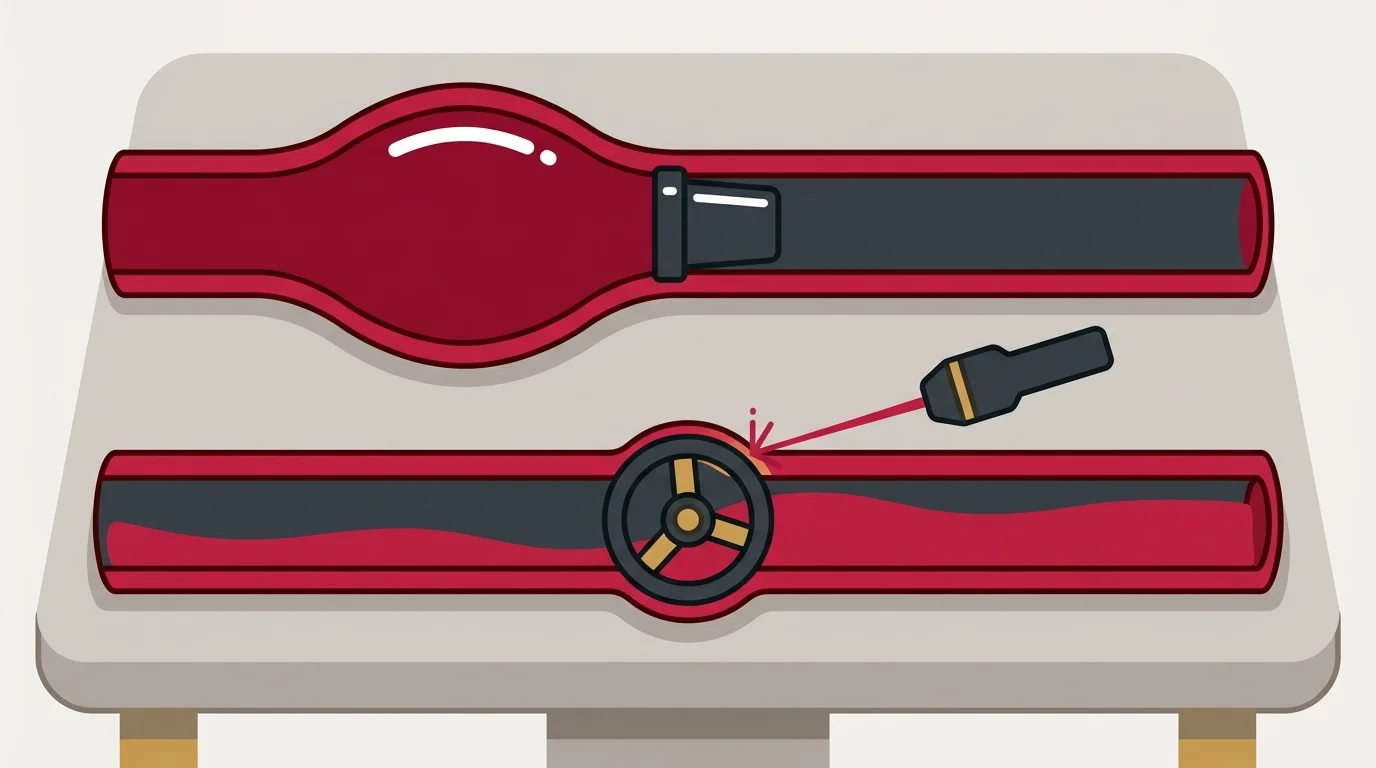
Inflammation runs on its own signaling network, completely separate from the COX pathway NSAIDs block. Cytokines carry that message, telling tissue to flare up or settle down.
Photobiomodulation reaches that network directly. In a mouse model of collagen-induced arthritis, photobiomodulation decreased serum levels of pro-inflammatory cytokines while increasing anti-inflammatory cytokines. Per published research data, photobiomodulation therapy decreased serum levels of pro-inflammatory cytokines while increasing anti-inflammatory cytokines in a mouse model of collagen-induced arthritis — a finding from animal research. That shift happened without touching a single COX enzyme.
| Study Focus | Treatment Compared | Measured Outcome |
|---|---|---|
| Collagen-induced arthritis (mouse model) | Photobiomodulation vs baseline inflammatory markers | Decreased serum levels of pro-inflammatory cytokines, while increasing the anti-inflammatory cytokines |
| Myofascial pain dysfunction syndrome (clinical trial) | Low-level laser therapy vs naproxen | Both laser and naproxen were almost equally effective in the treatment of MPDS |
| Myofascial pain dysfunction syndrome (clinical trial) | Low-level laser therapy vs naproxen | laser-treated patients showed significantly greater improvement in mouth opening ability |
Where Head-to-Head Trials Put Cold Laser Therapy Against Naproxen and Other NSAIDs
So what happens when Cold Laser Therapy faces naproxen directly, head to head, in the same trial? In a clinical trial comparing low-level laser therapy to naproxen for myofascial pain dysfunction syndrome, both treatments reduced pain to a similar degree. Findings published through the Journal of Iranian Medical Council show both low-level laser therapy and naproxen reduced pain similarly in myofascial pain dysfunction syndrome, with laser-treated patients showing significantly greater improvement in mouth opening ability. But laser-treated patients showed significantly greater improvement in mouth opening ability.
That functional gap is the detail worth sitting with. Naproxen quieted the pain but never restored range of motion, while Cold Laser Therapy did both. For a broader look at what that means for chiropractic patients, see Chiropractic Care.
How a Photobiomodulation System Is Built for Clinical Use
A photobiomodulation system isn't just a laser with a label slapped on it. It's built around specific wavelengths, calibrated output, and clearance for defined uses. And that distinction matters, because regulatory clearance is narrow by design.
A device gets cleared for one particular application, and that application is exactly what its evidence supports. So FDA clearance is a useful marker. But it certifies a specific indication, not a universal claim.
FDA Clearance and What It Does (and Doesn't) Certify
Take that carpal tunnel clearance. It shows just how narrow FDA approval really runs, tied to one device and one indication. Per Washington's low-level laser assessment, the MicroLight 830 laser received FDA approval on February 6, 2002, for adjunctive use in temporary relief of hand and wrist pain associated with carpal tunnel syndrome.
So that clearance covers adjunctive, temporary relief for a single condition. It doesn't certify that every application of Cold Laser Therapy carries the same clearance. That's why the specific device and the specific indication both matter.
Putting Cellular Recovery Into a Care Timeline
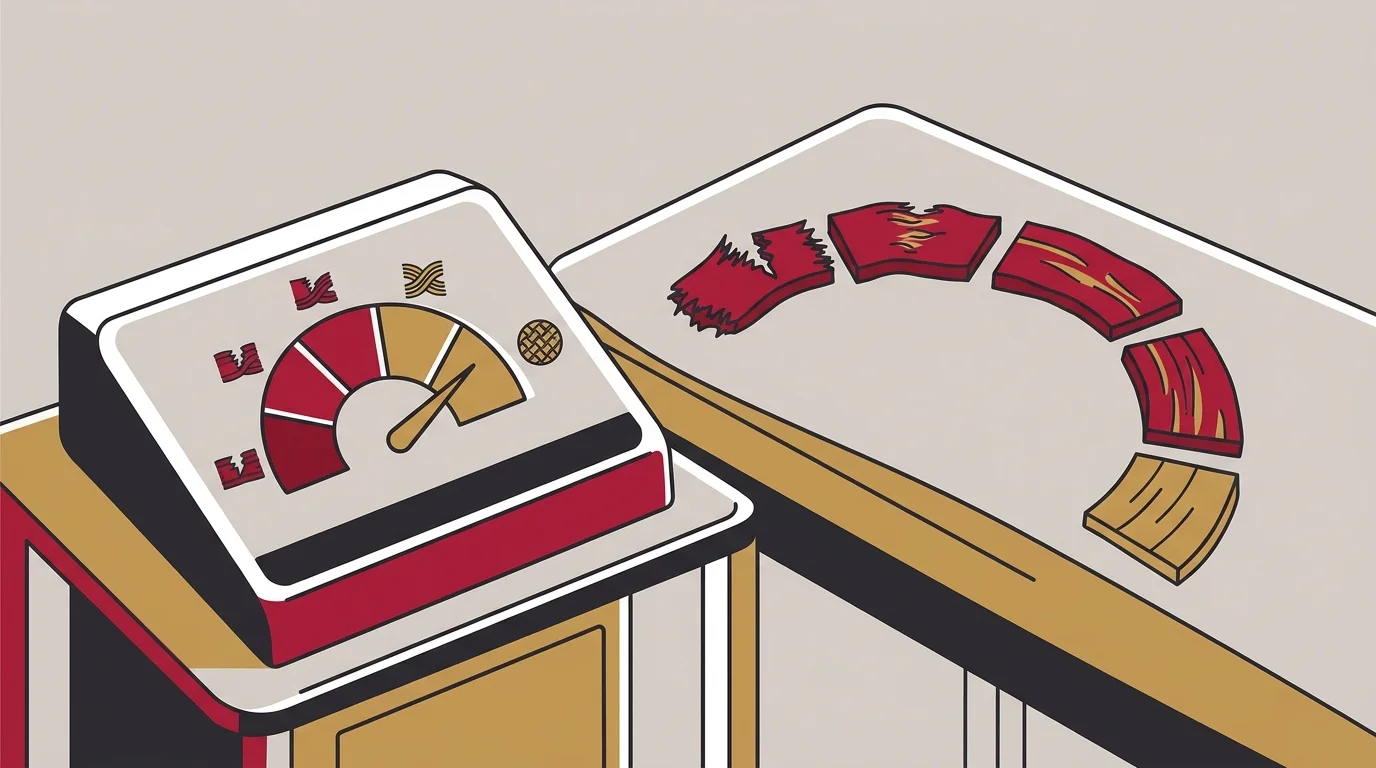
So how does all this become an actual plan of care? A device with the right clearance only matters inside a sequence built for the tissue it's treating. And that sequence looks different depending on whether the injury is fresh or has been dragging on for months.
| Condition Type | Session Focus | Typical Sequencing |
|---|---|---|
| Acute Soft Tissue Injury | Reducing early inflammation while supporting tissue in its active repair phase | Closely spaced sessions early on, tapering as the tissue stabilizes |
| Chronic or Recurring Pain | Rebuilding mitochondrial energy reserves that repeated inflammation cycles have worn down | A longer, more spread-out sequence to give cellular repair time to accumulate |
| Post-Adjustment Recovery Support | Supporting tissue around a Chiropractic adjustment rather than replacing the adjustment itself | Paired sessions scheduled alongside ongoing chiropractic visits |
| Localized Nerve or Joint Irritation | Targeting a specific site where cytochrome c oxidase activity can be concentrated | Shorter runs focused on one area, reassessed before extending the sequence |
Sequencing Sessions for Chronic Versus Acute Tissue Conditions
Acute injuries and chronic conditions don't heal on the same clock. An acute strain may respond within a handful of closely spaced sessions, because the tissue is already deep in an active repair phase. A chronic condition usually needs a longer, more spread-out sequence, giving mitochondria time to rebuild the energy reserve the tissue lost.
What a Single Session Involves From Start to Finish
A single session stays simple by design. The Cold Laser Therapy device is applied directly to the injured area for a set treatment window, delivering light at the wavelength that reaches cytochrome c oxidase. No incision, no sedation, and no downtime afterward. The cellular work keeps happening long after the patient leaves the room.
Frequently Asked Questions
So where does all this land for the questions people actually ask before booking a visit? Here are the direct answers.
Is cold laser therapy safer than taking NSAIDs like ibuprofen every day?
It sidesteps the cardiovascular risk tied to long-term NSAID use. Cold Laser Therapy works on cellular repair instead of blocking a pain signal, so daily use doesn't carry that same systemic exposure.
How many photobiomodulation sessions are needed to see results for chronic pain?
It depends on whether the condition is fresh or chronic. A chronic condition usually needs a longer, spread-out sequence, because mitochondria need repeated sessions to rebuild the energy reserve the tissue lost.
Can cold laser therapy be used for arthritis pain instead of naproxen?
Yes. Photobiomodulation reaches inflammation through cytokine signaling rather than the cyclooxygenase pathway naproxen blocks, so it addresses arthritis inflammation without that chemical route.
What are the most common long-term side effects of NSAIDs?
Long-term NSAID use is tied to higher cardiovascular risk, especially with COX-2 selective options. And that risk climbs the longer the medication stays part of a daily routine.
Does cold laser therapy just mask pain, or does it actually heal the tissue?
It heals tissue rather than masking pain. Cold Laser Therapy drives ATP production, which fuels keratinocyte migration, fibroblast proliferation, and collagen synthesis, the actual mechanics of repair.
Can photobiomodulation help with acute injuries like sprains and strains?
Yes. An acute strain is already deep in an active repair phase, so it often responds within a handful of closely spaced sessions that support that natural process.
What This Means
A smoke alarm and a fire aren't the same problem. NSAIDs silence the alarm. Photobiomodulation puts out the fire, cell by cell, down at the mitochondrial level where the damage actually lives.
So the real choice isn't about which option calms pain faster. It's whether you want the signal quieted or the injury underneath it resolved. Cold Laser Therapy stimulates the repair NSAIDs were never built to touch.
Touch of Wellness Chiropractic built its approach around that distinction, not around louder pain relief. So if lingering pain keeps sending you back to another bottle instead of an answer, book an appointment at Touch of Wellness Chiropractic and find out what treating the actual fire feels like.