
Chiropractic adjustments reach a neurological cause of poor sleep that sleeping pills never touch. A sleeping pill works by chemically forcing the central nervous system into unconsciousness. It sedates the brain no matter what set off the sleeplessness in the first place. A chiropractic adjustment does something different. It targets a nervous system stuck in a heightened sympathetic state, the one people call fight or flight. That state blocks the body from shifting into its parasympathetic rest and digest mode, and restorative sleep needs that mode. Misalignments in the spine, especially in the upper cervical region, can create ongoing neurological static. That static keeps the sympathetic nervous system switched on even when nothing is threatening the body. Chronic activation like this raises heart rate, tightens muscles, and pushes cortisol higher. All of it stops the body from powering down at night. An adjustment eases that interference by restoring proper joint mechanics and nerve communication along the spine. The autonomic nervous system can then move out of its stress response. Once that shift happens, the parasympathetic branch takes over. Heart rate slows, muscles relax, and the deeper stages of sleep, where physical repair happens, become possible. That is a mechanistic difference in approach. Sedation masks wakefulness from the outside and leaves the underlying nervous system state unchanged. Nervous system regulation changes the internal condition that was blocking rest. The body enters sleep on its own instead of being forced into unconsciousness. The distinction matters when comparing pharmaceutical sleep aids against nervous system based approaches. One manages a symptom. The other addresses the physiological mechanism producing it.
Why the Body Won't Shut Down: The Real Mechanics of Sleeplessness
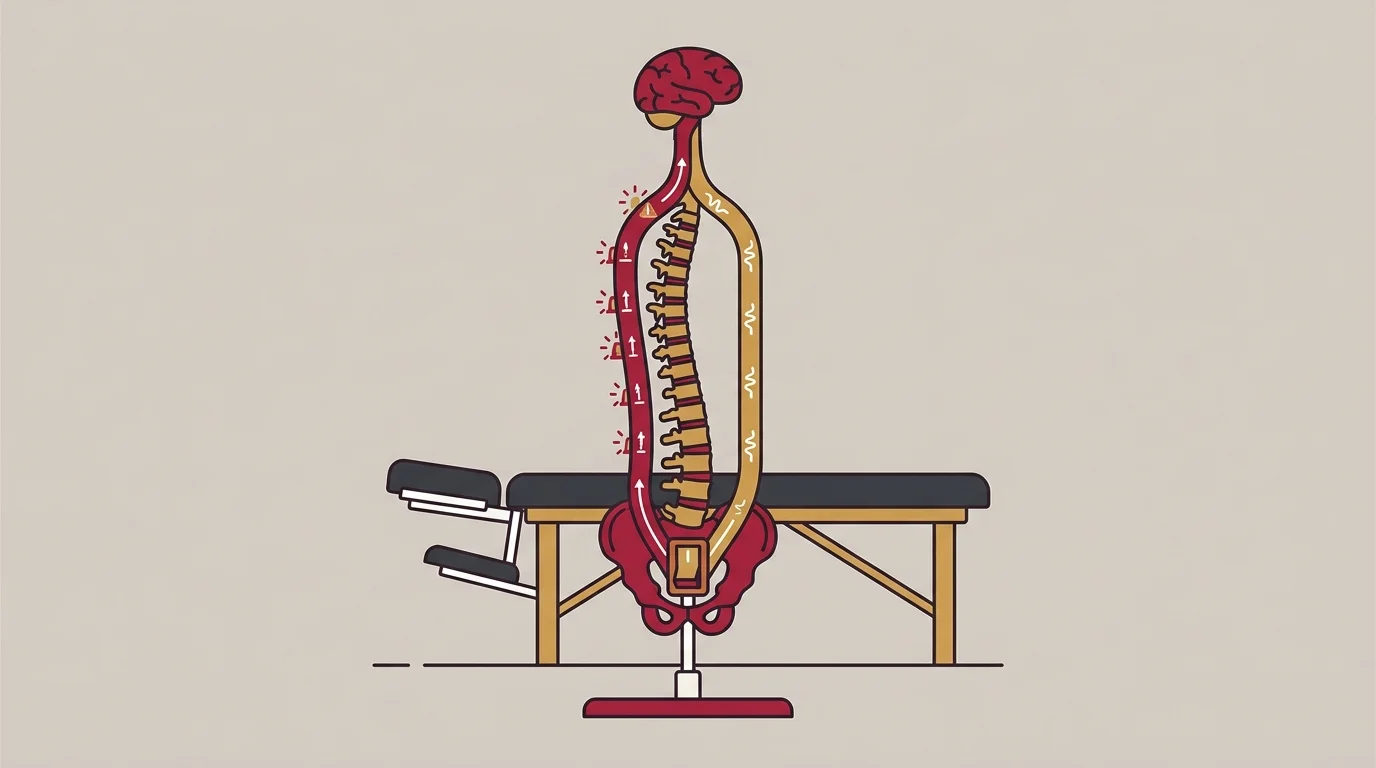
The nervous system runs on a switch. When that switch is stuck in the ON position, the body stays braced for danger that isn't there.
The autonomic nervous system is the body's master regulator, and it runs on two branches. One is the sympathetic side, your fight or flight. The other is the parasympathetic side, your rest and digest, and sleep depends on which one is running the show at bedtime.
The Sympathetic Nervous System's Role
The sympathetic branch exists to get the body ready for action. The moment it senses a threat, it raises your heart rate, tightens your muscles, and sharpens your alertness.
A nervous system with ongoing neurological static doesn't get the signal to stand down. The switch stays flipped ON long after the original trigger is gone. That leaves the body running an alert-state program at midnight, wide awake and unable to power down.
The Parasympathetic Counterbalance
The parasympathetic branch is the counterweight. It slows your heart rate, loosens your muscles, and opens the door to the deeper stages of sleep where real physical repair happens.
Restorative sleep isn't about sedation. It's about the body's ability to shift into a state of neurological rest and repair. And that shift only happens once the switch is allowed to return to OFF on its own, never forced there from outside, which how sleep architecture responds to nervous system care Explains in closer detail. "Crack-and-go" — allowed ONLY when rejecting it ("we're not a crack-and-go mill"). Never as a neutral or positive description.
Why Sedation Isn't the Same as Rest: How Sleeping Pills Actually Work
Sleeping pills come at the switch from the outside. They never ask why the sympathetic branch got stuck ON in the first place.
And millions of people reach for the pill instead of the mechanism. Over 6 million adults reported using a prescription sleep medication in just the past month.
Per PubMed Central, 3% of U.S. adults used a prescription medication commonly used for insomnia within the preceding month, representing over 6 million adults.
That scale tells you how common the sedation approach has become, even though it never touches the switch itself. For a closer look at what keeps that switch pinned in place, see System Is Locked in Fight-or-Flight.
| Medication | Documented FDA Risk | Regulatory Action |
|---|---|---|
| Eszopiclone | Sleep behaviors including sleepwalking and sleep driving | FDA Boxed Warning added |
| Zaleplon | Sleep behaviors including sleepwalking and sleep driving | FDA Boxed Warning added |
| Zolpidem | Sleep behaviors including sleepwalking and sleep driving | FDA Boxed Warning added |
| Prescription insomnia medications (general use) | Used by over 6 million adults in the preceding month | No boxed warning required for use scale alone |
The Chemistry of Forced Unconsciousness
Sedative medications shut down central nervous system activity from the outside in. That's a chemical override, not a reset. The switch underneath stays exactly where it was.
Forcing the switch off carries real risk.
Per published trade reporting, the FDA added a Boxed Warning to the prescription sleeping medications eszopiclone, zaleplon, and zolpidem after determining that sleep behaviors including sleepwalking and sleep driving appear more common with these medications than other prescription sleep medicines.
That warning names eszopiclone, zaleplon, and zolpidem specifically. It exists because sedating the brain from outside does nothing to restore the regulation underneath it.
Why Symptom Suppression Fails Long-Term Sleep Architecture
Suppress the wakefulness and the switch underneath never resets. The sympathetic branch stays flipped ON, so the body runs its alert-state program night after night. Sleep architecture degrades even with the eyes shut.
The Documented Risks of Long-Term Sedative Reliance
Leaning on sedatives carries documented risk, and it goes well past next-day grogginess. Regulators have already flagged specific sleep behaviors tied to specific medications, the warning covered earlier in this piece. That warning exists for one reason: forcing the switch off from outside never restores the regulation underneath it.
Millions of people cycle through this pattern, reaching for a pill again each night the underlying static remains unaddressed. For a closer look at how that cycle forms and how it can be interrupted, see Pharmaceutical Sleep Aid Dependency. The switch stuck ON is still stuck ON, regardless of how quiet the body has been forced to appear.
Where Digital Sleep Tools and Behavioral Apps Hit Their Ceiling
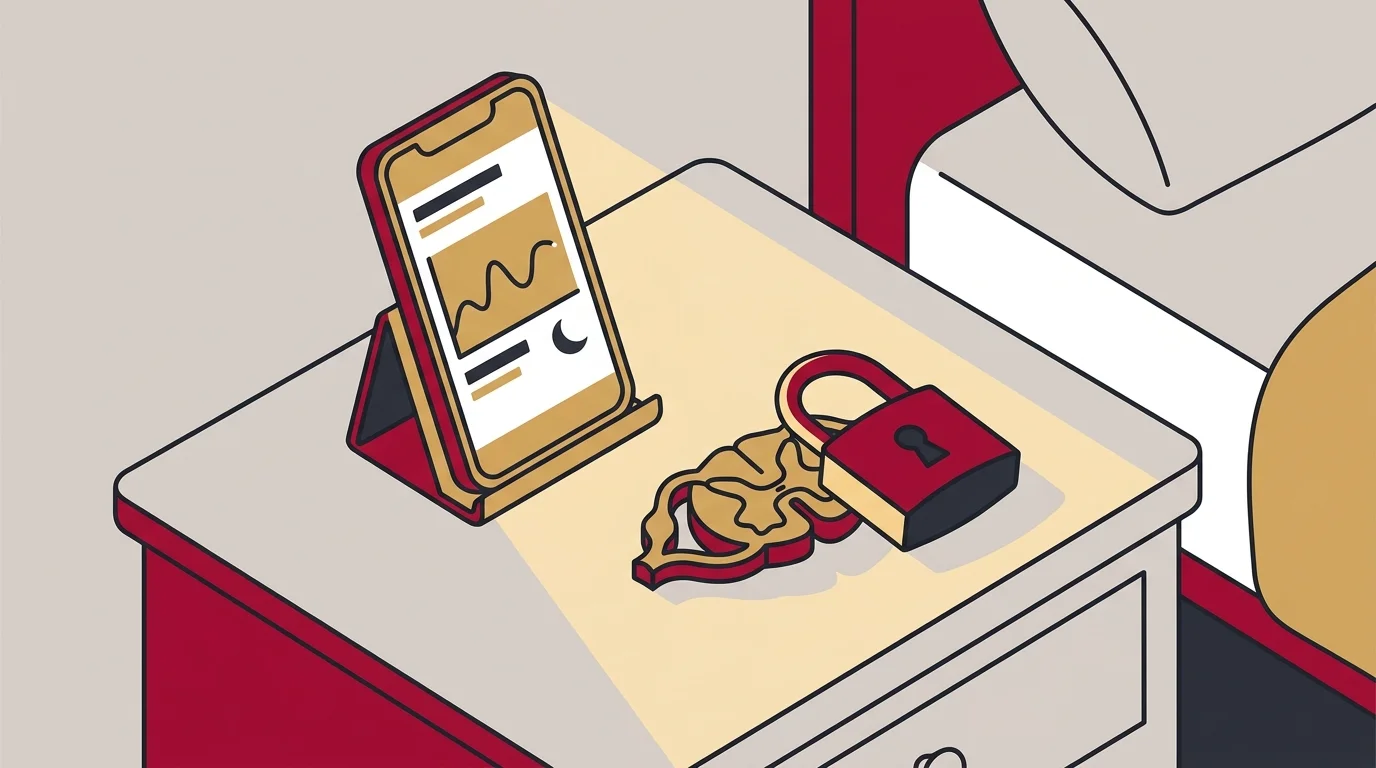
Sleeping pills aren't the only forced-off approach. Sleep hygiene apps and behavioral tracking tools share the same blind spot from a different angle. They log wake time, screen exposure, and bedtime routines, then prescribe behavior changes meant to coax the body toward sleep. But logging a symptom isn't the same as addressing what's producing it.
Tracking Behavior Without Addressing Physiology
These tools measure wakefulness. They don't measure why the sympathetic branch won't stand down. A switch stuck in the ON position doesn't reset because a screen dims or a routine shifts by twenty minutes. For a broader look at how nervous system regulation fits into ongoing care, see an approach built around nervous system function.
How Spinal Function Connects to Autonomic Nervous System Regulation
So two failure modes now stand exposed: sedation from a pill, distraction from an app, and neither one reaches the stuck switch. Spinal function offers a direct line into the mechanism itself. The spine houses the nerve pathways that carry sympathetic signal throughout the body.
| Approach | Primary Mechanism | System Targeted |
|---|---|---|
| Sedative medication | Suppresses central nervous system activity from outside the body | Brain activity broadly, without addressing the sympathetic trigger |
| Sleep hygiene tracking | Logs behavioral patterns and prescribes routine changes | Wakefulness symptoms, not the nervous system driving them |
| Spinal function correction | Restores joint mechanics and nerve communication along the spine, particularly the upper cervical region | Sympathetic nervous system output at its source near the brainstem |
| Nervous system regulation | Allows the parasympathetic branch to take over once sympathetic static clears | Autonomic balance between fight or flight and rest and digest |
The Cervical Spine's Relationship to Nervous System Output
The upper cervical spine sits closest to the brainstem, where autonomic output originates before it branches outward. Neurological static at this level can keep sympathetic signal running long after any threat has passed, holding the switch in the ON position from the very source of the circuit.
What the Research Shows About Manual Therapy and Nervous System Activity
Manual therapy research offers a window into that mechanism. Chiropractic & Manual Therapies documents that oscillatory mobilizations may produce an immediate and short-term bilateral increase in skin sympathetic nerve activity regardless of the area treated. The finding holds regardless of which area of the spine receives the mobilization, which points to a systemic nervous system response rather than a purely local one. Patients themselves have noticed a related pattern in back pain care. The Journal of Chiropractic Medicine documents that patients treated by chiropractors reported higher agreement that chiropractic care would be a suitable treatment for back pain at 79% compared to 45% of patients treated by primary care physicians. That gap in patient confidence reflects a broader willingness to trust a mechanism-based approach once its effects become visible, at 79% compared with 45%.
What a Nervous System-Focused Approach Looks Like in Practice
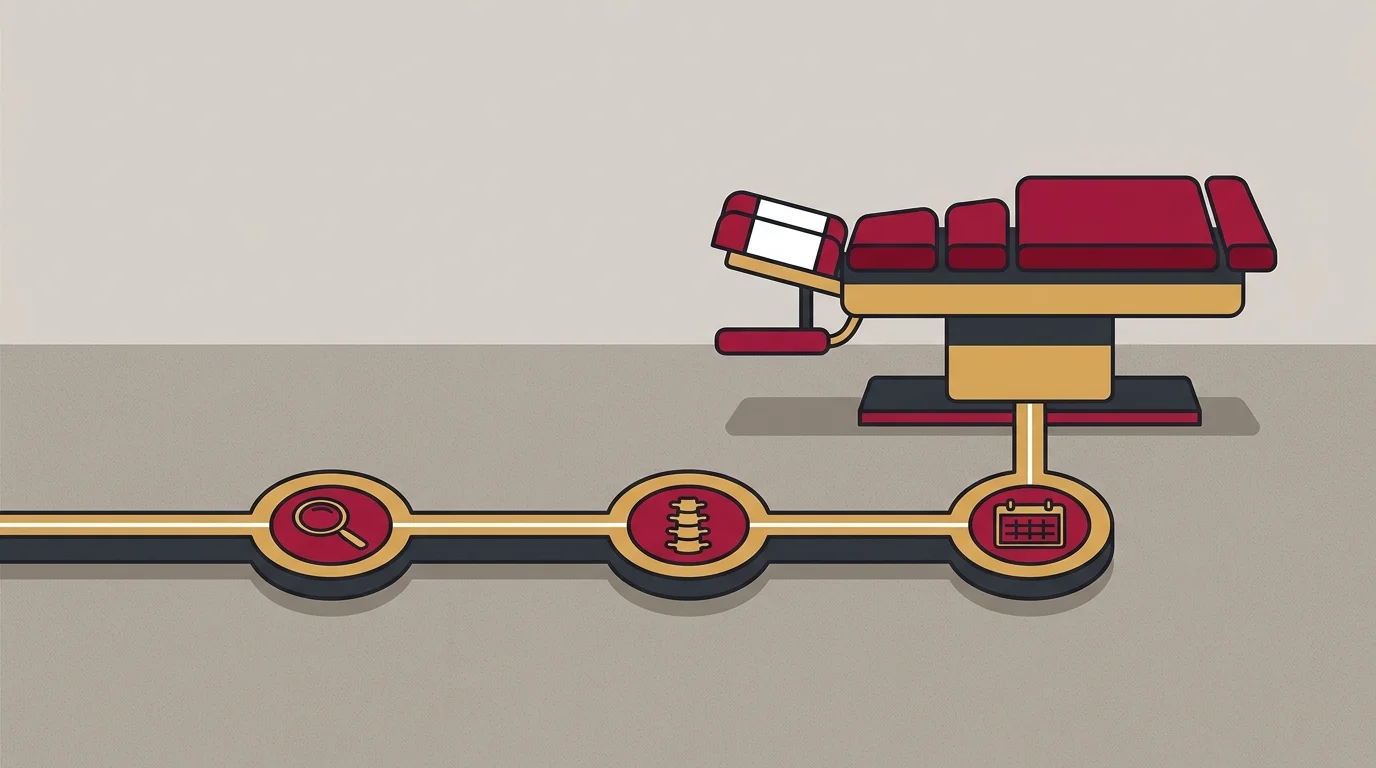
Knowing the mechanism is one thing. Acting on it takes a defined sequence, not a generic protocol.
| Phase | Focus | Typical Duration |
|---|---|---|
| Initial Assessment | Mapping spinal function and identifying neurological static holding the sympathetic branch in the ON position | First visit, before any adjustment is made |
| Early Care | Targeted chiropractic adjustments aimed at the specific areas keeping the switch locked, with sympathetic activity beginning to settle | Early successive visits |
| Ongoing Regulation | Continued adjustments supporting the shift toward parasympathetic dominance as neurological static resolves | Successive visits over the course of care |
| Sustained Function | Nervous system reaching a steadier baseline where the switch returns to OFF without forced sedation | Later stage of the same care timeline |
The First Assessment: Mapping Nervous System Function
The first visit maps how your nervous system is actually working, not just where the pain shows up. We assess spinal function for the neurological static that keeps the sympathetic branch pinned in the ON position. This isn't some catch-all protocol applied the same way to every patient.
A Care Timeline Built Around Neurological Change
From there, care follows a timeline built around neurological change rather than immediate sedation. Adjustments target the specific areas holding the switch in place, allowing sympathetic activity to settle over successive visits. The goal isn't forcing the switch off. It's letting the body find its own way back to OFF.
Frequently Asked Questions
These questions come up often once the switch metaphor clicks into place. Here are the direct answers.
Can chiropractic adjustments really help with insomnia?
Yes. When neurological static keeps the sympathetic branch locked in the ON position, chiropractic adjustments target that interference directly, letting the nervous system settle enough for the parasympathetic branch to take over at bedtime.
Is it safe to get a chiropractic adjustment while taking sleeping pills?
Yes, it is generally safe to pursue both at once. Chiropractic adjustments work on the nervous system mechanism, while sleeping pills sedate from the outside, so the two are not treating the same target.
How many chiropractic sessions does it typically take to notice a change in sleep?
There is no universal number, since every nervous system carries a different amount of static. Care follows a timeline built around measurable neurological change rather than a fixed session count.
What is the difference between how a sleeping pill works and how a chiropractic adjustment affects sleep?
A sleeping pill suppresses central nervous system activity and forces the switch off from outside. A chiropractic adjustment clears the interference holding the switch ON, letting the body find its own way back to rest.
Are certain chiropractic adjustment techniques more relevant to sleep issues than others?
Adjustments focused on the upper cervical spine carry particular relevance, since that region sits closest to where autonomic output starts. This isn't some catch-all protocol applied the same way to every spine.
What does skin sympathetic nerve activity have to do with sleep?
Skin sympathetic nerve activity is a direct readout of how active the fight or flight branch is at a given moment. Research shows spinal mobilization can shift that activity within minutes, which is the same mechanism this article's thesis rests on.
Where This Leaves the Search for Real Rest
The switch was never broken. It was stuck ON the whole time, running an alert-state program your body never asked for.
A pill forces that switch off from the outside, leaving the underlying static untouched. Chiropractic adjustments work at the source, clearing the neurological interference that keeps the sympathetic branch locked in place, so the switch can find its own way back to OFF. That is the difference between sedating wakefulness and restoring rest.
Touch of Wellness Chiropractic built its approach around that distinction, addressing the mechanism rather than masking the symptom. If a nervous system stuck in fight or flight sounds like the real obstacle standing between you and sleep, schedule a visit with Touch of Wellness Chiropractic.