
Acupuncture resolves chronic pain more durably than muscle relaxers because it addresses the neuromuscular imbalance generating the pain signal, rather than sedating the nervous system that transmits it. Muscle relaxers work as central nervous system depressants, reducing muscle tone and dulling the perception of tension, but they do not correct the structural or neurological source producing that tension in the first place. Acupuncture uses the strategic placement of thin needles to stimulate the body's own painkilling and self-healing mechanisms, engaging both the pathways that amplify pain signals and the pathways that suppress them. This dual action targets the mechanism behind chronic pain rather than muting the sensation of it. Because muscle relaxers only mask discomfort temporarily, relief fades once the medication clears the system, often requiring repeated dosing that can lead to tolerance over time. Acupuncture, by contrast, is designed to produce cumulative and lasting changes in how the nervous system processes and regulates pain. For chronic conditions such as low back pain, neck pain, and nerve-related discomfort, this distinction between symptom suppression and mechanism correction determines whether relief is temporary or sustained. Choosing between the two approaches ultimately depends on whether the goal is short-term sedation of a pain signal or long-term correction of the imbalance producing it. Acupuncture offers a non-pharmacological path toward that correction, without the sedation, dependency risk, or diminishing returns associated with long-term muscle relaxer use.
What Muscle Relaxers Actually Do Inside the Body
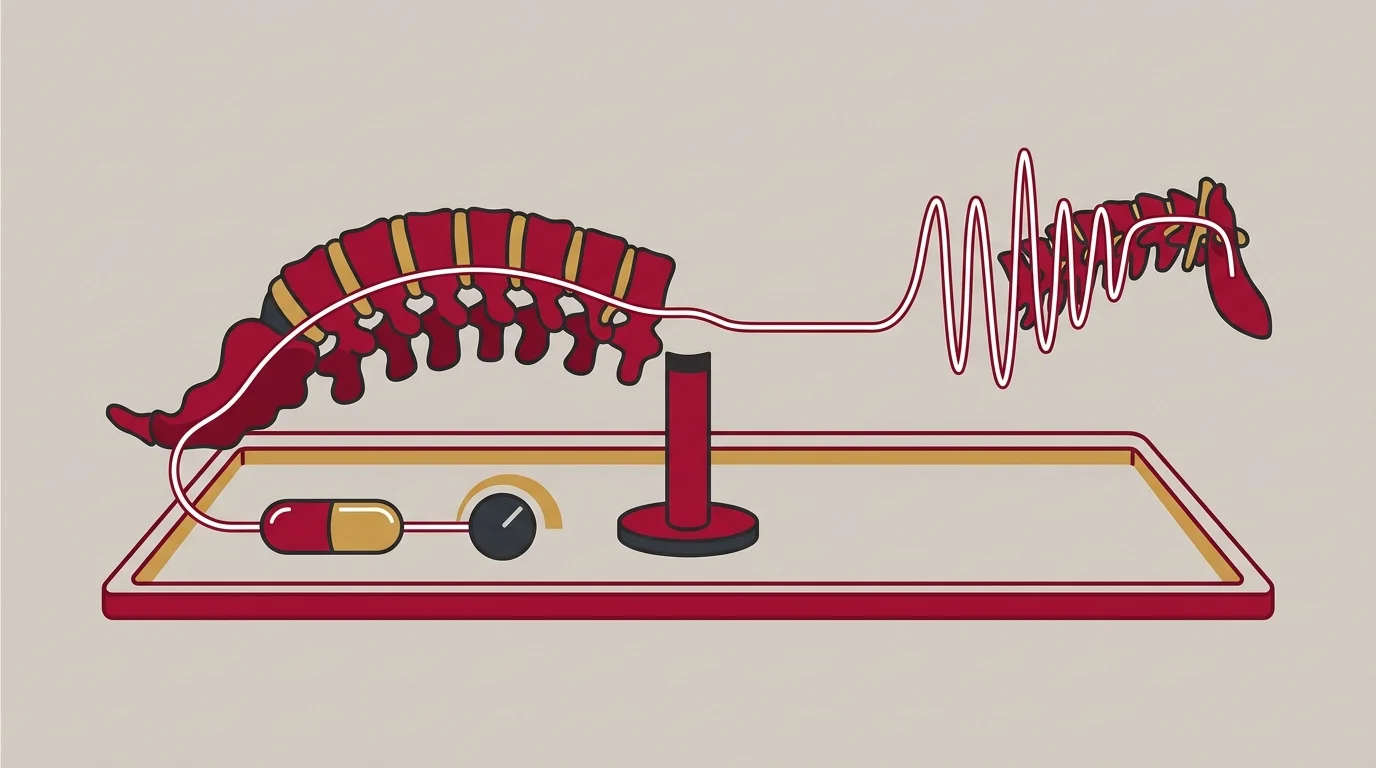
A muscle relaxer is built to quiet the nervous system. It won't touch the source of the pain. It works as a central nervous system depressant, dropping muscle tone and dulling the feeling of tension.
That mechanism explains why relief feels immediate. It also explains why the pain returns once the depressant effect wears off, because nothing about the tissue or the nerve pathway underneath has changed.
How a Muscle Relaxer Works on the Nervous System
Inside the body, a muscle relaxer works by slowing signal transmission along the central nervous system. Muscle tone drops, tension eases, and the brain perceives less discomfort.
But that drop in tone isn't selective. It sedates broadly. It never corrects the specific structural or neurological imbalance that produced the tension in the first place.
Where the Relief Ends and the Risk Begins
The relief a muscle relaxer provides ends the moment the medication clears the system. That is where the risk begins, because the underlying signal was never addressed.
So repeated dosing becomes the pattern, and tolerance follows. For a clearer look at how needle-based mechanisms compare against that cycle, see the full acupuncture-versus-dry-needling comparison.
What the Evidence Shows About Long-Term Muscle Relaxant Use
The pattern doesn't just hold in theory. It holds under systematic review. Long-term skeletal muscle relaxant use carries the same adverse effects across nearly every drug in the class.
| Medication Class Measure | Reported Figure | Clinical Significance |
|---|---|---|
| Studies Reviewed | 44 studies | A systematic review of this size establishes a consistent pattern rather than an isolated finding. |
| Participants Assessed | 2482 participants | A sample of this size across long-term use gives the adverse effect pattern statistical weight. |
| Medications Evaluated | 9 unique skeletal muscle relaxant medications | Sedation and dry mouth appeared across nearly the entire drug class, not one outlier drug. |
| Carisoprodol Long-Term Risk | Tolerance and dependence with continuous use | Dependence develops from continuous use as directed, not only from misuse. |
The Adverse Effect Pattern Across Nine Medications
According to PubMed Central, sedation and dry mouth were the most common adverse effects observed in a systematic review of 44 studies with 2482 participants that assessed 9 unique skeletal muscle relaxant medications for long-term use in chronic pain. That number matters because it is not one drug being scrutinized. It is nine, and the same two adverse effects kept surfacing across all of them.
Sedation and dry mouth weren't rare side notes buried in the data. They were the dominant pattern across 44 studies and 2482 participants. That's what a nervous-system depressant does when it's used for the long haul instead of briefly.
Why Dependence Forms Even When a Drug Is Used as Directed
Dependence is not a side effect that appears only with misuse. According to published government guidance, continuous carisoprodol abuse causes tolerance and dependence — one expert assessment rather than a study finding. Carisoprodol illustrates the mechanism plainly: a drug taken exactly as directed can still train the body to need more of it over time. For a look at how a non-pharmacological approach targets nerve-related pain instead, see Certified Acupuncture for Nerve Pain.
How Acupuncture Targets the Pain Pathway Instead of the Symptom
A muscle relaxer sedates the system that carries the pain signal. Acupuncture works the pathways that generate and regulate that signal instead.
| Intervention | Mechanism Targeted | System-Level Effect |
|---|---|---|
| Skeletal muscle relaxant | Central nervous system depression | Broad sedation that dulls perceived tension without correcting the structural or neurological imbalance producing it |
| Acupuncture (thin needle placement) | Ascending and descending pain pathway regulation | Stimulates the body's own painkilling and self-healing mechanisms, engaging the signal at its source rather than suppressing awareness of it |
| Chiropractic adjustment | Structural and neuromuscular alignment | Addresses mechanical contributors to the pain signal, complementing pathway-level correction rather than masking sensation |
The Two Pain Pathways Acupuncture Is Documented to Influence
Animal research points to a specific mechanism behind that difference. Evidence-Based Complementary and Alternative Medicine documents that acupuncture may alter the metabolism of substrates involved in both ascending facilitory pain pathways and descending inhibitory pain pathways — a finding from animal research. That dual influence over both ends of the pathway is what separates a mechanism-level intervention from a sedative one, even with the animal-study caveat attached.
Needle Placement as a Structural Intervention, Not a Sedative
Needle placement acts as a structural signal to the nervous system, not a chemical depressant flooding it. For a closer look at how that mechanism holds up against personal doubts about the practice, Patients Who Are Skeptical breaks down what the evidence actually supports.
Why Masking a Signal Is a Different Strategy Than Correcting One
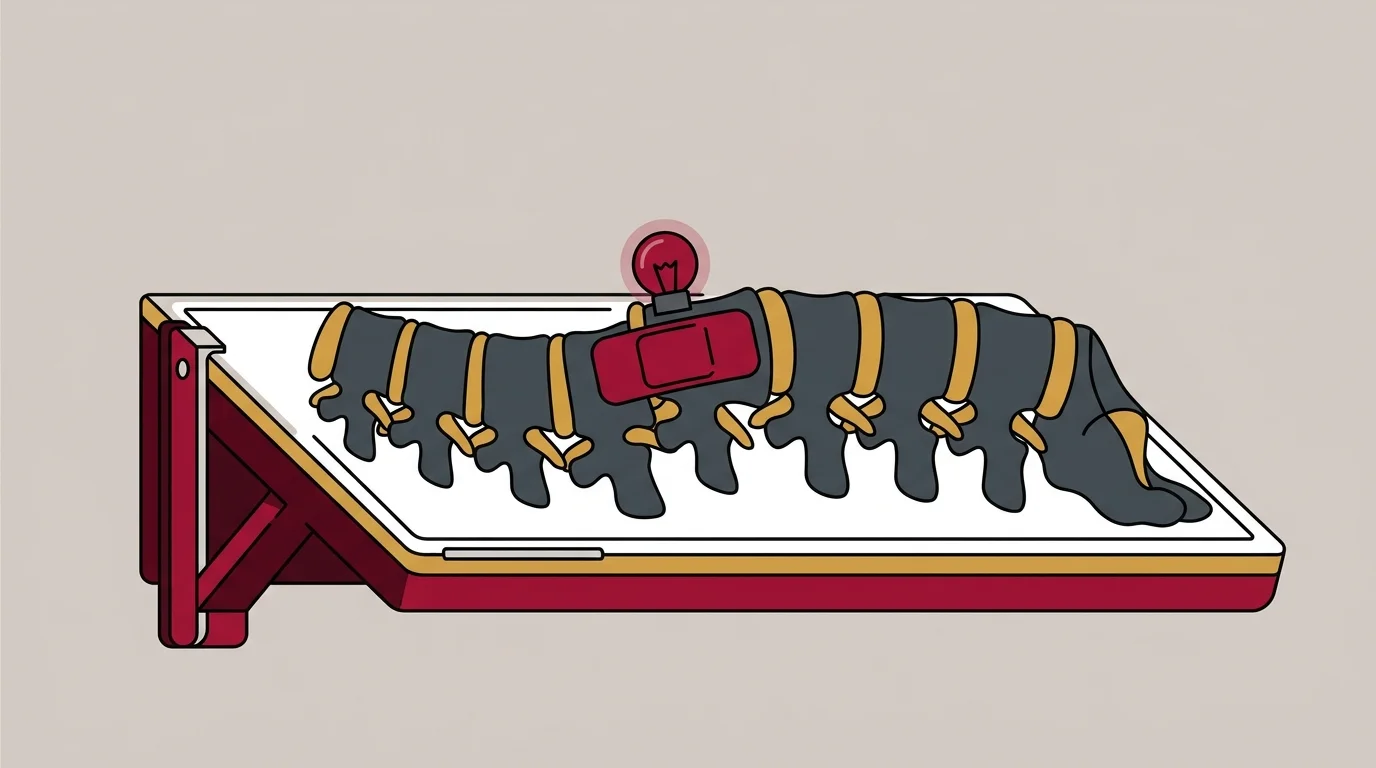
Masking a signal and correcting one are not two versions of the same strategy. They are opposite responses to what chronic pain actually is.
Symptom suppression treats pain as noise to be quieted. Mechanism correction treats it as information about a system that needs to change.
The Failure Pattern Behind Symptom-Only Pain Management
The industry default leans on symptom suppression because it produces fast, visible relief. A muscle relaxer dulls sensation within the hour, and that speed reads as success.
But speed is not the same as resolution. Effective pain management is less about finding a magic bullet and more about identifying a sustainable approach for chiropractic care that addresses the source of the discomfort, not just the sensation, which is why chiropractic treatment for chronic pain becomes the next logical step once suppression stops working.
Many patients only start exploring non-medication options after the side effects pile up or the relief runs out.
What the Satisfaction and Outcome Data Show
Mechanism explains why acupuncture works. Outcome data shows what patients actually feel once it does.
| Outcome Measure | Reported Score | Scale |
|---|---|---|
| Overall Satisfaction | High, per patient-reported measures | Reported directly by patients |
| Relaxation During Treatment | Notably high, distinct from satisfaction alone | Reported directly by patients |
| Anxiety Reduction | Moderate to strong, though the smallest of the three measures | Reported directly by patients |
Reading Patient-Reported Outcome Scores in Context
Satisfaction scores matter here because they capture more than pain reduction. They capture whether the correction felt worth pursuing.
The journal Children documents that pediatric acupuncture patients reported a mean overall satisfaction score of 8.4 out of 10. That score reflects a signal being corrected, not just muted for an afternoon.
How a Course of Care Is Actually Structured
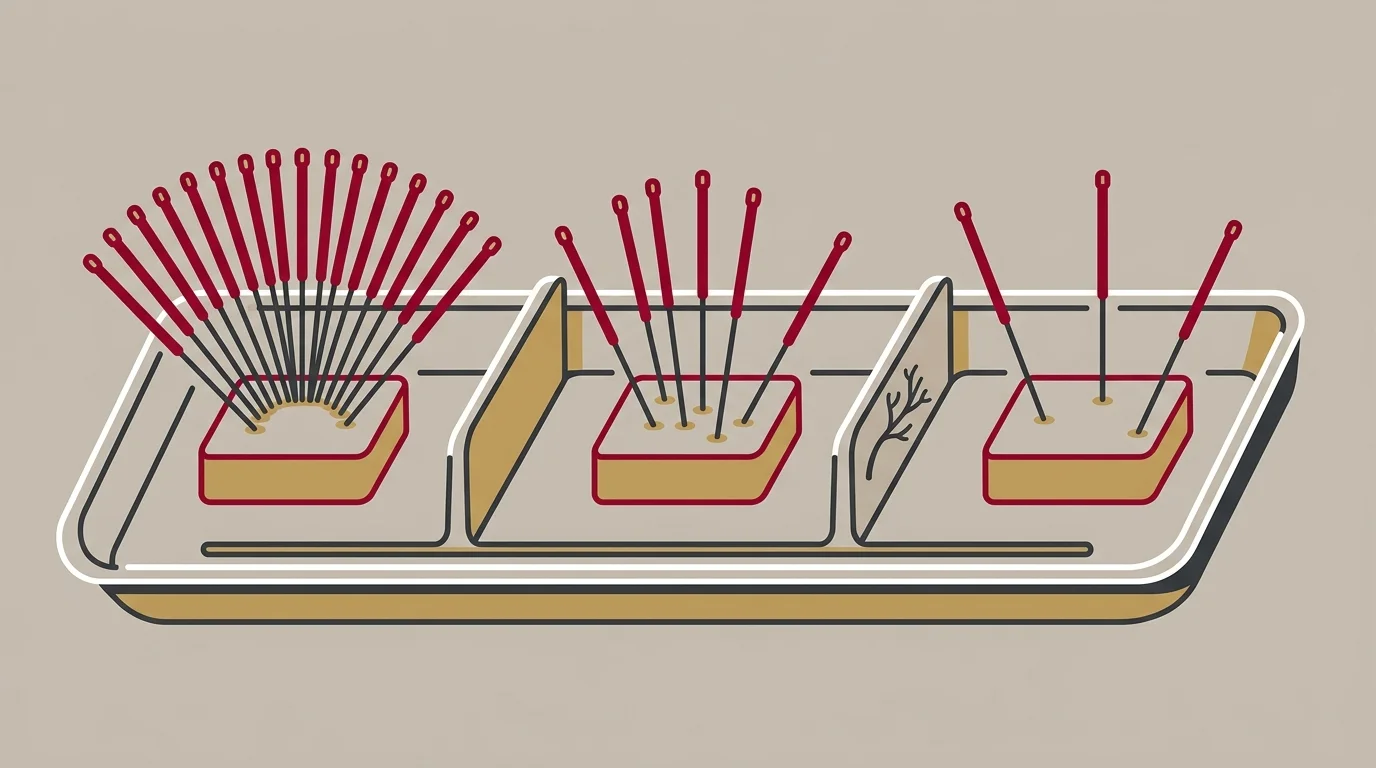
Evidence explains why correction beats suppression. Structure explains how that correction unfolds, session by session. For anyone navigating the complexities of chronic pain, the choice between traditional healing and modern pharmacology can feel overwhelming, and a defined care timeline replaces that overwhelm with a clear sequence.
| Care Phase | Approximate Duration | Focus of Care |
|---|---|---|
| Initial Phase | Early sessions, higher frequency | Locating where the pain signal originates and mapping how the nervous system has adapted around it |
| Correction Phase | Sessions space out as response builds | Addressing the structural or neurological imbalance directly rather than sedating the signal it produces |
| Nerve-Specific Phase | Runs alongside the correction phase when needed | Closer attention to the pathways carrying nerve-related discomfort, such as sciatica, without changing the underlying goal |
| Maintenance Phase | Extends beyond active correction, lower frequency | Reinforcing the corrected pattern so the imbalance does not resume producing the original signal |
Mapping a Typical Care Timeline
Early sessions focus on identifying where the signal originates and how the nervous system has adapted around it. Frequency tends to be higher at the start, then spaces out as the underlying imbalance responds.
That tapering pattern is the opposite of a muscle relaxer's flat, repeat-as-needed dosing schedule.
Where Nerve-Specific Presentations Change the Protocol
Nerve-specific presentations change the map, not the goal. Sciatica or nerve-related discomfort often needs closer attention to the pathways carrying the signal, not just the tissue producing it.
The correction still targets the mechanism. Only the route to reach it shifts.
Frequently Asked Questions
A handful of questions come up more than the rest once the mechanism clicks. Here are the direct answers, no sedation attached.
How quickly can pain relief begin with acupuncture compared to a muscle relaxer?
A muscle relaxer can dull the feeling within the hour, because it depresses the nervous system broadly. Acupuncture works the pain pathways directly instead. Relief builds session by session rather than arriving all at once.
What are the most common side effects reported with long-term muscle relaxer use?
Sedation and dry mouth surfaced as the dominant complaints across a wide range of muscle relaxant medications reviewed for long-term use. Those effects were not isolated to one drug. They repeated across nearly the entire class.
Is acupuncture documented to influence nerve-related pain, like sciatica?
Yes. Research in animal models shows acupuncture may influence the metabolism of substrates tied to both the pathways that amplify pain and the pathways that suppress it. That includes the kind of signal transmission involved in sciatic nerve pain.
How do acupuncture and a prescribed muscle relaxer interact when used together?
That decision belongs with the prescribing physician, since a muscle relaxer alters central nervous system activity that acupuncture does not touch. Acupuncture targets the pain mechanism directly and does not require stepping away from a prescribed medication to begin.
What does the research say about acupuncture for chronic low back pain?
The documented influence on both the pathways that generate pain signals and the pathways that regulate them supports acupuncture as more than a placebo response for chronic low back pain. Satisfaction outcomes reported in pediatric populations reinforce that the effect is felt, not just measured.
What credentials distinguish a qualified acupuncture practitioner?
A qualified practitioner holds post-doctorate certification specific to acupuncture, not a weekend course bolted onto an unrelated license. Dr. Hannah's certification reflects that level of training, applied to correcting the signal rather than sedating it.
What This Means
Chronic pain is a signal, not a nuisance to be muted. A muscle relaxer quiets the signal. Acupuncture corrects the system sending it.
One path sedates the nervous system until the medication clears, then leaves the underlying imbalance untouched. The other works the actual pathways that generate and regulate the pain, session by session, until the signal itself changes.
Dr. Hannah's post-doctorate acupuncture certification exists to correct that imbalance, not to mask it. If a chronic pain signal keeps returning, the question worth asking is whether it has ever been addressed at the source. Schedule a visit at Touch of Wellness Chiropractic.