
(309) 321-8412 | 1101 W Jackson St, Suite A, Morton, IL 61550
(309) 321-8412 | 1101 W Jackson St, Suite A, Morton, IL 61550
How We Address Disc Pain In A 15-Minute Chiropractic Appointment
The 15-minute appointment for disc pain at Touch of Wellness Chiropractic starts with a focused diagnostic assessment of what your body is actually showing — not what a diagnosis code says you should have. From there, we apply targeted chiropractic adjustments and, when needed, advanced modalities like Shockwave Therapy or Cold Laser Therapy to address the root cause of nerve and system disruption driving your disc issue.
This isn't a protocol. It's a responsive clinical process built specifically for you.
The 15-minute standard here isn't about speed. It's about precision. When you're not wasting time on steps that don't apply to your specific presentation, 15 minutes is more than enough to deliver focused, effective care. The assessment tells us exactly what needs to happen. The adjustment and any supporting modalities are applied with intention. You're in and out efficiently because we're not running filler steps to justify a longer appointment.
This article walks through how that process works — what happens during the assessment, how the adjustment is selected, when modalities are recommended, and what recovery looks like when the root cause is actually being addressed instead of temporarily masked.
Last Updated: April 30, 2026
What Happens During The 15-Minute Disc Pain Appointment
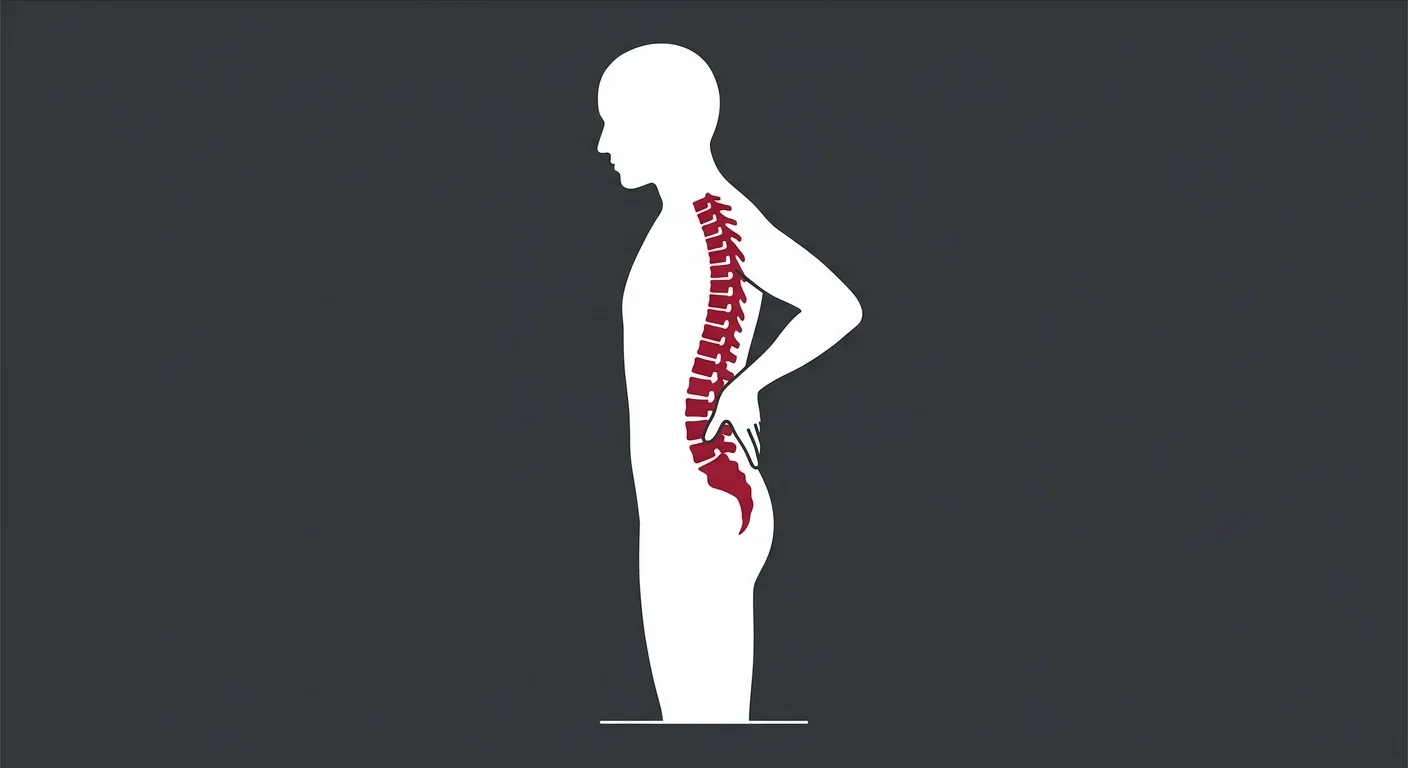
The 15-minute window works because every step is determined by what shows up during the assessment.
There's no filler. No checklist copied from someone else's file. The assessment decides what happens next — and nothing gets added that your body didn't ask for.
The Assessment Drives Everything
The first three minutes tell me what I need to know.
I'm watching how you move and where you don't want to go. Range of motion testing shows which directions make the nerve light up. Palpation finds the segments that locked up or started compensating. Orthopedic and nerve tests pinpoint where the system broke down — not where a diagnosis code thinks it should've.
Most practices don't do this. They see "lumbar disc herniation" on the intake sheet and go straight to the same three-step protocol they ran on the last patient with disc pain. That's not assessment-driven. That's autopilot.
Here, what your body shows me in those first few minutes determines which technique I'm using, which segment gets adjusted, and whether a modality is clinically necessary. The assessment is the map. Everything else just follows.
This is individualized chiropractic care — built from what you're actually presenting with, not what someone's protocol manual says you should get.
The Adjustment Is Selected Based On Your Body's Response
The adjustment isn't pulled from a playbook.
It's chosen based on what the assessment showed about your specific disc problem.
If the herniation's posterolateral and hitting the nerve root on one side, the adjustment addresses that segment and direction. If it's central compression with bilateral symptoms, the technique changes. If compensatory patterns in the thoracic spine are feeding the lumbar issue, those get handled too.
Some practices run the same T12 adjustment on every disc patient because "that's what we do for herniated discs." That's not clinical reasoning. That's muscle memory.
The technique used here matches what your body showed during the assessment. When the adjustment is specific to your presentation, results happen faster. When it's generic, you're rolling dice.
According to Mayo Clinic, conservative treatments including chiropractic care are typically recommended before considering surgery for herniated discs — but only when the treatment actually addresses the root cause instead of masking symptoms with the same protocol everyone else gets.
When Modalities Like Shockwave Therapy Are Recommended
Shockwave Therapy or Cold Laser gets added when the disc issue needs accelerated tissue repair or inflammation reduction beyond what the adjustment can deliver on its own.
This isn't an upsell. It's a clinical call.
If the disc's severely inflamed and nerve compression is blocking normal healing, Shockwave breaks up scar tissue and kicks regeneration into gear at the cellular level. If chronic degeneration's compromised the disc structure, Cold Laser speeds up repair without invasive procedures.
The decision to add a modality happens during the assessment — not before you walk in, not as a package everyone gets. Some patients need it. Some don't. The assessment makes that clear.
Research published in Medicine (LWW) confirms that radial shockwave therapy is a safe and effective non-invasive option for treating lumbar disc herniation — when it's used on the right patient at the right time, not sprayed indiscriminately.
That's the role of advanced Shockwave Therapy here. It's a precision tool, not a routine add-on.
| Phase | Duration | What's Happening |
|---|---|---|
| Initial Assessment | 3–4 minutes | Movement analysis, palpation, nerve testing — identifying what your body is reporting vs. what the diagnosis says |
| Adjustment Selection | 1 minute | Determining which technique and spinal segment to address based on assessment findings |
| Chiropractic Adjustment | 5–7 minutes | Targeted adjustment applied to the specific segment and direction revealed by the assessment |
| Modality Application (if needed) | 3–5 minutes | Shockwave or Cold Laser applied to the affected area when clinically indicated to accelerate tissue repair |
| Post-Adjustment Review | 1–2 minutes | Checking immediate response, confirming next steps, answering questions about home care |
Why Most Disc Pain Treatment Follows A Cookie-Cutter Protocol
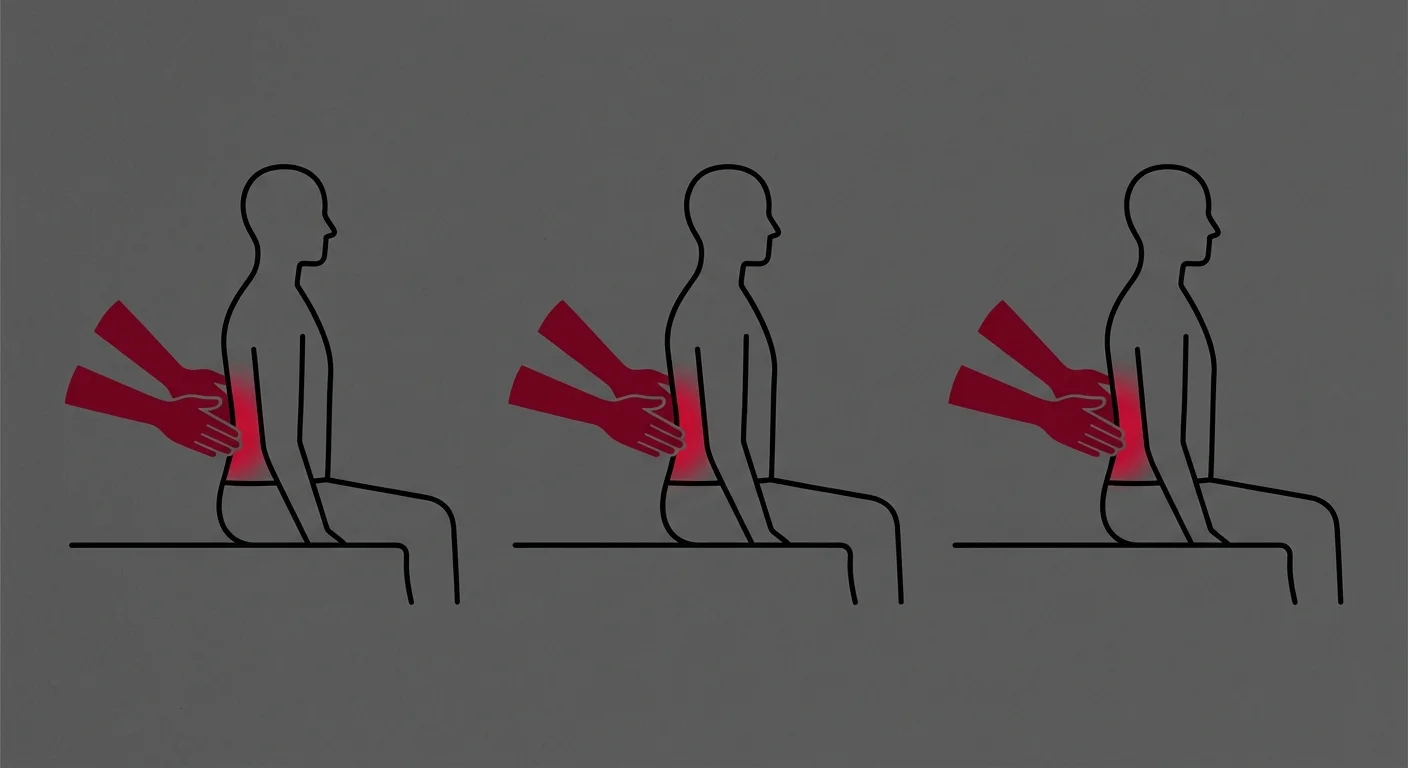
Most chiropractic offices run the same disc protocol on every patient because it's faster, it's easier, and it fits the insurance reimbursement model.
Volume-first practices are set up to maximize the number of patients processed per hour. That means every patient with "lumbar disc herniation" gets the same three steps — doesn't matter if their disc is bulging, herniated, or degenerative. Doesn't matter if the pain's central, lateral, or radiating. Doesn't matter how their body responded last time.
The protocol isn't built for your clinical picture. It's built for their schedule.
The Problem With The Same Protocol On Every Disc Patient
Insurance reimbursement models incentivize retention over recovery. The more visits billed, the more revenue generated — regardless of whether the patient improves.
When a practice is billing based on visit counts instead of clinical outcomes, the incentive is to keep you coming back — not to resolve the root cause. A 12-visit protocol gets written before the assessment's even finished because the goal is retention, not recovery.
Here's what happens when a cookie-cutter protocol runs on a disc patient whose body doesn't match the template: the adjustment temporarily shifts inflammation and reduces pain, but the structural cause stays untouched. The pain comes back in three days. The patient returns for the same adjustment. The cycle repeats until they give up or someone convinces them surgery's the only option left.
That's the clinical definition of failure — and it's standard practice in high-volume chiropractic offices.
At Touch of Wellness Chiropractic, the adjustment is chosen based on what your body showed during the assessment. Not what worked on the last patient. Not what the reimbursement code incentivizes. What your specific disc problem requires.
Cleveland Clinic confirms that chiropractic care focuses on restoring function to the spine's joints to relieve pain and improve mobility — but that only happens when the care is individualized, not when the same protocol is repeated on every patient regardless of presentation.
How This Approach Differs From Spinal Decompression Therapy
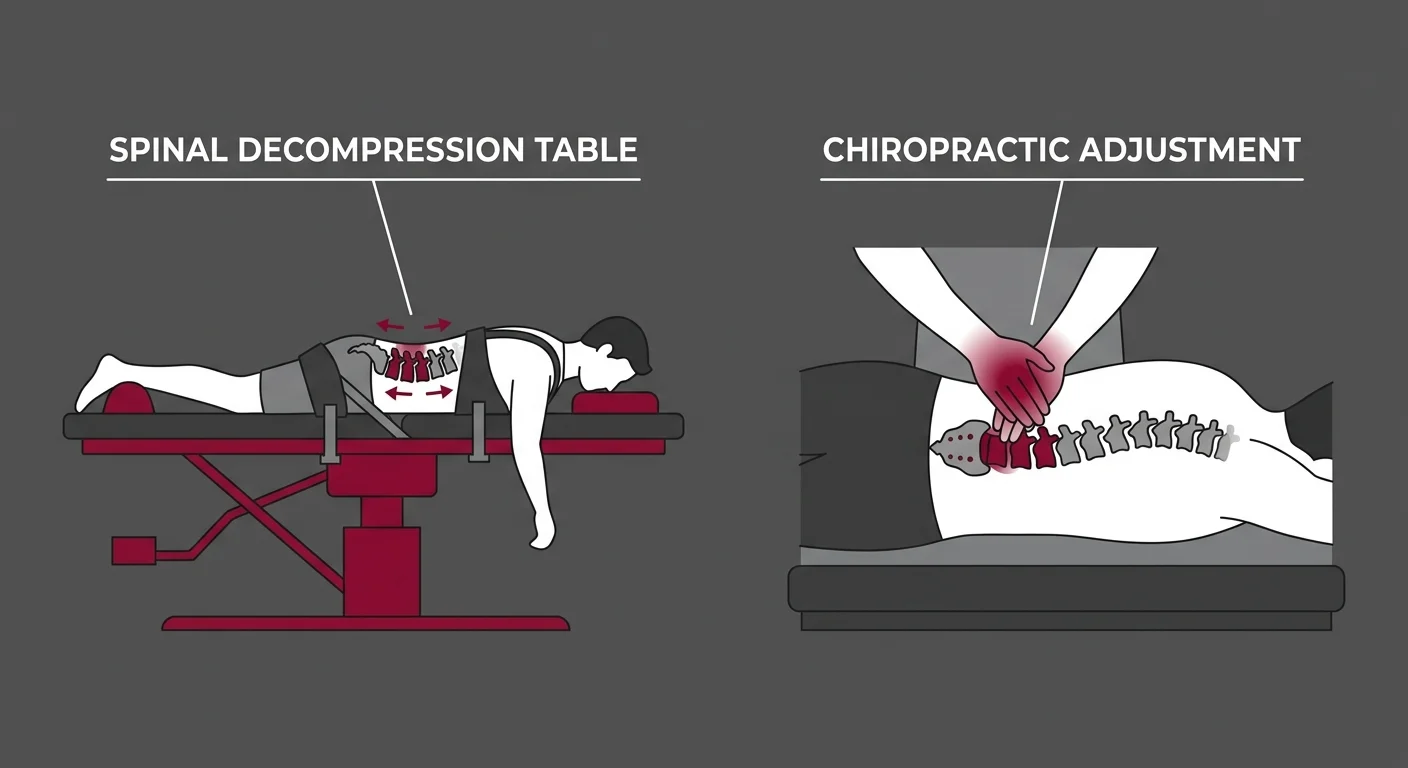
Spinal decompression therapy and chiropractic adjustment both aim to take pressure off the disc — but they do it through completely different mechanisms.
Decompression uses a motorized table to apply controlled traction, mechanically separating the vertebrae to reduce compression on the disc. The goal is to create negative pressure inside the disc space, which can pull herniated material back toward the center and let nutrients flow in.
It's a passive intervention. You lie on the table. The machine does the work.
Chiropractic adjustment is active. It restores mobility to the spinal segments surrounding the disc, removes compensatory restrictions in the joints above and below the injury site, and reestablishes normal nervous system function so the body can heal the disc naturally.
Decompression focuses on the mechanical problem — the compressed disc. Adjustment addresses the system problem — the loss of spinal function and nerve interference that caused the disc to fail in the first place.
Both approaches can be valid. But decompression alone doesn't restore nervous system function. It doesn't address the movement dysfunction that led to the disc injury. And it doesn't teach the body how to stabilize the area so the problem doesn't return.
This practice integrates adjustment with modalities and nervous system restoration because disc pain isn't just a mechanical issue. It's a system failure. And when you treat the whole system — not just the site of pain — recovery's faster and longer-lasting.
That's the difference between non-invasive disc recovery here and decompression-only models.
| Approach | Primary Mechanism | Typical Duration | Nervous System Integration |
|---|---|---|---|
| Spinal Decompression | Mechanical traction to separate vertebrae and reduce disc compression | 20–30 minutes per session | Minimal — focuses on mechanical decompression only |
| Chiropractic Adjustment (this practice) | Restores spinal mobility, removes compensatory restrictions, reestablishes nerve function | 15 minutes per session | High — addresses nervous system disruption as the root cause |
| Hybrid Model (decompression + adjustment) | Combines mechanical decompression with functional restoration | 30–45 minutes per session | Moderate — decompression relieves immediate pressure, adjustment restores system function |
| Physical Therapy for Disc Issues | Strengthening and stabilization exercises to support disc healing | 45–60 minutes per session | Low to Moderate — focuses on muscular support, less on nerve function |
What Happens Between Appointments
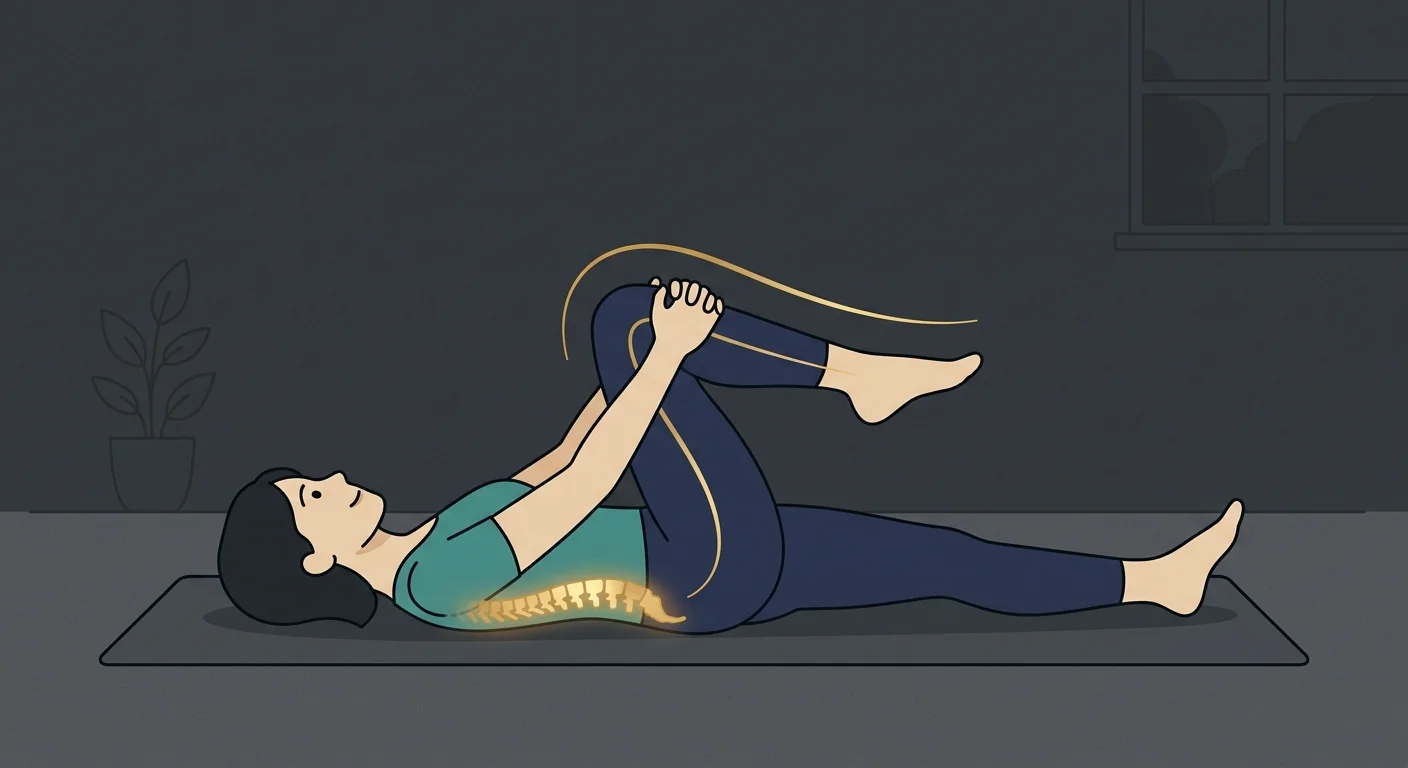
The appointment delivers the clinical intervention — the adjustment, the modality, the immediate correction to the system.
But recovery from a disc injury also requires what you do between visits.
Not as busywork. As reinforcement.
The structural changes made during the adjustment hold better when you're not immediately reversing them with poor posture, repetitive strain, or movements that re-aggravate the injured segment. The stretches, exercises, or activity modifications in your care plan aren't optional add-ons. They're part of the healing process.
Your Care Plan Is Not A Billing Calendar
Some practices hand you a 12-month care plan on the first visit — before the assessment's even finished.
The number of visits is predetermined. The timeline's designed to keep you coming back, not to match your actual clinical needs.
That's the fear-based sales model. And it's ethically indefensible.
Care plans at Touch of Wellness Chiropractic are built on honest, outcome-based projections. After the initial assessment, you'll get a realistic projection of how many visits are likely needed, what kind of improvement to expect, and what the timeline looks like based on similar cases.
But that projection isn't a contract. If you're responding faster than expected, the plan adjusts. If progress stalls, the plan changes. The goal is always to get you to a point where you don't need to keep coming back — not to lock you into a retention schedule that serves the practice instead of your recovery.
That's what your chiropractic care plan looks like here. Built from your clinical reality, not a billing calendar.
If You're Not Seeing Progress, The Plan Changes
If a treatment isn't working and you keep doing it anyway, that's the clinical definition of failure.
Most practices don't operate that way. They run the same protocol for six weeks regardless of whether you're improving. If the pain persists, they add more visits. If the pain worsens, they keep adjusting the same segment with the same technique and hope something shifts.
That's not clinical reasoning. That's hoping repetition will eventually produce a different result.
At Touch of Wellness Chiropractic, if something isn't producing progress after a few visits, it gets reassessed and changed. Not repeated.
The willingness to stop and pivot when a treatment isn't working is the marker of a competent provider — not a weakness.
My Zoology background — whole-body biological systems analysis — gives me a clinical lens most chiropractors don't have. I'm not just looking at the disc. I'm tracking how the entire musculoskeletal and nervous systems are responding to the intervention. When progress stalls, I know where to look next.
That systems-thinking approach is what allows care plans to adapt in real time instead of running on autopilot. It's also what makes it possible to address the root cause of your chronic back pain instead of chasing symptoms.
Research published in the Journal of Manipulative and Physiological Therapeutics (PubMed) shows that chiropractic adjustments provide significant improvement for patients with symptomatic lumbar disc herniation — but only when the treatment is responsive to the patient's progress, not rigidly applied regardless of outcome.
| Week Range | Typical Progress Markers | What You're Doing At Home |
|---|---|---|
| Week 1–2 | Initial pain reduction, improved range of motion in targeted directions, reduced nerve symptoms during specific movements | Avoiding aggravating positions, performing prescribed stretches 2x daily, using ice or heat as directed |
| Week 3–4 | Sustained pain relief lasting longer between adjustments, ability to return to light daily activities without flare-ups | Gradual reintroduction of normal activities, continuing stretches, adding core stabilization exercises if cleared |
| Week 5–6 | Minimal to no pain during routine activities, improved tolerance for prolonged sitting or standing, nerve symptoms resolving | Increasing activity intensity as tolerated, maintaining exercise routine, focusing on posture and movement patterns |
| Week 7–8 | Full return to work and daily activities, pain only with extreme or repetitive strain, nervous system function restored | Transitioning to maintenance exercises, reducing appointment frequency, implementing long-term prevention strategies |
Who This Approach Is Not For
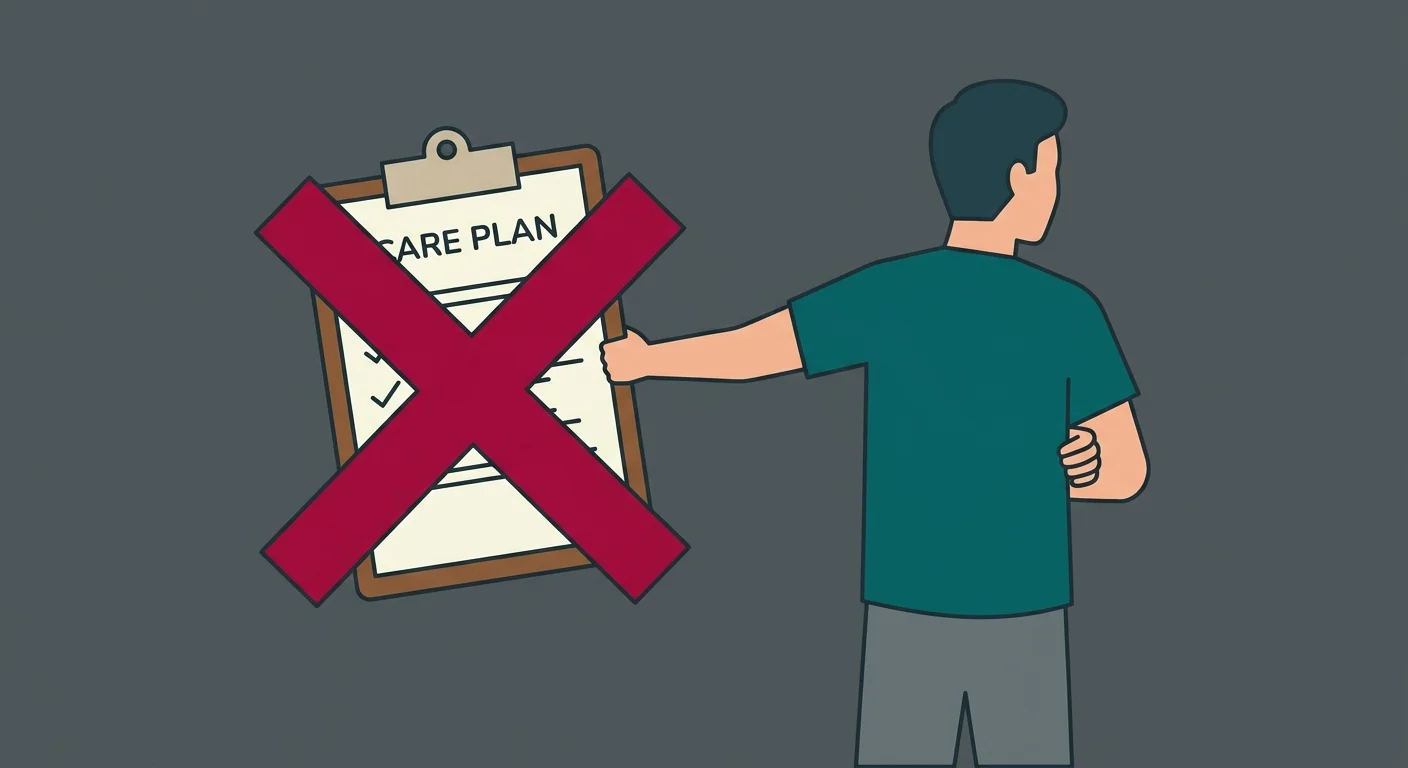
If you're coming in expecting to pick and choose which parts of the care plan to follow while ignoring the rest, this isn't the right fit.
Partial commitment produces partial results.
Recovery from a disc injury requires both clinical intervention and patient follow-through. The adjustment restores function to the spine. The modality accelerates tissue repair. But if you're not doing the stretches at home, not modifying the activities that aggravated the disc in the first place, not showing up for follow-up appointments when the plan says they're needed — you're undermining the work being done in the office.
That's The Plan Picker. And that's not a personality flaw. It's a behavior pattern that doesn't work in this model.
Some people want to show up for adjustments but skip the exercises. Some want the modality but not the lifestyle changes. Some want results without commitment.
That's fine. But it won't work here.
If selective participation is how you approach care, that's important information for both of us before we start. Because when someone only follows half the plan and then blames the treatment when it doesn't work — that's not a failure of the care plan. That's a mismatch in commitment.
This is also not the right fit if you're looking for a provider who'll keep running the same protocol indefinitely regardless of whether it's producing results. If you need someone who won't challenge your approach or change course when something isn't working — there are practices that operate that way. This isn't one of them.
The care here is built around clinical honesty and real outcomes. If that's a problem before we've even started, better to know now.
One more thing: why core strength fails. If you're convinced that strengthening exercises by themselves will resolve a herniated disc without addressing the structural and nervous system dysfunction — that's another mismatch. Core work is part of recovery. It's not the starting point when the disc and nerve are compromised.
Frequently Asked Questions
Is a 15-minute appointment long enough to treat a disc injury?
Yes, because the appointment is hyper-focused on your specific presentation.
It's not about the clock. It's about eliminating wasted steps that don't apply to you.
When every minute is spent on what your body actually needs — based on what the assessment revealed, not a standardized template — 15 minutes is more than enough to deliver focused, effective care.
The practices that take 45 minutes aren't necessarily doing more. They're often spending 30 of those minutes on filler steps that don't move the needle on your specific disc problem. Longer doesn't mean better. Precision does.
Will I need Shockwave Therapy or other modalities for my disc pain?
It depends on what your clinical assessment reveals.
Modalities like Shockwave Therapy or Cold Laser are recommended when they're the right tool to address your specific root cause and accelerate healing. Not as a default add-on. Not because everyone with disc pain gets them.
If the disc is severely inflamed, if scar tissue is preventing healing, if chronic degeneration has compromised the structure — then Shockwave or Cold Laser becomes clinically necessary. The assessment determines whether you need it. Not a sales pitch.
How is this different from spinal decompression therapy?
Decompression focuses on mechanically separating the disc space with controlled traction.
This approach integrates chiropractic adjustment with nervous system function restoration — addressing the whole system, not just the mechanical compression.
Decompression can relieve pressure. But it doesn't restore spinal mobility. It doesn't remove compensatory restrictions in the surrounding joints. And it doesn't address the nerve interference that caused the disc to fail in the first place.
Both can be valid. But addressing the system problem — not just the site of pain — produces faster and longer-lasting recovery.
What can I do at home to prevent my disc pain from returning?
Your care plan will include specific stretches, exercises, or lifestyle modifications tailored to your condition.
These aren't generic handouts photocopied from a manual. They're built to support the structural changes being made in the office and prevent re-injury.
Some patients need core stabilization work. Some need posture corrections. Some need activity modifications to avoid repetitive strain on the healing disc. The recommendations are specific to what your body showed during the assessment — not a one-size-fits-all protocol.
Can chiropractic adjustments make a herniated disc worse?
When performed by a qualified doctor following a thorough assessment, chiropractic adjustments are safe and effective for disc issues.
The techniques used are specific to your condition. The adjustment is selected based on what the assessment revealed about the location, severity, and direction of the herniation. That's not guesswork. That's clinical precision.
The fear often comes from people hearing stories about adjustments gone wrong — usually from providers who skipped the assessment step and ran a generic protocol on a patient whose disc didn't match the template.
That's why the assessment drives everything here. When you know what you're treating and you're using the right technique for that specific presentation, chiropractic adjustment is one of the safest and most effective non-surgical options for herniated discs.
Spine-Health confirms that physical therapy, chiropractic care, and manual therapy are common non-surgical first-line treatments for disc herniations — when applied correctly based on individual assessment.
How many visits does it take to see improvement for disc-related pain?
Every patient's timeline is different.
A realistic projection is provided after your initial assessment. But that projection is based on clinical experience with similar cases — not a predetermined billing calendar.
Most patients see measurable improvement within two weeks. Complex cases — long-standing herniations, multiple compensatory patterns — take longer. The assessment determines which category you're in, not a billing calendar.
The goal is always honest, outcome-based recommendations. Not prolonged, indefinite plans that serve the provider's schedule instead of your recovery.
If you want to know what to expect on your first chiropractic visit, the assessment process walks you through exactly what's happening and why — no surprises, no pressure.
Conclusion
The nervous system runs everything. When a disc injury disrupts that system, pain is just the signal.
The real problem is the loss of function.
What you don't need is another provider who runs the same protocol on every disc patient and calls it care.
If you've been handed a 12-month plan before anyone even assessed what your body was reporting — this is a different conversation.
Efficiency and quality aren't in conflict. Fifteen minutes of focused, individualized care beats 45 minutes of filler every time. The 15-minute standard here isn't about rushing you through. It's about respecting your time by eliminating steps that don't apply to your specific presentation.
If your disc pain has followed you through every standard recommendation — physical therapy that didn't address the nerve issue, pain meds that masked symptoms without fixing the cause, exercises that helped for a week and then stopped working — and you're ready for someone to actually look at what's driving it, that's what this practice does.
Not a cookie-cutter protocol. Not a retention-based care plan. A clinical process built from what your body reports during the assessment and adjusted in real time based on how you respond.
If disc pain is actively interfering with your work, your sleep, or your ability to do the things that define your identity — that's past the threshold of waiting it out.
A chiropractic assessment at Touch of Wellness Chiropractic starts with what you're actually reporting. Not a standard protocol. Not a 12-month plan handed over before the evaluation is finished.
The assessment determines the adjustment. The adjustment restores function. The modalities accelerate healing when they're clinically indicated. And the care plan is built around getting you to a point where you don't need to keep coming back.
If you're in Morton, Peoria, or the surrounding area and want to know what's actually driving your disc pain — find out what your assessment looks like.
Unexplained doesn't mean it's not real. It means no one's looked at the right thing yet.
Copyright Touch of Wellness Chiropractic 2026
1101 W Jackson St, Suite A Morton, IL 61550
Web Design by iTech Valet