
(309) 321-8412 | 1101 W Jackson St, Suite A, Morton, IL 61550
(309) 321-8412 | 1101 W Jackson St, Suite A, Morton, IL 61550
Post-Adjustment Care for Pets: Home Movement Tracking Protocols for Owners
Post-adjustment care for pets is not passive. An animal chiropractic adjustment resets the nervous system — but what happens in the hours and days after determines whether that reset holds or disappears.
The adjustment opens the window. What you do at home determines whether it stays open.
When vertebral restrictions are removed, the nervous system regains communication pathways it had been rerouting around. The body does not instantly abandon its compensation patterns. Restricted spinal segments redistribute mechanical load across limbs, forcing healthy joints and muscles to absorb stress that was never theirs to carry. The adjustment corrects that pattern. The body still has to re-learn it. That re-learning requires a specific window of time — and specific owner behavior during that window.
Structured home movement tracking is how owners protect the work that was done.
This means monitoring stride, weight distribution, and energy levels on a consistent schedule. It means controlling the home environment — surfaces, inclines, leash tension, rest duration. It means logging daily observations so regression is caught early rather than discovered at the next appointment. Home terrain control and movement compliance are the variables that most directly influence whether soft tissue healing progresses or stalls.
Pharmaceutical-first protocols — NSAIDs and pain suppressants — address the symptom without touching the structural cause. The FDA documents significant gastrointestinal, renal, and hepatic risks with long-term NSAID use in companion animals. Masking pain removes the very feedback signal that tells an owner whether the animal is compensating, regressing, or recovering. "My dog seems fine" is not a recovery metric. It is a guess.
Validated tools like the Canine Brief Pain Inventory (CBPI) give owners a structured framework for observing mobility changes across multi-week recovery cycles — the same framework clinical researchers use. No specialized equipment required. Consistency, observation, and a clear understanding of what progress actually looks like.
Last Updated: August 18, 2026
- • What Actually Happens to Your Pet's Body After an Animal Chiropractic Adjustment
- • Why Most Post-Adjustment Protocols Fail Before Day Two
- • The Home Environment Audit: What to Fix Before Your Pet Comes Home
- • The Daily Movement Log: How to Track Stride, Weight-Bearing, and Behavioral Shifts
- • When Movement Data Signals a Regression vs. Normal Soreness
-
• Frequently Asked Questions
- • How soon after an animal chiropractic adjustment can my dog go for a walk?
- • Should I expect my pet to be lethargic or sore after their first chiropractic adjustment?
- • What are the specific red flags of post-adjustment regression in cats?
- • Why is running on hardwood floors dangerous during a pet recovery plan?
- • How do I log daily stride variations without specialized kinetic force plate equipment?
- • Can NSAIDs and animal chiropractic care be used at the same time safely?
- • What Owners Who Track Give Their Pets That Others Don't
What Actually Happens to Your Pet's Body After an Animal Chiropractic Adjustment
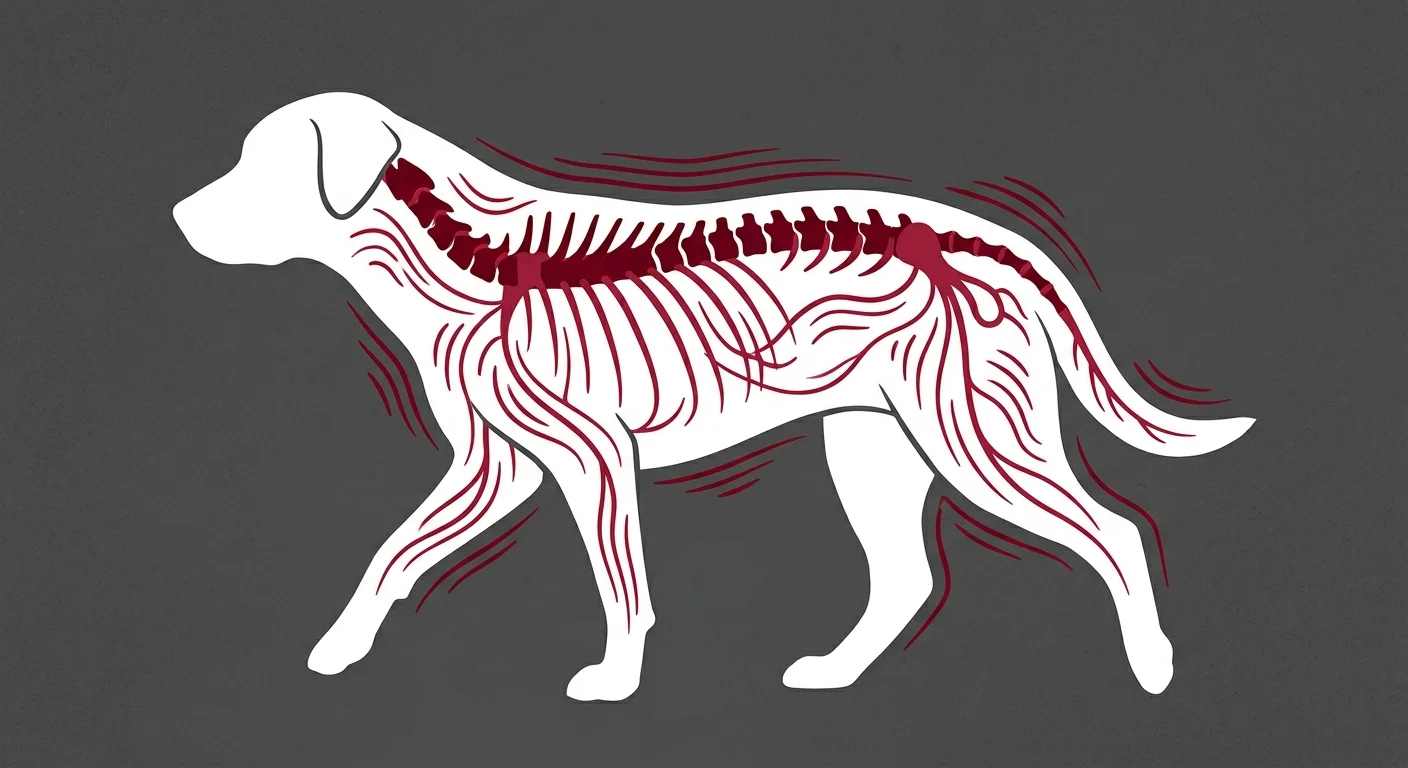
The table isn't the finish line. The moment your pet stands up, the nervous system starts its real work — rewiring joint position, redistributing load, and dismantling months of compensation patterns it built just to survive.
Restricted spinal segments don't just cause local discomfort. They redistribute mechanical load across limbs, forcing healthy joints and muscles to absorb stress that was never meant for them. When an Animal Chiropractic adjustment removes that restriction, the body has to relearn how to move without the compensation. That relearning doesn't happen instantly — and it doesn't happen without the owner's active participation.
Here's the thing: understanding what AVCA certification actually requires tells you exactly how precise the adjustment your pet just received had to be — specific joint angles, controlled thrust forces, calibrated sequencing to avoid micro-trauma. That level of precision created an opening in the nervous system. But precision going in doesn't guarantee precision on the way out. A body that was carefully reset can be carelessly undone.
The 48-Hour Neurological Consolidation Window
The first 48 hours after an Animal Chiropractic adjustment are the Neurological Consolidation Window. This is not a rest period. It's a recalibration period — and what happens during it either locks in the structural correction or starts erasing it.
What's happening in that window isn't passive. The nervous system is actively re-mapping joint position and load distribution — unwinding the compensatory patterns that had been offloading stress onto healthy limbs just to keep the animal functional. That process is fragile. Uncontrolled movement, slick floors, and leash tension beyond the animal's current tolerance can reintroduce the exact stress patterns the adjustment just cleared.
NIH-published research on manual therapy forces makes this concrete: thrust forces that miss the joint's specific tolerance range cause micro-trauma — even when the intent is therapeutic. The adjustment was calibrated to stay inside that tolerance. What the owner does in the next 48 hours determines whether that calibration holds — or gets quietly overridden.
Why the Adjustment Is the Starting Condition, Not the Finish Line
Most owners walk out of the appointment thinking the work is done. It isn't. The adjustment is the starting condition — not the finish line.
The animal chiropractic care framework Dr. Karen Hannah uses is built around this principle: the adjustment creates the opening. What the owner does in the home environment over the following days determines whether that opening becomes lasting functional improvement — or a temporary fix that fades before the next visit. Owners who understand this don't wait for their pet to limp again. They're already watching, logging, and protecting the window.
| Body System | What Changes After Adjustment | What Can Disrupt It at Home |
|---|---|---|
| Nervous System | Joint position signals are being re-mapped after vertebral restriction is removed — the brain is relearning load distribution patterns | Uncontrolled movement, sudden direction changes, and slick surfaces reintroduce stress patterns before re-mapping completes |
| Spinal Musculature | Muscles that had been holding compensatory tension begin releasing — soft tissue starts adapting to the corrected spinal position | Excessive activity, jumping, or stair climbing pulls compensating muscles back into the same shortened, overloaded state |
| Contralateral Limbs | Healthy limbs that were absorbing redistributed mechanical load begin offloading that excess stress as spinal alignment is restored | Hard flooring, abrupt leash tension, and uneven terrain immediately reload contralateral joints before they've stabilized |
| Proprioceptive Pathways | Sensory feedback between joints and the nervous system begins recalibrating — the animal's sense of where its body is in space is actively adjusting | Pain-masking medications suppress the very feedback signals that tell the nervous system whether recalibration is on track |
| Connective Tissue | Ligaments and tendons begin adapting to the corrected mechanical environment — a process that requires stable, low-stress movement | High-impact activity or rough play overloads connective tissue before it has adapted to the new structural baseline |
Why Most Post-Adjustment Protocols Fail Before Day Two
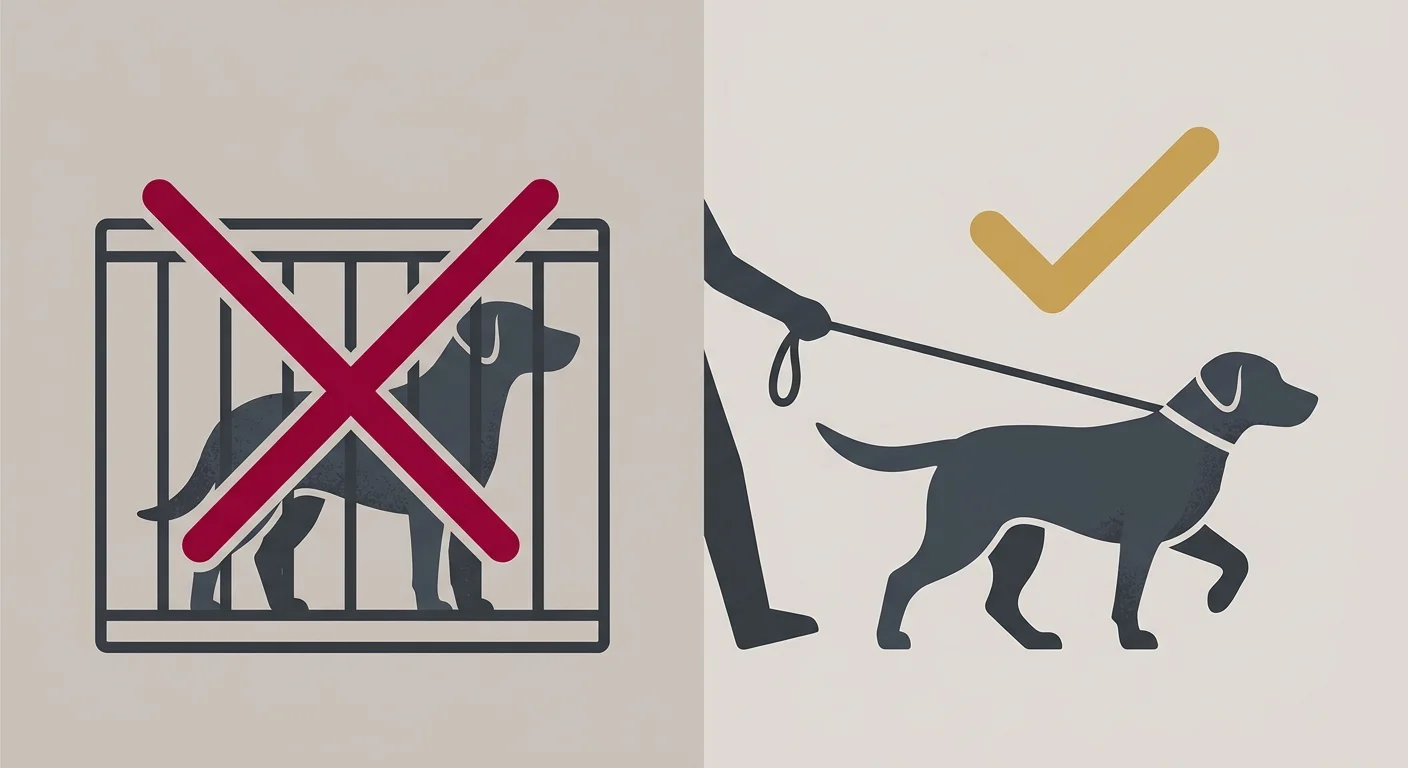
Most post-adjustment protocols don't fail because the adjustment didn't work. They fail because the owner goes home and does exactly what they were doing before.
Two failure modes. First: give the pet an NSAID, watch the pain vanish, and decide recovery is handled. Second: crate the animal and call it rest. Both erase structural progress before it has any chance to consolidate.
Neither approach is tracking anything. Neither is protecting the Neurological Consolidation Window. They're just filling the calendar between visits while the adjustment unravels.
The Pharmaceutical Shortcut That Undoes Structural Work
NSAIDs suppress the pain signal. That's the whole mechanism. And that's exactly the problem.
Pain is feedback. When your pet guards a limb, favors one side, or shortens their stride, that's information — it tells you whether the Neurological Consolidation Window is holding or collapsing. Suppress that signal and you're not managing recovery. You're flying blind.
FDA guidance on pain medicines documents the clinical side-effect profile of NSAIDs in companion animals — severe gastrointestinal ulcers, renal damage, hepatic dysfunction. Those risks are real. But the deeper cost is the one most owners never catch: a pet that appears comfortable is not necessarily a pet that's recovering.
Clinical protocols require stopping NSAID treatment the moment vomiting or appetite loss appears. That's the floor — not the standard. Structural recovery asks for something more: understanding what tracking mobility progress actually looks like when pharmaceutical symptom management isn't doing the observing for you.
The Crate-and-Wait Myth: Why Complete Immobilization Backfires
Complete crate confinement feels responsible. It isn't.
Post-procedural recovery models — including those from Cornell University's companion animal rehabilitation program — prioritize controlled movement over long-term immobilization. The reason is direct: leash-controlled walking promotes targeted joint tissue healing and prevents muscle contractures. When a joint that was just freed from a compensatory load pattern gets immediately locked in a crate, the surrounding musculature doesn't relearn normal movement. It stiffens around the correction.
The adjustment created the opening. Complete immobilization closes it.
Passive range of motion work can support recovery — but only after it's been clinically cleared. Push past the therapeutic joint stress threshold and you undo the precision the adjustment provided. That's not a contradiction. It's a calibration.
Movement is the goal. Uncontrolled movement is the threat. The protocol lives in that distinction.
This Protocol Is Not for Every Owner
This protocol isn't for every owner. That's worth saying plainly.
If you're expecting a one-time adjustment to fix the problem while everything else stays the same, this isn't your framework. If the plan is to give your pet an NSAID, watch them seem better, and call that recovery — that's a different approach. It's one this practice doesn't support.
The home movement tracking protocol demands daily observation, consistent logging, and a willingness to change what's happening in your pet's environment based on what you actually see.
Owners who aren't showing up between visits aren't in a position to protect the work that happens during them. That's not a character judgment. It's a clinical reality.
The Neurological Consolidation Window either gets honored or it gets squandered. Which one happens is entirely up to what the owner does at home.
| Common Post-Adjustment Approach | The Flaw in the Method | What the Research Supports Instead |
|---|---|---|
| Pharmaceutical-first protocol (NSAID only) | Suppresses the pain signal that tells owners whether the animal is compensating, regressing, or recovering — masking symptoms without addressing structural cause | Active owner observation of movement quality, stride symmetry, and weight distribution across all limbs throughout the recovery window |
| Full crate confinement as 'rest' | Immobilization prevents the neuromuscular relearning the adjustment initiated — surrounding musculature stiffens around the correction rather than adapting to it | Leash-controlled, clinically appropriate movement that promotes joint tissue healing and prevents muscle contractures without exceeding therapeutic stress thresholds |
| 'My pet seems fine' as the primary recovery metric | Behavioral comfort is not a reliable indicator of structural consolidation — a pet can appear comfortable while compensatory patterns quietly re-establish | Structured daily logging of observable mobility markers — stride length, weight-bearing consistency, willingness to navigate inclines — tracked against a baseline |
| Waiting for visible decline before intervening | Regression caught at the next clinic visit is regression that has already had days to reverse structural progress — the Neurological Consolidation Window has already closed | Early detection through daily home observation, so environmental corrections happen within the first 48 hours rather than after the fact |
| Treating the adjustment as the endpoint | The adjustment creates the structural opening — what the owner does in the home environment in the days that follow determines whether that opening becomes lasting functional improvement or a temporary fix | Owner-led home movement tracking protocols that protect and extend the work of the adjustment by controlling surfaces, leash tension, rest intervals, and activity level |
The Home Environment Audit: What to Fix Before Your Pet Comes Home
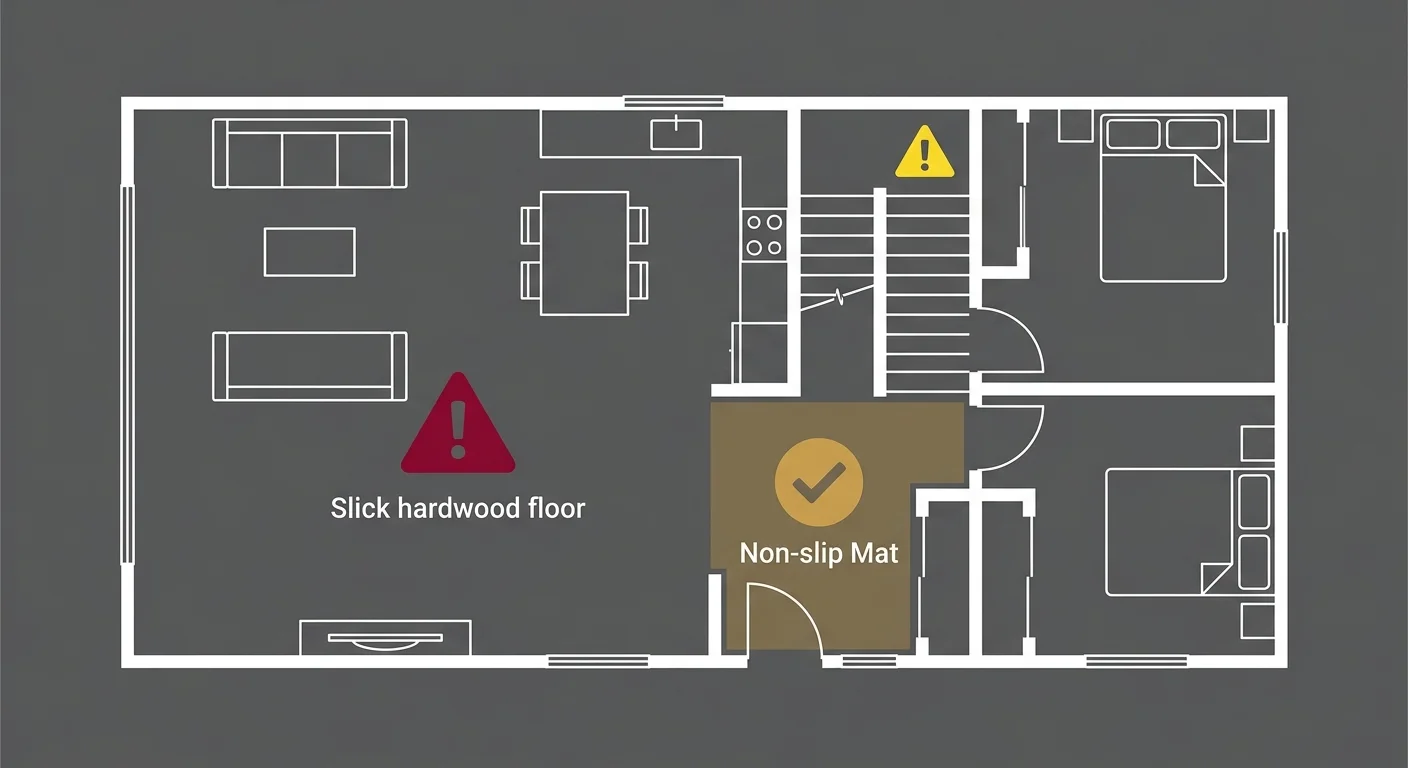
The adjustment was precise. Your home almost certainly isn't.
Before your pet walks back through the front door, run one audit against one standard: does this environment protect the Neurological Consolidation Window, or does it actively work against it?
Slick floors, elevated furniture, uncontrolled leash tension, hard landings — none of these are neutral. They're active threats to a nervous system that's in the middle of relearning how to distribute load.
Canine biomechanical research is direct on this: consistent home terrain controls aren't optional accommodations. They're the variables that determine whether soft tissue healing progresses or stalls.
Every structural correction made during the adjustment lives downstream of what happens inside your home. Walk through the space with that in mind — then change what you find.
Floors, Ramps, and Surface Hazards That Reset Spinal Compensation Loops
Hardwood floors are the single most common environmental factor that undoes Animal Chiropractic progress within 48 hours.
Here's what happens when a pet can't grip the surface: they compensate. Subtly, constantly, and in exactly the patterns the adjustment just cleared. The compensatory load shifts that were stressing healthy limbs don't disappear on their own — they reassert the moment the body has to stabilize on an unpredictable surface.
Yoga mats, interlocking foam tiles, rubber-backed runners across high-traffic routes — these aren't comfort items. They're structural supports.
Ramps matter as much as floors. Jumping on and off furniture — even low furniture — generates impact forces the spine isn't ready to absorb during the Neurological Consolidation Window.
Block access to couches and beds, or install a low-grade ramp with a textured, non-slip surface. Gate the stairs. Leash-assist for the first several days if you have to.
The goal isn't to eliminate movement. It's to eliminate uncontrolled vertical force — the kind that reintroduces the exact load patterns the adjustment removed.
Leash Friction, Collar Pressure, and Movement Restriction Errors
Leash tension is the variable most owners don't think about. It's also the one that does the most damage, fastest.
A pet that lunges, pulls, or gets jerked mid-stride absorbs mechanical forces through the cervical and thoracic spine during the exact window when those structures are consolidating a new movement pattern. Repeated compensation loops triggered by leash friction can delay soft tissue healing and reactivate the structural imbalances the adjustment addressed.
Use a harness instead of a collar during recovery walks. Keep the pace slow and the line loose.
Collar pressure is a separate problem — especially for pets with a history of cervical restrictions. A standard buckle collar concentrates mechanical load directly at the neck on every forward pull.
During the Neurological Consolidation Window, that's not acceptable.
A well-fitted, padded harness distributes pressure across the chest and shoulders and removes that structural risk entirely. These aren't permanent equipment changes. They're recovery-period protocols — and they're the difference between protecting the work that was done and quietly reversing it.
| Home Zone | Common Hazard | Recommended Fix | Priority Level |
|---|---|---|---|
| Floor Surfaces | Slick hardwood, tile, or laminate throughout high-traffic routes | Yoga mats, interlocking foam tiles, or rubber-backed runners across all paths the pet regularly travels | Critical — Address before pet returns home |
| Furniture Access | Unsecured access to couches, beds, and elevated surfaces the pet can jump on or off | Block access entirely or install low-grade ramps with textured, non-slip surfaces at every entry point | Critical — Address before pet returns home |
| Stairways | Open stair access that allows the pet to move between floors without guidance | Gate all stairways or require leash-assisted navigation for every stair transition during the recovery period | High — Implement day one |
| Leash and Collar Setup | Standard buckle collar paired with a fixed-length leash that allows forward lunging or sudden jerking forces | Switch to a padded, well-fitted harness that distributes pressure across the chest and shoulders; use a loose, controlled line at all times | High — In place before first recovery walk |
| Outdoor Walk Route | Uneven terrain, gravel, or surfaces that require constant lateral balancing and foot placement adjustments | Select a flat, predictable surface for all recovery walks; keep pace slow and duration short through the Neurological Consolidation Window | Standard — Plan route in advance |
| Rest Area | Soft, unsupported bedding that allows the spine to sink into misaligned positions during rest | Firm, supportive sleeping surface at floor level — no elevation — that keeps the spine in a neutral position between movement sessions | Standard — Set up before pet arrives home |
The Daily Movement Log: How to Track Stride, Weight-Bearing, and Behavioral Shifts
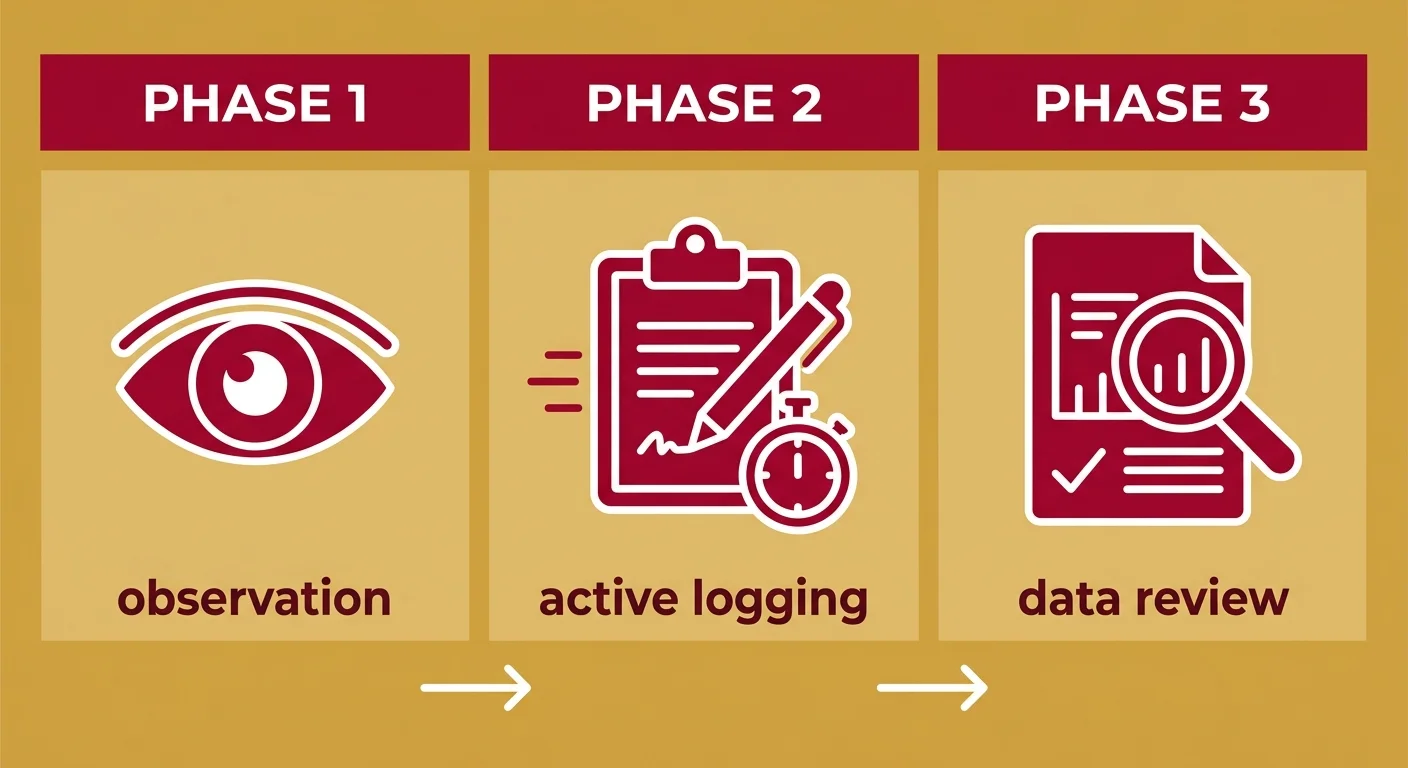
Locking down the environment buys you the conditions. Now you have to actually use them.
Most owners work from an impression. "She seems better." "He's still a little stiff." That's not data. That's a feeling — and feelings don't tell the next appointment whether the Neurological Consolidation Window held, whether structural progress is building, or whether the adjustment is compounding toward lasting change or quietly reversing.
NIH-indexed rehabilitation research is unambiguous on this: structured mobility indexes — not owner impressions — are what drive reliable assessment of structural progress across multi-week recovery cycles. The Canine Brief Pain Inventory (CBPI) exists because home monitoring has to produce something a clinician can actually verify at follow-up. Your daily log is the bridge between what you see at home and what the next appointment can act on.
Phase 1 — Neurological Consolidation Window: Days 1 and 2
Days 1 and 2 are the Neurological Consolidation Window. Your role here is observer. Not tester.
Don't stress-test the adjustment. Don't take your pet on a long walk to see how they do. Don't let them run the yard to burn off energy. The nervous system is recalibrating right now — your job is to watch without adding variables that muddy the signal. Log what you see. Don't create new data by testing the limits of what they can handle.
Watch how your pet rises from rest. Note whether they favor a limb during the first few steps after lying down. Observe which direction they naturally turn their head without being prompted. These are your baseline behaviors — the ones the Neurological Consolidation Window either stabilizes or disrupts. Write them down. Time-stamp them. Consistent terrain controls during this phase are what let soft tissue healing begin before compensatory patterns have a chance to reassert.
Phase 2 — Active Tracking: Days 3 Through 14
Day 3 is where watching ends. Active Tracking is where you become the data collector.
Three things get logged daily: stride symmetry, weight-bearing distribution, and behavioral mood markers. Stride symmetry means watching whether all four limbs cycle evenly — or whether one leg is shortening its swing to offload a joint. Weight-bearing means watching where your pet plants their paws when they stop: are they shifting their hips, dropping a shoulder, or standing square? Behavioral markers are appetite, willingness to engage, and rest posture. Compensation shows up in behavior before it shows up in the stride. That's the window where it's still correctable.
Here's why the behavioral markers matter so much: when pain is masked, they disappear. Understanding the hidden risks of long-term NSAID dependency makes clear that pharmaceutical symptom management doesn't just suppress pain — it suppresses the exact signals that tell you whether the structural problem is compounding. The individualized care plans built at Touch of Wellness Chiropractic are designed to use owner-logged Active Tracking data to guide what the next appointment actually addresses. That loop only closes if the data exists.
Phase 3 — Progress Verification: The Pre-Appointment Data Review
The 24 hours before the follow-up appointment aren't prep time. They're the data review that makes the next adjustment more precise than the last one.
Pull the full Active Tracking log and look for trends — not isolated snapshots. Did stride symmetry improve from Day 3 to Day 10 and then plateau? Did weight-bearing shift toward equal distribution, or is one limb still being favored? Clinical research on canine mobility tracking is explicit: home monitoring across 14 to 28-day study durations is designed to be matched against objective clinical assessment at follow-up — because that pairing is what separates structural progress from temporary pain relief. Owners who track give the next appointment a starting point. Owners who don't give it a guess.
| Tracking Marker | What to Observe | How to Log It | Phase |
|---|---|---|---|
| Stride Symmetry | Watch whether all four limbs cycle evenly through the gait — or whether one leg shortens its swing to offload a joint | Note which limb (if any) shortens or hesitates; record morning vs. after-activity observations separately | Active Tracking (Phase 2) |
| Weight-Bearing Distribution | Watch where your pet plants their paws when they stop moving — are they shifting their hips, dropping one shoulder, or standing square? | Describe stance posture at rest using consistent reference points: square, hip-shifted left, shoulder-dropped right | Active Tracking (Phase 2) |
| Rise-From-Rest Behavior | Note how your pet gets up after lying down — hesitation, favoring a limb in the first few steps, or smooth equal-weight loading | Log immediately after the pet rises; first-steps behavior is the clearest early indicator of structural consolidation | Neurological Consolidation Window (Phase 1) |
| Head Turn Preference | Watch which direction your pet naturally turns their head during movement and at rest — asymmetry signals cervical restriction persisting | Record preferred turn direction daily; improvement shows as both directions becoming equally fluid | Neurological Consolidation Window (Phase 1) |
| Behavioral Mood Markers | Track appetite, willingness to engage with surroundings, posture during rest, and response to being touched along the spine | Rate engagement on a simple low-medium-high scale; note any behavioral changes relative to the prior day | Active Tracking (Phase 2) |
| Trend Consolidation | Review all logged markers over the full tracking period and identify whether improvements are holding, plateauing, or reversing | Pull notes from the full Active Tracking period and compare Day 3 observations against final-day observations before the follow-up appointment | Progress Verification (Phase 3) |
When Movement Data Signals a Regression vs. Normal Soreness
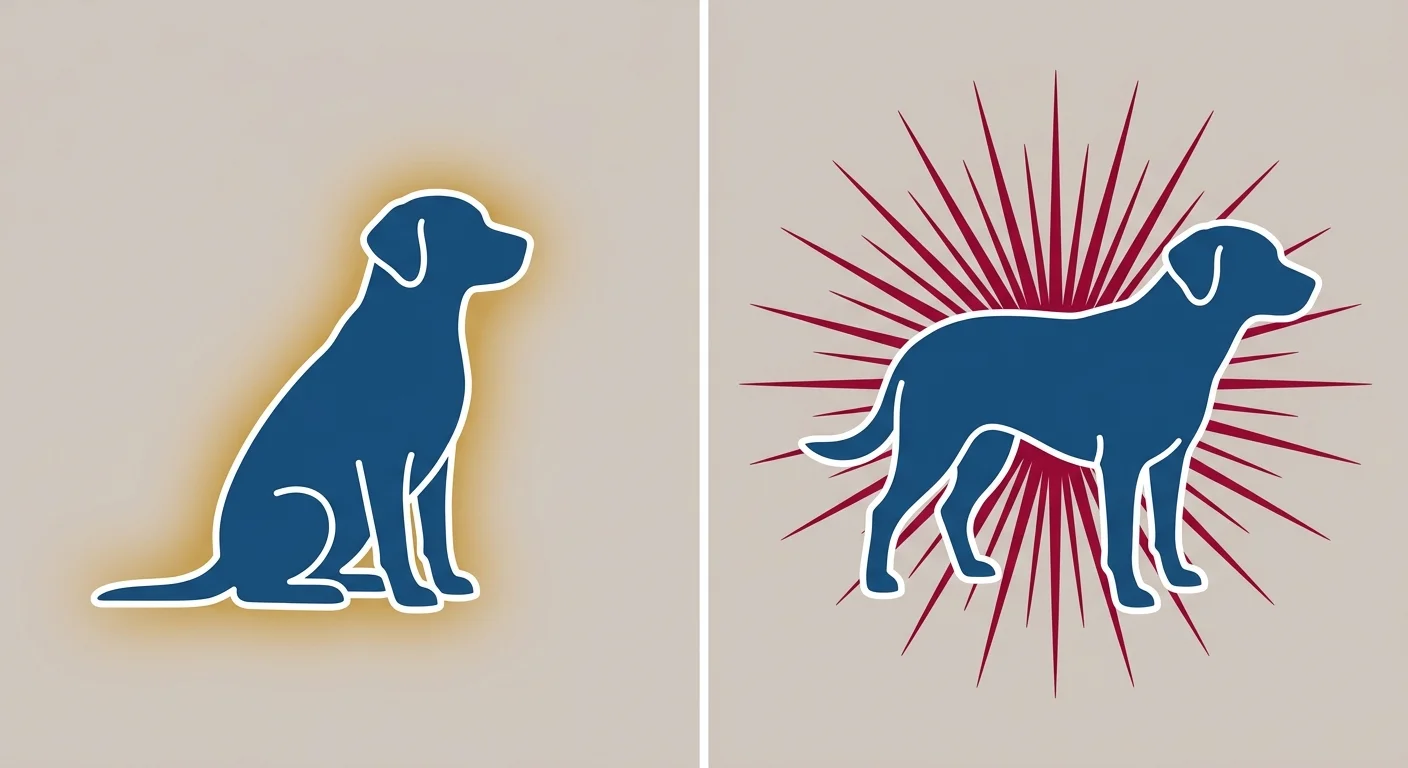
Tracking data means nothing if you can't read it.
Post-adjustment soreness is real. It's not a failure signal — it's confirmation that the nervous system and surrounding soft tissue are responding to a structural change.
What owners get wrong is the distinction. A temporary response that resolves on its own looks almost identical to a regression pattern in the first 24 hours. Miss that distinction and you're either pulling your pet off a recovery that's working or watching a correctable setback turn into a structural problem. Neither mistake is harmless.
What you log in the days after the adjustment tells you whether the window stayed open. Here's how to read it.
Reading the Difference: Expected Adjustment Response vs. Warning Signs
A normal adjustment response has a recognizable shape. Mild stiffness or reduced activity in the first 24 to 48 hours. A measurable improvement in stride symmetry and willingness to move by Day 3 or Day 4.
Your pet may sleep more during the Neurological Consolidation Window. They may skip play entirely. That's not regression — that's consolidation. The nervous system is doing exactly what it's supposed to do.
Don't intervene. Watch.
Warning signs don't follow that shape. They don't resolve by Day 3. They don't plateau — they worsen.
Watch your Active Tracking log for these: increased guarding of a specific limb that wasn't guarded before the adjustment. New or escalating vocalization during normal movement. Refusal to bear weight on a limb that was weight-bearing at the start of the recovery window. A pronounced posture shift — head tilting, back rounding, hip dropping — that appears or deepens after Day 2.
AVCA clinical standards are explicit: thrust forces must match specific joint angles to prevent micro-injury. Any response suggesting the tissue didn't tolerate the adjustment needs clinical evaluation before the next session. Not a wait-and-see approach.
The variable that matters most isn't how bad the symptom looks. It's which direction the data is moving.
Normal soreness moves toward resolution. Regression moves away from it.
If your Active Tracking log shows stride symmetry improving from Day 3 onward, behavioral markers stabilizing, and weight-bearing shifting back toward equal distribution — the Neurological Consolidation Window held. If warning signs are consistent across two or more consecutive tracking days, that's not soreness. That's a signal worth acting on before the scheduled follow-up.
When to Contact Your Animal Chiropractic Provider Before the Next Scheduled Visit
When the data says don't wait, don't.
Most owners hesitate to call between appointments. They don't want to overreact. That hesitation is understandable — and it's exactly how a correctable regression becomes a structural setback.
The log exists so the call isn't based on a gut feeling. If your Active Tracking data shows consistent deterioration across two or more consecutive days after the Neurological Consolidation Window closes, that data warrants a call. Not a text to a friend. Not another day of hoping it resolves.
Controlled movement outperforms prolonged restriction during recovery. But that calculus changes the moment movement itself starts generating new compensation patterns. The log tells you which situation you're in.
The owners who give their pets a real shot at full function aren't the ones who wait and hope.
They track. They read the data honestly. And they make the call when the data says to — not when they finally can't ignore it anymore. That's not overreacting. That's what the recovery window was built for.
The adjustment opens the window. What you do at home is what determines whether it stays open. Owners who understand that are the ones whose pets stop cycling through the same structural problem month after month.
| Observed Sign | Normal Adjustment Response | Regression Warning — Contact Provider |
|---|---|---|
| Stiffness on rising from rest | Present in first 24–48 hours, noticeably reduced by Day 3 or 4 | Stiffness persists or worsens after Day 3 — doesn't trend toward resolution |
| Activity level and willingness to engage | Temporarily reduced during Neurological Consolidation Window, rebounds as consolidation completes | Continued disengagement or withdrawal past the Neurological Consolidation Window close |
| Limb guarding or favoring | Mild and non-specific in first 48 hours, resolves as tissue responds | New guarding of a limb not favored before the adjustment, or guarding that deepens after Day 2 |
| Vocalization during movement | Absent or no different from pre-adjustment baseline | New or escalating vocalization during routine movement that wasn't present before |
| Weight-bearing distribution | Shifts gradually toward equal distribution across all limbs by end of Active Tracking | One limb consistently offloaded across two or more consecutive Active Tracking days |
| Posture during rest and standing | Stable or improved compared to pre-adjustment baseline | New head tilt, back rounding, or hip drop that appears or deepens after Day 2 |
| Stride symmetry across the gait cycle | Measurably improving from Day 3 onward through Active Tracking | Stride asymmetry plateaus or worsens — one limb shortening its swing across consecutive logs |
Frequently Asked Questions
The protocol gives you the framework. But recovery doesn't follow a tidy schedule — and some questions show up at 11pm, when your pet is doing something unexpected and you need a real answer fast.
These are the questions owners ask most after an Animal Chiropractic appointment. They're specific, they're practical, and getting them wrong is how a good adjustment turns into a stalled recovery.
How soon after an animal chiropractic adjustment can my dog go for a walk?
Leash-controlled walking is the right call — and it's actually preferable to full crate rest. Controlled movement promotes targeted joint tissue healing. Complete immobilization lets the surrounding musculature stiffen around the correction instead of relearning how to move without it.
What it can't look like: off-leash running, stairs, jumping, or any terrain that forces compensatory loading. A short, flat, leash-guided walk on consistent ground within the first 24 hours supports healing without overriding the adjustment.
Keep it brief. Keep it controlled. The goal isn't exercise — it's gentle joint loading and movement data.
Should I expect my pet to be lethargic or sore after their first chiropractic adjustment?
Yes — and it's not a problem. Mild stiffness, reduced activity, and increased sleep in the first 24 to 48 hours are normal consolidation responses. The nervous system and surrounding soft tissue are responding to a structural change. That's the Neurological Consolidation Window doing exactly what it's supposed to do.
What you're watching for is the direction of travel. Do those signs resolve by Day 3? Normal. Do they deepen — stiffness worsening, guarding appearing, vocalization increasing? That's a different signal entirely.
Don't suppress it with an NSAID to see if it clears. Log it. If it's still there on Day 3, make a clinical call.
What are the specific red flags of post-adjustment regression in cats?
Cats are subtler than dogs. The red flags aren't loud — they're behavioral, and easy to miss if you're not watching deliberately.
Watch for grooming avoidance on a specific region of the body. Watch for increased hiding or social withdrawal. Watch for refusal to jump to surfaces the cat was using before the adjustment, and any postural asymmetry — a persistent head tilt, uneven hip height at rest.
Feline gait compensation shows up in the back legs first: a shortened stride or a slight hop-step on one side that wasn't there before. If any of these appear after the Neurological Consolidation Window closes and persist across two or more consecutive Active Tracking days, that's regression. Not soreness. Act on it.
Why is running on hardwood floors dangerous during a pet recovery plan?
Slick surfaces force compensatory loading — immediately and repeatedly. When a dog can't plant their paws with full traction, they redistribute weight across their limbs to stabilize. That redistribution directly counteracts the structural correction the adjustment produced.
It's not just a fall risk. It's a biomechanical reset in the wrong direction. Compensatory adaptations that should be resolving get reinforced with every step taken on an unstable surface.
During Active Tracking, home terrain has to be controlled — rugs, yoga mats, rubber-backed runners across high-traffic routes. Not for comfort. Because the movement data you're collecting needs to reflect structural progress, not surface-driven compensation.
How do I log daily stride variations without specialized kinetic force plate equipment?
You don't need equipment. You need consistent observation conditions and a written log.
Watch your pet walk the same stretch of floor at the same time each day — ideally first thing in the morning after rising from rest, when compensation patterns are most visible. Note whether all four limbs are cycling evenly, whether one leg is shortening its swing, and where your pet shifts their weight when they stop.
Clinical mobility research formalizes this with validated instruments like the Canine Brief Pain Inventory (CBPI). The home version is simpler: write down what you see, time-stamp it, and track it across days. A 14 to 28-day window tells you more than any single observation. Consistency of conditions is what makes the data readable — not the sophistication of the tools.
Can NSAIDs and animal chiropractic care be used at the same time safely?
That's a clinical question the prescribing veterinarian has to answer. But here's what you need to understand about the recovery picture: NSAIDs mask pain signals. And pain signals are the behavioral markers you're tracking during Active Tracking — appetite, willingness to engage, guarding behaviors. When pain is pharmacologically suppressed, compensation patterns can deepen without the visible cues that would normally flag them.
FDA guidance on pain medicines for companion animals documents the side-effect profile clearly: gastrointestinal ulcers, renal damage, hepatic dysfunction. Clinical protocols require immediate cessation if vomiting or appetite loss appears. That's the floor, not the standard.
If your pet is currently on NSAIDs, disclose that at the Animal Chiropractic appointment. The care plan has to account for what the pharmaceutical layer is masking — because if it doesn't, the Active Tracking data you're logging isn't telling the full story.
What Owners Who Track Give Their Pets That Others Don't
The adjustment opened a window. Not a metaphor — a literal neurological window where the nervous system decides whether to consolidate the correction or snap back to the compensation pattern it already knows.
Every logged stride is a vote. Every posture note is a data point. Every honest entry in the Active Tracking record is the owner doing the clinical work that makes the window worth anything.
Owners who track don't just observe recovery. They build it.
Here's what gets lost when owners skip the protocol: not just data. The pet's shot at full function.
The pharmaceutical-first model masks the behavioral signals that show whether structural progress is holding. The crate-and-wait approach eliminates the movement data that makes Progress Verification mean anything. Both approaches send owners into the follow-up appointment starting from zero — no record, no baseline, no evidence that anything changed.
Owners who track arrive with evidence. That's the difference between a care plan that builds and one that repeats the same correction indefinitely, because no one captured what happened between appointments.
No prescription replicates that. Dr. Karen Hannah's Zoology-informed approach to Animal Chiropractic treats the recovery window as a clinical asset — not an afterthought. The Neurological Consolidation Window, Active Tracking, and Progress Verification aren't bonus steps for motivated owners. They're what turns a single adjustment into a structural outcome that holds.
Owners who do this work give their pets something real: a genuine second chance at full function, built on data instead of hope.
The adjustment opens the window. What you do at home determines whether it stays open — and the owners who understand that are the ones whose pets stop cycling through the same structural problem month after month.
The adjustment opens the window. What happens in your home in the next 72 hours determines whether that window holds or closes. That protocol shouldn't be something you're Googling after the appointment. At Touch of Wellness Chiropractic, the home movement tracking framework is built into the care plan before your pet leaves the room — so the Neurological Consolidation Window gets protected, not left to chance.
Copyright Touch of Wellness Chiropractic 2026
1101 W Jackson St, Suite A Morton, IL 61550
Web Design by iTech Valet