
(309) 321-8412 | 1101 W Jackson St, Suite A, Morton, IL 61550
(309) 321-8412 | 1101 W Jackson St, Suite A, Morton, IL 61550
Maintaining Mental Clarity and Energy After a Stress Recovery Session
Mental clarity and sustained energy after a stress recovery session depend on whether the nervous system actually shifted out of fight-or-flight — or just got a temporary break from it.
The sympathetic nervous system controls the stress response. When it activates, physiological resources redirect away from cognitive function — focus, decision-making, and sustained energy get deprioritized in favor of immediate survival output. Chronic stress keeps that activation running in the background. Breathing exercises and relaxation techniques don't change the underlying biology driving it.
This is a clinical question. Not a lifestyle one.
Spinal adjustments alter somatosensory processing in the brain and shift autonomic output toward parasympathetic dominance — the biological state responsible for recovery, digestion, and cognitive restoration. Heart rate variability data confirms this shift is measurable, not subjective. But the shift requires reinforcement. The nervous system doesn't permanently recalibrate after a single session — it needs consistent input to hold the new baseline.
Maintaining clarity and energy after a session means supporting the conditions that allow parasympathetic function to persist: sleep quality, movement patterns, and input load. These determine whether the nervous system stays in recovery mode or gets pulled back into overdrive. Chronic sleep deprivation is directly linked to systemic inflammation and metabolic dysfunction — which means poor sleep after a session actively works against the clinical progress made in it.
Burnout — recognized in the ICD-11 as an occupational phenomenon defined by energy depletion and reduced cognitive efficacy — is what happens when the nervous system runs in fight-or-flight long enough without adequate recovery. Post-session maintenance isn't optional for people operating at that threshold. It's the difference between a session that holds and one that fades by the next morning.
Last Updated: June 22, 2026
- • Why Mental Clarity Fades After a Stress Recovery Session
- • How Spinal Adjustments Shift Autonomic Output
- • What Happens to Your Body in the 24–48 Hours After a Session
- • Practical Steps to Extend Mental Clarity and Energy After Each Session
-
• Frequently Asked Questions
- • How does a nervous system reset differ from a standard massage for stress?
- • Can chiropractic care help with mental clarity and cognitive focus?
- • Why do I feel temporarily fatigued after my first spinal adjustment?
- • How often should I schedule stress recovery sessions to maintain consistent focus?
- • What are the immediate steps to maintain energy after a stress recovery session?
- • The Biological Reset You Actually Need
Why Mental Clarity Fades After a Stress Recovery Session
The session felt good. So why does the mental edge disappear before lunch?
That's not a willpower problem. It's a biology problem — and it starts with what the nervous system is actually doing under sustained stress.
Think of an engine running on the wrong fuel. It moves. It gets through the day. But it never runs clean — because the underlying conditions haven't changed.
A nervous system stuck in fight-or-flight works exactly the same way.
The Sympathetic Overdrive Problem
When fight-or-flight fires, NIH research confirms the body redirects physiological resources immediately. Epinephrine spikes. Heart rate climbs. The brain's capacity for sustained analytical thinking gets deprioritized in seconds — because the body isn't trying to help you think. It's trying to keep you alive.
Chronic stress doesn't shut that response off between triggers. It keeps the HPA axis at a low simmer — not a full alarm, but never fully off either.
A recovery session can shift the nervous system toward parasympathetic function. But if the conditions driving sympathetic overdrive stay in place, the system drifts back. That's not a failure of the session. That's physiology.
Here's what most providers never explain: the session creates a window. For anyone pursuing nervous system stress recovery in Morton, what happens inside that window is the whole question. It determines whether clarity holds through the afternoon — or collapses before it starts.
Why Generic Relaxation Templates Miss the Real Target
Breathing exercises. Warm baths. Guided meditation. These address the surface experience of stress. They don't reach the biological control center driving it.
The WHO's ICD-11 formally classifies burnout as an occupational phenomenon defined by energy depletion and reduced professional efficacy. Not a mindset issue. Not a motivation gap. A physiological state.
Treating it with a relaxation template is like treating a fuel-system problem with an air freshener.
Assembly-line stress protocols skip the assessment entirely. Every patient gets the same sequence regardless of how their nervous system is actually presenting.
That's not care. That's a template applied to a biological system it was never built to address. Root-cause chiropractic adjustments work differently — the clinical picture drives the approach, not a preset protocol.
Mental clarity that holds past noon isn't a bonus from a good session. It's the measurable result of a nervous system that got an accurate, individualized input — not a generic one.
| Stress Response Stage | Physiological Effect | Impact on Cognitive Function | Recovery Requirement |
|---|---|---|---|
| Acute stress trigger | Epinephrine release spikes heart rate and blood pressure within seconds | Analytical thinking and sustained focus are immediately deprioritized | Remove or reduce the trigger; allow the nervous system to complete the stress cycle |
| Chronic sympathetic activation | HPA axis stays elevated in the background — no clear off switch between triggers | Cognitive baseline degrades over time; mental endurance shortens session by session | Targeted clinical input to shift autonomic output toward parasympathetic dominance |
| Post-session drift | Nervous system begins reverting toward sympathetic overdrive when reinforcing conditions are absent | Clarity gained in-session fades within hours; energy dips return by afternoon | Consistent sleep quality, movement patterns, and reduced input load to hold the new baseline |
| Burnout threshold | Energy depletion becomes a persistent physiological state, not an occasional bad day | Reduced professional efficacy and increased mental distance from tasks — even low-demand ones | Individualized care plan addressing the nervous system's actual presenting state, not a generic protocol |
| Recovery window (post-adjustment) | Autonomic output shifts measurably toward parasympathetic function immediately after a precise adjustment | Cognitive restoration and sustained focus become accessible — if the window is supported correctly | Reinforce the window with the specific behavioral and clinical inputs the assessment identifies |
How Spinal Adjustments Shift Autonomic Output
Here's what actually changes. A spinal adjustment delivers a direct, measurable input to the nervous system — not a suggestion, not a relaxation cue. A clinical signal that shifts autonomic output at the biological level.
That shift isn't abstract. Published NIH findings confirm that HRV parameters move toward parasympathetic dominance following a manual adjustment — the biological state tied to cognitive restoration, recovery, and sustained focus. That's the difference between a session that holds through the afternoon and one that fades before dinner.
The vagus nerve is the pathway. The post-adjustment response shows a direct regulatory connection to it — which is why the downstream effects reach well beyond the spine. This isn't about loosening tight muscles. It's about resetting the control center that decides how the body distributes its energy.
The HRV Connection: What the Research Shows
Heart rate variability isn't a wellness buzzword. It's the most reliable objective marker of autonomic balance clinicians actually use. The variation between heartbeats shows how readily the nervous system can switch between fight-or-flight and recovery states.
When HRV is low, the system is stuck. It can't shift efficiently. That's not a feeling or a mood — it's the measurable biological signature of chronic stress.
After a spinal adjustment, HRV parameters shift toward parasympathetic dominance. The engine gets the right fuel. Not as a temporary sensation — as a structural correction to what the system is capable of running on. That's the experience patients describe when they say something works after a session that didn't before — and why they notice exactly when the tank runs low again.
Cortical Processing and Reaction Time After an Adjustment
The cortical effects are just as direct. Spinal adjustments alter somatosensory processing — the brain's interpretation of physical input from the body. Clinical trials show measurable changes in joint position sense accuracy after an adjustment.
What that means in practice: the brain's map of the body becomes more accurate. Reaction times improve. Processing efficiency increases. For patients whose stress load has been degrading cognitive performance, this is the mechanism behind the clarity they report after a session — and why chiropractic care for mental clarity and cognitive focus is a direct, documented outcome of spinal work, not a secondary benefit.
NIH-published research on cortical silent periods shows adjustments alter the brain's own regulatory signals — not just the peripheral structures of the spine. That's the line between a session that produces temporary relief and one that changes what the nervous system does next.
Who This Isn't For
Not everyone is the right fit for this. That's not a disclaimer — it's just honest.
If you're coming in expecting the exact sequence your last provider used — and you need that replicated before you'll follow a different clinical lead — this isn't the right fit. The assessment drives the care plan here. Every time. That's not a policy preference. It's the only way an individualized input can actually be individualized.
If you're willing to suspend judgment long enough to let the clinical picture drive the approach, the autonomic shift is real, measurable, and reproducible. But if the decision's already made before the first session ends, the nervous system won't get the accurate input it needs. And neither will you.
| Autonomic Marker | Pre-Adjustment State | Post-Adjustment Shift | Clinical Significance |
|---|---|---|---|
| Heart Rate Variability (HRV) | Low variability — system locked in sympathetic dominance, unable to shift efficiently between states | HRV parameters shift toward parasympathetic dominance following adjustment | Objective marker of restored autonomic balance; reflects the nervous system's capacity for cognitive recovery and sustained focus |
| Vagus Nerve Regulation | Suppressed — parasympathetic output limited under chronic sympathetic load | Post-adjustment response demonstrates a direct regulatory connection to the vagus nerve | Downstream effects extend beyond the spine into systemic recovery, digestion, and cognitive restoration pathways |
| Autonomic Output Direction | Sympathetic overdrive — physiological resources redirected away from cognitive systems | Autonomic output shifts measurably toward the parasympathetic state associated with recovery and restoration | Clinical shift is measurable, not subjective — confirmed by HRV data following manual adjustment |
| Cortical Somatosensory Processing | Degraded — chronic stress load impairs the brain's accurate mapping of physical input from the limbs | Adjustments alter cortical somatosensory processing of input from the limbs | Brain's body map becomes more accurate; forms the direct neurological basis for improved mental clarity post-session |
| Joint Position Sense Accuracy | Reduced — proprioceptive feedback compromised, contributing to degraded processing efficiency | Clinical trials show notable changes in joint position sense accuracy post-adjustment | Improved proprioceptive accuracy correlates with faster reaction times and more efficient cognitive processing |
What Happens to Your Body in the 24–48 Hours After a Session
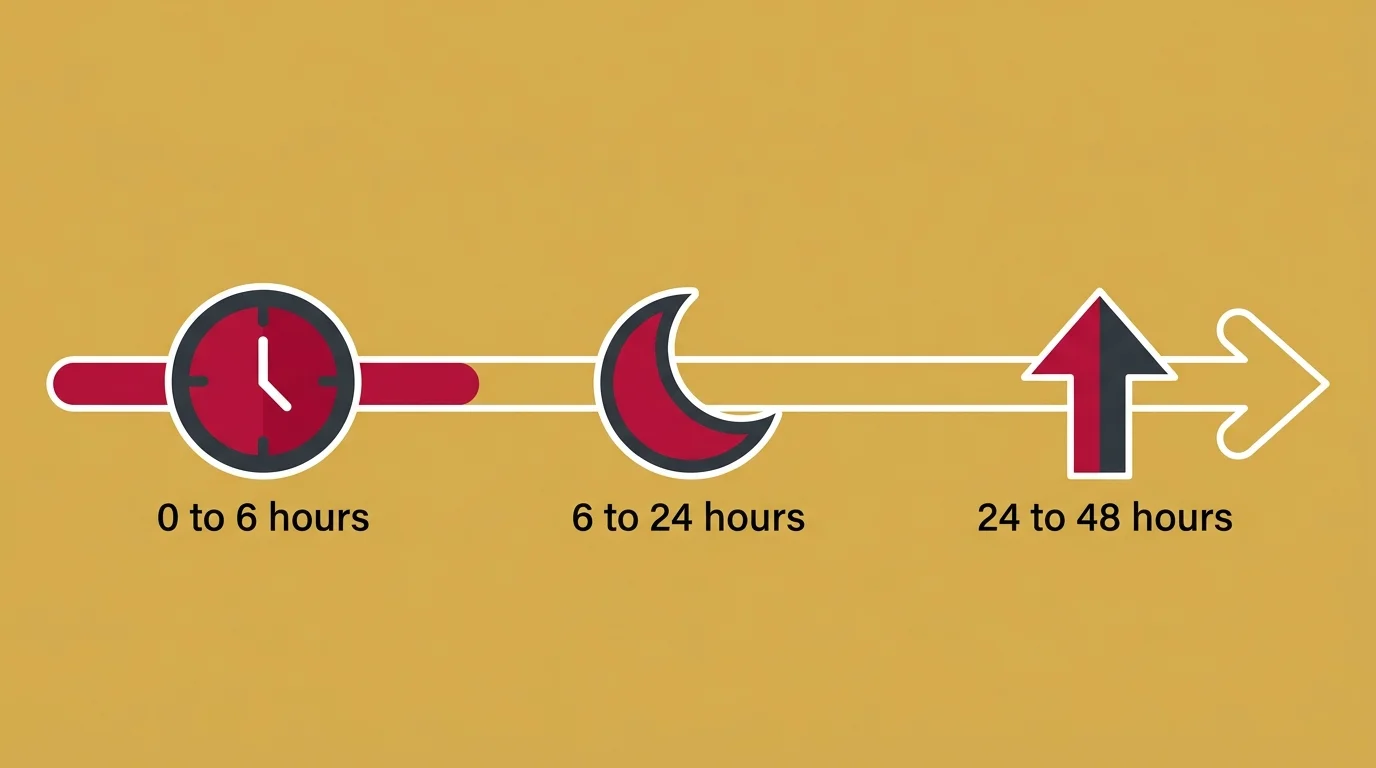
The session ends and you feel it — clearer, quieter, like someone turned the static down. That's not a placebo. But here's the thing: the 24–48 hours after a session are where the clinical work either holds or gets pulled back to zero.
Here's what's actually happening when you leave: the spinal adjustment shifted your autonomic output toward parasympathetic dominance. HRV parameters moved. The vagus nerve responded. The engine got the right fuel — but the conditions outside the clinic haven't changed. And the tank isn't full yet.
The nervous system doesn't lock in a new baseline after one session. It consolidates — or it reverts. Those first two days are the vote.
The Consolidation Window: When the Reset Either Holds or Reverts
Picture the post-session window as a biological confirmation period. The autonomic shift is real — measurable, not theoretical. But the nervous system is still reading its environment. It's still deciding whether the threat load that pushed it into sympathetic overdrive has actually changed. And until it gets consistent evidence that it has, it hasn't committed to anything.
So what breaks the window? Poor sleep, unmanaged stressors, no recovery time between sessions and demands. Feed those inputs back in after a session and the nervous system reads them as evidence that fight-or-flight should resume. It doesn't care how precise the adjustment was. It responds to the totality of its environment — not one clinical input in isolation.
That's what patients pursuing Nervous System Stress Recovery in Morton, IL need to understand before they walk out the door. The session creates the window. What happens inside it determines whether the reset holds or gets pulled back by the same conditions that drove the original dysfunction. Protecting that window isn't optional. It's part of the care plan.
Sleep, Cortisol, and the Overnight Recovery Cycle
Of every input that determines whether the reset holds, sleep is the most consequential. The nervous system does its deepest regulatory work overnight. Cut that short, and the work that started in the session doesn't finish.
When sleep quality drops, cortisol doesn't clear the way it should. The overnight recovery cycle stalls. CDC research on sleep and chronic disease confirms that sleeping less than 7 hours per night directly increases risk factors for metabolic dysfunction and systemic inflammation. That inflammation is the exact environment in which sympathetic overdrive thrives — and in which the parasympathetic gains from a session erode fastest.
This isn't a wellness suggestion. Adequate sleep, reduced cortisol load, and time away from high sympathetic input are the raw materials the nervous system needs to hold the reset. That's the biology behind why some patients stay clear for days after a session — and why others feel the fog return before the next morning. Same adjustment. Different inputs. Different outcome.
| Hours Post-Session | Primary Physiological Process | What You May Notice | What Supports or Disrupts This Phase |
|---|---|---|---|
| 0–4 hours | Autonomic shift consolidation — the nervous system holds the parasympathetic state established during the session | Reduced mental noise, lower perceived tension, a sense of physical ease that feels different from ordinary relaxation | Supports: low-demand activity, hydration, avoiding high-stimulation environments. Disrupts: immediate return to high-stress workload, caffeine loading, skipping rest |
| 4–12 hours | Cortisol clearance and initial overnight recovery cycle — the body begins processing accumulated stress hormones | Easier transition into sleep, reduced mental chatter at bedtime, less physical restlessness | Supports: consistent sleep schedule, cool and dark sleep environment, no screens in the hour before bed. Disrupts: poor sleep hygiene, alcohol, unresolved high-demand stressors carried into the evening |
| 12–24 hours | Deep sleep regulation — the nervous system performs its most significant autonomic recalibration during this window | Morning mental clarity that holds past the first hour of the day, steadier energy without the mid-morning crash | Supports: seven or more hours of uninterrupted sleep, minimal cortisol input during sleep hours. Disrupts: sleeping fewer than seven hours, fragmented sleep, high sympathetic input from late-night stressors |
| 24–36 hours | Systemic inflammation reduction — parasympathetic dominance suppresses the pro-inflammatory signals amplified by chronic stress | Less physical tension on waking, reduced sensitivity to sensory overload, improved concentration duration | Supports: anti-inflammatory nutrition, movement without high physical demand, continued low cortisol environment. Disrupts: chronic inflammation triggers — processed foods, alcohol, sedentary behavior followed by sudden high exertion |
| 36–48 hours | Nervous system baseline reassessment — the system determines whether the new autonomic state is stable or whether threat conditions require reverting to sympathetic overdrive | Sustained cognitive endurance, energy that holds through the afternoon, reduced reactivity to ordinary stressors | Supports: consistent follow-through on the care plan, protected recovery windows, minimal unmanaged stressor load. Disrupts: high-demand inputs that signal to the nervous system that fight-or-flight is still necessary |
Practical Steps to Extend Mental Clarity and Energy After Each Session
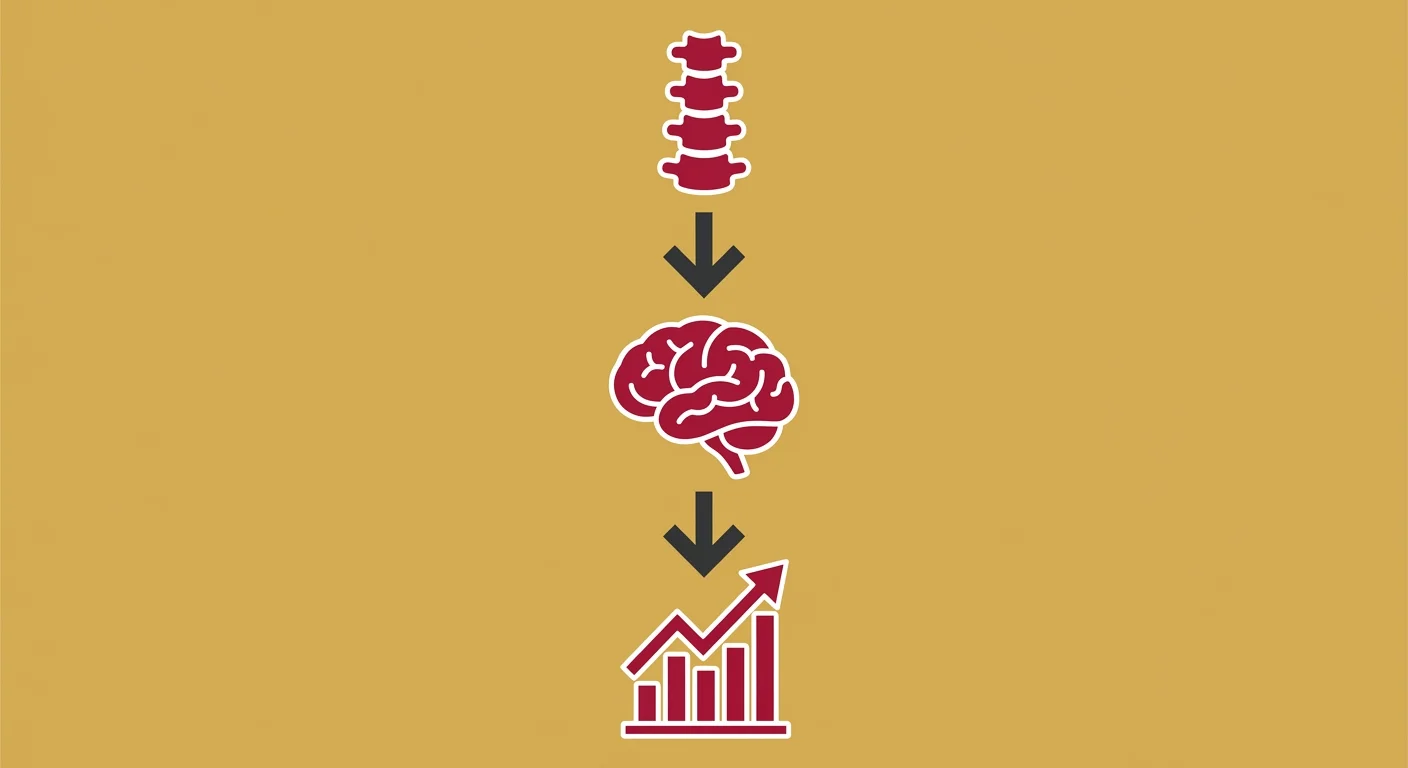
The biology explains what happened in that session. Now here's what you do with the next six hours.
That window isn't passive. HRV shifted. The nervous system crossed into parasympathetic dominance. The conditions for sustained clarity are actually present — right now, in the hours after you leave the clinic. But the environment doesn't care. Every high-demand input that follows is a direct vote for fight-or-flight. And the nervous system listens.
Protecting that window means controlling what the nervous system receives next. The sympathetic system doesn't need a dramatic trigger to reverse course. It needs a pattern — poor sleep, high demand, no recovery time — and it recalibrates around that pattern without asking permission. What follows isn't a wellness checklist. It's the practical side of keeping the engine running on the right fuel.
Hydration, Movement, and Input Load in the First Six Hours
Start with water. The nervous system runs on electrochemical signaling — and that signaling degrades faster than most people realize when the body is mildly dehydrated. Don't wait for the fog to return. Drink before you drive home.
Light movement in the first six hours helps. A walk, gentle stretching — anything that keeps circulation active without triggering a stress response. The body needs to process the autonomic shift, not stall on it. And the chronic stress physical misalignment link runs deeper than most people expect — sustained sympathetic activation compounds over time in ways a single session begins to address, but ongoing physical inputs can reintroduce just as fast.
Input load is the third variable. It's also the one most people don't account for. Back-to-back meetings, reactive email, high-stakes decisions in the hours after a session — that's exactly the material the sympathetic system needs to reassert dominance. The session opened a window. High cognitive demand closes it. The steps that protect mental clarity aren't complicated. But they require actually making the space for them.
How Care Plan Frequency Determines Lasting Results
One session shifts the system. The care plan determines whether that shift holds.
The nervous system consolidates new baseline states through repetition. Accurate clinical inputs, spaced at intervals that match how your system is actually responding — not a standard protocol, not a billing calendar. That's a clinical read. For patients building a structured recovery plan, Stress & Mental Clarity options are designed around that picture. Frequency is set by how the system holds between sessions, not by how many visits look good on a schedule.
The patients who report sustained mental clarity and consistent energy aren't the ones who came in once and waited. They followed a care plan built from their actual presentation. They adjusted when something wasn't working. And they protected the post-session window between appointments. The chronic stress that activated the HPA axis and pulled resources away from cognitive function didn't build overnight. The reset doesn't either. But with each accurate clinical input, the engine runs a little cleaner.
| Recovery Factor | What to Do | What to Avoid | Why It Matters for Nervous System Reset |
|---|---|---|---|
| Hydration | Drink water immediately after your session — before you drive home | Waiting until brain fog returns to hydrate | Electrochemical nerve signaling degrades with even mild dehydration, weakening the autonomic gains from the adjustment |
| Movement | Take a short walk or do gentle stretching within the first six hours | Intense exercise or high-exertion activity that triggers a stress response | Light circulation keeps the body processing the autonomic shift rather than stalling on it |
| Cognitive Input Load | Protect a low-demand window — defer high-stakes decisions and reactive communication | Back-to-back meetings, urgent email chains, or high-pressure tasks immediately post-session | The sympathetic system reasserts dominance when high-demand inputs flood the nervous system right after a reset |
| Sleep | Prioritize sleep depth and duration in the night immediately following your session | Late screens, stimulants, or disrupted sleep schedules that night | The nervous system does its most significant regulatory and consolidation work overnight — this is when the reset holds or unravels |
| Stressor Management | Identify and reduce the highest-demand environmental input for that evening | Resuming the exact conditions — unmanaged stress, no recovery window — that drove sympathetic overdrive originally | The nervous system reads its environment after a session; if the threat load signals fight-or-flight, the system reverts regardless of how precise the adjustment was |
Frequently Asked Questions
These aren't the questions a standard stress conversation covers. Not 'is stress bad.' Not 'should you do something.' The mechanism. The timeline. What actually holds — and why.
If you walked out feeling clearer than you have in months, these answers explain the mechanism — and what determines whether it stays past Tuesday.
How does a nervous system reset differ from a standard massage for stress?
A massage works on the muscular layer. It reduces tension, improves circulation, produces a relaxation response — all real, all temporary.
What it doesn't do is change what the autonomic nervous system does next.
A nervous system reset targets spinal inputs that regulate whether your system stays in fight-or-flight or shifts toward parasympathetic dominance. Spinal adjustments directly alter autonomic output — and heart rate variability data confirms it. HRV parameters shift toward parasympathetic dominance following an adjustment, and the post-adjustment response shows a direct regulatory connection to the vagus nerve. That's not a loosening-tight-muscles conversation.
The clarity after a session isn't a relaxation effect. It's a measurable autonomic shift. That's why the results don't wear off the same way muscle tension returns the morning after a massage.
Can chiropractic care help with mental clarity and cognitive focus?
Yes — and there's documented clinical evidence behind it.
Spinal adjustments alter cortical somatosensory processing in the brain. Clinical trials show notable changes in joint position sense accuracy and reaction times after an adjustment. That's not a soft benefit. That's the brain's processing load changing.
Here's the thing: when the spine sends distorted or dysregulated signals, the brain works harder to filter them. That overhead consumes cognitive resources that would otherwise go toward focus, decision-making, and sustained attention. Adjustments reduce the interference. The resources get freed up.
Pew Research Center survey data confirms that daily chronic stress degrades cognitive endurance and focus for a significant majority of working adults. Targeting the nervous system's regulatory state is a direct line to cognitive performance — not an indirect one.
Why do I feel temporarily fatigued after my first spinal adjustment?
That fatigue is the nervous system recalibrating. Not a sign something went wrong.
The adjustment shifted your autonomic output — HRV parameters moved, the vagus nerve responded, and the system started transitioning out of sympathetic overdrive. That transition takes energy. The body has been running high-demand fight-or-flight signaling for a long time. The first accurate clinical input that disrupts that pattern triggers a consolidation response.
Drink water. Avoid high-demand cognitive tasks. Protect the post-session window.
The fatigue is temporary. What it's making way for isn't.
How often should I schedule stress recovery sessions to maintain consistent focus?
There's no universal number. Any provider handing you a fixed schedule before assessing how your system is actually responding is working from a billing calendar — not your clinical picture.
Frequency depends on how your nervous system consolidates between sessions. Some patients hold the autonomic shift for several days and need less input to maintain the reset. Others are carrying higher ongoing stress loads and need closer spacing to prevent reversion before the next session.
So the schedule gets built from what you actually report — and it changes when your clinical picture changes. That's the difference between a care plan designed to keep you coming back and one designed to get your nervous system to a point where it holds on its own.
What are the immediate steps to maintain energy after a stress recovery session?
The first six hours are the most consequential.
Hydrate immediately. The nervous system runs on electrochemical signaling — and that signaling degrades with even mild dehydration. Don't wait until the brain fog returns.
Avoid high-demand cognitive input right after the session. Back-to-back high-stakes decisions hand the sympathetic system exactly the material it needs to reassert dominance. The session opened the window. High cognitive load closes it fast.
Light movement helps — a walk, some gentle stretching. The body needs to process the autonomic shift, not stall on it.
And protect your sleep. The nervous system does its most significant regulatory consolidation overnight. That work determines whether the clarity from the session holds into the next day — or starts to unravel before morning.
The Biological Reset You Actually Need
That clarity you walked out feeling isn't relaxation. It's a measurable autonomic shift — the nervous system moving toward parasympathetic dominance, the brain's regulatory signals recalibrating, the engine finally running on the right fuel.
That's the biological reality. And it's the part almost every stress recovery conversation skips.
What keeps it isn't discipline. It's not a better morning routine or a supplement stack. It's a care plan built from what your nervous system is actually doing — not from a protocol designed for someone else's presentation.
The patients who hold their clarity between sessions? Their care plan changed when something wasn't working. The post-session window was treated as part of the clinical picture. Session frequency was driven by how their system was responding — not by a billing calendar.
That distinction isn't a preference. It's the whole mechanism.
The nervous system is genuinely, measurably responsive when it receives accurate clinical inputs in the right sequence. Not a single fill-up. A plan.
At Touch of Wellness Chiropractic, the goal of every care plan is to get the nervous system to a state where it holds on its own — not to keep you coming back indefinitely. Real answers. A plan built from your actual clinical picture. A reset that doesn't fade by noon.
If the clarity you've been chasing keeps disappearing before lunch, you're not dealing with a willpower problem. You're running on the wrong fuel — and a template built for someone else won't change that.
If the clarity keeps disappearing before lunch no matter what you do, that's not a recovery problem. That's a nervous system that hasn't been addressed at the root. A care plan built from your actual clinical picture is where that changes — not a template, not a protocol someone else ran last week.
Copyright Touch of Wellness Chiropractic 2026
1101 W Jackson St, Suite A Morton, IL 61550
Web Design by iTech Valet